Chalifah Fatihah
Lebaran, the joyous festival marking the end of Ramadan, is traditionally a time of culinary indulgence. Families gather to share elaborate feasts featuring beloved dishes such as opor ayam (chicken curry), rendang (slow-cooked meat), sambal goreng ati (spicy liver stew), and an array of sweet pastries. While these delicacies are central to the celebration, many are inherently high in fat, posing a potential risk of elevated cholesterol levels if consumed without moderation. Recognizing this, it becomes crucial to integrate cholesterol-lowering foods into the celebratory spread to maintain health and well-being amidst the feasting.
The practice of consuming rich, high-fat foods during festive periods is not unique to Lebaran. Globally, holidays and celebrations often involve dishes that are calorie-dense and can contribute to adverse health outcomes, including increased cholesterol. In many Southeast Asian cultures, Lebaran meals are a culmination of months of fasting and spiritual reflection, making the food a significant part of the communal and familial experience. However, the modern understanding of nutrition and public health emphasizes the importance of balance, even during celebratory times. High cholesterol, particularly elevated levels of low-density lipoprotein (LDL) or "bad" cholesterol, is a significant risk factor for cardiovascular diseases, which remain a leading cause of mortality worldwide.
To counter the potential health implications of traditional Lebaran fare, incorporating specific foods known for their cholesterol-reducing properties can be a proactive and effective strategy. These foods not only help mitigate the impact of high-fat meals but also contribute to overall cardiovascular health, ensuring individuals can enjoy the festivities without compromising their well-being.
The Cholesterol Challenge of Lebaran Cuisine
The core of many beloved Lebaran dishes often involves ingredients that are high in saturated and trans fats. Coconut milk, a staple in dishes like opor ayam and rendang, is rich in saturated fat. The process of slow-cooking meats, while tenderizing them, can also contribute to their fat content. Similarly, many traditional cakes and cookies are prepared using butter, margarine, and full-fat dairy, further increasing their fat load.
For instance, a single serving of rendang, a dish celebrated for its complex flavors, can contain a significant amount of saturated fat due to the long cooking time and the use of coconut milk and fatty cuts of beef. Opor ayam, another festive favorite, similarly relies on coconut milk for its creamy texture and rich taste. While these dishes are deeply ingrained in cultural traditions and culinary heritage, their consumption patterns during Lebaran, often involving multiple servings over several days, can lead to a substantial intake of unhealthy fats.
According to the World Health Organization (WHO), daily intake of saturated fat should ideally be less than 10% of total energy intake, and trans fat intake should be less than 1% of total energy intake. During festive periods like Lebaran, adherence to these guidelines can be challenging due to the abundance and popularity of high-fat traditional foods.
Strategic Nutritional Replenishment: Cholesterol-Lowering Foods
To effectively balance the rich Lebaran spread, a selection of foods that actively work to lower cholesterol can be integrated into daily meals. These foods offer a dual benefit: they help reduce the absorption of dietary cholesterol and can also lower the body’s production of cholesterol.
1. Oats and Whole Grains: The Soluble Fiber Powerhouse
Oats and other whole grains are champions in the fight against high cholesterol, primarily due to their high content of soluble fiber. This type of fiber acts like a sponge in the digestive tract, binding with cholesterol and bile acids and preventing their absorption into the bloodstream. Instead, they are efficiently excreted from the body.
Harvard Health Publishing highlights that consuming as little as 5 to 10 grams of soluble fiber per day can significantly lower LDL cholesterol. This translates to about 1.5 cups of cooked oatmeal or a few servings of whole-grain bread. Incorporating oatmeal for breakfast, or opting for whole-wheat bread instead of refined white bread, can be a simple yet impactful dietary adjustment. Other whole grains like barley and quinoa also offer substantial amounts of soluble fiber and can be incorporated into salads or side dishes.
2. Fatty Fish: Omega-3 for Heart Health
Fatty fish such as salmon, mackerel, sardines, and tuna are renowned for their rich omega-3 fatty acid content. While omega-3s are not directly cholesterol-lowering in the same way as soluble fiber, they play a crucial role in cardiovascular health by reducing triglycerides (another type of fat in the blood), lowering blood pressure, and preventing the formation of blood clots.
The American Heart Association recommends consuming fish at least twice a week. During Lebaran, grilled or baked fish can serve as a healthier alternative to some of the traditional meat dishes. For example, a grilled salmon fillet offers lean protein and beneficial omega-3s without the saturated fat associated with many meat preparations.
3. Nuts: Nutrient-Dense Cholesterol Reducers
A variety of nuts, including almonds, walnuts, pistachios, and peanuts, are packed with heart-healthy monounsaturated and polyunsaturated fats, fiber, and plant sterols. These components work synergistically to lower LDL cholesterol and improve overall cholesterol profiles.
Studies published in journals like the New England Journal of Medicine have demonstrated that a diet including nuts can significantly reduce the risk of cardiovascular disease. A small handful of nuts, about 1.5 ounces (43 grams), can provide these benefits. They can be enjoyed as a snack, added to salads, or used as a crunchy topping for yogurts or desserts, offering a satisfying and nutritious addition to the Lebaran table.
4. Fiber-Rich Fruits: Nature’s Sweet Cholesterol Fighters
Certain fruits are particularly effective in lowering cholesterol due to their high pectin content, a type of soluble fiber. Apples, pears, citrus fruits (oranges, grapefruits), grapes, and strawberries are excellent sources of pectin.
A study in the Journal of the American College of Cardiology found that consuming one apple a day for a month could reduce LDL cholesterol by as much as 40% in middle-aged adults. Integrating these fruits into fruit salads, smoothies, or simply enjoying them as whole snacks can contribute significantly to a healthier cholesterol balance during the festive period.
5. Leafy Greens: Essential Vitamins and Minerals
Dark, leafy green vegetables like spinach, kale, broccoli, and Swiss chard are not only low in calories and rich in essential vitamins and minerals but also contain compounds that can help reduce cholesterol absorption. They are also excellent sources of fiber.
The Ministry of Health of the Republic of Indonesia often promotes the consumption of leafy greens as part of a balanced diet for overall health. Their versatility allows them to be incorporated into various dishes, from stir-fries to side salads, making them an easy addition to any meal.
6. Soy and Soy Products: Plant-Based Protein Power
Soybeans and their derivatives, such as tofu, tempeh, and soy milk, are valuable sources of plant-based protein and contain compounds that can help lower LDL cholesterol. The U.S. Food and Drug Administration (FDA) has recognized that 25 grams of soy protein a day, as part of a diet low in saturated fat and cholesterol, may reduce the risk of heart disease.
Tempeh, a fermented soy product with a firm texture, can be a delicious and healthy substitute for meat in many recipes. Tofu can be grilled, baked, or added to stir-fries. Soy milk can be used in place of dairy milk in beverages and cooking.
7. Avocados: Monounsaturated Fats for Heart Health
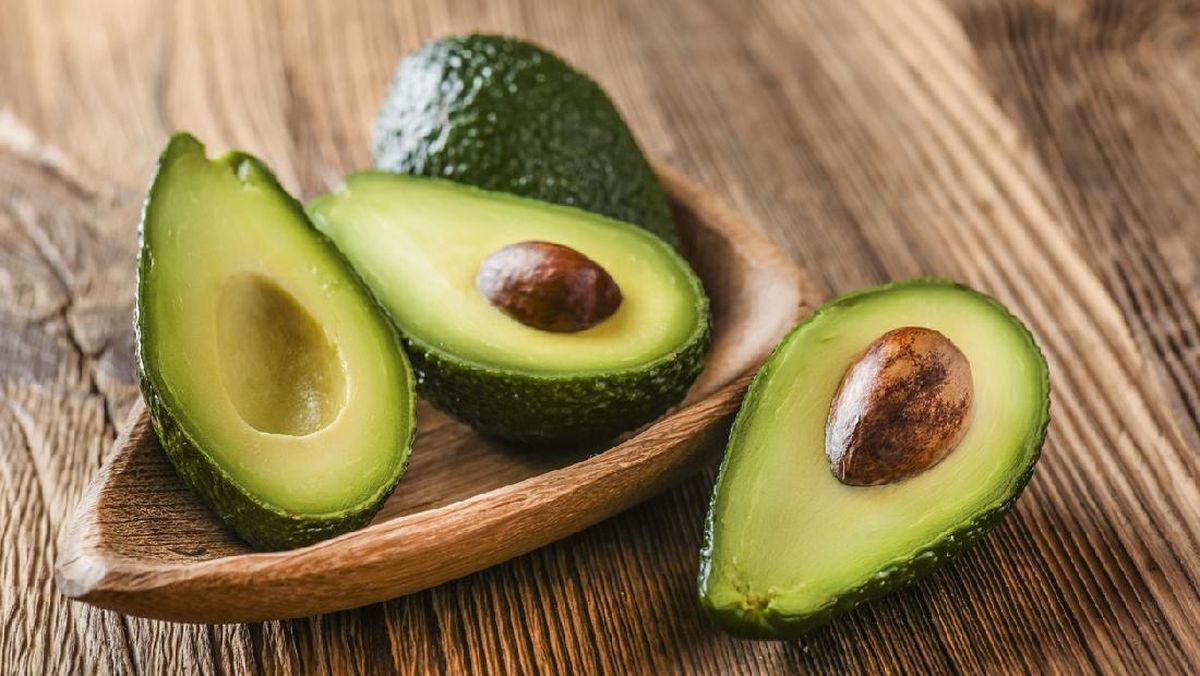
Avocado is a unique fruit that is rich in monounsaturated fats, which are known to help lower LDL cholesterol and raise high-density lipoprotein (HDL) or "good" cholesterol. They also contain beneficial fiber and antioxidants.
A study published in the Journal of the American Heart Association found that replacing saturated fat with avocado in a daily diet led to a significant reduction in LDL cholesterol. Avocados can be enjoyed in salads, as a spread on whole-grain toast, or even blended into smoothies, offering a creamy texture and a boost of healthy fats.
8. Garlic: Culinary Spice with Health Benefits
Garlic has been recognized for centuries for its medicinal properties, and modern research supports its role in promoting heart health, including a modest effect on lowering cholesterol. Allicin, a compound found in garlic, is believed to be responsible for many of its health benefits.
While the effect might be subtle compared to other foods on this list, regular consumption of garlic, especially when raw or lightly cooked, can contribute to overall cardiovascular well-being. It’s a natural flavor enhancer that can be used in countless savory dishes.
9. Mushrooms: Low-Calorie, Cholesterol-Free Option
Mushrooms are naturally low in calories and cholesterol-free, making them an excellent choice for those managing their cholesterol levels. They are also a good source of fiber and certain B vitamins.
When prepared without excessive amounts of butter or oil, mushrooms can be a healthy addition to stir-fries, soups, or as a meat substitute in vegetarian dishes. Their meaty texture can provide satisfaction without the added fat.
10. Healthy Seeds: Nutrient Powerhouses
Seeds such as chia seeds, flaxseeds, sunflower seeds, and pumpkin seeds are packed with fiber, healthy fats, and other nutrients that contribute to heart health. Chia and flaxseeds, in particular, are rich in alpha-linolenic acid (ALA), a type of omega-3 fatty acid, and soluble fiber.
These seeds can be sprinkled on yogurt, cereals, salads, or incorporated into baked goods. Their small size belies their significant nutritional impact, offering a convenient way to boost fiber and healthy fat intake.
A Holistic Approach to Festive Well-being
The integration of these cholesterol-lowering foods into the Lebaran diet is not about completely abandoning traditional favorites but about achieving a healthier balance. This approach allows individuals to savor the cultural significance and enjoyment of festive meals while actively managing their health.
Beyond dietary choices, other lifestyle factors play a crucial role. Regular physical activity is paramount in maintaining healthy cholesterol levels and overall cardiovascular fitness. Even moderate exercise, such as brisk walking for 30 minutes a day, can have a positive impact. Furthermore, adequate hydration and sufficient sleep are integral components of a healthy lifestyle that supports cardiovascular well-being.
The period of Lebaran, while a time of celebration, also presents an opportunity for reflection on health habits. By making informed dietary choices and maintaining an active lifestyle, individuals can ensure that the joy of the festivities is complemented by a commitment to long-term health. This mindful approach to eating and living allows for the full enjoyment of traditions without compromising the body’s well-being, paving the way for a healthier future beyond the holiday season.