Chalifah Fatihah
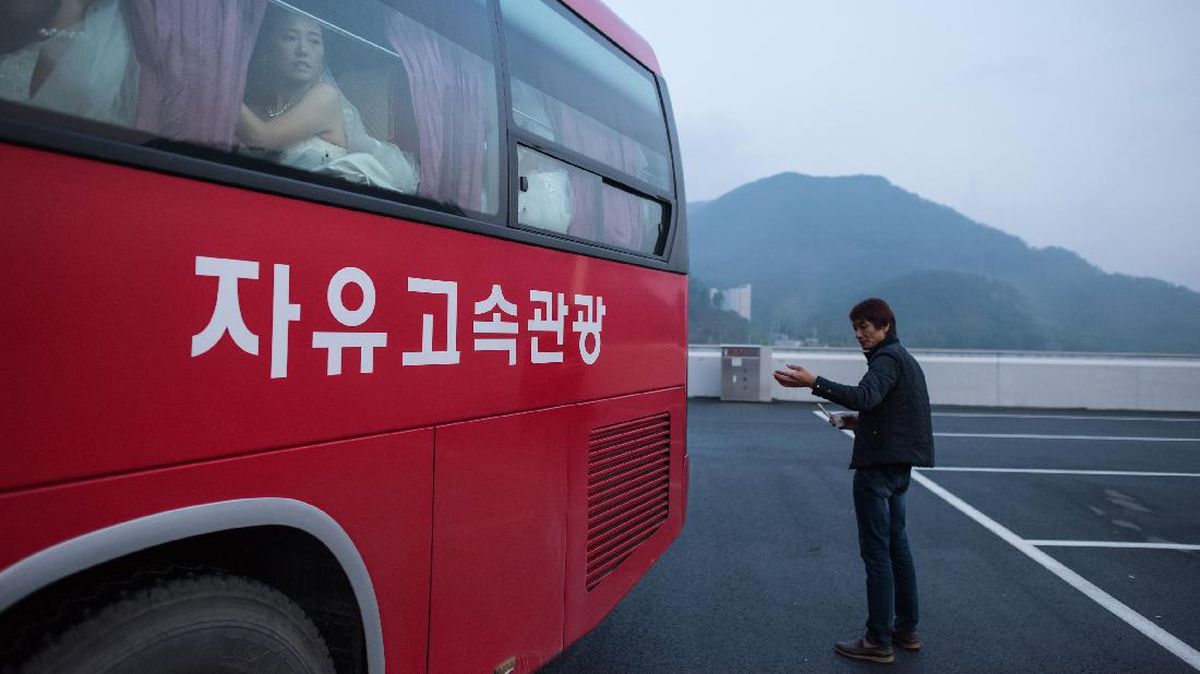
South Korea is rolling out a nationwide initiative to entice international visitors to venture beyond the bustling capital of Seoul by offering significant discounts on intercity and express bus tickets. This program, running from June 15 to July 14, aims to diversify tourist itineraries and boost regional economies, marking a strategic move by the South Korean government to spread the economic benefits of tourism across the country.
The initiative, spearheaded by the Ministry of Culture, Sports, and Tourism in collaboration with the Korea Tourism Organization, is designed to address a long-standing trend of foreign tourists concentrating their visits primarily in Seoul. While the capital city remains a vibrant hub for shopping, K-pop culture, and culinary exploration, the government is keen to showcase the rich cultural tapestry and diverse attractions present in other regions of South Korea.
"We will continue to communicate and cooperate closely with relevant agencies to create an environment where foreign tourists can travel more comfortably throughout Korea," stated Kang Jung-won, Director General of the Tourism Policy Bureau at the Ministry of Culture, Sports, and Tourism. This statement, reported by The Korea Times, underscores the government’s commitment to facilitating a more comprehensive and accessible travel experience for international visitors.
The timing of this program is particularly significant, coinciding with a notable surge in foreign tourist arrivals. Preliminary data from January to April of the current year indicates a record-breaking period for inbound tourism, reflecting a strong recovery and growing interest in South Korea as a travel destination.
Supporting this trend, the National Association of Bus Terminal Operators Korea reported that approximately 382,000 foreign passengers utilized express and intercity bus terminals in the first quarter of the year. This figure represents a substantial increase of 32.2 percent compared to the 289,000 passengers recorded during the same period in the previous year. This upward trajectory in bus travel among foreign visitors provides a solid foundation for the success of the discount program.
Facilitating Easier Access to Regional Exploration
A key challenge identified by the Ministry is that many foreign tourists are not familiar with the process of booking intercity bus tickets in South Korea, often leading them to purchase tickets directly at terminals. This can be a barrier for those who are less accustomed to navigating local transportation systems. The new discount program seeks to streamline this process by incentivizing online bookings through designated platforms.
Under the program, foreign tourists who book their bus tickets via participating platforms will receive an immediate discount of 5,000 South Korean Won (approximately $3.60 USD). Furthermore, travelers can avail themselves of an additional discount of up to 4,000 South Korean Won (approximately $2.90 USD) on select platforms. In a move to enhance connectivity for tourists, these platforms also offer complimentary eSIM cards, a valuable resource for staying connected while exploring areas outside of Seoul.
This comprehensive approach to easing travel extends beyond ticket discounts. In May, the South Korean government launched a multilingual transportation guide through the Visit Korea platform. This guide aims to demystify public transportation usage for foreign visitors, providing clear instructions and information in various languages to ensure a smoother and more independent travel experience.
The rationale behind promoting regional travel is multifaceted. Beyond alleviating the pressure on popular urban centers like Seoul, it aims to distribute the economic benefits of tourism more evenly. Regional areas often possess unique cultural heritage, natural landscapes, and local delicacies that are less explored by mainstream tourism. By encouraging visitors to these areas, the government hopes to stimulate local economies, support small businesses, and foster a more authentic and diverse tourism experience.
A Strategic Move to Diversify Tourism
The concentration of foreign tourists in Seoul, while beneficial for the capital, can lead to overcrowding and strain on local resources. By offering incentives to explore other cities, South Korea aims to create a more sustainable and balanced tourism model. Cities such as Busan, known for its beaches and seafood; Gyeongju, the ancient capital of the Silla Kingdom; and Jeonju, famous for its traditional Hanok village and bibimbap, offer distinct cultural and historical experiences that could appeal to a broader range of international visitors.
The government’s proactive approach to understanding and addressing the needs of foreign tourists is evident in this initiative. Recognizing that ease of access and affordability are crucial factors in travel decisions, the bus ticket discount program, coupled with the provision of eSIMs and multilingual guides, creates a more welcoming and user-friendly environment for international travelers.
Background and Context: The Rise of Korean Tourism
South Korea’s tourism industry has experienced remarkable growth in recent years, largely fueled by the global popularity of K-pop, K-dramas, and Korean cuisine. The "Hallyu" wave, or Korean Wave, has been a significant driver of inbound tourism, attracting millions of visitors eager to experience the culture they have come to admire through various media.
Before the COVID-19 pandemic, South Korea consistently saw record numbers of international arrivals. While the pandemic caused a significant downturn, the country has been actively working to revive its tourism sector. This includes efforts to diversify its tourism offerings beyond the well-trodden path of Seoul and to attract a wider demographic of travelers.
The current initiative can be seen as a continuation of these efforts, building upon the momentum of the post-pandemic tourism recovery. By focusing on intercity bus travel, the government is tapping into a cost-effective and widely accessible mode of transportation that can connect tourists to a multitude of destinations.
Timeline of the Initiative
- May 2026: The Ministry of Culture, Sports, and Tourism releases multilingual transportation guides on the Visit Korea platform to assist foreign tourists.
- June 15, 2026: The bus ticket discount program officially commences, offering incentives for foreign tourists booking intercity and express bus tickets.
- June 15 – July 14, 2026: The program runs for a full month, providing a dedicated period for tourists to take advantage of the discounts and explore regional South Korea.
- Ongoing: The Ministry pledges to continue collaborating with relevant agencies to enhance the travel environment for foreign tourists across the nation.
Data and Supporting Information
- Discount Offer: Up to 5,000 KRW (approx. $3.60 USD) direct discount plus an additional 4,000 KRW (approx. $2.90 USD) on select platforms.
- Complimentary eSIM: Available through certain participating platforms, facilitating connectivity for travelers.
- Program Duration: One month, from June 15 to July 14, 2026.
- Inbound Tourism Growth (Jan-Apr 2026): Record high for the period, indicating a strong recovery.
- Intercity/Express Bus Passenger Growth (Q1 2026): 382,000 foreign passengers, a 32.2% increase from Q1 2025 (289,000 passengers).
- Target Audience: Foreign tourists visiting South Korea.
- Objective: To encourage exploration beyond Seoul, boost regional economies, and diversify tourism experiences.
Analysis of Implications
The strategic implementation of this bus ticket discount program is poised to have several positive implications for South Korea’s tourism sector and beyond.
Firstly, it directly addresses the issue of over-tourism in popular urban centers by encouraging dispersal. This can lead to a more sustainable tourism model, reducing the environmental and social impact on concentrated areas and distributing economic benefits to less visited regions.
Secondly, by making regional travel more accessible and affordable, the program can attract a wider range of tourists. Travelers who might have previously been deterred by the perceived cost or complexity of intercity travel may now find it more appealing to explore beyond Seoul. This could lead to an increase in the average length of stay and overall spending by tourists.
Thirdly, the initiative supports the development of regional tourism infrastructure and services. As more tourists venture into smaller cities and rural areas, there will be a greater demand for local accommodations, restaurants, and cultural attractions, fostering economic growth and job creation in these areas.
Furthermore, the emphasis on multilingual resources and user-friendly booking platforms signals a commitment to improving the overall tourist experience. By reducing barriers and providing essential support, South Korea is positioning itself as a highly accessible and welcoming destination for international visitors.
The success of this program could pave the way for similar initiatives in the future, focusing on other modes of transportation or specific regional attractions. It also highlights the government’s adaptive approach to tourism management, responding to evolving travel trends and visitor needs.
For potential visitors, this program presents an excellent opportunity to experience a more authentic and diverse side of South Korea. It encourages a deeper engagement with the country’s rich culture, history, and natural beauty, moving beyond the typical tourist circuit and fostering more meaningful travel experiences. The combination of discounted travel and enhanced connectivity through eSIMs makes exploring the length and breadth of South Korea more feasible and attractive than ever before.