Azin Asro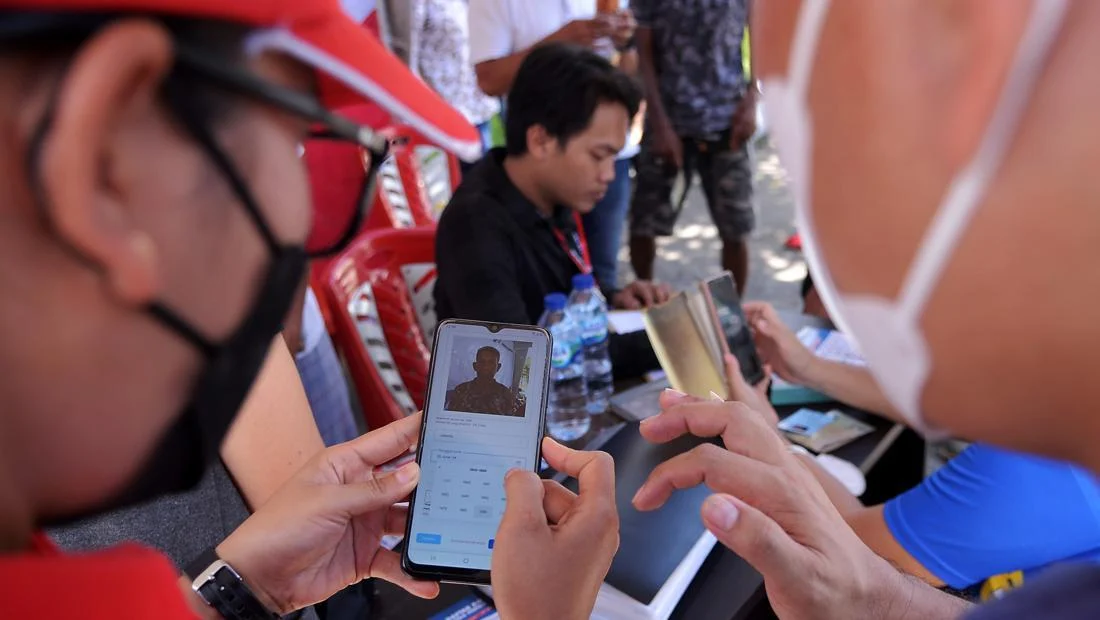
The government of Indonesia, through the state-owned energy company Pertamina, continues to refine the distribution of subsidized fuels, specifically Solar (diesel) and Pertalite (RON 90), by requiring vehicle owners to register through the MyPertamina platform. This initiative, officially known as the "Subsidi Tepat" (Targeted Subsidy) program, is designed to ensure that state-funded energy reaches the intended demographics while minimizing budget leakage. However, as the digital transformation of fuel procurement becomes more widespread, many users have encountered technical hurdles, most notably the "license plate already registered" error. Navigating these digital barriers is essential for motorists to maintain access to affordable fuel, as Pertamina moves toward a more strictly monitored distribution model.
Understanding the "License Plate Already Registered" Error
One of the most frequent challenges reported by vehicle owners during the MyPertamina registration process is a notification stating that their vehicle’s license plate number (nomor polisi or nopol) has already been registered in the system. This error can occur due to several factors, including clerical errors by other users, previous ownership of the vehicle where the former owner did not deregister, or, in rarer cases, fraudulent activity.
To address this, Pertamina has established a specific protocol. According to official guidelines from Pertamina 135, the company’s dedicated customer service arm, the first step for any user facing this issue is to contact the 135 call center. This allows the company to verify the user’s identity and investigate why the plate is appearing as a duplicate in the database.
Once the user has contacted the call center and the issue has been identified as a legitimate conflict, the user must initiate a formal appeal (banding). This process is handled through the official website at subsiditepat.mypertamina.id. When the "Nomor Polisi Kendaraan telah terdaftar" (Vehicle License Plate already registered) warning appears, the user is directed to a "Complaint Form" (form keluhan). It is critical to note that there is a time-sensitive window for this process; users are generally required to complete the appeal form and provide necessary documentation within a 3×24 hour timeframe to ensure the case remains active and verifiable.
The Verification Process: Documentation and Live Photos
The appeal process is rigorous to prevent unauthorized individuals from claiming subsidies for vehicles they do not own. To successfully file an appeal, the applicant must provide three primary pieces of evidence:
- BPKB (Bukti Pemilikan Kendaraan Bermotor): The vehicle ownership document serves as the ultimate proof of legal ownership.
- STNK (Surat Tanda Nomor Kendaraan): The vehicle registration certificate provides current registration data.
- Physical Vehicle Photo: A photo of the vehicle that clearly shows the license plate.
A crucial technical requirement that often trips up applicants is the "live photo" rule. Pertamina’s system requires that these documents and the vehicle itself be photographed directly through the application or website interface during the submission process. Users cannot upload pre-existing photos from their phone’s gallery. This security measure is intended to ensure that the applicant has physical possession of the vehicle and the original documents at the time of the appeal, thereby reducing the risk of identity theft or the use of forged digital images.
Common Reasons for Registration Rejection
Beyond the duplicate license plate issue, many applications are rejected due to technical non-compliance. Pertamina has identified three primary reasons why a registration might be turned down:
1. Vehicle Type Incompatibility
The "Subsidi Tepat" program is governed by specific regulations regarding which vehicles are eligible for subsidized fuel. Under Presidential Regulation (Perpres) No. 191 of 2014, certain categories of vehicles, particularly luxury cars or private vehicles with high engine capacities, may be excluded from receiving Solar or Pertalite subsidies. If a user attempts to register a vehicle that falls outside the eligible criteria, the system will automatically reject the application.
2. Illegible STNK Documentation
The STNK is the primary document used to cross-reference the vehicle’s data with the national police (Korlantas Polri) database. Rejections often occur because the uploaded photo of the STNK is blurry, overexposed, or incomplete. Pertamina advises users to ensure that both the front and back of the STNK are clearly visible. A common tip provided by customer service is to remove any plastic protective sleeves from the STNK before photographing it, as these sleeves often create a glare from the camera flash that obscures vital information.
3. Incorrect Vehicle Photography Angle
The physical photo of the vehicle is not merely for identification but also for classification. Pertamina requires a specific angle: the photo must be taken from a front-quarter perspective (approximately 45 degrees). This specific angle allows validators to see the front of the car, the license plate, and the side of the vehicle simultaneously. This is necessary to verify the number of wheels and the general dimensions of the vehicle, which helps determine its classification and eligibility. If the license plate is obscured or the number of wheels cannot be clearly counted, the application is likely to be denied.
Background: The Shift Toward Targeted Subsidies
The MyPertamina registration drive is part of a broader fiscal strategy by the Indonesian government to manage the rising costs of energy subsidies. For decades, Indonesia has subsidized fuel at the pump, a policy that significantly burdens the State Budget (APBN). In recent years, the government has noted that a significant portion of these subsidies is being consumed by middle-to-upper-class citizens who do not technically qualify as the "economically vulnerable" population the subsidies were intended to protect.
By digitizing the process, the government aims to shift from a "commodity-based subsidy" (where the fuel itself is cheap for everyone) to a "person-based subsidy" (where only verified eligible individuals can purchase the fuel at the subsidized rate). This transition is managed by Pertamina Patra Niaga, the trading and logistics arm of the state oil company, in coordination with the Downstream Oil and Gas Regulatory Agency (BPH Migas).
Chronology of the MyPertamina Implementation
The journey toward mandatory digital registration has been gradual.
- July 2022: Pertamina launched the initial pilot phase of the "Subsidi Tepat" program in several select cities and regencies. During this phase, registration was encouraged but not strictly enforced for every transaction.
- Late 2022 – 2023: The program expanded to cover more regions, with a heavy focus on Solar (diesel) consumers first, as the diesel subsidy is more strictly regulated under existing laws.
- 2024: The focus has intensified on Pertalite. While the government has not yet fully restricted Pertalite to registered users in every single region, the infrastructure is being finalized. In many regions, the use of QR codes generated from the MyPertamina registration is now a standard requirement for purchasing Solar.
Economic and Social Implications
The implications of this system are vast. From an economic standpoint, successful implementation could save the state trillions of rupiah annually. According to data from the Ministry of Finance, the energy subsidy and compensation budget often exceeds original projections when global oil prices fluctuate. By limiting the pool of eligible recipients, the government can stabilize its fiscal outlook.
However, the social implications involve a significant learning curve for the public. The "digital divide" remains a concern in Indonesia, as not all vehicle owners are tech-savvy or have access to high-quality smartphones and stable internet connections. To mitigate this, Pertamina has established physical registration booths at various gas stations (SPBU) across the country, where staff can assist motorists in the registration process manually.
Expert Analysis and Future Outlook
Energy analysts suggest that while the MyPertamina system is a necessary step toward fiscal responsibility, its success depends on the accuracy of the underlying data. Integration with the Electronic Registration and Identification (ERI) system of the Indonesian National Police is vital to ensure that the data provided by users matches official records.
Furthermore, there is ongoing discussion regarding the revision of Perpres 191/2014. The proposed revisions are expected to provide a clearer legal definition of which specific vehicle types (based on engine CC) are prohibited from using Pertalite. Once these regulations are signed, the MyPertamina system will serve as the primary enforcement tool.
For the average consumer, the message from Pertamina is clear: transparency and accuracy in registration are the only ways to ensure continued access to subsidized fuel. As the system becomes more sophisticated, the "live photo" requirements and the 135-call center appeal process will become the standard operating procedure for maintaining the integrity of Indonesia’s energy safety net. Motorists are encouraged to check their registration status periodically and ensure their documentation is up to date to avoid disruptions at the pump.