Tata Titiana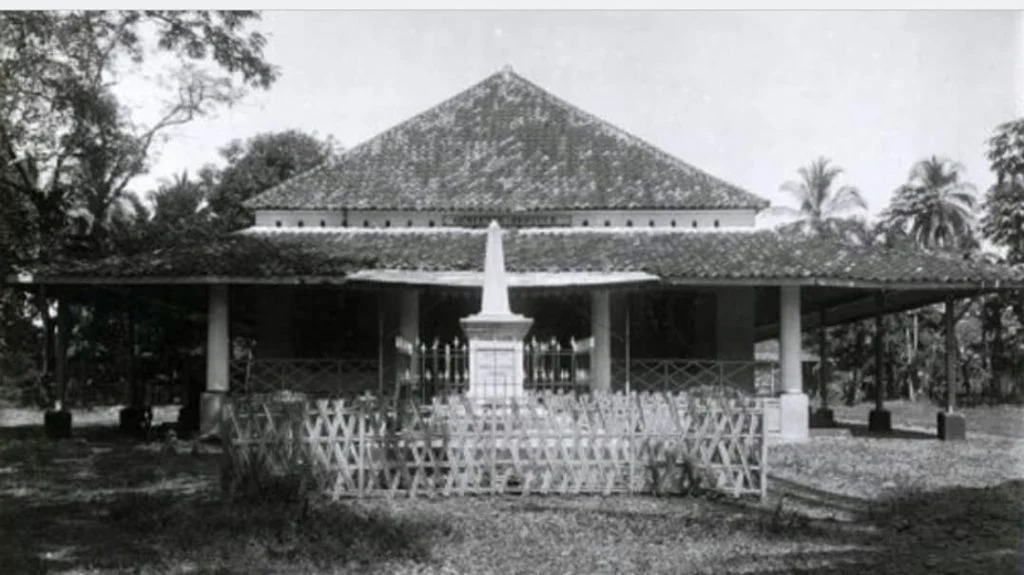
Depok, a municipality in West Java province, Indonesia, stands today as a modern urban center. However, its history is far richer and more complex than its current administrative status suggests. Before its establishment as a municipality on April 27, 1999, Depok was merely a sub-district within the Bogor Regency. What is less known, and perhaps astonishing to many, is that Depok once existed as an independent nation, complete with its own president as head of state and government. This fascinating chapter of Depok’s past, often overlooked, offers a unique glimpse into the region’s colonial era and the evolution of its governance.
The Genesis of a Private Domain
The story of Depok as a distinct entity begins in the late 17th century. Cornelis Chastelein, a wealthy Dutch merchant, acquired a vast tract of land measuring 12.44 square kilometers in the Depok area. The purchase price was a significant sum for the time, amounting to 2.4 million Dutch guilders. Crucially, this land was designated as "partikelir" (private property), meaning it was outside the direct administrative control of the Dutch East Indies government. By the 18th century, Depok had evolved into an administrative region with its own "gemeente bestuur," or civilian government, with Chastelein himself serving as its first ruler and founder.
When Chastelein first acquired the land, it was largely undeveloped wilderness. With the labor of his enslaved people, who hailed from various ethnic backgrounds across the archipelago, Chastelein undertook the monumental task of clearing the dense forests to establish agricultural lands. The extent of his private domain was remarkably expansive, encompassing what is now the entire Depok region, as well as areas in South Jakarta like Pasar Minggu and even extending to Gambir in Central Jakarta. The very first inhabitants of this burgeoning territory were the enslaved individuals who belonged to Chastelein.

The Birth of a Republic: Depok’s Presidential Era
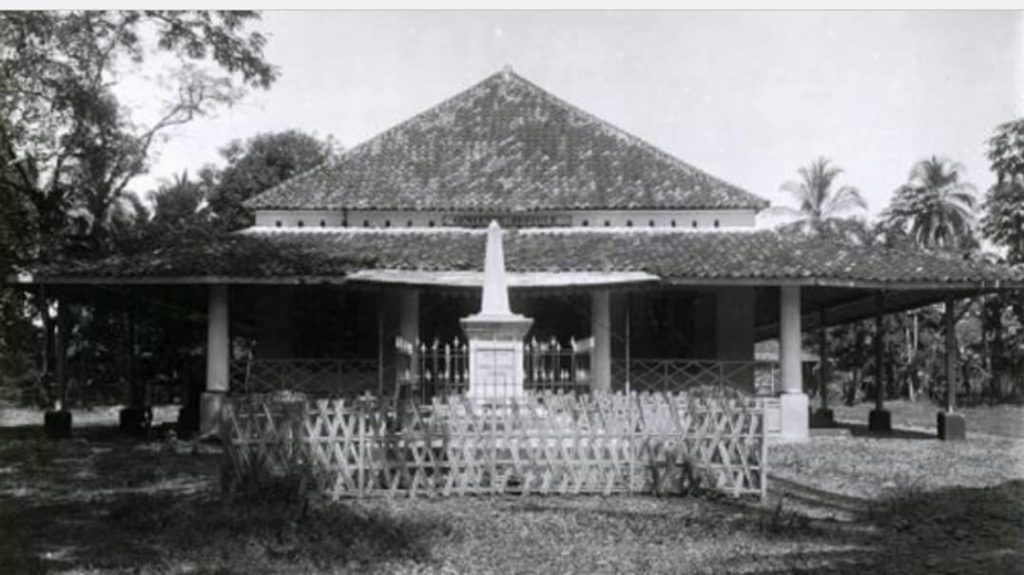
The most remarkable aspect of Depok’s history is its brief but significant period as a self-governing nation with a presidential system. In 1913, the "Het Gemeente Bestuur van Het Particuliere Land Depok" (The Municipal Administration of the Private Land of Depok) was formally established, complete with a president as its head of state and government. The presidents of Depok were democratically elected by the populace, marking a unique experiment in governance for the time and region. The administrative center of this nascent nation was located at Kilometer 0, symbolically marked by the Depok Monument. Nearby, a government building, which now houses the Harapan Hospital, served as the seat of power. The presidential term was relatively short, lasting for three years.
The first president of Depok was Gerrit Jonathans, who assumed office in 1913. Following him, three other individuals held the presidential Martinus Laurens (1921), Leonardus Leander (1930), and Johannes Matjis Jonathans (1952). Unfortunately, detailed records pertaining to the specific achievements or administrative policies of each president during their tenures are scarce, leaving much of this period open to historical interpretation.
From Enslaved People to Citizens: The Legacy of a Will
Cornelis Chastelein, a devout Catholic, was known for his benevolent treatment of his enslaved people. Before his death on June 28, 1714, he drafted a will that would profoundly shape the future of Depok. In his testament, Chastelein bequeathed his land, homes, livestock, and agricultural tools to his enslaved individuals. Furthermore, he granted them their freedom upon his passing. To prevent potential disputes over the inheritance and to ensure an orderly transition, he appointed Jarong van Bali to lead and manage the newly freed community.
The formerly enslaved individuals, now free but concerned about future power struggles after Jarong van Bali’s leadership concluded, collectively agreed to implement a democratic system for selecting their leader. This led to the establishment of a presidential system, with elections held every three years. There was no vice-presidential position; instead, the president was assisted by a secretary in carrying out their duties. This governmental structure, conceptualized by a lawyer from Batavia, was officially implemented in 1913.
A Timeline of Depok’s Unique Governance
- Late 17th Century: Cornelis Chastelein, a Dutch merchant, purchases a large tract of land in Depok, establishing it as a private domain (partikelir).
- 18th Century: Depok develops into an administrative region with its own civilian government ("gemeente bestuur"), with Chastelein as its first ruler. The land is cleared and developed by enslaved laborers.
- June 28, 1714: Cornelis Chastelein dies and his will comes into effect, granting freedom and land to his enslaved people. Jarong van Bali is appointed to lead the community.
- Early 20th Century: The former enslaved population, seeking to avoid future conflicts, establishes a democratic governance system.
- 1913: The "Het Gemeente Bestuur van Het Particuliere Land Depok" is officially formed, and the first president, Gerrit Jonathans, is elected. The governmental structure, including a president elected every three years and assisted by a secretary, is put into practice. The administrative center is established at Kilometer 0.
- 1921: Martinus Laurens is elected president.
- 1930: Leonardus Leander is elected president.
- 1952: Johannes Matjis Jonathans, the last president of Depok, oversees the handover of the private land to the Indonesian government.
- 1952 Onwards: Depok is integrated into the Indonesian administrative system, eventually becoming a municipality in West Java.
The Transfer of Sovereignty and Enduring Legacy
The unique chapter of Depok as an independent nation concluded in 1952. Matijs Jonathans, the final president, formally transferred the private land of Depok to the Indonesian government through an official deed of surrender. This act marked the end of over three centuries of private ownership and self-governance.
While Depok as a municipality is relatively young, celebrating just 22 years since its official establishment in 1999, its historical lineage stretches back much further. The story of Depok is a testament to its unique journey from a colonial-era private estate to a self-governing entity, and finally to its current status as an integral part of Indonesia. The period of its presidential rule, though not widely publicized, highlights a fascinating instance of localized governance and democratic aspiration that predates Indonesia’s own independence in many ways. The legacy of Cornelis Chastelein’s will and the subsequent establishment of a democratic republic among his former enslaved people is a compelling narrative of emancipation, self-determination, and the complex social fabric of colonial Indonesia. The Tugu Depok at Kilometer 0 stands not just as a geographical marker but as a silent witness to this extraordinary historical journey.