Nila Kartika Wati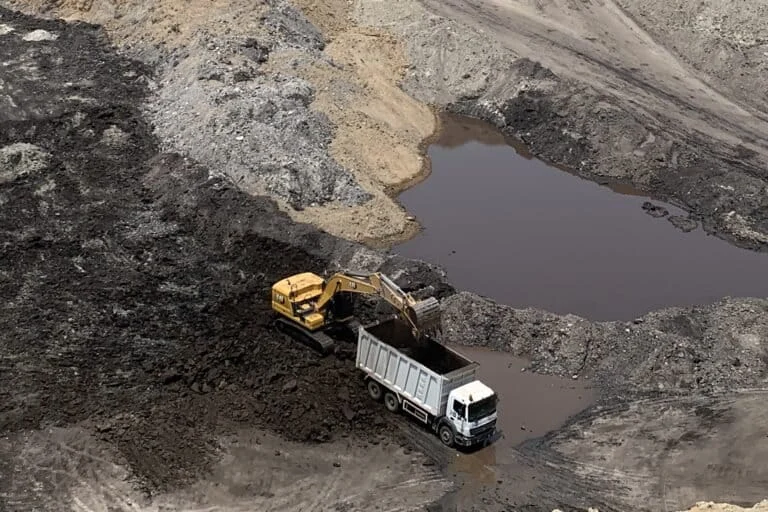
Indonesia’s coal mining sector, long considered the backbone of the national economy and a primary source of global energy, is facing an unprecedented existential crisis that demands an immediate strategic pivot from investors and policymakers alike. As global energy trends shift toward decarbonization and the domestic environmental toll becomes increasingly untenable, the narrative of coal as "black gold" is rapidly being replaced by warnings of stranded assets and ecological bankruptcy. Recent findings from Publish What You Pay (PWYP) Indonesia and various legal and environmental experts suggest that the era of coal dominance is entering its final chapters, with resource depletion, market volatility, and severe social consequences converging to create a high-risk environment for extractive capital.
The Looming Deadline: Resource Depletion and Production Overdrive
According to comprehensive research conducted by PWYP Indonesia, the nation’s coal reserves are projected to be exhausted within the next 30 to 50 years. Ditto Mohammad Ikhsan, a researcher at PWYP Indonesia, emphasizes that the industry’s current trajectory is fundamentally unsustainable. The data suggests that the window for profitable extraction is closing faster than many industry stakeholders realize. Currently, Indonesia possesses approximately 143.73 billion tons of coal resources, with verified reserves standing at 25.83 billion tons, according to data from the Ministry of Energy and Mineral Resources (KESDM).
Despite these finite limits, production rates have surged to record highs. National production currently oscillates between 700 million and 800 million tons annually. This aggressive extraction rate significantly exceeds the mandates set by Presidential Regulation (Perpres) No. 22/2017 concerning the National Energy General Plan (RUEN), which stipulates that production should be capped at 400 million tons per year to ensure long-term energy security. This disconnect between policy and practice highlights a "grab-it-while-you-can" mentality that threatens to deplete national resources prematurely while exacerbating the environmental crisis.
Shifting Global Markets and the Geopolitical Bubble
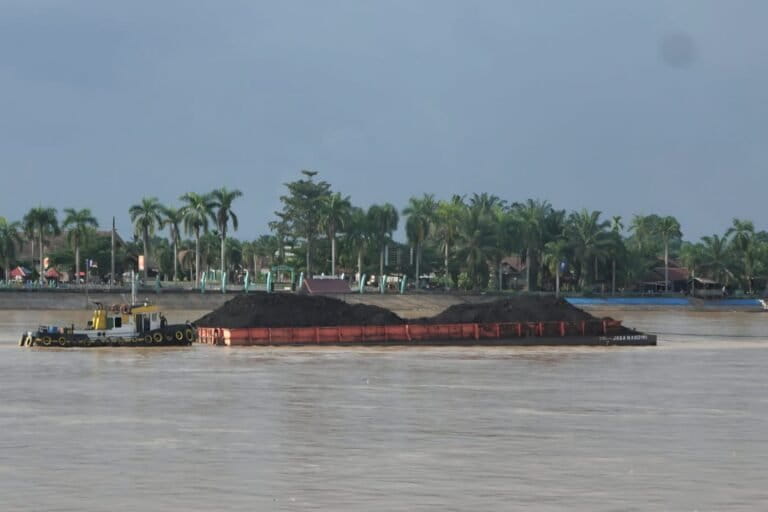
The economic viability of Indonesian coal is increasingly tethered to external factors beyond the government’s control. While coal currently contributes over 5% to Indonesia’s Gross Domestic Product (GDP)—peaking at 6.6% in 2022—this prosperity is built on fragile foundations. The 2022 windfall was largely a domino effect of the Russia-Ukraine conflict, which disrupted global energy supplies and sent coal prices to historic highs. However, analysts warn that such geopolitical anomalies do not constitute a stable long-term market trend.
Importantly, Indonesia’s primary export markets are undergoing a structural shift. China, the world’s largest coal consumer and a major destination for Indonesian exports, is diversifying its supply chain by pivoting toward Mongolia and Russia. Furthermore, Beijing is aggressively expanding its domestic renewable energy capacity, signaling a gradual but definitive reduction in coal reliance. As China and other major importers move toward net-zero targets, Indonesian coal producers face the prospect of a shrinking market and increased competition from lower-cost or more strategically located suppliers.
The Environmental and Social Cost of Extraction
Beyond the economic risks, the environmental degradation caused by the coal industry has reached a tipping point. Haris Retno Susmiyati, a mining law expert from Mulawarman University, points out that mining concessions now cover approximately 10.46 million hectares—equivalent to 44% of Indonesia’s total landmass. This expansion has positioned Indonesia as one of the four countries with the highest rates of tropical deforestation specifically linked to large-scale mining.
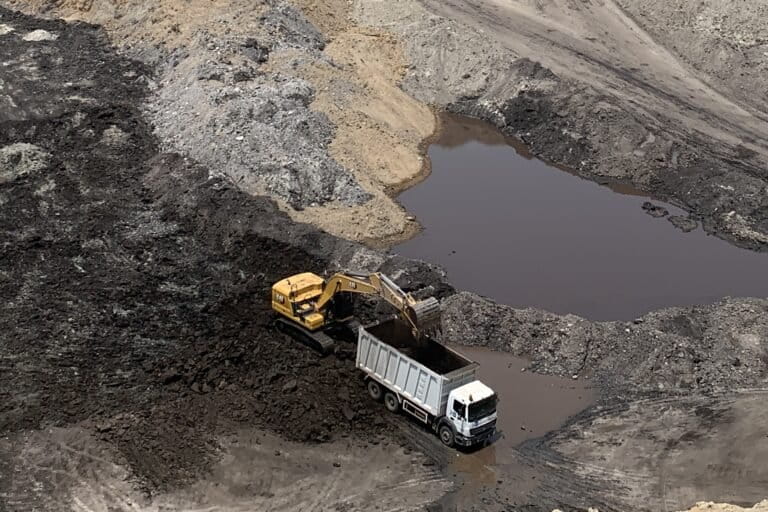
The Mining Advocacy Network (Jatam) reports that this massive land grab extends to 35 small islands, covering over 351,000 hectares of fragile ecosystems. The legacy of this extraction is visible in the 3,092 abandoned mining pits that remain un-reclaimed across the archipelago. These pits are not merely environmental scars; they are lethal hazards. Jatam records indicate that at least 143 lives have been lost due to accidents in these abandoned sites, often involving children.
The social impact is also gendered. Primi Suharmadhi Putri, an academic from Gadjah Mada University, notes that women in mining-affected areas suffer disproportionately. The destruction of local watersheds by mining activities forces women to travel further for clean water and destroys traditional livelihoods tied to agriculture and foraging, deepening poverty in rural communities.
Regulatory Challenges and the Legal Landscape
The current regulatory environment in Indonesia has come under intense scrutiny for allegedly prioritizing ease of investment over environmental and social safeguards. Law No. 2 of 2025 concerning Mineral and Coal Mining has been criticized for expanding access to mining permits to a wider array of entities, including cooperatives, small and medium enterprises (SMEs), and even religious organizations (ormas). Critics argue that this democratization of mining permits could lead to a proliferation of poorly managed sites with even less oversight than current large-scale operations.
Furthermore, the legal definition of "mining jurisdiction" has been expanded to include ancestral lands, marine spaces, and the continental shelf, creating significant friction with indigenous communities and coastal residents. Experts also highlight Instruction of the President (Inpres) No. 5 of 2019, which allows for mining exploration within protected forest areas. This regulation effectively permits industrial activity in zones that should be legally shielded from environmental disruption.
In response, legal experts like Retno recommend a more ambitious and permanent moratorium on new mining permits, particularly in coastal areas and small islands, as mandated by Law No. 1 of 2014 on the Management of Coastal Areas and Small Islands. They argue that a moratorium must be accompanied by a rigorous audit of existing permits and that regulations should be elevated from presidential instructions to higher-level statutes (Government Regulations or Acts) to ensure stronger legal enforcement and accountability.
Automation and the Decline of the Mining Workforce
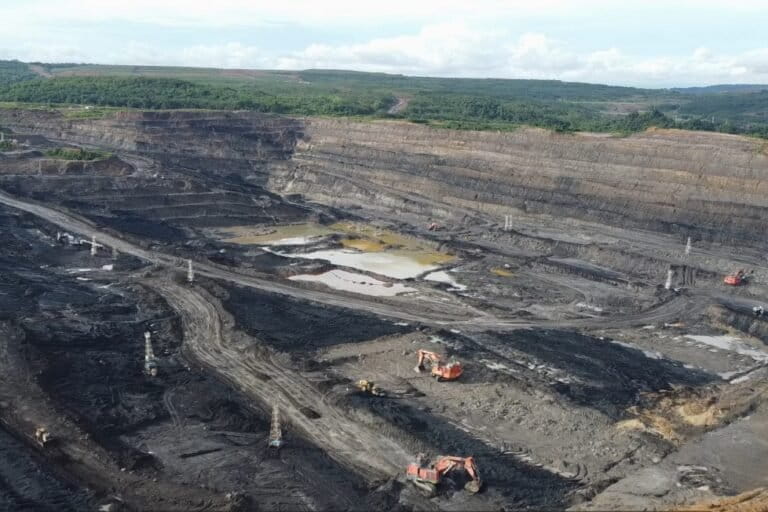
The promise of job creation, often used to justify the expansion of the coal industry, is also beginning to fade. The sector is witnessing a trend toward automation and increased efficiency, which reduces the need for human labor. Large-scale mining operations are increasingly utilizing autonomous heavy machinery and data-driven management systems to cut costs.
"After 2025, the trend for labor demand in the coal sector could stagnate or even decrease," warns Ditto Mohammad Ikhsan. As companies prioritize profit margins in a volatile market, the workforce is often the first to feel the impact of cost-cutting measures. This shift underscores the urgency of preparing for a "Just Transition" that provides alternative employment opportunities for those currently dependent on the coal economy.
The Path Toward a Just Transition
Transitioning away from coal is a complex undertaking that cannot be achieved overnight. Gita Mahyarani, Executive Director of the Indonesian Coal Mining Association (APBI), acknowledges that shifting energy systems requires long-term collaboration and a phased approach. However, the experience of global firms like Anglo American suggests that diversification is possible. While Anglo American initially saw a 26% revenue dip when it began divesting from coal in favor of solar power, the company’s financial health stabilized as it aligned with global green energy trends.
PWYP Indonesia suggests that Indonesian coal players should look toward geothermal, hydro, and solar energy. However, they caution against "false transitions," such as the current rush into nickel mining for electric vehicle batteries, which often replicates the same extractive and destructive patterns as coal mining.
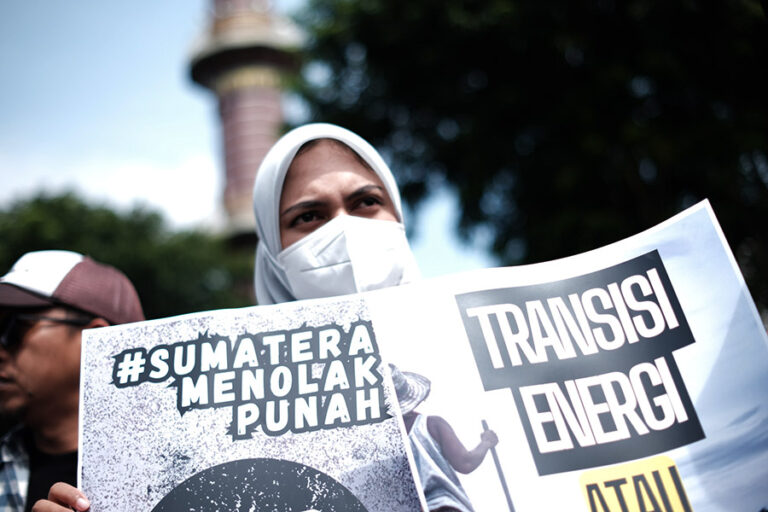
A successful transition must be grounded in the principles of justice. This means:
- Social Protection: Strengthening safety nets for workers displaced by the decline of coal.
- Economic Alternatives: Developing new industries in coal-producing regions to prevent economic collapse.
- Clean Energy Access: Ensuring that the shift to renewables does not lead to energy poverty, but instead provides affordable and equitable electricity for all Indonesians.
- Climate Commitments: Aligning domestic policy with Indonesia’s Second Nationally Determined Contribution (SNDC) targets to meet international climate obligations.
Conclusion: The Necessity of a New Paradigm
The evidence presented by researchers, legal experts, and environmental advocates points to a singular conclusion: the coal industry’s current path is a dead end. The combination of dwindling reserves, a shifting global market, and catastrophic environmental and social costs makes the "business as usual" approach a liability for the nation’s future.
For Indonesia to achieve sustainable prosperity, it must move beyond its dependence on extractive industries. This requires a courageous reevaluation of the legal framework, a firm commitment to environmental restoration, and a strategic investment in the green technologies of the future. The transition will be difficult, but as the costs of coal continue to mount, the cost of inaction will undoubtedly be higher. The goal is not merely to meet climate targets but to build a resilient economy that protects its people and its natural heritage for generations to come.