Azin Asro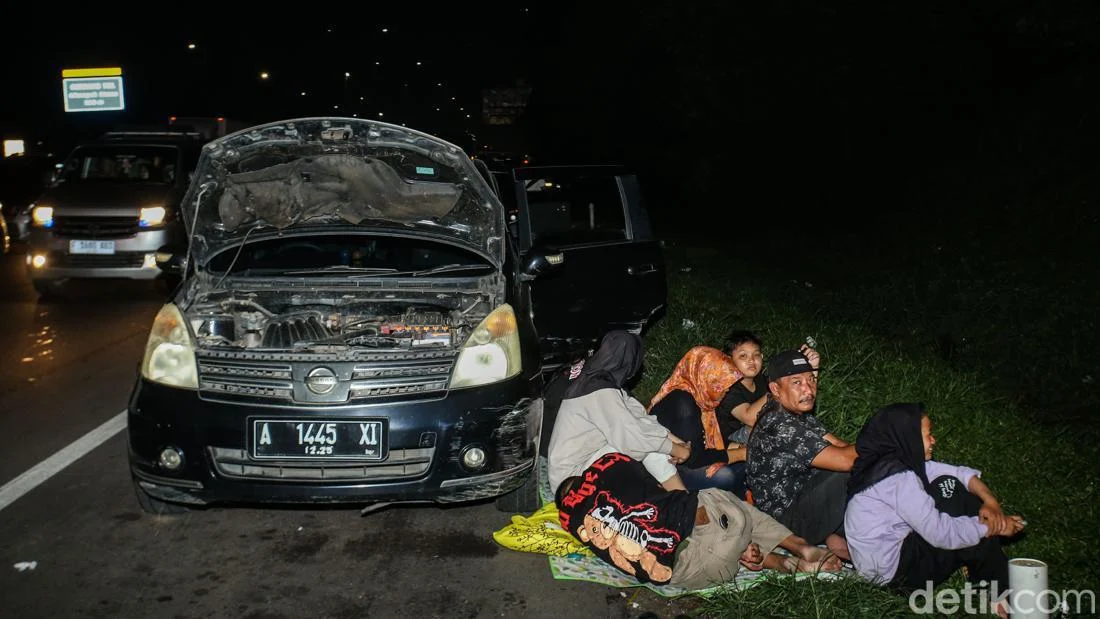
The annual homecoming tradition of Lebaran in 2026 has once again exposed a series of systemic transport issues that experts describe as a "chronic illness" within Indonesia’s infrastructure management. Despite years of planning and the continuous expansion of the Trans-Java and Trans-Sumatra toll networks, the same logistical nightmares—massive congestion at toll gates, e-card balance exhaustion, paralyzed rest areas, and hazardous parking on highway shoulders—have resurfaced with predictable regularity. As the focus shifts from the initial "mudik" departure flow to the "arus balik" or return flow, the National Transportation Safety Committee (KNKT) has voiced stern criticism regarding the lack of evolution in how the government and toll road operators handle the surge of tens of millions of travelers.
Senior Investigator for the KNKT, Ahmad Wildan, characterized the current situation not as a series of isolated technical glitches, but as a fundamental failure of a system that refuses to learn from its history. Speaking to the media following field observations during the peak of the 2026 Lebaran season, Wildan noted that the repetitive nature of these crises suggests that the current strategies have reached their absolute ceiling. The "rutinitas tahunan" or annual routine of chaos has become an accepted but dangerous norm, leading to increased risks of fatal accidents and significant economic inefficiency.
The Structural Failure of Rest Area Management
At the heart of the 2026 crisis is the total collapse of the rest area system along the Trans-Java toll road. Originally designed as temporary stopping points for long-haul drivers to refresh and refuel, these facilities have become major bottlenecks that paralyze the entire highway ecosystem during the Lebaran period. According to KNKT observations, the capacity of these rest areas is nowhere near sufficient to handle the exponential surge in vehicle volume, which in 2026 saw a projected increase of nearly 15% compared to previous years.
The paralysis of rest areas creates a domino effect. When a rest area reaches its maximum capacity, the entrance becomes blocked by vehicles queuing to enter, spilling back into the main lanes of the toll road and creating kilometers of tailbacks. Inside the facilities, the sheer density of people and vehicles makes it nearly impossible for the areas to fulfill their primary function: providing a safe space for drivers to combat fatigue. Wildan emphasized that the design of these areas is fundamentally flawed for seasonal surges. They are built for average daily traffic (LHR) and cannot be reasonably expanded to accommodate a peak that only occurs twice a year.
"Even if we strictly enforce a 10-minute or 30-minute limit for each vehicle, it will not solve the problem," Wildan explained. "The rate of arriving vehicles far exceeds the rate of those departing. It is a simple matter of physics and volume that the current rest area model cannot overcome." This realization suggests that the focus on optimizing internal rest area flow is a dead-end strategy that fails to address the scale of the Lebaran exodus.
The Dangerous Reality of Shoulder Parking
Perhaps the most visible and hazardous symptom of the "chronic illness" is the sight of hundreds of vehicles parked on the highway shoulders. When rest areas are full, exhausted drivers—often traveling with young children or elderly relatives—feel they have no choice but to stop wherever they can. This behavior, while understandable from a human perspective, is a critical safety violation that turns the toll road into a high-risk zone.
The shoulder of a highway is designated for emergency use only. When used as a makeshift rest area, it narrows the usable road space and creates a high-speed collision risk. Vehicles traveling at 80-100 km/h in the left lane are inches away from stationary cars where people may be stepping out to stretch or rest. Wildan noted that the system, in its current state, effectively traps drivers in a "lose-lose" situation: they must either continue driving while dangerously fatigued, which is a leading cause of fatal accidents, or stop in an unauthorized and dangerous location.
"We cannot simply blame the drivers," Wildan stated firmly. "Don’t just ban them or chase them away. They stop because the system has failed to provide a viable alternative. If they are forced to keep driving in a state of exhaustion, we are essentially inviting a tragedy." The KNKT’s data from previous years shows that a significant percentage of "tabrak belakang" (rear-end) collisions during Lebaran are linked to vehicles parked on the shoulder or drivers falling asleep at the wheel due to a lack of available rest facilities.
Analyzing the "Chronic Illness" of Toll Infrastructure
To understand why these problems persist in 2026, it is necessary to look at the data and the historical context of Indonesian infrastructure development. Since the completion of the Trans-Java Toll Road, the number of private vehicles used for mudik has skyrocketed. In 2024, the Ministry of Transportation estimated that over 190 million people traveled during the Lebaran period, with a substantial portion utilizing the toll networks. By 2026, with the post-pandemic recovery complete and the middle class expanding, that number has only grown.
The "chronic illness" identified by the KNKT consists of several key components:
- Capacity Disparity: The growth of the toll road network has encouraged more people to drive, but the supporting infrastructure (rest areas, exit gate capacity, and digital payment systems) has not grown at the same rate.
- Digital Friction: Despite the transition to "Multi-Lane Free Flow" (MLFF) and other electronic payment systems, many travelers still face issues with e-card balances or sensor failures, leading to massive queues at gates like Cikatama and Kalikangkung.
- Psychological Barriers: There is a strong psychological reluctance among drivers to exit the toll road to find rest in local towns. Drivers fear that if they exit, they will get stuck in local traffic or be forced to pay significantly more in cumulative toll fees when they re-enter.
The Proposed Solution: Advisory Routes and External Integration
The KNKT has proposed a radical shift in strategy: moving the "rest" function out of the toll road and into the surrounding regions. Wildan advocates for the implementation of "advisory routes," a system where travelers are actively encouraged and guided to exit the toll road to use facilities in nearby towns and cities.
This approach would require a multi-agency effort. The Ministry of Transportation, the Ministry of Public Works (PUPR), and local governments would need to coordinate to ensure that:
- Financial Neutrality: Drivers who exit the toll road to rest and then re-enter should not be penalized with higher fares. A "single-tariff" or "transit-discount" system could be integrated into the digital payment backend.
- Facility Readiness: Local towns along the Trans-Java route, such as Cirebon, Pemalang, Batang, and Pekalongan, must be prepared with designated "Mudik Hubs" that offer food, fuel, and rest areas that are as accessible as those on the toll road.
- Real-Time Information: Digital signage and mobile applications (such as Travoy or Google Maps) must provide real-time data on rest area occupancy, directing drivers to the nearest available exit if toll-side facilities are full.
"The solution is outside the toll road," Wildan argued. "We need to design a system where exiting the highway to rest is seen as a faster and more comfortable option than staying on it. This not only solves the congestion issue but also provides a significant economic boost to the local economies of the towns passed by the toll road."
Economic and Safety Implications
The persistence of these transport issues carries heavy implications for Indonesia. From an economic standpoint, the hours lost in traffic jams represent a massive waste of fuel and productivity. More importantly, the safety implications are dire. Fatigue is often cited by the KNKT as a primary factor in accidents involving private cars and buses during the Lebaran season.
If the 2026 season does not serve as a turning point for policy changes, the "chronic illness" will likely worsen as vehicle ownership continues to rise. The KNKT’s findings suggest that the government must move beyond temporary "band-aid" solutions like contraflow lanes and one-way policies. While these measures help manage vehicle flow, they do nothing to address the biological needs of the human beings inside those vehicles.
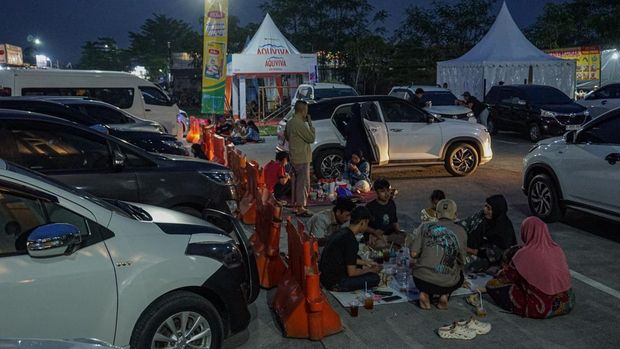
The 2026 mudik season should be remembered as the year the limitations of the "toll-centric" model were fully exposed. The images of families breaking their fast on the side of a dusty highway in Pemalang or Batang are not just "human interest" stories; they are evidence of a systemic failure to provide basic service levels to citizens.
A Call for Inter-Agency Synergy
As the "arus balik" concludes and the government begins its annual evaluation of the Lebaran transport performance, the message from the KNKT is clear: the current approach is unsustainable. The "chronic illness" requires a "surgical" intervention that involves rethinking the relationship between toll roads and the regions they traverse.
Future planning for 2027 and beyond must prioritize the "Advisory Route" concept. This requires the Ministry of Transportation to take a lead role in regional coordination, ensuring that local mayors and regents are part of the national mudik strategy. Furthermore, toll road operators like Jasa Marga must be incentivized to view their role not just as road providers, but as part of a holistic travel experience where safety and driver well-being are prioritized over maximum throughput.
Without a fundamental shift in how the nation manages its most significant annual migration, the scenes of 2026—the stalled cars, the overflowing rest areas, and the dangerous shoulder parking—will inevitably repeat. The "chronic illness" of the Lebaran mudik is treatable, but it requires the political will to look beyond the toll gates and integrate the journey into the broader national landscape. The safety of millions of Indonesians depends on the transition from a system that merely moves vehicles to one that truly cares for the people within them.