Nila Kartika Wati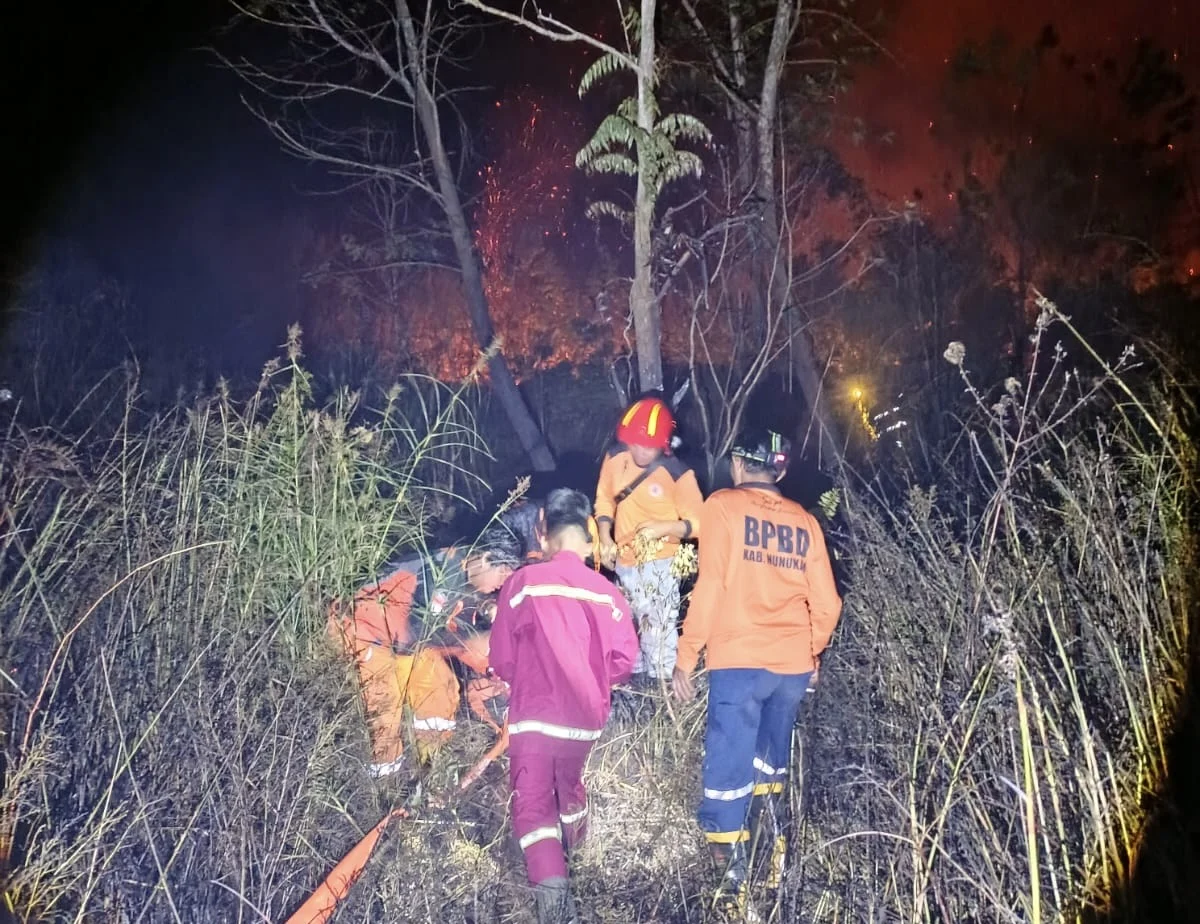
The escalation of forest and land fires, locally known as karhutla, has begun to manifest across several strategic regions in Indonesia, with North Kalimantan emerging as a significant focal point of concern. As the dry season approaches, the province is grappling with a surge in fire incidents that experts attribute to a volatile combination of erratic weather patterns, aggressive industrial expansion, and systemic failures in forest management. Recent data and field reports suggest that the frequency and intensity of these fires are not merely seasonal anomalies but are deeply rooted in the socio-economic pressures of land acquisition and the limitations of current monitoring frameworks.
In the early months of 2026, the situation in North Kalimantan has already shown signs of deterioration. According to the Regional Disaster Management Agency (BPBD) of North Kalimantan, the province recorded 103 fire incidents throughout 2024. By August 2025, seven major fires had already been documented, setting a concerning precedent for the current year. The most recent significant event occurred in Tanjung Cantik, Binusan Village, located in the Nunukan Regency, where a fire decimated approximately five hectares of land on March 9, 2026. This incident serves as a microcosm of the broader challenges facing the region, highlighting the speed at which localized burning can spiral out of control.
Chronology of the Binusan Village Fire
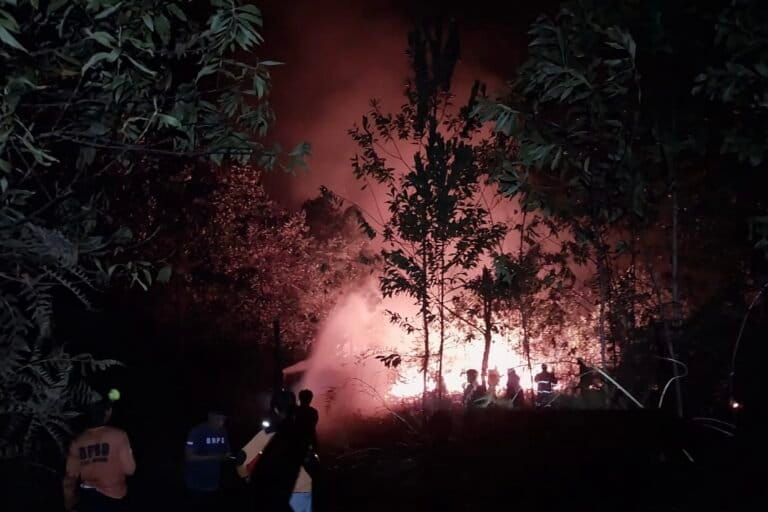
The fire in Binusan Village began in the late afternoon, a time when many residents were preparing for evening activities. Hasanuddin, the Head of the Rescue Sub-Division at BPBD Nunukan, reported that his office received the first notification of the blaze at approximately 18:20 WITA, just as the local community was preparing for the break of fast. The information was relayed by BPBD personnel stationed near the area, who witnessed smoke plumes rising from the Tanjung Cantik sector.
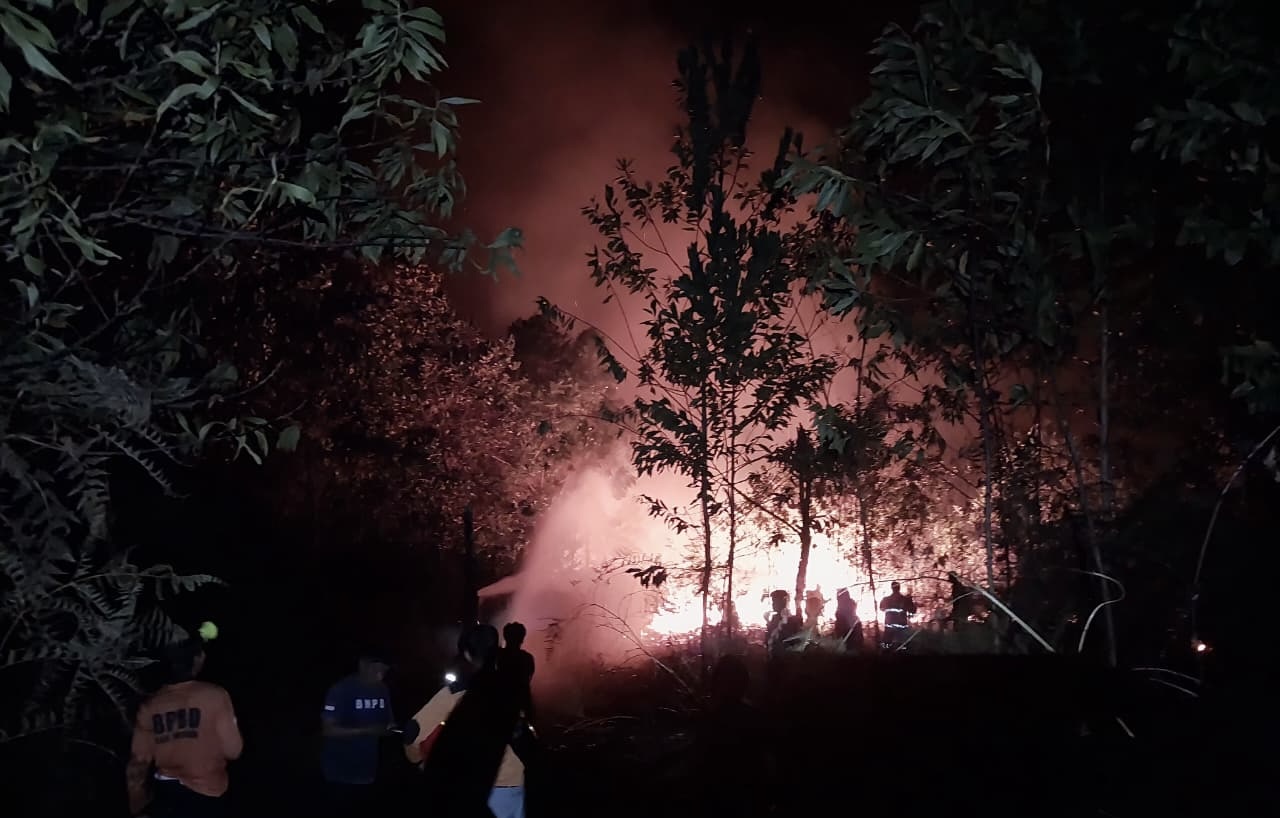
Upon receiving the alert, emergency response teams were immediately dispatched to the site. However, the intervention was complicated by the timing and the rapid spread of the flames. The firefighting efforts were a collaborative endeavor, involving BPBD units, the Fire-Aware Community (Masyarakat Peduli Api or MPA), and local residents who utilized whatever equipment was available to contain the perimeter.
Preliminary investigations by the BPBD suggest that the fire likely originated from traditional land-clearing activities. Residents or land owners often use fire as a cost-effective method to clear brush and prepare the soil for planting. In this instance, the practice turned catastrophic due to environmental conditions. High wind speeds and a prolonged absence of rainfall—recorded at six consecutive days of extreme dryness—transformed the small clearing fires into an uncontrollable conflagration. The flames were eventually suppressed near midnight, around 23:00 WITA, but not before consuming five hectares, a significant portion of which consisted of productive oil palm plantations belonging to at least three local landowners.
Statistical Trends and the "Invisible" Fire Threat
The data emerging from North Kalimantan paints a grim picture of environmental degradation. In 2024, the total area of burned land exceeded 2,400 hectares, a staggering increase from the approximately 790 hectares recorded in 2023. This nearly three-fold increase in burned acreage within a single year indicates that existing mitigation strategies are struggling to keep pace with the drivers of fire.
Hasanuddin, who also serves as the Head of the Section for Protection of KSDAE and Community Empowerment at the Nunukan Forest Management Unit (KPH), noted that eight distinct fire cases have already been recorded in Nunukan alone since the start of 2026. While these fires have primarily occurred on community-owned lands rather than within primary forest reserves, their cumulative impact is substantial.
One of the most insidious aspects of the current fire trend is the prevalence of "small-scale" fires. Hasanuddin explained that many of these incidents involve areas of less than one hectare. Because of their size, they often fail to trigger satellite-based "hotspot" detection systems used by national agencies. "These fires are small and scattered, which makes them difficult to monitor via satellite, yet they are numerous enough to cause significant cumulative damage," he stated. Before the Binusan incident, the total burned area across the eight identified points in Nunukan reached approximately seven hectares; with the inclusion of Binusan, the total for the regency has quickly climbed toward 12 hectares in the first quarter of the year alone.
Industrial Expansion and the Exploitation of Local Communities
While weather is a contributing factor, environmental advocates argue that the root causes are largely anthropogenic and structural. Darwis, the Secretary of Green of Borneo, an environmental non-governmental organization, asserts that the fires in North Kalimantan are the result of a "multisectoral impact" involving industrial palm oil expansion and weak institutional oversight.
Darwis pointed to a historical pattern of fire incidents, such as those in the Bulungan Regency in 2019, where corporate entities were found to be involved in fires within their concession areas. However, a more complex "modus operandi" has emerged in recent years. According to findings by Green of Borneo, some corporations allegedly exploit local communities to clear land within protected forest zones. By encouraging or facilitating residents to use fire for land preparation, companies can distance themselves from the legal repercussions of illegal land clearing while still benefiting from the eventual expansion of plantation frontiers.
"Our field observations indicate that certain actors are operating within protected forests, such as those on Nunukan Island, by utilizing locals as a front for land acquisition," Darwis explained. This strategy exploits the legal loopholes surrounding traditional farming rights and makes it difficult for authorities to hold the true beneficiaries of the land clearing accountable.
The Governance Gap and Institutional Failures
The recurring nature of these fires suggests a profound failure in forest governance. Critics argue that the current system of oversight is reactive rather than proactive. In North Kalimantan, the Kesatuan Pengelolaan Hutan (KPH) and BPBD are often under-resourced, facing challenges in patrolling vast, remote terrains and responding to fires that occur far from urban centers.
Furthermore, the "seasonal" expectation of fires—usually between June and September—has created a dangerous complacency during the earlier months of the year. The fact that significant fires are occurring as early as March indicates a shift in climate patterns that the current management plans have not fully accounted for. The lack of a robust contingency plan that addresses the specific vulnerabilities of peatlands and high-altitude areas in North Kalimantan exacerbates the risk.
Darwis emphasized that without a fundamental overhaul of how forest land is managed and how corporations are regulated, the cycle will continue. "Almost every city and regency in North Kalimantan is highly vulnerable to forest and land fires, particularly those areas characterized by peat soil and highland terrain," he warned.
Implications for Biodiversity and Climate Goals
The environmental cost of these fires extends far beyond the immediate loss of timber or crops. North Kalimantan is home to some of the most biodiverse ecosystems in the world. While Hasanuddin of the KPH suggested that the recent fires were too small to have a major impact on wildlife, environmentalists argue that the fragmentation of habitats caused by repeated small-scale burning eventually leads to the displacement of flagship species, including orangutans and various endemic bird species.
Moreover, the release of carbon dioxide from burning vegetation and peat contributes significantly to Indonesia’s greenhouse gas emissions. As the Indonesian government strives to meet its "Folú Net Sink 2030" targets—a commitment to ensure the forestry sector absorbs more carbon than it emits—the uncontrolled burning in Kalimantan poses a direct threat to national climate goals. Every hectare of peatland or forest lost to fire represents a setback in the global effort to mitigate climate change.
The Path Forward: Enforcement and Community Resilience
To address the growing threat of karhutla in North Kalimantan, a multi-pronged approach is required. First, there must be a rigorous enforcement of existing laws, particularly Law No. 32 of 2009 on Environmental Protection and Management, which strictly prohibits land clearing by fire, with limited exceptions for traditional wisdom that are often misused.
Second, there is an urgent need for technological upgrades in fire monitoring. If satellite data is failing to capture small-scale fires, the government must invest in localized drone surveillance and ground-based sensor networks. This would allow for earlier detection and faster response times, preventing small brush fires from becoming regional disasters.
Third, the empowerment of the Masyarakat Peduli Api (MPA) must be prioritized. These community-based groups are the first line of defense, but they often lack the formal training and modern equipment necessary to fight fires safely and effectively. Integrating these groups into a formal provincial disaster response framework could significantly enhance the region’s resilience.
Finally, the government must address the "industrial" driver of fires. This involves conducting thorough audits of land concessions and ensuring that corporations are held strictly liable for any fires that occur within or adjacent to their boundaries. Transparency in land ownership and the digitalization of land titles could help close the loopholes currently exploited by unscrupulous actors.
The fires in North Kalimantan are a stark reminder that the battle against environmental degradation is far from won. As the smoke clears in Binusan Village, the underlying issues of land hunger, weak governance, and a changing climate remain. Without decisive action from both provincial and national authorities, the "signals" of 2024 and early 2026 may be the precursors to an even more devastating environmental crisis in the years to come.