Eko Sulistyo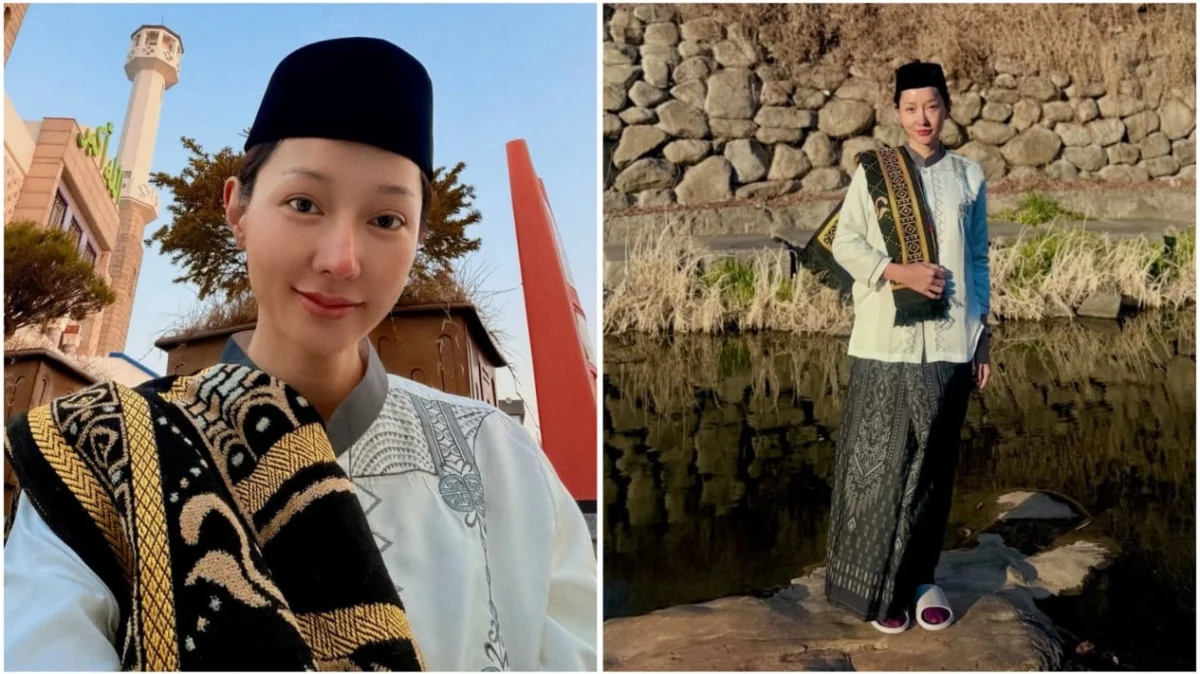
The Indonesian entertainment landscape has once again been captivated by the evolving persona of Lucinta Luna, a figure whose public life has long been defined by dramatic transformations and polarizing media attention. On Tuesday, March 24, 2026, the social media personality became the center of a national conversation following her candid remarks regarding her ongoing efforts to realign her physical appearance with her birth identity. This shift, characterized by a move away from the hyper-feminine aesthetic that catapulted her to fame, has met with a complex mixture of skepticism, criticism, and intense public scrutiny, highlighting the challenging intersection of celebrity culture, gender identity, and societal expectations in Indonesia.
The Genesis of the Transformation: A Symbolic Eid al-Fitr Appearance
The current wave of public interest was catalyzed by a series of deliberate choices made by Lucinta Luna during the recent Eid al-Fitr celebrations. In a move that departed significantly from her established public image, she appeared in traditional masculine Islamic attire, including a peci (a traditional cap) and a sarung. For a public figure who had spent years undergoing numerous cosmetic procedures to achieve a specific feminine ideal, this visual return to traditional male garments was viewed by many as a profound symbolic statement.
Following this initial appearance, Lucinta Luna began documenting further changes to her aesthetic. This included a transition from long, flowing hair—often facilitated by high-quality wigs—to a shorter, more traditionally masculine haircut inspired by contemporary South Korean male styling trends. Despite these visible efforts to alter her presentation, the reception from the Indonesian digital community, often referred to as "netizens," was largely characterized by cynicism. Many observers questioned the sincerity of the transition, labeling it a temporary publicity stunt or a calculated move to remain relevant in a rapidly changing media environment.
Responding to Criticism: The "Gojek" Analogy and the Reality of Change
In a series of emotional statements shared via her social media platforms, Lucinta Luna addressed the deluge of negative comments. She expressed deep frustration with the public’s demand for an instantaneous transformation, emphasizing that the process of reclaiming one’s original identity—both physically and psychologically—is an arduous journey that cannot be rushed.
"If you want something instant in an hour, just take a Gojek," she remarked, using a popular Indonesian ride-hailing service as a metaphor for the unrealistic expectations placed upon her. She explained that even the act of adopting a masculine haircut required significant mental fortitude, particularly as she navigates the transition using human hair wigs to gradually acclimate to her new look. "In the beginning, just having my hair cut like a Korean man resulted in me being insulted," she added, highlighting the immediate backlash that accompanied her first steps toward change.
Her plea to the public was one of patience and moral support. She articulated a desire for her audience to allow her the space to experience this "learning process" without the constant pressure of judgment. Her statements suggested that the psychological weight of the transition is compounded by the lack of a supportive environment, stating that what she truly needs to hear are words of encouragement, such as acknowledging that a specific masculine style suits her.
A Comparative Analysis of Social Climates: Indonesia vs. South Korea
A significant portion of Lucinta Luna’s recent discourse involved a comparison between her experiences in Indonesia and her time spent in South Korea. Having spent approximately a month in South Korea for various purposes, she noted a stark contrast in how she was perceived and treated by the general public. According to her accounts, the social environment in Korea provided a sense of peace and acceptance that she finds lacking in her home country.
"During the month I have been here in Korea, not a single person has showered me with hate. Instead, it is my own country that is protesting so much. This is a trial," she stated. This observation points to a broader sociological phenomenon regarding the "uncivil" nature of digital discourse in Indonesia, which has been documented in various international studies on internet etiquette. The contrast she highlighted suggests that the cultural pressure to conform to specific religious and social norms in Indonesia creates a more volatile environment for public figures who exist outside of traditional binaries or who undergo highly public identity shifts.
Historical Context: The Arc of Lucinta Luna’s Public Identity
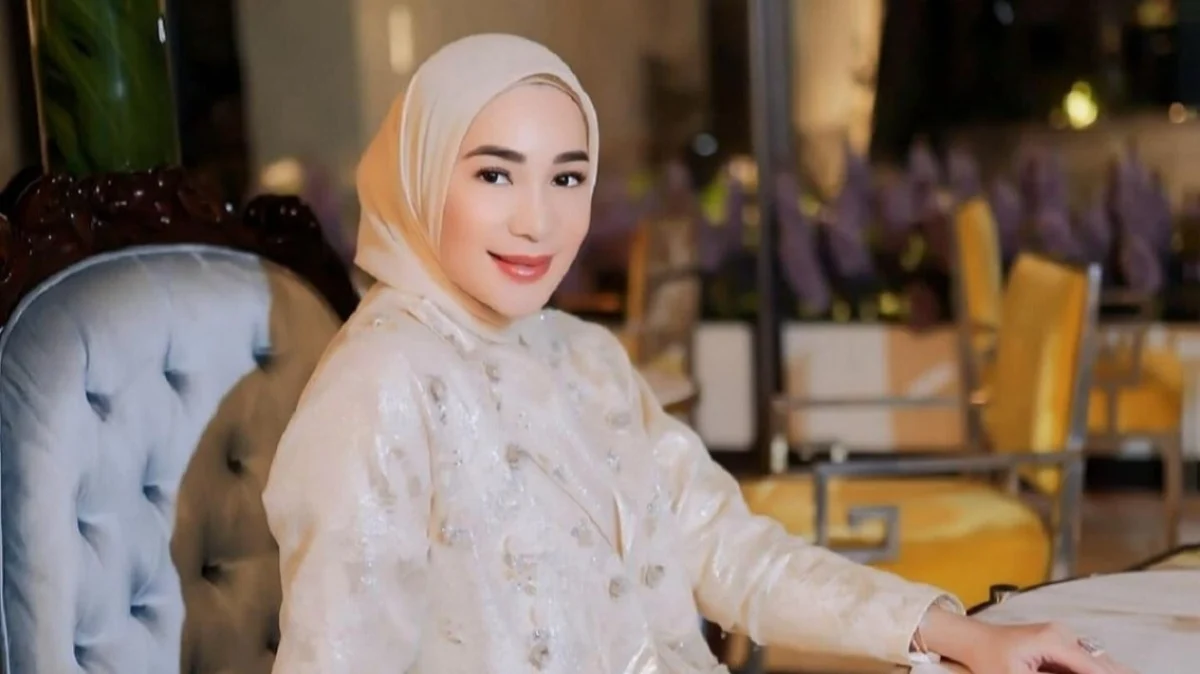
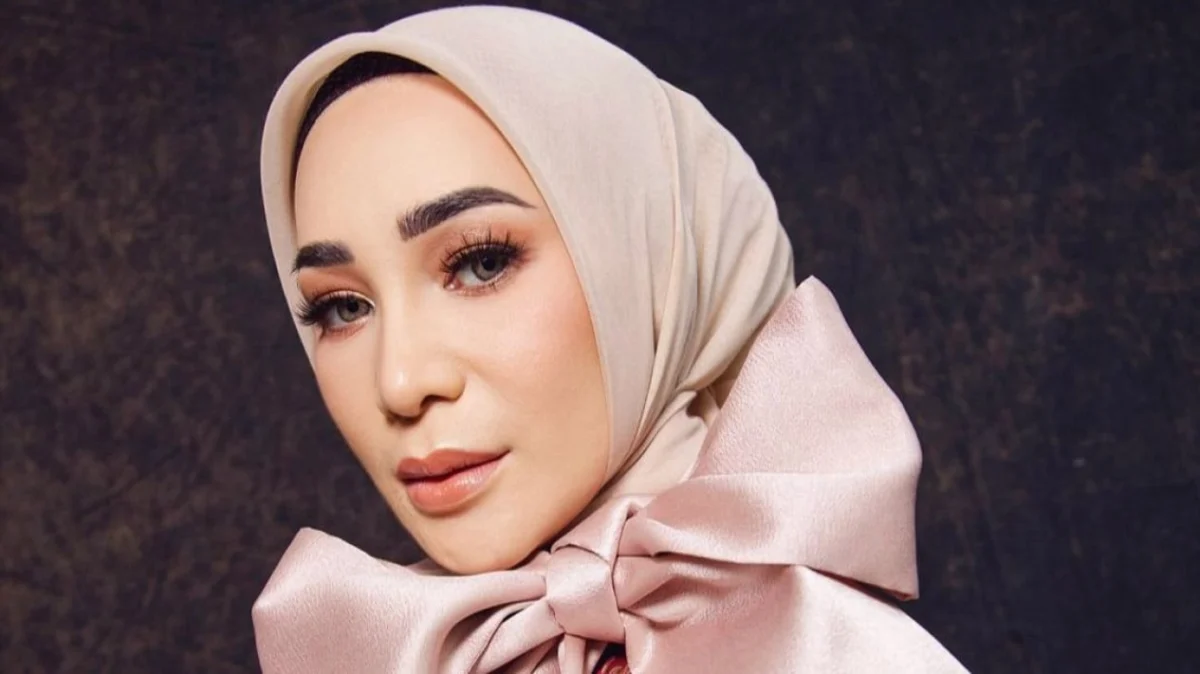
To understand the intensity of the current backlash, one must look at the historical trajectory of Lucinta Luna’s career. Emerging in the late 2010s as a member of the musical duo "Duo Bunga," she quickly became a household name, though her fame was frequently overshadowed by intense speculation regarding her gender. For years, she maintained a stance of ambiguity or outright denial regarding her birth sex, even as legal documents and old photographs surfaced suggesting a previous identity as Muhammad Fatah.
Her journey has been marked by extreme physical modifications. Over the years, she has openly discussed undergoing numerous surgeries, including rhinoplasty, jaw contouring, and vocal cord surgery, largely performed in clinics across Thailand and South Korea. These procedures were aimed at achieving a "Barbie-like" feminine perfection. Consequently, her current attempt to "return to nature" (often referred to in Indonesia as kembali ke kodrat) is viewed through a lens of extreme skepticism because it contradicts years of intensive effort to move in the opposite direction.
Furthermore, her past legal troubles, including a 2020 arrest related to psychotropic substances, placed her in a unique position within the Indonesian legal system, where she was eventually placed in a female detention cell following a court-recognized gender change. This legal history adds a layer of complexity to her current transition, as it involves not just social presentation but the potential reversal of a hard-won legal status.
Societal Implications and the "Hijrah" Phenomenon
The scrutiny Lucinta Luna faces is also deeply rooted in the Indonesian concept of hijrah. In a contemporary context, hijrah refers to a celebrity’s public decision to become more observant of Islamic principles, often involving a change in dress code and lifestyle. When celebrities announce a "return to their nature," the Indonesian public often holds them to an impossibly high standard of piety and consistency.
In Lucinta Luna’s case, the public’s "protest" stems from a perceived lack of authenticity. In a society where religious and traditional values are paramount, a transition that appears gradual or experimental is often dismissed as "playing with religion" or "mocking the natural order." This creates a paradox where the celebrity is criticized for their past actions but also denied the grace to transition toward a more traditional identity at their own pace.
Psychological Toll and the Impact of Cyberbullying
The situation highlights the severe mental health implications of being a public figure in the age of social media. Lucinta Luna’s admission that she is seeking "peace and tranquility" suggests that the constant barrage of online vitriol has a tangible impact on her well-being. Psychologists often point out that "de-transitioning" or shifting identity in the public eye is one of the most stressful experiences a person can undergo, as it involves a public admission of previous "errors" or a change of heart that invites global commentary.
The Indonesian digital landscape is notorious for its "cancel culture" and aggressive commenting sections. Data from various digital civility indices often rank Indonesian netizens among the most aggressive in the world. For an individual like Lucinta Luna, who has built a career on visibility, the very platform that provided her with wealth and fame has become a source of significant psychological distress during her period of personal realignment.
Future Outlook: Career Rebranding and Public Acceptance
As Lucinta Luna continues her journey through 2026, the long-term impact on her career remains uncertain. In the short term, the controversy ensures she remains a trending topic, which is the lifeblood of the influencer economy. However, for a sustainable future, she faces the challenge of rebranding herself in a way that resonates with a public that is both fascinated by and judgmental of her life choices.
The shift toward a "Korean male" look may be a strategic middle ground—a way to embrace masculinity while maintaining the "K-Pop" aesthetic that is highly popular and marketable in Indonesia. By framing her transition as a "process" and a "learning experience," she is attempting to manage expectations, though the success of this strategy depends entirely on the public’s willingness to grant her the empathy she seeks.
Conclusion: A Reflection of Contemporary Indonesian Values
The story of Lucinta Luna’s attempted return to her original identity is more than just a piece of celebrity gossip; it is a reflection of the tensions within contemporary Indonesian society. It illustrates the clash between individual identity exploration and the rigid expectations of a conservative public. It also underscores the power of social media to act as both a platform for self-expression and a tool for collective surveillance and discipline.
As the year progresses, the public will likely continue to monitor "Mas Fatah’s" progress with a critical eye. Whether Lucinta Luna can successfully navigate this transition and find the "peace" she experienced in Korea remains to be seen. What is clear, however, is that her journey serves as a high-profile case study in the complexities of identity, the harsh reality of digital fame, and the slow, often painful nature of personal transformation in the spotlight.