Lusiana Hamidun
Creating captivating eye makeup, whether a subtle enhancement or a bold statement, is a powerful way to elevate an overall look. It highlights natural features and guides product application. However, individuals with hooded eyes are intimately familiar with the often frustrating process of trial and error, striving to achieve a lifted appearance while simultaneously combating smudging, transfer, and the dreaded disappearing act of eyeshadow with every blink. This unique eye shape, characterized by a prominent brow bone that casts a shadow over the eyelid crease when the eyes are open, presents distinct challenges that require a tailored approach to makeup application. Understanding these nuances is key to unlocking the full potential of eye makeup for those blessed with hooded eyes.
"Applying makeup to hooded eyes requires a specific skill set because the natural structure of the eye alters how and where the makeup appears," explains Heather Jackson, Education Manager UK&I for Bobbi Brown. Unlike conventional eyeshadow application, where depth and color are typically placed directly into the natural crease, this crease becomes obscured when the eyes are open on hooded eyes. This fundamental difference necessitates a strategic rethinking of placement and blending techniques to ensure the intended visual effect is achieved and maintained throughout the day.
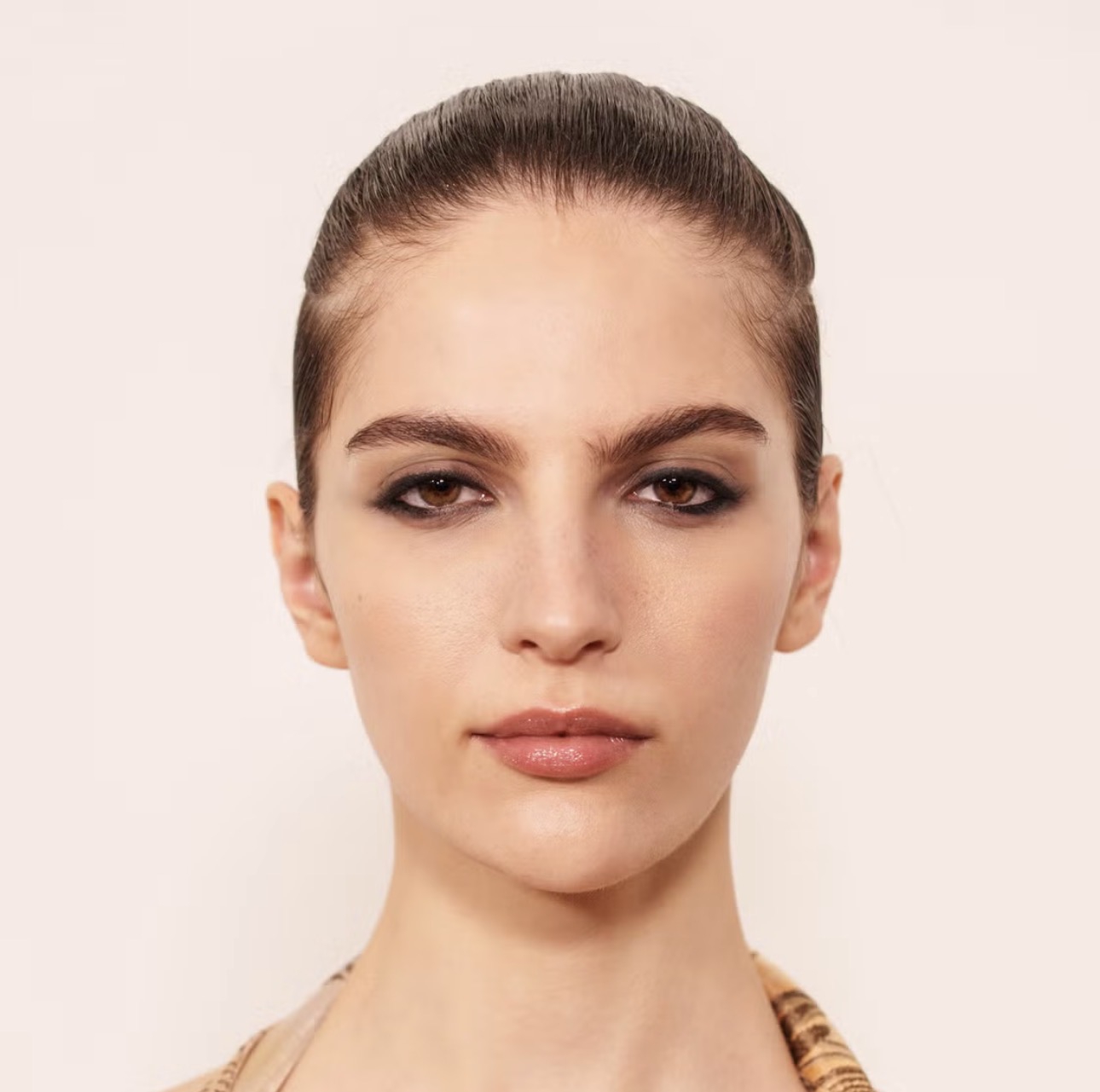
The pursuit of a polished and enduring eye makeup look for hooded eyes has long been a topic of discussion among beauty enthusiasts and professionals alike. Trends in eye makeup, from the classic smoky eye to more contemporary graphic liner looks, often need adaptation to suit the specific architecture of hooded eyes. Historically, makeup tutorials have often focused on eye shapes where the crease is readily visible, leaving many with hooded eyes searching for guidance that directly addresses their concerns. This article aims to provide a comprehensive guide, covering everything from strategic eyeshadow placement to defining the eyes with eyeliner, offering actionable advice for achieving a lifted, defined, and long-lasting makeup look.
Key Considerations for Hooded Eye Makeup Application
"Placement is paramount when working with hooded eyes," emphasizes Heather Jackson. This core principle underscores the necessity of ensuring that applied eyeshadow remains visible when the eyes are open, not just when they are closed. The illusion of depth and dimension needs to be constructed in a way that is apparent under natural viewing conditions.
Celebrity makeup artist Zoë Taylor elaborates on this point: "When applying makeup to hooded eyes, you need to create shape by emphasizing the socket area higher than its natural position. Often, you will also play with more color underneath the eye to give the illusion of a larger size." This technique involves essentially "drawing" a new crease above the natural one, a method known as "creating a cut crease" or "floating crease." By extending the eyeshadow upwards and outwards, the visible lid space is visually expanded, and the hooded element is softened. Furthermore, utilizing color on the lower lash line can further enhance the perception of eye size and shape, balancing the overall composition.
The choice of eyeshadow formula also plays a crucial role in simplifying the application process and ensuring longevity. Heather recommends opting for formulas that are long-wearing, waterproof, and matte. "Eyeshadow sticks, in particular, are highly recommended," she states. "These products are easy to apply and can be used for priming, lining, defining, or highlighting with various shades." The cream-to-powder finish of many eyeshadow sticks offers a smooth application, excellent blendability, and often superior adherence, minimizing the risk of fallout and creasing. Their versatility allows for quick application on the go and can serve as a robust base for further layering.
The beauty industry has responded to the growing demand for products tailored to specific eye shapes with an influx of innovative formulations. The development of primers specifically designed to combat creasing and transfer, alongside eyeshadows with advanced long-wear technology, has made achieving professional-looking results more accessible for individuals with hooded eyes. The focus on matte finishes, as highlighted by experts, is rooted in the fact that matte textures tend to adhere better and are less prone to accentuating texture or creasing compared to shimmers, which can sometimes highlight the hooded area if not applied strategically.
Optimal Techniques for Hooded Eye Makeup
Whether you are a makeup novice or seeking a sophisticated yet minimal daily routine, the following step-by-step guide offers the most effective methods for enhancing hooded eyes. This routine prioritizes techniques that create the illusion of a more open and lifted eye, ensuring the makeup remains visible and impactful throughout the day.
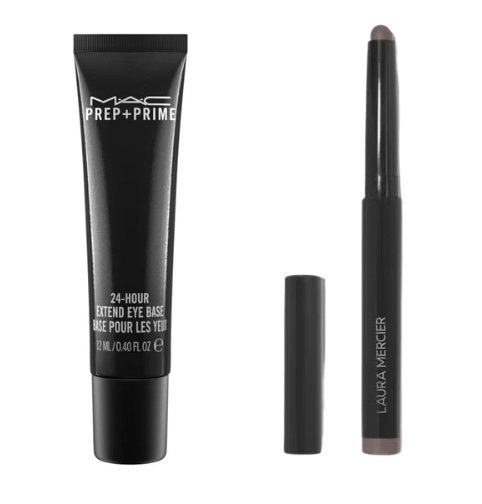
1. Prime the Eyelids for Longevity
"You are likely to experience eyeliner transfer when working on hooded lids, so I always suggest starting with an eyeshadow primer or a matte eyeshadow stick," advises Zoë Taylor. Eyeshadow sticks are known for their quick setting time, allowing for seamless color layering. Zoë adds that choosing a shade close to your skin tone is an ideal choice, as this "primer" shade will appear virtually invisible, providing a neutral base without adding unwanted pigment that could interfere with subsequent colors.
The importance of a good primer cannot be overstated for hooded eyes. The excess skin that folds over the eyelid crease can cause traditional eyeshadows and eyeliners to crease and transfer within a few hours, diminishing the makeup’s impact. A dedicated eyeshadow primer creates a smooth canvas, enhances the vibrancy of eyeshadows, and crucially, provides a barrier that prevents makeup from migrating into the hooded area. Matte formulas are often preferred because they absorb excess oil and create a dry surface that grips makeup more effectively.
The market offers a wide array of primers, from sheer balms to more pigmented formulas. For hooded eyes, a primer that offers a slight tackiness to grip powder products, or a matte formula that provides a smooth, dry base, is highly beneficial. Brands like MAC and Laura Mercier, known for their long-wearing cosmetics, offer primers that have become staples for those battling makeup longevity issues. The selection of a skin-tone-matching primer is particularly useful as it can also serve as a base layer that subtly evens out eyelid discoloration without adding significant color, making it a versatile first step.
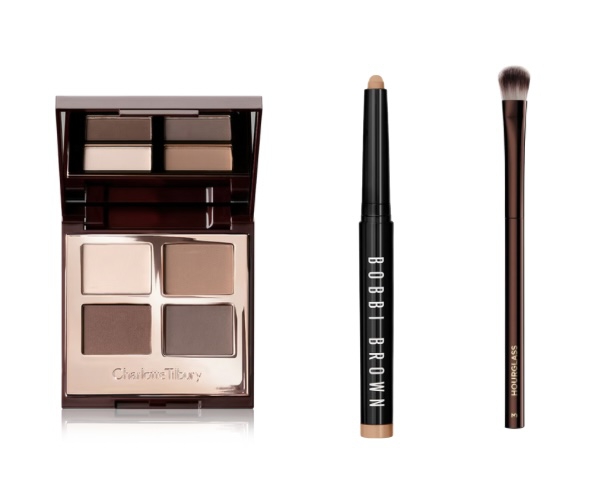
2. Apply a Base Color Strategically
If you prefer using powder eyeshadows, opt for matte formulas to avoid a patchy finish. Zoë suggests blending a neutral color (nude or warm taupe works well with all eye colors) across the entire lid, then "checking with a relaxed expression to see if you need to build the color higher on the lid so it remains visible." This crucial step of checking with a relaxed expression is the hallmark of successful hooded eye makeup. It allows you to visualize how the makeup will appear during everyday activities, ensuring that the intended shape and color are not lost when your eyes are naturally open.
Alternatively, if using an eyeshadow stick, Heather recommends swiping a light shade back and forth across the lid, starting from the lash line and moving upwards towards the crease. "To blend, use a fluffy brush and gently sweep towards the brow bone for a diffused, seamless finish," she instructs. The upward sweep is designed to lift the eye and create the illusion of more lid space. When blending, the key is to diffuse the color softly upwards, ensuring that the blended edge extends beyond the natural crease and into the hooded area, making it visible when the eye is open.
The choice between powder and cream formulas often comes down to personal preference and desired finish. However, for hooded eyes, cream-based products like eyeshadow sticks can offer superior adhesion and blendability, especially when used as a base. Their emollient nature allows them to be worked into the skin, creating a smooth, even surface that is less prone to creasing than a dry powder. The ability to build color gradually is also a significant advantage, allowing for precise control and minimizing the risk of over-application. The use of a fluffy brush for blending is essential to ensure that the edges of the color are soft and diffused, preventing harsh lines that can detract from the lifted effect.
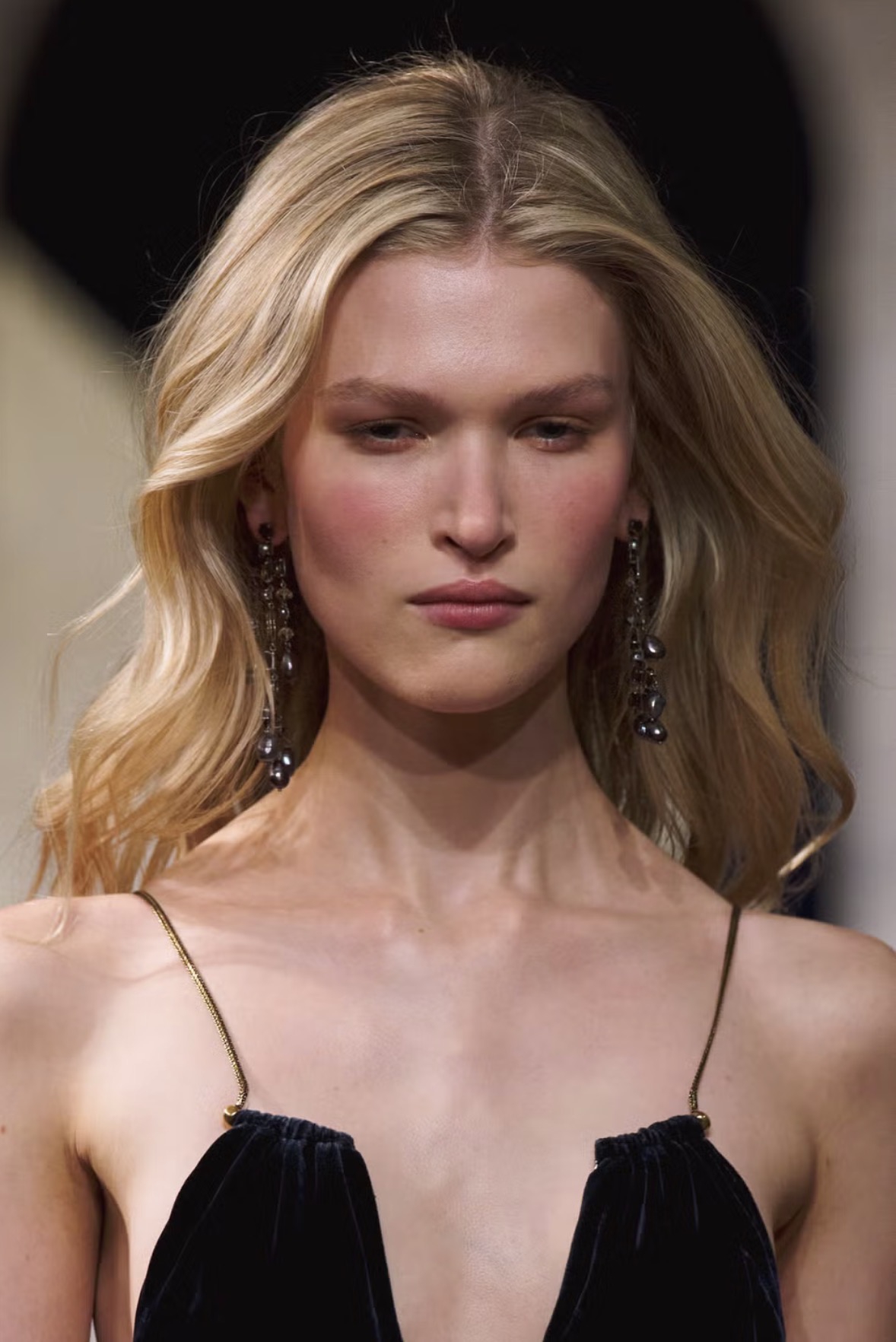
3. Define with Deeper Shades
"Take a darker shade and apply it along the lash line to add depth," says Heather. "Using a dense, precise brush, and blending towards the lashes, you will create definition and enhance the eye shape." This step is about creating a focal point and adding dimension without overwhelming the lid space. By concentrating the darker shade at the lash line, you are essentially framing the eye and adding intensity where it will be most visible.
According to Zoë, it is important to continuously check the makeup with a relaxed face at every stage. "The hood eats up a lot of space, so don’t be surprised if you feel you need to make the color darker or bring it higher," she adds. This constant readjustment is what differentiates effective hooded eye makeup from standard application. The perceived "eating up" of space by the hood means that colors that might appear perfectly placed on a flat lid can disappear when the eye is open. Therefore, building color higher and deeper than one might initially think is often necessary.
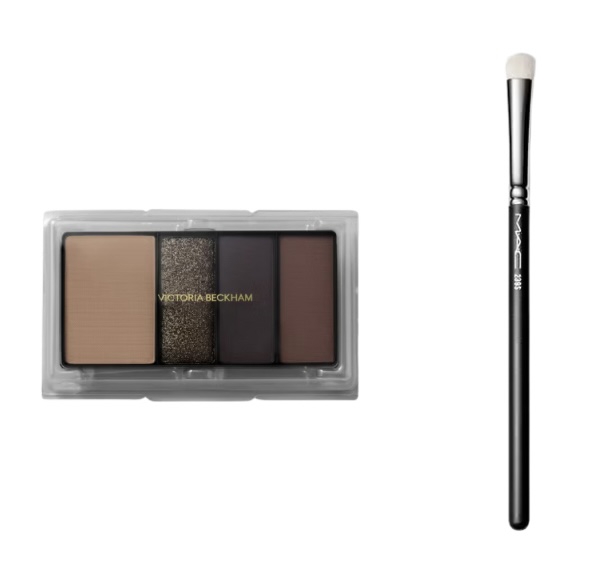
The type of brush used for this step is critical. A dense, angled brush or a small pencil brush is ideal for precise application along the lash line. This allows for controlled placement of the darker shade, ensuring it sits precisely where it will have the most impact without bleeding upwards into the lighter shades. The blending, however, needs to be done carefully to avoid creating a harsh line. A small blending brush can be used to soften the edges of the darker shade, diffusing it subtly into the lighter base color. This creates a seamless gradient that adds depth and definition without making the eye appear smaller.
4. Utilize Long-Wearing Eyeliner
This step is optional but can add definition to the lash line without adding more product directly under the crease. "You need to apply a liner line along the upper lash line, then check, adjust, and check again," insists Zoë. "The most important thing is that it still looks good when your face is in a relaxed position." This iterative process of application and checking is vital for achieving a balanced and flattering look.
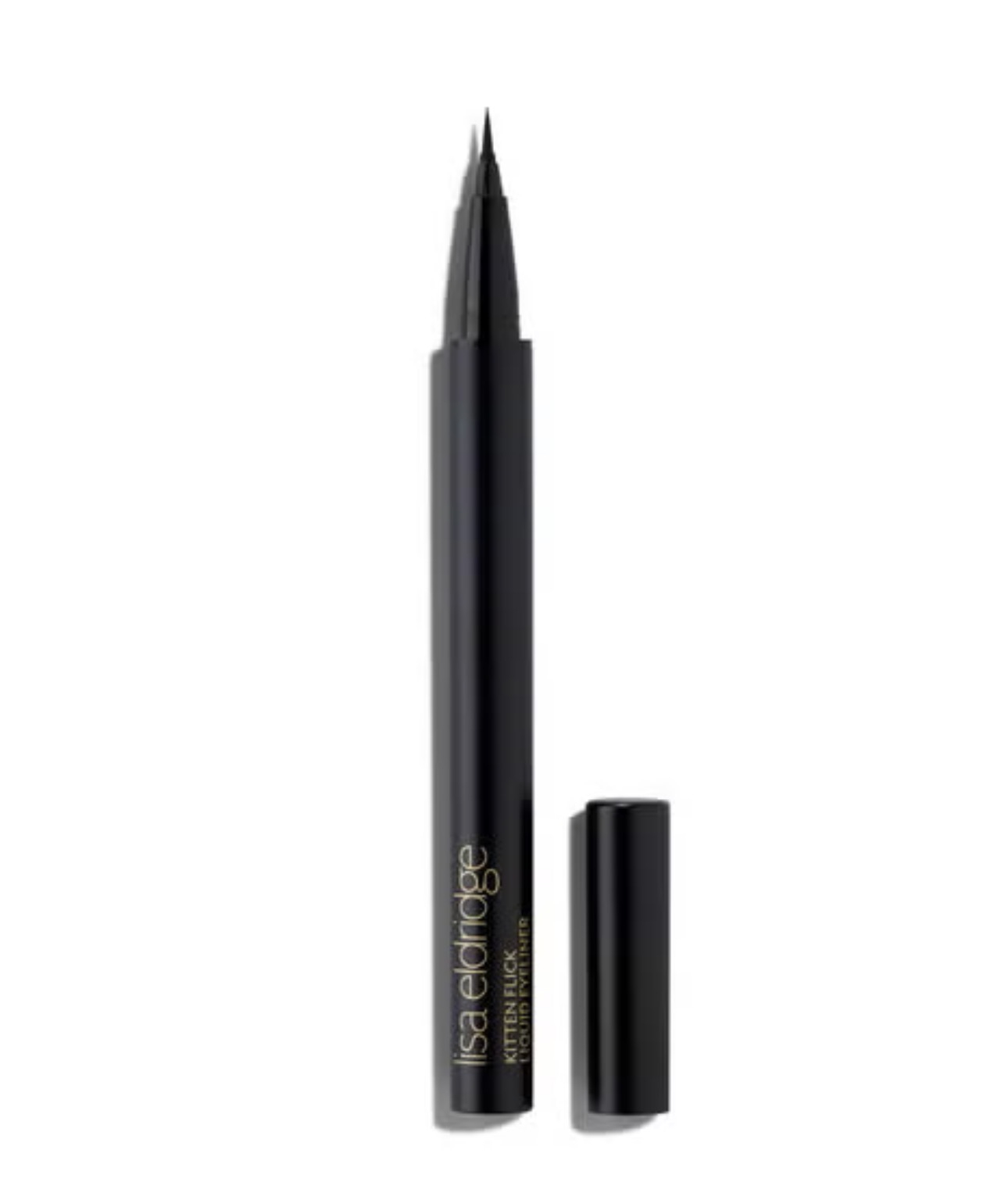
Zoë recommends a slim liquid liner with a precise tip, such as those from Lisa Eldridge, which sets firmly and stays put throughout the day, allowing a little working time before it completely dries. Liquid liners, especially those with fine tips, offer a level of precision that is difficult to achieve with pencil or gel liners, which can be prone to smudging on hooded lids. The key is to apply the liner as close to the lash roots as possible, creating the illusion of thicker lashes and defining the eye shape without drawing attention to the hooded area.
The "check, adjust, and check again" mantra is particularly relevant for eyeliner on hooded eyes. A winged liner, for example, might look perfect when the eye is closed but disappear or become distorted when the eye is open. Therefore, focusing on a tightline – applying liner to the upper waterline – or a very thin line directly along the lashes is often more effective. If a visible line is desired, it should be drawn with the eye open and slightly relaxed, ensuring that the line is visible and flattering in the natural resting state. The use of waterproof and quick-drying formulas is paramount to prevent any transfer or smudging onto the hooded lid.
5. Perfect with Mascara
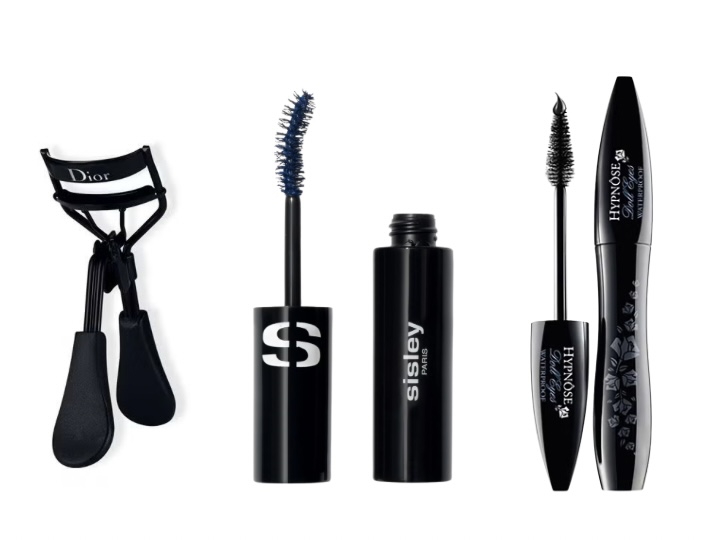
As a final step, curl your lashes first to open up the eye. Then, apply mascara by "coating the lashes thoroughly with an upward motion to brighten the eyes and create a wide-awake effect," explains Heather. Opting for a waterproof formula will provide stronger hold and help prevent smudging throughout the day.
Curling the lashes is an often-underestimated step for hooded eyes. The natural curve of the lashes can be pulled downwards by the hooded lid, making the eyes appear smaller and more tired. Curling them upwards lifts the lashes, creating more visible space and enhancing the overall openness of the eye. This simple act can dramatically change the appearance of hooded eyes, making them appear brighter and more alert.
When applying mascara, the upward sweeping motion is crucial. This technique helps to elongate and lift the lashes, further contributing to the illusion of a more open eye. For hooded eyes, applying mascara to both the top and bottom lashes can be beneficial, but care should be taken with bottom lashes to avoid any potential for smudging onto the under-eye area, which can be exacerbated by the hooded lid. Waterproof mascaras are highly recommended as they resist moisture and oil, reducing the likelihood of clumping and smudging, especially in humid conditions or during long wear.
For an evening or special occasion look that requires more drama, Heather suggests following the same steps but adding a touch of elegant shimmer. "Use your ring finger to gently press a cream shadow onto the lid for a touch of gloss and glamour to your eye makeup," she advises. This is a sophisticated way to add a festive element without compromising the structure of the makeup. A touch of shimmer strategically placed on the mobile lid, or in the inner corner of the eye, can catch the light beautifully and draw attention to the eye area, adding a glamorous finish. However, it’s important to avoid excessive shimmer or glitter directly in the hooded area, as this can sometimes highlight texture and creasing. Instead, focusing shimmer on the mobile lid or just above the lash line can be more flattering.
The evolution of beauty product development has seen a significant increase in formulas specifically designed to cater to the needs of individuals with hooded eyes. From primers that create an unshakeable base to mascaras that defy smudging, the market now offers a comprehensive toolkit for achieving flawless eye makeup. The insights provided by seasoned professionals like Heather Jackson and Zoë Taylor underscore the importance of understanding the unique characteristics of hooded eyes and adapting techniques accordingly. By focusing on strategic placement, blendability, and the use of long-wearing, matte formulas, anyone can master the art of eye makeup for hooded eyes, achieving a lifted, defined, and enduring look that enhances their natural beauty. The ongoing dialogue within the beauty industry and the continuous innovation in product development promise even more solutions for this common yet often challenging eye shape in the future.