Nila Kartika Wati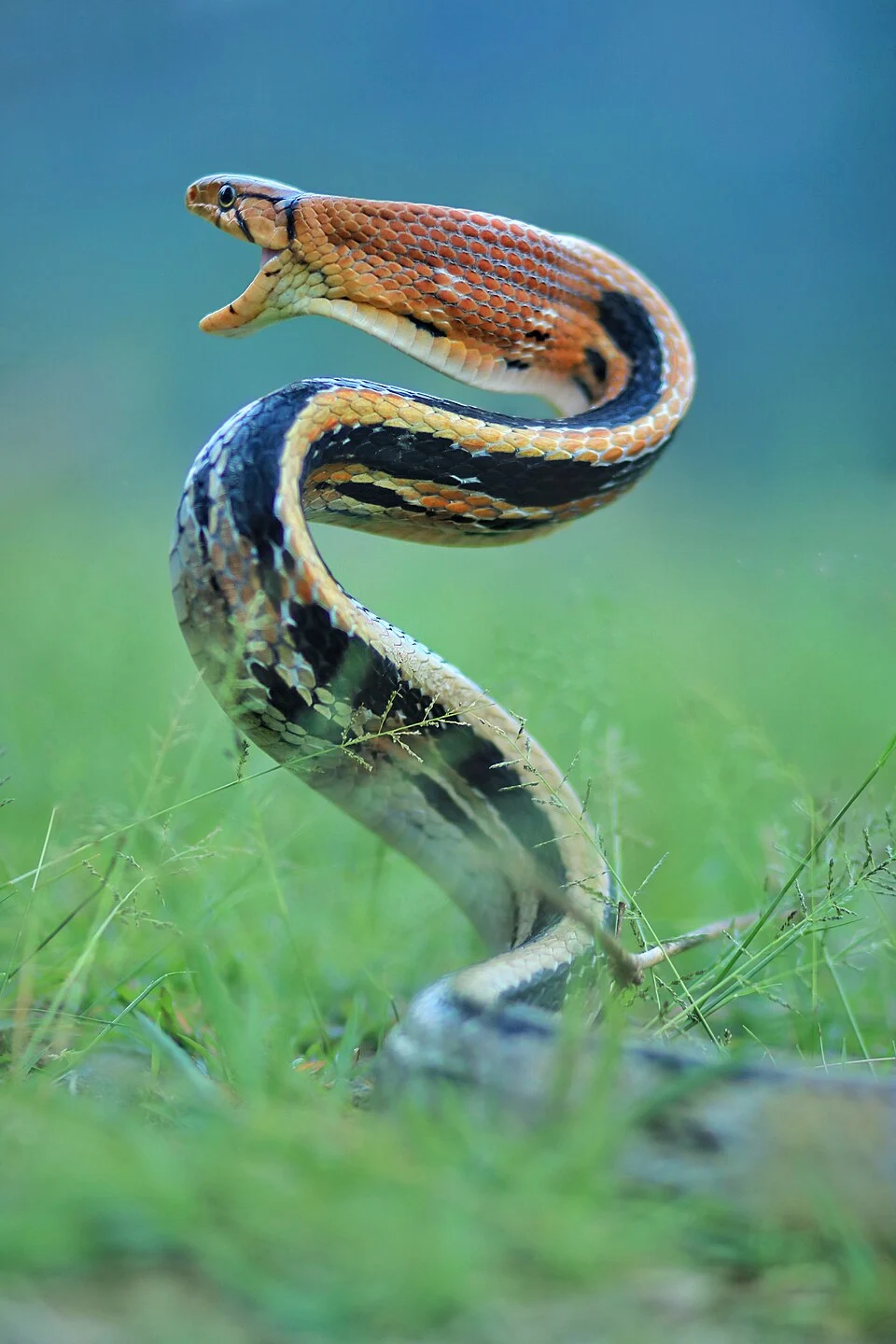
The presence of snakes in the middle of rice fields often triggers a spontaneous reaction of panic or an immediate attempt at hunting by local residents. However, for farmers who understand the intricate workings of the natural world, the sight of a reptile slithering through the stalks of paddy is frequently a sign of hope for the safety of their crops. One of the most vital yet consistently misunderstood figures in this ecosystem is the copper-headed trinket snake, scientifically known as Coelognathus radiatus, and locally referred to as the "ular lanang sapi." Keen observers of the land do not view the arrival of this snake as a misfortune; instead, they see it as a blessing that keeps the prospect of a successful harvest alive. In an agricultural ecosystem increasingly destabilized by the excessive use of chemical pesticides and the overhunting of natural predators, this snake often stands as the final line of defense protecting rice plants from total destruction. Its presence on the embankments is the most tangible indicator that the local food chain remains functional.
This ecological reality served as the catalyst for a massive conservation movement in Indramayu, West Java, in August 2025. During this period, thousands of copper-headed trinket snakes were released back into expansive rice fields as part of a structured natural pest control program. The initiative marked a significant turning point for farmers who had long felt frustrated by the exploding populations of field rats, which are capable of devouring hectares of crops in a single night. However, the release of thousands of predators was not without controversy. While environmentalists and agricultural experts lauded the move, a segment of the local population expressed deep-seated anxiety regarding their personal safety while working in the fields. Proponents of the program countered these concerns by emphasizing that biological control is far safer than the widespread use of illegal electric traps, which have historically claimed numerous human lives across the Indonesian archipelago.
Taxonomic Profile and the Origin of the Bovine Moniker
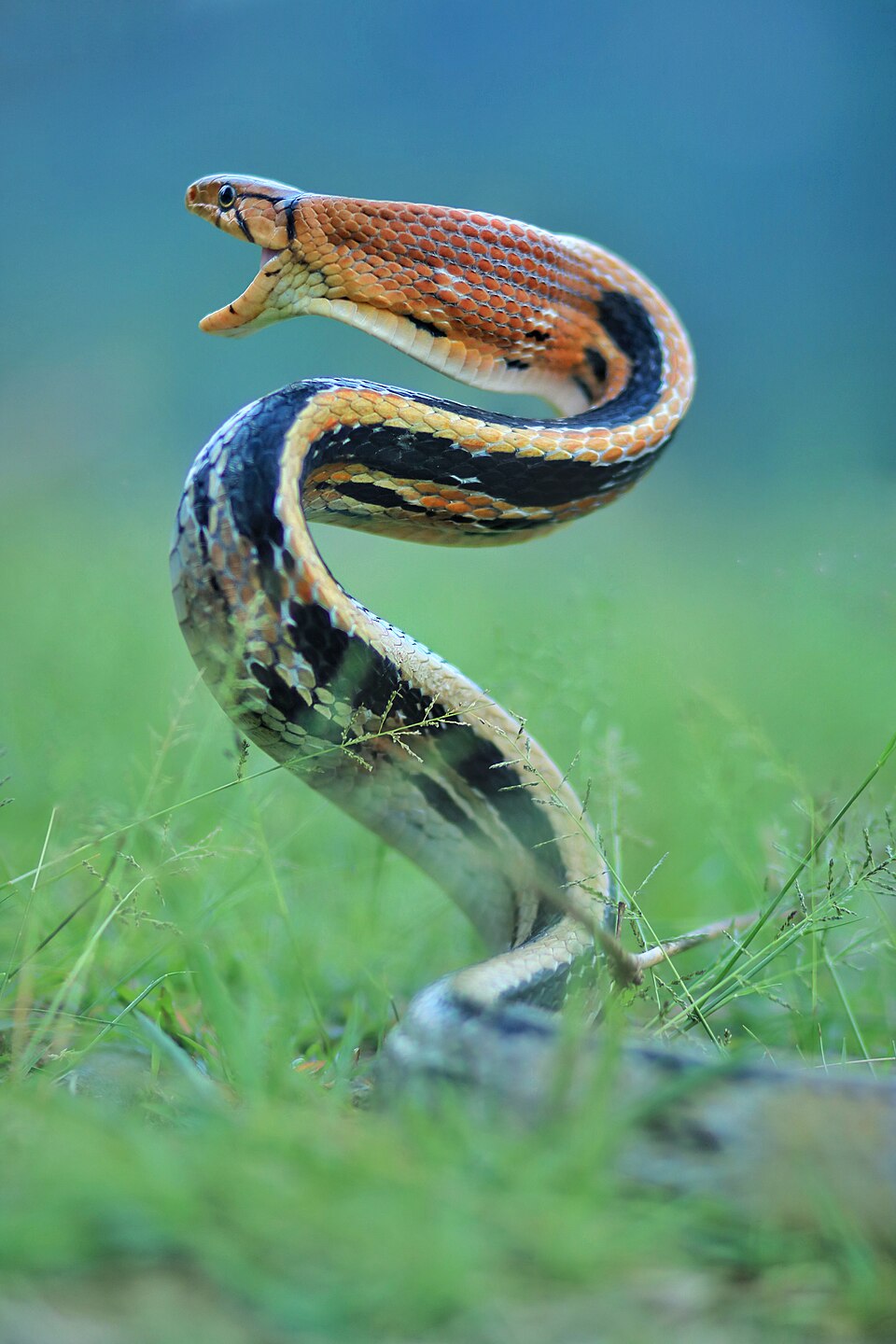
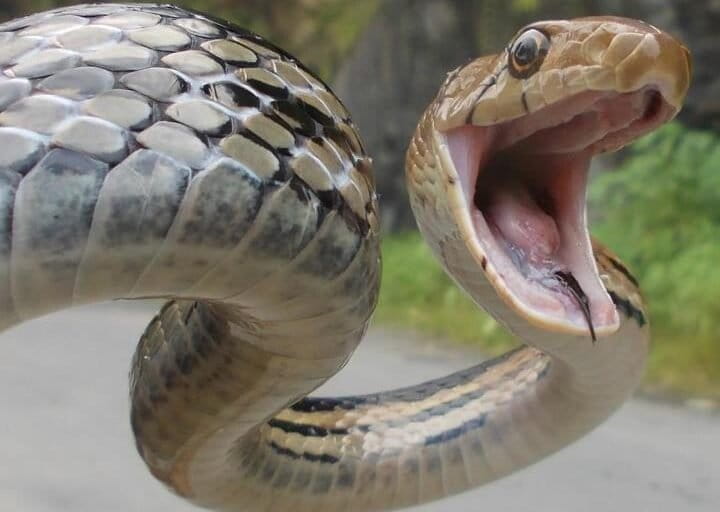
The emergence of the Indramayu program has opened a broader public discourse regarding the unique identity of Coelognathus radiatus. Many citizens have questioned why a reptile would be associated with cattle, as the name "ular sapi" (cow snake) implies. This nickname is not a product of random folklore but is rooted in the snake’s specific defensive behavior, which mirrors the gestures of an agitated bull. When the copper-headed trinket snake feels cornered or threatened, it does not immediately flee like the common rat snake (Ptyas korros) or various water snakes. Instead, it holds its ground, lifting the anterior third of its body into the air and folding its neck into a tight, S-shaped curve.
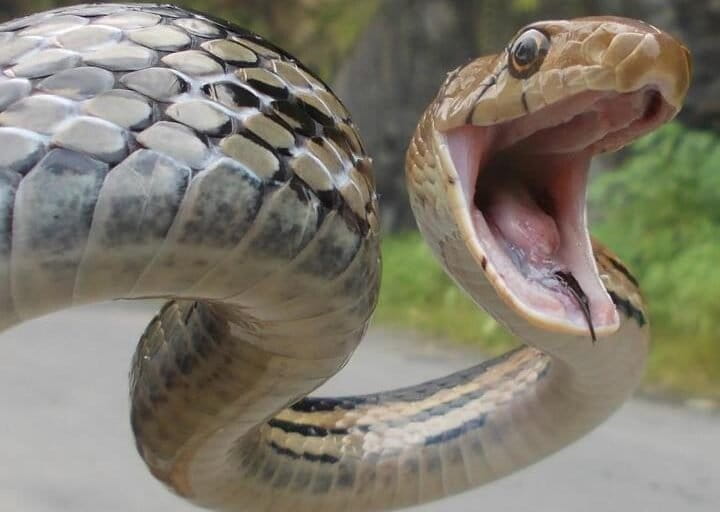
In this posture, the snake expands its neck muscles vertically. This expansion creates a thick, robust appearance that visually mimics the powerful neck structure or hump of a bull preparing to charge. This intimidation tactic is further enhanced by a distinct vocalization. Unlike the subtle, high-pitched hiss of many other serpents, the copper-headed trinket snake emits a heavy, rhythmic puff of air. To the ears of local farmers, this sound is remarkably similar to the snorting of a tired or angry cow after a long day of plowing the fields.
The addition of the word "lanang," which means "male" or "masculine" in the Javanese language, further emphasizes the snake’s perceived character. This title is bestowed because of the species’ legendary bravado. While most snakes prioritize evasion and concealment when encountering humans, the copper-headed trinket snake is known for its "ego." It will stay in place, gapping its mouth wide to reveal a dark interior and striking forward if the provocation continues. This perceived courage has earned it a reputation as the "alpha" predator of the rice field habitat.
The Biological Efficiency of a Non-Venomous Specialist
Despite its fierce appearance and aggressive posturing, the most critical fact for the public to understand is that the copper-headed trinket snake is entirely non-venomous. It does not possess the toxic cocktail of proteins found in cobras or vipers. Instead, it is a constrictor and a strike-specialist. It relies on its incredible speed to seize prey and its muscular body to subdue it. A single adult snake is capable of consuming up to three large rats per week, making it an incredibly efficient biological filter for agricultural pests.
The copper-headed trinket snake is a diurnal creature, meaning it is fully active during daylight hours. This allows it to synchronize its activity with the peak hours of human farming, although its primary hunting occurs in the shadows of the rice stalks or within the irrigation networks. It thrives in open, humid environments such as rice field dikes, irrigation canal banks, and sun-drenched scrublands. Because it relentlessly pursues rats into narrow crevices, it is not uncommon to find these snakes near human settlements, particularly in woodpiles or granaries where grain is stored.
When compared to other natural predators like the barn owl (Tyto alba), the copper-headed trinket snake offers a distinct advantage in pest management. While owls are highly effective at catching rats that roam the surface at night, they cannot reach the source of the infestation. The snake, with its slender and flexible frame, can penetrate the deepest chambers of a rat burrow. Once inside, it does not merely target the adults; it consumes the entire litter of pups. This "root-and-branch" approach to hunting is essential for breaking the rapid reproductive cycle of field rats, providing a long-term solution that chemical poisons simply cannot match.
Chronology of the 2025 Indramayu Conservation Initiative
The August 2025 release in Indramayu was the culmination of three years of ecological decline in the region. Between 2022 and 2024, Indramayu experienced a 30% increase in crop failure attributed specifically to rodent infestations. Traditional methods, including "gropyokan" (communal rat hunting) and the use of rodenticides, had failed to yield sustainable results. Furthermore, the tragic death of four farmers due to faulty electric fences in early 2025 forced the local government to seek radical, nature-based alternatives.
The program was divided into three phases:
- The Collection and Breeding Phase (January – June 2025): Local environmental agencies, in collaboration with herpetological societies, rescued snakes from areas where they were at risk of being killed by residents and established temporary breeding and rehabilitation centers.
- The Education Phase (July 2025): Before any snakes were released, agricultural extension officers conducted workshops across dozens of villages. They taught farmers how to distinguish the non-venomous copper-headed trinket snake from the venomous Javan spitting cobra and the Malayan pit viper.
- The Release Phase (August 2025): The "Thousands of Guardians" event saw the simultaneous release of snakes across five sub-districts. Each snake was microchipped to allow researchers to track their dispersal patterns and impact on the rat population over the following harvest seasons.
Analysis of Implications and Public Response
The transition toward using Coelognathus radiatus as a primary tool for Integrated Pest Management (IPM) has significant socio-economic implications. Data from the first harvest following the August 2025 release suggested a 15% reduction in rodent-related damage in the pilot areas. This translates to billions of rupiah in saved revenue for local farming cooperatives. Moreover, the reduction in chemical pesticide use has begun to show secondary benefits, such as the return of frog and dragonfly populations, which further balance the ecosystem.
However, the "pro-con" debate remains a fixture of the local discourse. For many villagers, the fear of snakes is an ancestral instinct that is difficult to overcome with scientific data alone. To address this, the Indramayu government established a "Snake Response Unit," a 24-hour hotline that farmers can call if a snake enters a home or a high-traffic public area. Rather than killing the animal, the unit relocates it back to the deep fields. This compromise has slowly built trust between the conservationists and the rural community.
From a broader perspective, the Indramayu model serves as a blueprint for other rice-producing regions in Southeast Asia. As climate change alters the breeding patterns of pests, relying on static chemical solutions is becoming increasingly ineffective. The "ular lanang sapi" represents a dynamic, self-sustaining, and cost-effective technology provided by nature. The success of this initiative underscores a vital lesson in modern agriculture: the most powerful tools for food security are often those that have been part of the landscape for millennia, waiting only for human recognition of their true value. By protecting the copper-headed trinket snake, farmers are not just protecting a species; they are securing the future of their livelihood and the stability of the national food supply.