Tyo Susilo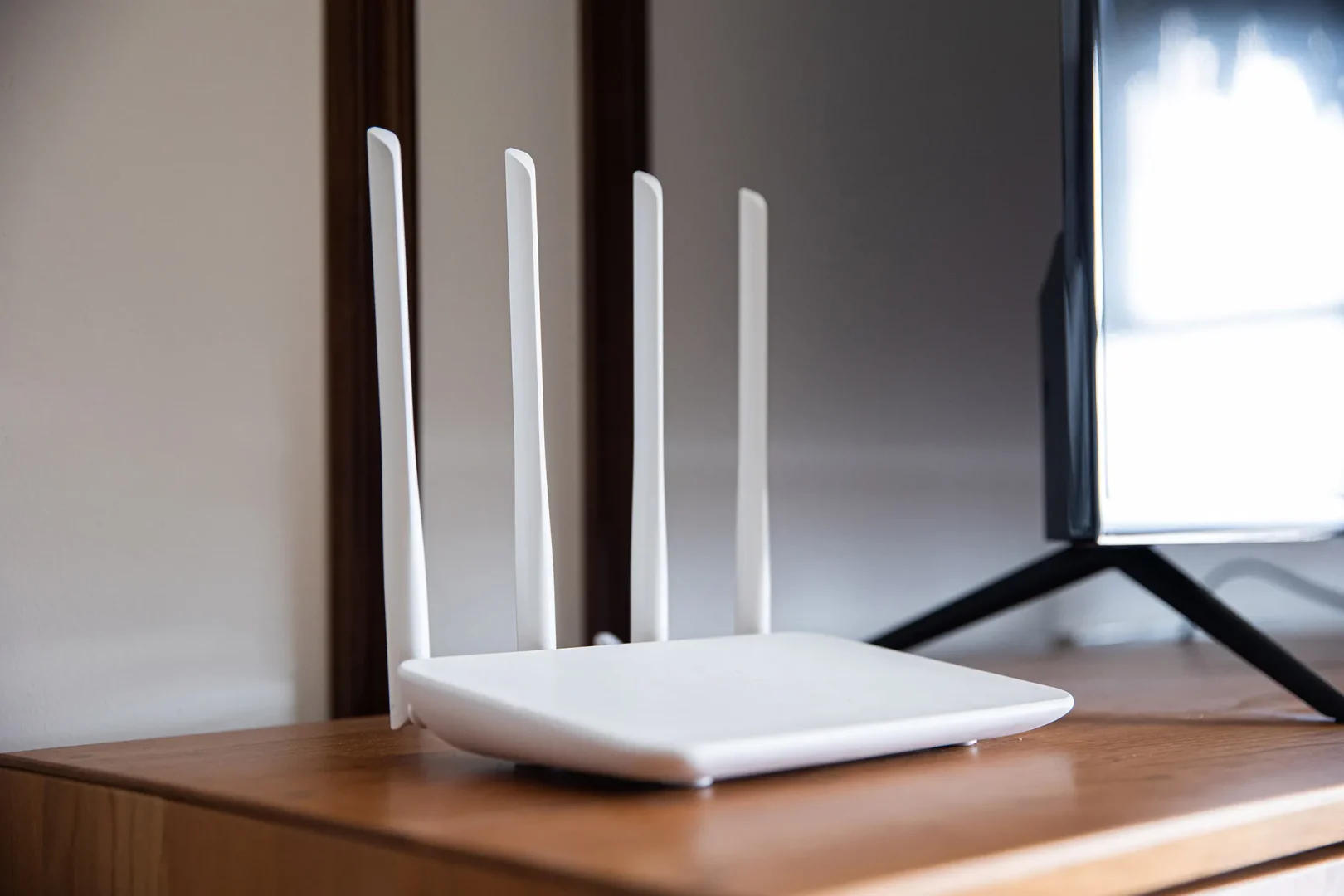
The United States government has initiated a significant shift in its approach to cybersecurity, reclassifying commonly overlooked home internet routers as high-risk devices with direct implications for national security. This move, spearheaded by the Federal Communications Commission (FCC), introduces stringent new regulations that will profoundly impact the availability and market entry of foreign-made networking equipment. The directive effectively places a considerable hurdle for new router models manufactured outside of the U.S. to gain access to the American market, marking a critical juncture in the nation’s ongoing efforts to fortify its digital infrastructure against sophisticated cyber threats.
FCC Imposes New Scrutiny on Foreign-Made Routers
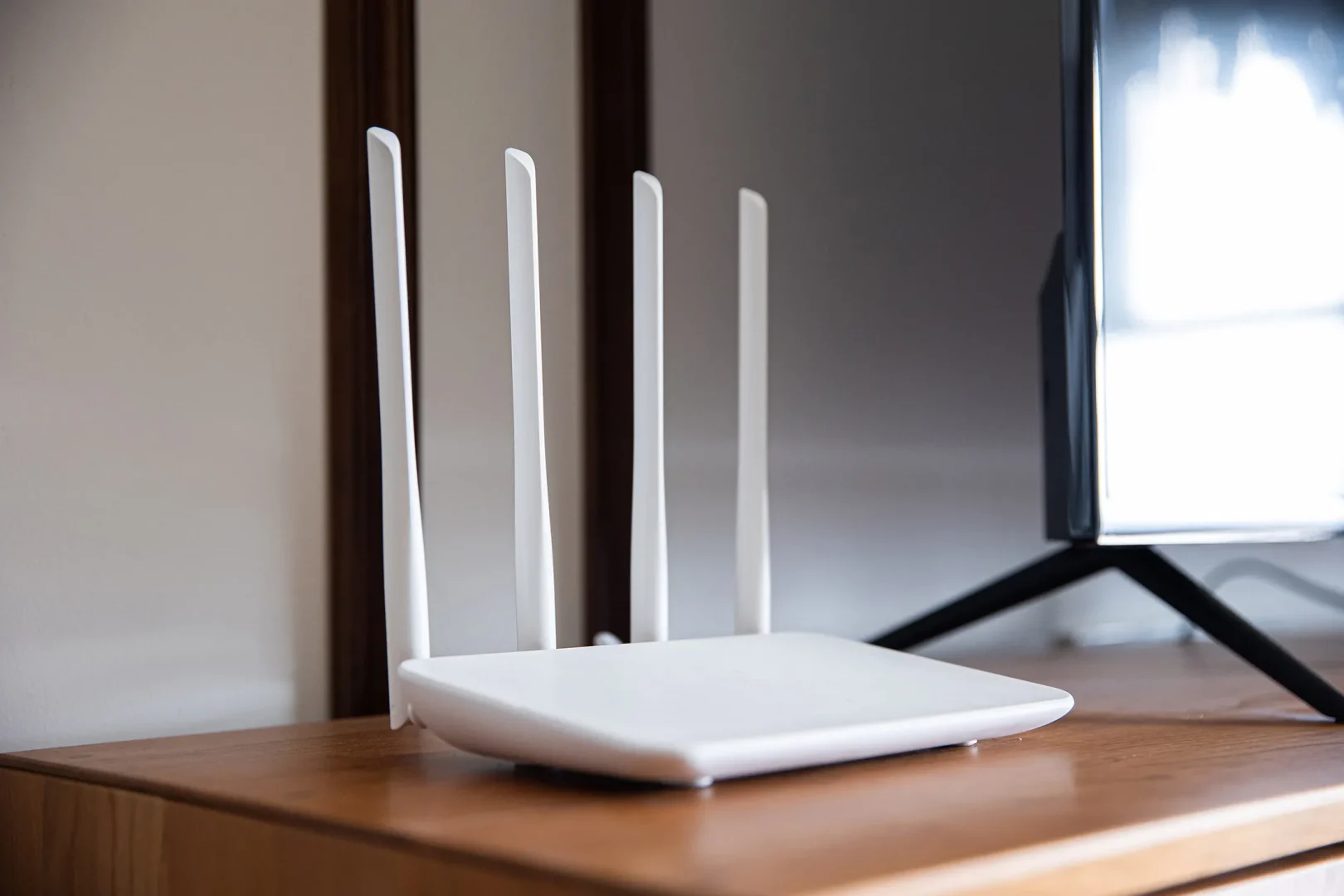
The Federal Communications Commission (FCC) has officially added foreign-made consumer routers to its list of devices deemed insecure without additional oversight. This regulatory action has immediate consequences, preventing new models of routers produced outside the United States from freely entering the domestic market. This policy change signifies a departure from previous laxer standards, where the primary concern was often focused on the performance and functionality of these devices rather than their inherent security risks from a national perspective. The FCC’s decision underscores a growing realization that the foundational elements of internet connectivity within homes and businesses can serve as critical vulnerabilities if not adequately secured.
New Regulations Target Future Product Launches
The revised regulations primarily affect new router products entering the market. Consumers who currently own routers manufactured by foreign brands can continue to use them without immediate concern. However, any new router models seeking to be sold in the United States will now be subjected to a more rigorous approval process. This heightened scrutiny is designed to identify and mitigate potential security flaws and backdoors that could be exploited by malicious actors.
The rationale behind this policy is rooted in a serious assessment of the modern digital landscape. The FCC posits that routers represent one of the most vulnerable entry points into internet networks. These devices are intrinsically linked to a multitude of other devices within a home or office environment, creating a complex web of interconnected technology. Consequently, even minor security loopholes can be exploited for illicit access, data theft, or to instigate broader network disruptions. This perspective aligns with the broader understanding that the "Internet of Things" (IoT), while offering convenience, also expands the attack surface for cyber threats.
Historical Context: A Pattern of Growing Concerns
The concern over foreign-made networking equipment is not an entirely new phenomenon. In recent years, several significant cyberattacks have been linked to compromised routers. Investigations by U.S. government agencies have identified operations such as Volt Typhoon, Flax, and Salt Typhoon as examples where access was allegedly gained through such devices. These investigations have frequently pointed towards actors with reported ties to China, raising flags about the potential for state-sponsored espionage and disruption.
For instance, in late 2023, reports emerged detailing how Volt Typhoon, a China-linked hacking group, had been using compromised routers and other network devices to gain persistent access to critical infrastructure across the United States. The group was reportedly able to evade detection by leveraging these devices for their command and control operations, highlighting the strategic importance of securing network endpoints. This persistent threat landscape has compelled policymakers to re-evaluate the security posture of even the most commonplace digital hardware.
The popularity of certain brands in the U.S. market has also brought them under the spotlight. TP-Link, a brand widely recognized for its affordable and accessible networking solutions, has been a subject of discussion due to its significant market share in America, particularly on e-commerce platforms like Amazon. While TP-Link products have not been explicitly banned, the new FCC regulations make it more challenging for such brands to introduce new products to the U.S. market without meeting the stringent new security and manufacturing requirements. This situation presents a dilemma for companies that have built substantial businesses based on products that will now face heightened regulatory barriers.
Domestic Production and Supply Chain Challenges
The current router market exhibits a significant reliance on overseas production. This dependency extends even to American brands, such as Netgear, which often manufacture their devices outside the U.S. Therefore, the FCC’s new regulations are poised to impact not only foreign manufacturers but also domestic companies that outsource their production. This has led to a complex situation where companies are being asked to re-evaluate their entire supply chains and manufacturing strategies.
To maintain access to the U.S. market, manufacturers are now required to disclose detailed information regarding their ownership structures and any potential foreign influence. Furthermore, they must present concrete plans for domestic production if they wish to secure approval for their products. This requirement is intended to provide greater transparency and control over the manufacturing process, thereby reducing the potential for embedded vulnerabilities or unauthorized access during production.
The availability of routers manufactured entirely within the United States remains limited. One notable example of a domestically produced networking device comes from SpaceX’s Starlink, with its equipment manufactured in Texas. However, such options are not widely available in the general consumer market, and the cost associated with these domestically produced items can be significantly higher. This disparity in availability and cost could create challenges for consumers seeking to comply with the new regulations, potentially leading to higher prices for networking equipment or a reduced selection of devices.
The FCC has indicated that it may consider exceptions through specific government agencies like the Department of Defense or the Department of Homeland Security. However, as of now, no specific list of approved devices or manufacturers has been released that has received this "green light." This ongoing uncertainty further complicates the market landscape for both manufacturers and consumers.
Broader Implications for the Tech Ecosystem
This policy shift is likely to extend beyond just home routers. The increased scrutiny on networking devices signals a broader trend towards more robust oversight of technologies that form the backbone of digital communication and infrastructure. The ramifications of these stricter regulations could ripple across various aspects of the technology sector.
Potential Impacts:
- Increased Product Costs: The requirement for domestic manufacturing, stricter testing, and compliance measures could lead to increased production costs for networking devices. These costs are likely to be passed on to consumers, potentially making routers and other networking equipment more expensive.
- Reduced Product Availability and Choice: The rigorous approval process and the limited number of domestically manufactured options could lead to a reduction in the variety of routers available to consumers. This could limit consumer choice and potentially lead to market consolidation.
- Accelerated Innovation in Domestic Manufacturing: Conversely, the policy could spur investment and innovation in domestic manufacturing capabilities for networking hardware. Companies may be incentivized to establish or expand their U.S.-based production facilities to meet the new requirements.
- Heightened Cybersecurity Awareness: The government’s elevated focus on router security serves to increase public awareness about the importance of securing home and office networks. This could encourage users to adopt better cybersecurity practices, such as changing default passwords and keeping firmware updated.
- Geopolitical Tensions: The focus on foreign-made devices, particularly those linked to specific countries, could contribute to ongoing geopolitical tensions related to technology and trade. It reflects a broader trend of nations seeking to reduce reliance on foreign technology for critical infrastructure.
- Impact on Small Businesses and ISPs: Internet Service Providers (ISPs) that often bundle routers with their services may face challenges in sourcing compliant equipment. Small businesses that rely on affordable networking solutions might also be affected by potential price increases.
A Shifting Landscape for Network Security
The FCC’s assertive stance on foreign-made routers marks a significant evolution in how the U.S. government perceives and addresses cybersecurity threats. By elevating a seemingly innocuous device like a home router to the level of a national security concern, the administration is signaling a proactive approach to safeguarding the nation’s digital frontier. This policy, while potentially creating short-term disruptions and cost increases, is ultimately aimed at building a more resilient and secure digital ecosystem for the future. The long-term success of this initiative will depend on the ability of the industry to adapt to these new standards, the effectiveness of enforcement, and the continued evolution of cybersecurity threats. As the digital world becomes increasingly intertwined with critical infrastructure, the security of every connected device, no matter how small, will be paramount.
The move by the FCC is part of a larger, ongoing global effort to secure digital supply chains. Countries worldwide are increasingly scrutinizing the origins and security of the technology they use, particularly in light of state-sponsored cyber espionage and the growing sophistication of cybercrime. The U.S. policy on routers aligns with this broader trend, emphasizing the need for greater transparency and control over the hardware that underpins modern communication networks. The coming months and years will reveal the full extent of this policy’s impact, as manufacturers scramble to comply and consumers navigate a potentially altered market for home networking devices. The emphasis on domestic production and rigorous security vetting, while challenging, represents a strategic investment in the long-term security and sovereignty of the United States’ digital infrastructure.