
 Lina Irawan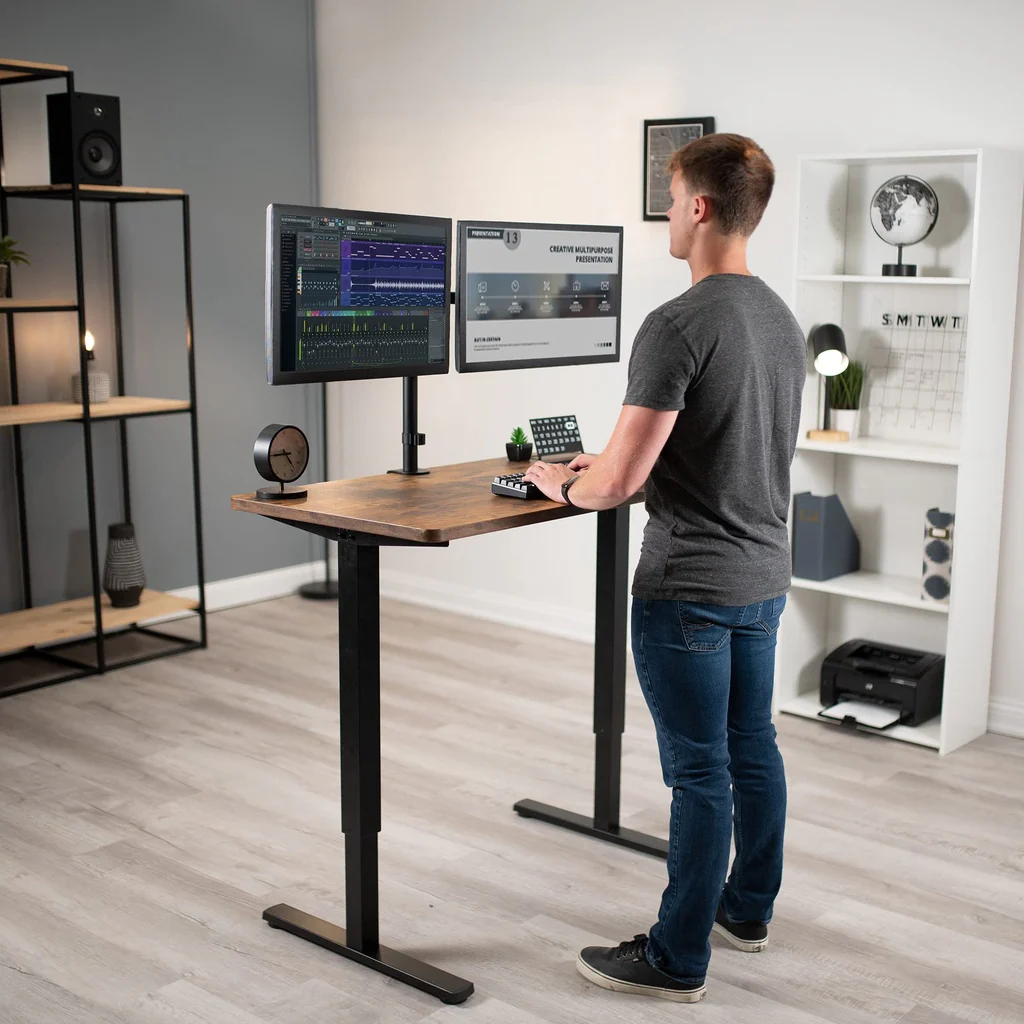
A groundbreaking strategy in children’s room design champions the use of a neutral color palette as a foundational canvas, seamlessly integrated with modular furniture and "quick swap" decorative elements. This innovative approach is designed to prevent rooms from quickly becoming outdated or overly childish, significantly reducing long-term renovation costs, and enabling instant adaptation to a child’s evolving interests from toddlerhood through adolescence.
Traditional approaches often see parents investing substantial amounts, sometimes tens of millions, into transient trends. This can involve purchasing beds shaped like race cars or commissioning murals of specific cartoon characters across entire walls. While these themed designs might initially delight, they rarely stand the test of time. A child’s interests can shift dramatically within months; a beloved superhero character one year can become a source of embarrassment the next. This rapid change frequently leads to costly and disruptive overhauls, an expense many families find unsustainable.
The Economic and Environmental Imperative for Adaptive Design

In an era increasingly focused on sustainability and mindful consumption, the cyclical renovation of children’s rooms presents both an economic burden and an environmental concern. The disposal of outmoded furniture and decorative elements contributes to landfill waste, while the financial outlay for frequent redesigns diverts resources that could be better allocated elsewhere. This backdrop underscores the urgency for an intelligent, forward-thinking interior strategy. Adopting a "no fuss, no obsolescence" philosophy through neutral themes and flexible modular elements offers a definitive solution for contemporary families seeking both aesthetic appeal and practical longevity.
As leading interior design experts frequently observe, a common misstep for clients is allocating significant budgets to rigid, highly specific themes within permanent room elements. This includes entire wall paint schemes, custom character-shaped furniture, or even patterned floor tiles. When a child outgrows or becomes self-conscious about their childhood room, parents are often compelled to undertake extensive and expensive renovations, stripping away the very elements they once invested in.
Core Principles: The Neutral Canvas and Dynamic "Quick Swap" System
The adaptive design paradigm envisions a child’s room as a clean, elegant art gallery. The permanent structural components—walls, flooring, and primary furniture—serve as a serene, neutral backdrop. Against this calm canvas, the child’s fluctuating interests, hobbies, and favorite characters are displayed as changeable works of art. These "art pieces" can be updated at any time without the need for repainting walls or dismantling built-in cabinetry.

The "quick swap" system is central to this flexibility, allowing for a complete transformation of a room’s ambiance in less than an hour. This involves simply changing bedding, pillow covers, wall posters, or floor rugs. This ingenious combination ensures that a child’s room remains vibrant and reflective of their current age and passions, while simultaneously safeguarding the long-term investment in the interior design.
Strategic Furniture Investment for Enduring Value
The selection of furniture is paramount to the longevity and adaptability of a child’s room. The focus should be on modular pieces capable of evolving in function and form as the child grows taller and their needs change.
- Convertible Beds: Adapting to Growth Stages: Avoid purchasing single-purpose toddler beds with whimsical shapes that quickly become obsolete. Instead, opt for standard twin-sized beds or convertible beds whose frames can be extended. Many intelligent bed designs incorporate functional under-bed spaces. For younger children, this area can serve as an enclosed play zone or storage for toy bins. As the child enters school age, this space can be repurposed to accommodate extra clothing drawers or even a pull-out study desk, maximizing floor utility.
- Scalable Storage Systems: The storage needs of a child evolve significantly. A toddler requires low, open toy shelves for easy access and exploration, while a teenager needs more hanging space for clothes and enclosed drawers for privacy. Investing in a modular wardrobe system from the outset is a wise decision. These systems allow for the repositioning of shelves, drawers, and hanging rods within the cabinet, accommodating changing requirements. Fabric or rattan storage bins can be utilized in open shelving, easily transitioning from toy storage to holding books or school supplies as interests shift.
- Ergonomic and Adjustable Study Desks: A crucial investment is an adjustable-height desk and chair. This ergonomic furniture prevents posture problems as children grow, ensuring comfort and proper alignment during study sessions. Choose desks with clean lines, constructed from durable materials like solid wood or sturdy metal. This minimalist design remains timeless, serving the child well even into their university years. Instead of monolithic desk units with integrated shelving, consider adding wall-mounted shelves above the study area. These are more flexible and contribute to a more spacious feel.
Mastering the Art of a Non-Monotonous Neutral Palette

The term "neutral" is often mistakenly associated with stark white or dreary grey. However, a neutral palette for a child’s room can be incredibly warm and inviting. Employing earth tones such as warm cream, muted terracotta, sage green, or taupe can create a calming atmosphere conducive to restful sleep. For those desiring a touch more color, soft, muted pastels like dusty pink or gentle mustard yellow can be introduced as an accent wall, providing warmth without overstimulation. Neutral colors also inherently make a room feel larger and cleaner, allowing natural light to reflect beautifully and create a visually positive environment for a child’s psychological well-being.
The "Quick Swap" Strategy: Rapid Room Transformation
The true secret to a perpetually fresh and engaging child’s room lies in incorporating decor elements that are easy to install and remove.
- Wall Decals and Peel-and-Stick Wallpaper: Eschew permanent wall murals. Instead, utilize high-quality wall decals that can be peeled off without damaging the paint. If a child loves space today, apply planet and rocket decals. Two years later, when dinosaurs capture their imagination, simply peel off the old stickers and replace them in minutes. Peel-and-stick wallpaper is another highly effective option for creating an accent wall, offering easy installation without messy adhesives.
- Leveraging Textiles and Soft Furnishings: Textiles are arguably the most impactful and cost-effective tools in interior design. Bedspreads, throw pillows, curtains, and rugs can collectively account for up to 40% of a room’s visual impact. These elements provide an ideal avenue for introducing themes—be it Marvel, Disney, or anime characters—through bedding and blankets. This approach is practical and hygienic, as these items are regularly washed and replaced. A rug with a car track motif can define a play area for a young child, and later be rolled up and swapped for a plain, plush rug as they enter adolescence.
- Personalized Gallery and Mood Board Areas: Designate a specific wall area covered with cork board or magnetic paint. This interactive space serves as a personal gallery for the child to display their school artwork, idol posters, or sports medals. This area fosters a sense of ownership over their room without compromising the core aesthetic. Regularly rotating the displayed items not only stimulates creativity but also ensures the room’s appearance remains dynamic week after week.
Zoning Spaces for Each Developmental Phase

Expert interior designers advocate for dividing rooms into activity zones rather than merely placing furniture. Thoughtful zoning promotes discipline and helps children understand the function of each area.
- Toddler Phase (0-5 Years): Exploration Focus: At this age, the floor is the most crucial zone. Provide a large, open central area covered with a soft, washable rug. Furniture should be low to the ground and free of sharp edges. Book storage should feature front-facing displays, allowing toddlers to easily identify their storybooks.
- Elementary School Phase (6-12 Years): Academic & Hobby Focus: Zoning shifts to incorporate a dedicated study area. The desk requires optimal task lighting to protect eye health. As children begin inviting friends over, supplementary seating like bean bags or floor cushions that can be stored under the bed when not in use become beneficial.
- Adolescent Phase (13-18 Years): Privacy & Relaxation Focus: Teenagers require a personal sanctuary away from external pressures. A larger bed and enclosed storage for personal belongings become primary considerations. Layered lighting, incorporating colorful LED strip lights, is often popular with this age group. A full-length mirror is both functional and visually expands the room.
Material Selection: Safety and Resilience are Key
A child’s room endures some of the highest wear and tear in any home. Walls may be marked, floors will see spills, and closet doors might be slammed. Selecting the right materials is crucial for durability and safety.
Choose washable paint for walls, ensuring it is low in VOC (Volatile Organic Compounds) for the child’s respiratory health. For flooring, vinyl or SPC (Stone Plastic Composite) options generally outperform natural wood or ceramic tiles. These materials are water-resistant, slip-resistant, and offer a softer feel underfoot. Critically, all tall furniture should be securely anchored to the wall. This is an international safety standard designed to prevent tip-overs if a child attempts to climb.

Lighting Strategies for Optimal Comfort
A single ceiling light is rarely sufficient for a functional bedroom. A comprehensive lighting plan requires three layers to support a child’s diverse daily activities. Ambient lighting provides general, even illumination throughout the room. Warm white light (3000K-4000K) is recommended for a relaxed atmosphere. Task lighting is essential at the study desk and bedside table; a focused reading light aids concentration and reduces eye strain during evening study. Accent lighting, such as a dim night light or a projector lamp casting star patterns, can create a soothing nocturnal environment for younger children.
Fostering Tidiness: Automated Decluttering Systems
Even the most beautifully designed neutral room can quickly descend into chaos if toys and belongings are scattered. Storage systems should be intuitively designed to encourage children to tidy up independently. Large, open-top wicker baskets are ideal for toddler toys, allowing them to simply "toss" items in without precise arrangement—a habit easily taught early on. Label storage drawers with pictures (e.g., a sock image for the sock drawer, a car for vehicle toys) to promote organizational independence. Implementing a "one in, one out" rule, where a new item prompts the donation of an old one, prevents overcrowding.

Maximizing Overlooked Spaces
Children’s bedrooms in modern homes often face space constraints, necessitating creative utilization of every vertical inch and dead corner. A neglected wall corner can be transformed into a cozy reading nook with minimalist corner shelves and a thick floor cushion. The back of the room door is ideal for additional storage; sturdy hooks can hold school bags, jackets, or hanging organizers for shoes and accessories. If the ceiling is high, the area above wardrobes can be used with uniform storage boxes for seasonal items like heavy jackets or extra blankets.
The Psychological Impact of Intentional Design
Extensive research confirms that room layout and color directly influence a child’s stress levels and concentration. Rooms saturated with bright, stimulating colors can inadvertently contribute to hyperactivity. A neutrally themed child’s room acts as a calming oasis, providing respite from the visual stimuli encountered at school and through digital devices. An organized space also significantly reduces anxiety; when every item has a designated place, children feel a greater sense of control over their environment. Furthermore, involving children in selecting "quick swap" elements like posters or bedding fosters a sense of ownership and responsibility for maintaining their room.

When Professional Interior Design Services Are Essential
Designing a child’s room that remains functional and aesthetically pleasing for a decade or more is a complex undertaking. Poor planning can paradoxically lead to multiple costly redesigns. Professional interior design services become invaluable when dealing with asymmetrical room layouts or extremely limited space, as experts can maximize spatial efficiency without compromising air circulation or flow.
Specialized design firms, such as InteriorDesign.ID, possess expertise in crafting custom modular furniture. They can design precise built-in wardrobes and integrated bed systems that can be modified in function over time. Such professionals also ensure the selection of 100% safe, non-toxic materials that meet high durability standards, saving parents valuable research time and preventing costly purchasing errors. Moreover, designers skillfully balance a child’s imaginative desires with parental budgetary and aesthetic considerations, finding the perfect synergy between whimsy and functional practicality.
Conclusion and Next Steps

Implementing a neutral-themed child’s room design with "quick swap" elements represents a superior property investment. This strategy liberates families from the repetitive cycle of renovations triggered by a child’s changing interests. The fundamental principle is clear: maintain large furniture, flooring, and walls in a serene, foundational color palette. Unleash a child’s creativity through easily interchangeable textiles, wall stickers, and decorative accessories.
Intelligent design does not equate to limiting a child’s vibrant world. On the contrary, it creates a flexible stage, ready to support any role a child wishes to play as they mature. Are you ready to transform your child’s room into a resilient, timeless dream space? Avoid the pitfalls of trial-and-error layout planning. Consult with the expert team at InteriorDesign.ID today to discuss your family’s specific needs. We are committed to creating functional, aesthetic, safe, and custom-designed children’s rooms that are truly built to grow with your child.








