Chalifah Fatihah
A groundbreaking study published in the journal Beverage Plant Research has illuminated the most effective methods for consuming tea to unlock its full spectrum of health advantages. Far more than a mere beverage, tea has long been recognized for its potent medicinal properties, and this latest research provides compelling scientific backing for specific consumption practices. The findings suggest that to truly harness the benefits, from a reduced risk of cardiovascular disease to a lower likelihood of developing certain cancers, the way tea is prepared and consumed is paramount.
The research team meticulously analyzed a vast body of existing studies, synthesizing data to identify consistent patterns linking tea consumption to positive health outcomes. Their comprehensive review highlighted green tea, in particular, as a significant contributor to improved heart health, enhanced metabolic function, and a decreased susceptibility to chronic illnesses. Furthermore, the study indicated that regular tea consumption could play a role in protecting cognitive function as individuals age, offering a potential buffer against age-related neurodegenerative diseases.
However, a crucial distinction emerged from the analysis: these profound benefits are primarily derived from traditionally brewed tea, rather than processed tea products. The researchers specifically cautioned against the consumption of pre-packaged teas and popular beverages like bubble tea, which often contain substantial amounts of added sugar, artificial sweeteners, and various additives. These ingredients, they noted, can actively counteract or even negate the inherent health-promoting compounds found in tea leaves.
The Science Behind Optimal Tea Brewing
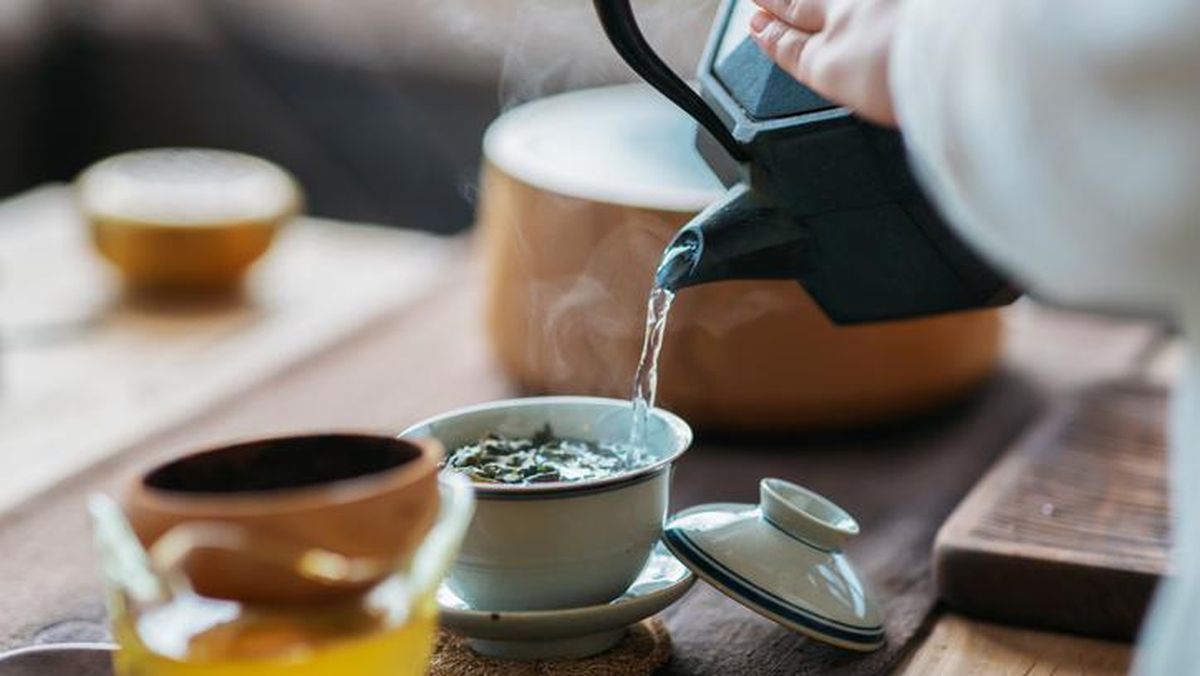
The cornerstone of maximizing tea’s health benefits, according to the study, lies in its preparation. The most recommended method is to brew tea without any added sugar. This simple yet significant practice ensures that the tea retains a higher concentration of its vital antioxidant compounds, most notably polyphenols and catechins.
Polyphenols are powerful phytonutrients renowned for their anti-inflammatory properties. They play a critical role in mitigating oxidative stress within the body, a process linked to numerous chronic diseases. By reducing inflammation, polyphenols contribute to overall cellular health and can help protect against damage that may lead to conditions such as heart disease and certain types of cancer.
Catechins, a specific subclass of polyphenols, are particularly abundant in green tea. Epigallocatechin gallate (EGCG) is the most well-researched and potent catechin, known for its remarkable antioxidant capabilities. These catechins work by scavenging free radicals, unstable molecules that can damage DNA and cellular structures, thereby contributing to aging and the development of diseases. Their protective action extends to cardiovascular health by improving blood vessel function and reducing the oxidation of LDL cholesterol, a key factor in atherosclerosis.
The study further emphasizes the importance of using whole tea leaves that have undergone minimal processing. The less a tea leaf is processed, the more of its natural, beneficial compounds are preserved. This aligns with the traditional methods of tea preparation that have been practiced for centuries in various cultures.
Beyond the Brew: Understanding Tea Varieties and Processing
The research team delved into the nuanced differences between various types of tea and their processing methods. While green tea received particular attention due to its high catechin content, the principles discussed are broadly applicable to other true teas derived from the Camellia sinensis plant, including black tea, oolong tea, and white tea. The key differentiating factor among these teas is the level of oxidation they undergo during processing, which alters their chemical composition and flavor profiles but not necessarily their fundamental health-promoting properties, provided they are brewed correctly.
Green Tea: Undergoes minimal oxidation, preserving a high concentration of catechins, especially EGCG. This makes it a prime candidate for maximizing antioxidant benefits.
Black Tea: Is fully oxidized, resulting in a different array of beneficial compounds, including theaflavins and thearubigins, which also possess antioxidant and cardiovascular benefits.
Oolong Tea: Is semi-oxidized, falling between green and black tea in terms of oxidation levels. It offers a balance of the beneficial compounds found in both.
White Tea: Is the least processed and undergoes natural wilting and drying. It is known for its delicate flavor and high concentration of certain antioxidants, though research on its specific benefits is still evolving.
The study’s findings strongly suggest that consumers should prioritize loose-leaf teas over tea bags, as tea bags can sometimes contain lower-quality tea dust and fannings, which may not yield the same level of beneficial compounds. Furthermore, the packaging of tea bags can sometimes introduce microplastics into the brew, an area of growing concern for public health.
The Detrimental Impact of Processed Tea Beverages
The researchers dedicated a significant portion of their analysis to the negative implications of processed tea products. The convenience of ready-to-drink teas, bottled iced teas, and the ubiquitous bubble tea often comes at a considerable health cost. These beverages are frequently laden with added sugars, which contribute to weight gain, increased risk of type 2 diabetes, and other metabolic disorders. The study cites data from the World Health Organization (WHO), which has consistently called for reductions in sugar intake globally, linking high sugar consumption to a rise in non-communicable diseases.
Artificial sweeteners, while calorie-free, have also come under scrutiny for their potential long-term health effects, with ongoing research exploring their impact on gut microbiota and metabolic regulation. Moreover, other additives, such as artificial flavors and colors, can further dilute the health benefits of the tea itself.
"The allure of convenience and palatable flavors in processed teas often masks a hidden cost to our health," stated Dr. Anya Sharma, a lead researcher on the study. "While tea itself is a powerhouse of beneficial compounds, the additions in many commercially available products can render these benefits negligible, and in some cases, even detrimental."
The study highlighted a specific concern with bubble tea, which often involves the addition of milk, creamers, syrups, and chewy tapioca pearls. While enjoyable, these components significantly increase the calorie and sugar content, transforming what could be a healthy beverage into a dessert-like indulgence. A single serving of bubble tea can sometimes contain the equivalent of several teaspoons of sugar.
Practical Recommendations for Tea Enthusiasts
Based on the comprehensive findings, the study offers clear, actionable advice for individuals seeking to maximize the health advantages of their tea consumption:
- Prioritize Loose-Leaf Tea: Opt for whole, loose tea leaves whenever possible. This ensures a higher quality product with more intact beneficial compounds.
- Brew Without Sugar: The most effective way to enjoy tea is without any added sweeteners. The natural flavors of tea are complex and can be appreciated on their own.
- Mindful Sweetening: If sweetness is desired, use minimal amounts of natural sweeteners like honey or maple syrup, and do so sparingly. However, the ideal scenario remains unsweetened tea.
- Embrace Matcha: For those who enjoy a more integrated tea experience, matcha, a powdered green tea where the entire leaf is consumed, is an excellent option. It provides a concentrated dose of catechins and other nutrients.
- Limit Processed Teas: Be cautious of bottled teas, sweetened iced teas, and other pre-packaged beverages. Always check the nutrition labels for sugar content and artificial ingredients.
- Control Additives: When enjoying tea at cafes, be mindful of the additional ingredients like syrups, creamers, and toppings. Consider requesting less sugar or fewer additives.
The Broader Implications for Public Health
The implications of this study extend beyond individual dietary choices. It underscores the importance of educating the public about the nuances of healthy beverage consumption. As processed foods and beverages continue to dominate the market, research like this serves as a vital reminder to reconnect with traditional, natural food preparation methods.
The findings also have potential relevance for the food and beverage industry. There is an increasing consumer demand for healthier options, and companies that focus on producing high-quality, minimally processed teas, or offer sugar-free alternatives, could find a significant market advantage.
Furthermore, the study’s emphasis on the preventative health benefits of tea consumption could inform public health initiatives aimed at reducing the burden of chronic diseases. Promoting the simple act of brewing and enjoying unsweetened tea could be a cost-effective strategy for improving population health over the long term.
In conclusion, this comprehensive study provides a scientific roadmap for tea lovers to elevate their daily ritual into a potent health-promoting practice. By understanding the impact of brewing methods and ingredient choices, individuals can unlock the full potential of this ancient and revered beverage. The message is clear: for optimal health benefits, embrace the purity and power of traditionally brewed, unsweetened tea.