Lusiana Hamidun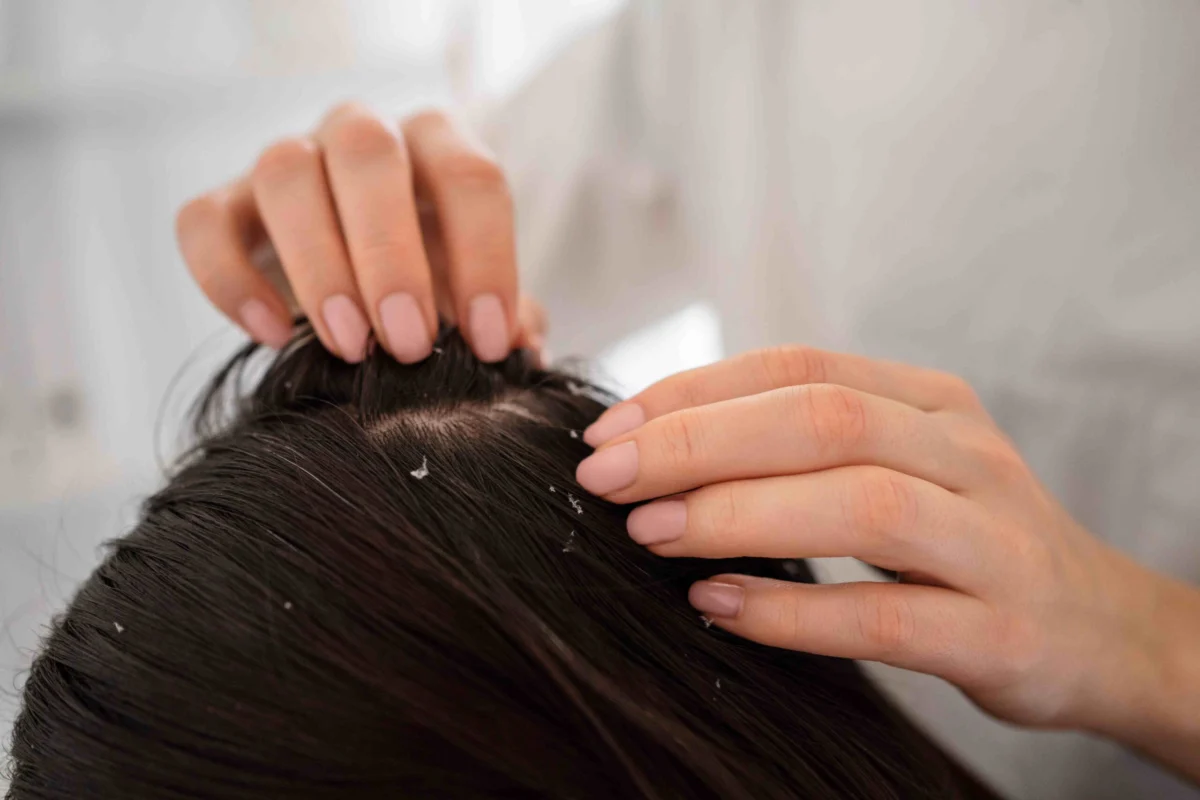
Dry dandruff, often appearing as a subtle yet persistent dusting of white flakes on the hair and shoulders, can be a source of significant discomfort and impact self-confidence. This common scalp condition arises when the scalp loses its natural moisture, leading to an accelerated shedding of dead skin cells. Factors such as arid weather, the use of unsuitable hair products, and overly frequent hair washing can exacerbate this issue. Therefore, comprehending how to effectively address dry dandruff is crucial for maintaining scalp health and achieving a neat, vibrant appearance.
While seemingly straightforward, dry dandruff necessitates a precise approach to prevent recurrence. Many individuals experiment with various hair care products without a thorough understanding of their scalp’s specific needs. However, a gentle and consistent regimen often proves to be the most effective strategy. From selecting the appropriate shampoo to preserving the scalp’s inherent moisture, each small step can contribute to reducing bothersome dandruff flakes. By adopting the correct methods to combat dry dandruff, one not only undertakes comprehensive hair care but also establishes a more balanced routine, fostering a healthier, more comfortable scalp free from irritating flakes.
What Exactly is Dry Dandruff?
Dry dandruff stands as a prevalent scalp concern that can affect anyone. It is typically characterized by the emergence of small, white flakes that detach easily from the scalp, frequently becoming visible on the hair or shoulders. While many associate dandruff solely with hair hygiene, its manifestation is influenced by a variety of factors. In essence, dry dandruff occurs when the scalp becomes dehydrated, prompting dead skin cells to shed at an accelerated rate. This shedding process is a natural physiological function, but when the scalp is excessively dry, these flakes become more apparent and are often accompanied by an irritating itch.
Beyond a dry scalp, certain daily habits can also trigger this type of dandruff. Examples include the use of harsh hair care products, washing hair too frequently, or exposure to cold air, which depletes the scalp’s moisture. Dry dandruff differs from oily dandruff, which tends to adhere to the hair and scalp. The flakes associated with dry dandruff are generally lighter, fall off easily, and resemble fine grains. Understanding the nature of dry dandruff is the initial step towards finding effective solutions. By recognizing its causes and characteristics, one can select more appropriate hair treatments to maintain a balanced, healthy scalp, free from the distracting flakes of dandruff.
The visual evidence of dry dandruff often starts with the appearance of fine white flakes. These are typically lightweight and readily transfer to clothing, particularly the shoulders, creating an undesirable aesthetic. This phenomenon is a direct result of the scalp’s compromised moisture barrier, leading to premature desquamation.
Symptoms of Dry Dandruff to Be Aware Of
1. Appearance of Fine White Flakes on Hair
One of the most common indicators of dry dandruff is the presence of small white flakes on the hair. These flakes are usually very light and easily fall onto the shoulders, especially when the hair is brushed or touched. This condition arises when the scalp experiences accelerated shedding due to a lack of moisture. Although seemingly minor, these flakes can detract from one’s appearance, prompting many to seek ways to maintain scalp health. The visibility of these flakes can be particularly noticeable against darker clothing, leading to self-consciousness.
2. Dry Scalp Sensation
A dry sensation on the scalp is an early warning sign that often precedes the clear manifestation of dandruff. This condition can create a feeling of tightness or discomfort, particularly after washing hair. When the scalp’s natural moisture levels decrease, its protective barrier becomes more vulnerable to environmental changes. If left unaddressed, an excessively dry scalp can trigger the shedding of dead skin cells, which ultimately presents as dandruff. This dryness can also manifest as a feeling of "tightness" on the scalp, especially after exposure to dry air.
3. Scalp Itchiness
A particularly bothersome symptom of dry dandruff is scalp itchiness. This sensation typically occurs because the scalp has lost moisture, making it more sensitive. Many individuals instinctively scratch their heads to alleviate this discomfort. However, this habit can worsen scalp irritation. Therefore, it is important to pay attention to this symptom to ensure timely and appropriate hair treatment. The urge to scratch can become persistent, leading to further irritation and potentially even minor abrasions.
4. Dull-Looking Hair
Dry dandruff can also contribute to hair appearing less lustrous. When the scalp is not in optimal health, the hair’s natural balance can be disrupted. Consequently, the hair may look drier, duller, and less smooth than usual. This condition often makes the hair appear less vibrant, even when styled. Addressing scalp health is a crucial step in ensuring hair remains clean and radiant. The compromised scalp environment can affect the hair cuticle, leading to a loss of shine and a rougher texture.
5. Dandruff Flakes Easily Fall onto Shoulders
Unlike oily dandruff, the flakes associated with dry dandruff are typically very light and fall off easily. When the hair is moved or brushed, these small flakes often land on the shoulders or clothing. This can lead to a lack of confidence, especially when wearing dark-colored attire. Understanding these symptoms helps in promptly identifying the scalp’s condition, allowing for the implementation of suitable treatment measures. The ease with which these flakes detach is a distinguishing characteristic of dry dandruff.
6. Scalp Sensitivity
A sensitive scalp can also be an indicator of dry dandruff. A mild stinging sensation or general discomfort may arise when using certain hair care products. This occurs because a dry scalp has a weakened protective layer. As a result, the skin becomes more reactive to the chemicals present in hair products. Gentle and appropriate care can help soothe this condition. This sensitivity can make it difficult to find hair products that do not cause irritation, further compounding the problem.
7. Dandruff Appears More Frequently in Cold Weather
Many people observe that dry dandruff tends to appear more frequently during cold or dry weather conditions. Such environmental factors can accelerate the loss of natural moisture from the scalp. Consequently, the shedding of dead skin cells becomes more noticeable. Paying attention to these seasonal changes is important for adjusting hair care routines to maintain scalp balance consistently. The reduction in ambient humidity during colder months is a significant contributing factor to increased scalp dryness.

Causes of Dry Dandruff
1. Scalp Losing Natural Moisture
One of the primary reasons for dry dandruff is the scalp’s loss of its natural moisture. When the skin barrier is insufficiently hydrated, the process of skin cell regeneration can accelerate, making dead skin cell flakes more visible. This condition is often triggered by dry weather, exposure to cold air, or a lack of treatments that maintain scalp hydration. Preserving moisture is a vital step in ensuring the scalp remains balanced and free from dry dandruff. Scientific studies on skin hydration indicate that a moisture deficit of even 10% can lead to visible changes in skin cell turnover.
2. Overly Frequent Hair Washing
Washing hair excessively can also contribute to dry dandruff. Although shampooing is essential for hair hygiene, doing so too often can strip away the natural oils that protect the scalp. Without this protective oil layer, the scalp becomes more susceptible to dryness and irritation. Consequently, dead skin cells shed more rapidly and appear as dandruff. Maintaining a balanced shampooing frequency helps preserve the scalp’s natural health. Dermatologists often recommend washing hair every two to three days, depending on individual hair type and activity levels.
3. Use of Unsuitable Hair Products
Certain hair care products contain ingredients that can be too harsh for some scalps. If a product is not suitable, it can cause the scalp to become dry, sensitive, and even itchy. These reactions often trigger skin shedding that ultimately presents as dry dandruff. Therefore, choosing gentle shampoos and hair care products that align with the scalp’s specific needs is a crucial step in preventing this issue. Many common ingredients like sulfates and certain alcohols can be particularly drying for sensitive scalps.
4. Cold Weather or Dry Air
Changes in weather can also impact scalp condition. When the air becomes colder or drier, the scalp’s natural moisture content can diminish. As a result, the skin becomes more prone to dryness and flaking. This phenomenon causes dry dandruff to appear more frequently in seasons or environments with low humidity levels. Adjusting hair care to suit environmental conditions can help optimize scalp health. For instance, indoor heating during winter can significantly reduce indoor humidity, exacerbating scalp dryness.
5. Lack of Scalp Care
The scalp often receives less attention than the hair itself. However, the condition of the scalp plays a significant role in maintaining overall hair health. If not cared for properly, the scalp can become dry and more prone to shedding. Simple habits such as using appropriate products and maintaining moisture balance can help prevent the onset of dry dandruff and promote healthier-looking hair. Many people focus solely on the hair strands, neglecting the foundation upon which healthy hair grows.
How to Eliminate Dry Dandruff
1. Use a Specialized Dandruff Shampoo
One effective method for eliminating dry dandruff is to use a shampoo specifically formulated to address this issue. Dandruff shampoos typically contain ingredients that help soothe the scalp while reducing the shedding of dead skin cells. Opt for products with gentle formulas to avoid further drying of the scalp. With regular and correct usage, these specialized shampoos can help maintain scalp balance and leave hair feeling cleaner and fresher. Active ingredients commonly found in dandruff shampoos include zinc pyrithione, selenium sulfide, ketoconazole, and salicylic acid.
2. Maintain Scalp Moisture
A well-hydrated scalp can significantly reduce dry dandruff. You can use conditioners or hair care products that help preserve the scalp’s natural moisture. Additionally, avoid using excessively hot water when washing hair, as this can further dry out the scalp. By maintaining moisture balance, the scalp will feel more comfortable, and the process of dead skin cell shedding can gradually decrease. Applying a leave-in conditioner or a scalp serum can provide sustained hydration.
3. Reduce Excessive Hair Washing Frequency
Washing hair too frequently can strip away the natural oils that protect the scalp. Without these oils, the scalp becomes more susceptible to dryness, which triggers dandruff. Therefore, it is important to adjust shampooing frequency according to the needs of your hair and scalp. Typically, washing hair two to three times a week is sufficient to maintain hair cleanliness without disrupting the scalp’s natural balance. The effectiveness of this recommendation can vary based on individual sebum production and environmental exposure.
4. Utilize Natural Ingredients for Treatment
Certain natural ingredients can gently help alleviate dry dandruff. For instance, coconut oil or olive oil are known for their moisturizing properties for the scalp. Apply a small amount of oil to the scalp and massage gently before shampooing. This treatment helps moisturize the scalp and reduce dandruff flakes. Consistent use can lead to healthier-feeling hair and a more comfortable scalp. Many anecdotal reports and some scientific studies support the efficacy of natural oils in improving scalp health.
5. Pay Attention to a Healthy Lifestyle
Scalp health is also influenced by daily lifestyle habits. A balanced nutritional intake, adequate water consumption, and stress management can contribute to overall skin health, including that of the scalp. When the body receives sufficient nutrients, skin regeneration processes can occur more harmoniously, making dry dandruff less likely to appear. These internal care measures serve as an important complement to maintaining healthy, dandruff-free hair. A diet rich in omega-3 fatty acids and B vitamins is often recommended for skin and hair health.
The prevalence of dry dandruff is a global concern, with estimates suggesting that a significant percentage of the population experiences dandruff in some form at least once in their lifetime. While specific statistics for dry dandruff versus other types can vary, the underlying mechanisms of scalp dryness and skin cell turnover are widely studied in dermatology. The economic impact of the dandruff treatment market, encompassing shampoos, conditioners, and specialized treatments, is substantial, reflecting the widespread need for effective solutions. This market is projected to continue its growth trajectory, driven by increasing consumer awareness and demand for effective scalp care.
Understanding the nuances of dry dandruff, from its subtle symptoms to its underlying causes, empowers individuals to take proactive steps towards a healthier scalp. By adopting a consistent and appropriate hair care regimen, incorporating natural remedies, and paying attention to overall well-being, the persistent issue of dry dandruff can be effectively managed, paving the way for healthier hair and renewed confidence. The journey to a dandruff-free scalp is often one of consistent care and informed choices.