Tyo Susilo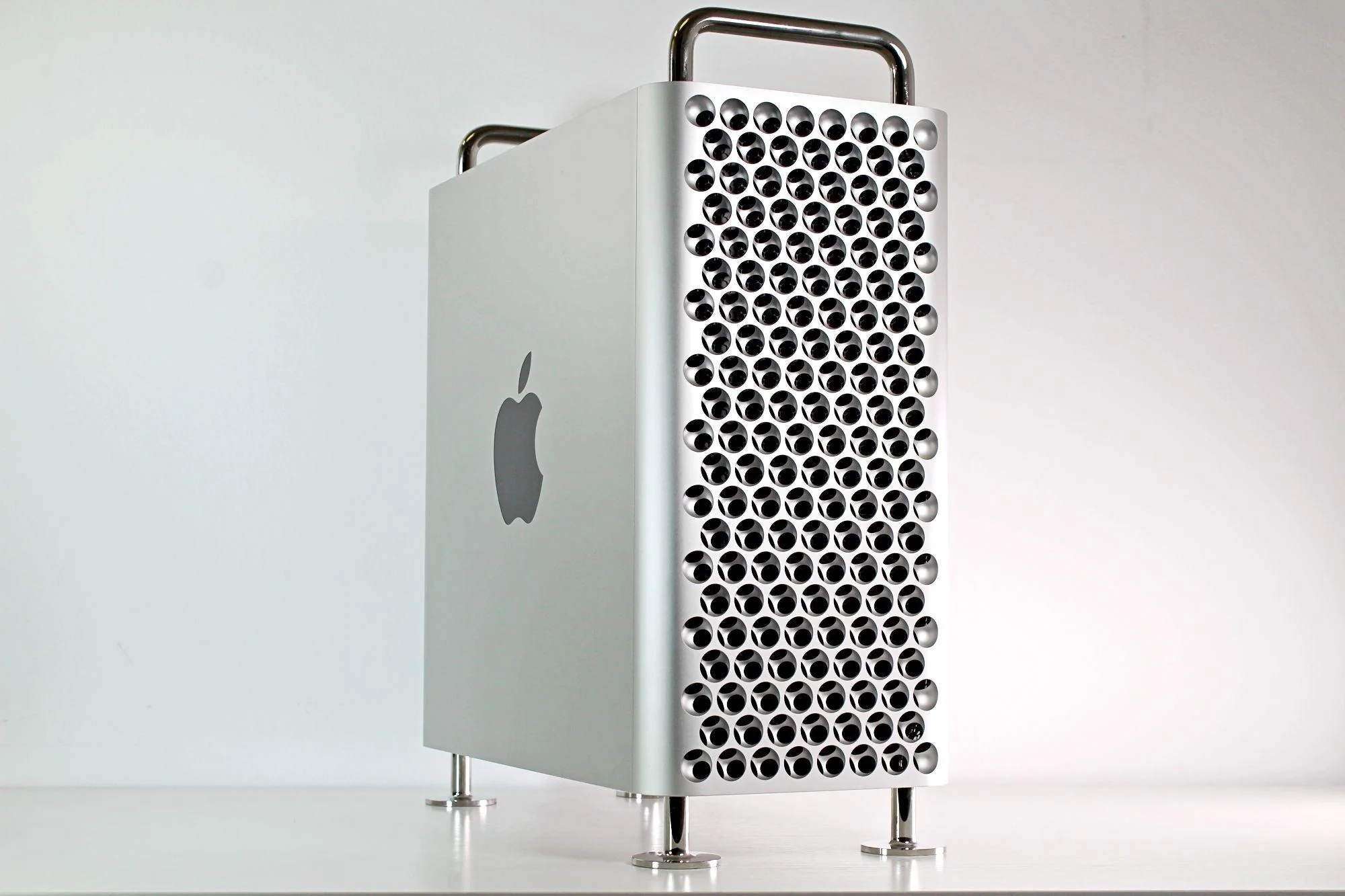
Apple has officially ceased production of its long-standing and iconic Mac Pro line, marking the end of an era for one of its most recognizable professional workstations. The product, long lauded for its flexibility and modularity, has been quietly removed from Apple’s official website, signaling a definitive end to its manufacturing. This move, while perhaps not entirely unexpected by industry observers, represents a significant strategic pivot for Apple in its approach to the high-end computing market.
The discontinuation of the Mac Pro follows a period where the product had appeared to lag behind Apple’s rapid advancements in its own silicon architecture. The last iteration of the Mac Pro, updated in 2023, featured the M2 Ultra System-on-Chip (SoC). While a powerful processor, it represented a more incremental update compared to the significant leaps seen in other Mac lines that had transitioned to Apple’s proprietary M-series chips, including the M3 and anticipated M4 generations. This stagnation in the Mac Pro’s development raised questions about its future relevance within Apple’s evolving product ecosystem.
The Rise of the Mac Studio and the Evolving Professional Landscape
Concurrent with the Mac Pro’s gradual phasing out, Apple’s Mac Studio has emerged as a formidable contender in the professional workstation space. The Mac Studio, introduced in 2022, has rapidly gained traction by offering substantial performance capabilities within a more compact and streamlined form factor. Recent updates to the Mac Studio line have incorporated newer and more powerful SoC options, such as the M3 Ultra and M4 Max, further solidifying its position as Apple’s premier desktop solution for demanding creative and technical workflows. This aggressive advancement in the Mac Studio line has, for many users, effectively supplanted the Mac Pro as the go-to choice for high-performance computing.
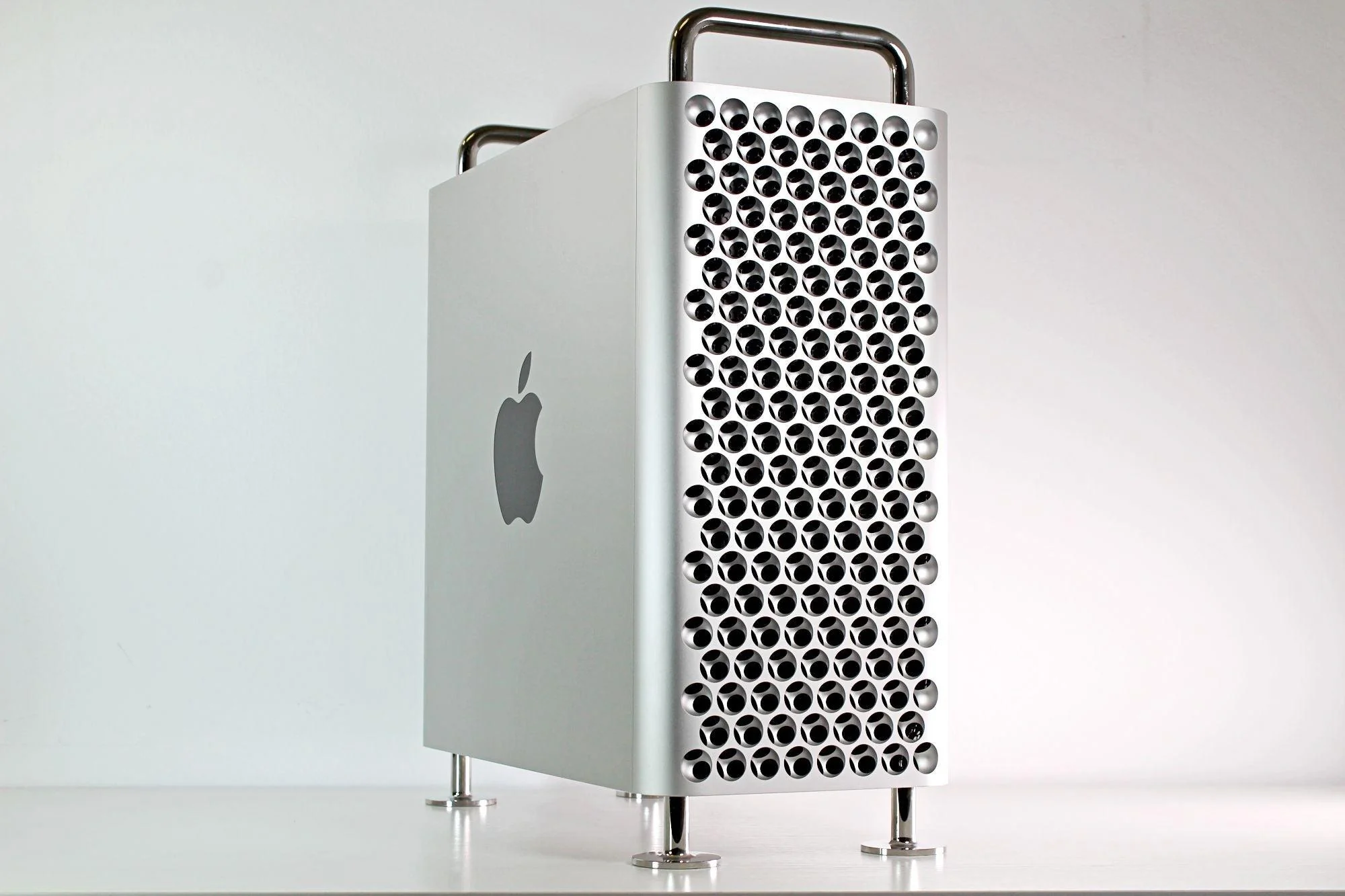
The Mac Pro’s primary differentiator, and arguably its most defining characteristic, was its robust expandability through PCIe slots. This feature was crucial for a specific segment of professional users, including video editors, audio engineers, and visual effects artists, who relied on specialized add-in cards for enhanced graphics processing, audio interfaces, or high-speed storage solutions. However, the necessity for such hardware expansion has diminished over time. The widespread adoption of high-bandwidth Thunderbolt connectivity has enabled a new generation of external peripherals that can offer comparable or even superior functionality without requiring internal PCIe cards. This technological shift has arguably reduced the unique selling proposition of the traditional modular Mac Pro for a broader range of professional applications.
A Premium Product with a Niche Appeal
From a financial perspective, the Mac Pro has consistently occupied the upper echelon of Apple’s pricing structure. With a starting price typically in the vicinity of $6,999 USD, it represented one of the most expensive Mac configurations available. This premium pricing, coupled with its specialized feature set, resulted in relatively modest sales volumes compared to other Mac models. While it served a critical role for a dedicated user base, its cost and complexity made it inaccessible or unnecessary for a significant portion of Apple’s professional clientele. This economic reality likely played a considerable role in Apple’s decision to discontinue the product.
Apple’s strategy in the professional market appears to be evolving towards a more consolidated and streamlined approach. The company is not abandoning its professional user base; rather, it is redirecting its focus towards devices that offer high performance within more manageable and versatile form factors. The Mac Studio, for instance, can be configured for rack mounting and interconnected via Thunderbolt, creating powerful, scalable computing clusters suitable for intensive tasks such as artificial intelligence development and large-scale data processing. This strategic shift means Apple’s current desktop lineup is now more focused, offering three primary options: the all-in-one iMac, the compact Mac mini, and the powerful Mac Studio.
A Look Back at the Mac Pro’s Legacy
The original Mac Pro, launched in 2006, replaced the Power Macintosh G5 and was initially designed with an emphasis on power users and professionals who demanded maximum performance and expandability. It quickly became a symbol of Apple’s commitment to the professional creative industry, offering a robust platform for tasks that pushed the boundaries of computing. Over the years, the Mac Pro underwent several redesigns, including the radical "trash can" design introduced in 2013, which, while aesthetically striking, faced criticism for its limited expandability and thermal management. The return to a more traditional, tower-based design with the 2019 model, featuring extensive PCIe slots and user-accessible components, was seen as a significant step in reclaiming its modular heritage.

The transition to Apple Silicon marked a critical juncture. While the M-series chips offered unparalleled performance and efficiency for most Mac users, the architecture presented challenges for the traditional PCIe expansion model of the Intel-based Mac Pro. Apple’s decision to focus its development efforts on optimizing its own silicon for the broader Mac lineup naturally led to a divergence in product strategy. The Mac Pro, with its reliance on external hardware and a more traditional approach to internal expansion, became an outlier in this new era of integrated Apple Silicon performance.
Implications for the Professional Computing Market
The discontinuation of the Mac Pro raises pertinent questions about the future of modular workstations in the professional computing landscape. For users who relied heavily on the unique expandability offered by the Mac Pro, the transition to alternative solutions, whether internal upgrades within the Mac Studio or the adoption of powerful external hardware enclosures, will require careful consideration. The industry will be watching to see if this move signifies a broader trend away from highly modular desktop systems in favor of more integrated and software-defined solutions.
It is also possible that Apple’s strategic shift is not merely a response to current market demands but also an effort to redefine how professional computing is approached. By consolidating its high-performance desktop offerings into the Mac Studio, Apple may be aiming to guide users towards a more unified and streamlined ecosystem, leveraging the strengths of Apple Silicon and its robust Thunderbolt connectivity. This could foster greater innovation in software and hardware integration, ultimately benefiting a wider range of professional users.
The absence of the Mac Pro from Apple’s product catalog undoubtedly leaves a void for a specific segment of its most demanding users. However, the company’s continued investment in powerful, albeit less modular, professional-grade machines like the Mac Studio suggests a clear vision for the future of its pro-level computing. The ultimate impact on the professional computing market will depend on how effectively Apple can continue to meet the evolving needs of its creative and technical clientele with its refined product strategy, and whether the industry at large embraces this shift towards more integrated and efficient computing architectures. The era of the iconic, highly modular Mac Pro may be over, but its legacy undoubtedly informs the path forward for professional computing at Apple.