Lusiana Hamidun
Korean disaster films have carved a significant niche in the global cinematic landscape, captivating audiences with their potent blend of adrenaline-pumping action, profound emotional depth, and often, a stark examination of human resilience in the face of overwhelming adversity. These productions consistently push the boundaries of visual effects, creating nail-biting scenarios that range from devastating earthquakes and colossal tsunamis to virulent pandemics and catastrophic industrial accidents. Beyond the spectacle, however, lies the true heart of these films: an exploration of the human spirit, the primal instinct for survival, and the extraordinary acts of sacrifice that emerge when civilization teeters on the brink. For enthusiasts of gripping narratives filled with suspense, drama, and an unflinching look at the darker, yet ultimately hopeful, aspects of human nature, South Korea’s cinematic output offers a compelling and unforgettable viewing experience.
The Korean film industry has demonstrated a remarkable aptitude for translating the visceral fear and profound sorrow associated with natural and man-made disasters into compelling cinematic narratives. These films are not merely about the spectacle of destruction; they delve into the intricate tapestry of human relationships, the ethical dilemmas faced under duress, and the collective struggle to rebuild and persevere. The meticulous attention to detail in their visual effects, coupled with strong character development and poignant storytelling, has cemented their status as must-watch productions for a global audience seeking both entertainment and introspection.
The Unstoppable Force: A Look at South Korea’s Premier Disaster Films
1. Train to Busan (2016): A Zombie Apocalypse on Rails
"Train to Busan" stands as a monumental achievement in the Korean film industry, a global phenomenon that masterfully fuses the genres of disaster, thriller, and family drama into an intensely gripping narrative. Its success lies in its ability to create an intimate, claustrophobic setting – a speeding train – and fill it with characters grappling with an unprecedented, terrifying threat.

The plot centers on Seok-woo, a work-obsessed financial manager, who embarks on a train journey from Seoul to Busan with his young daughter. What begins as a routine trip quickly devolves into a harrowing ordeal as a mysterious and rapidly spreading outbreak transforms the populace into ravenous, aggressive zombies. The confines of the train become a microcosm of a collapsing society, with the virus spreading with terrifying speed among the passengers. In the ensuing chaos, survivors are forced to unite, their individual survival instincts clashing with the desperate need for collective action as they race against time to reach the relative safety of Busan, a city rumored to be unaffected.
The film transcends the typical zombie fare by offering a profound commentary on societal divisions, selfishness versus altruism, and the lengths to which individuals will go to protect their loved ones. The intense action sequences are punctuated by moments of genuine emotional resonance, exploring themes of redemption, guilt, and the enduring power of familial bonds. The film’s depiction of a swift societal breakdown, triggered by an unseen biological threat, mirrors anxieties about global health crises and the fragility of modern infrastructure, making its themes resonate even more powerfully in the years since its release.
2. Tidal Wave (Haeundae, 2009): The Unforeseen Fury of the Ocean
Known internationally as "Tidal Wave" and in its native Korean as "Haeundae," this 2009 film was a pioneering work, marking one of South Korea’s first large-scale disaster epics and setting a new benchmark for visual effects in the country’s cinema. The film plunges viewers into the heart of a catastrophic tsunami that devastates the popular coastal city of Haeundae in Busan.
The narrative unfolds against the backdrop of the bustling Haeundae beach, a vibrant tourist hotspot, where locals and visitors alike are unaware of the impending doom. A diligent geoscientist, having observed unusual seismic activity and oceanographic anomalies, issues dire warnings of an imminent megatsunami. Unfortunately, his predictions are largely dismissed by the authorities, a common narrative trope in disaster films that highlights the often-tragic consequences of bureaucratic inaction and underestimation of scientific data.
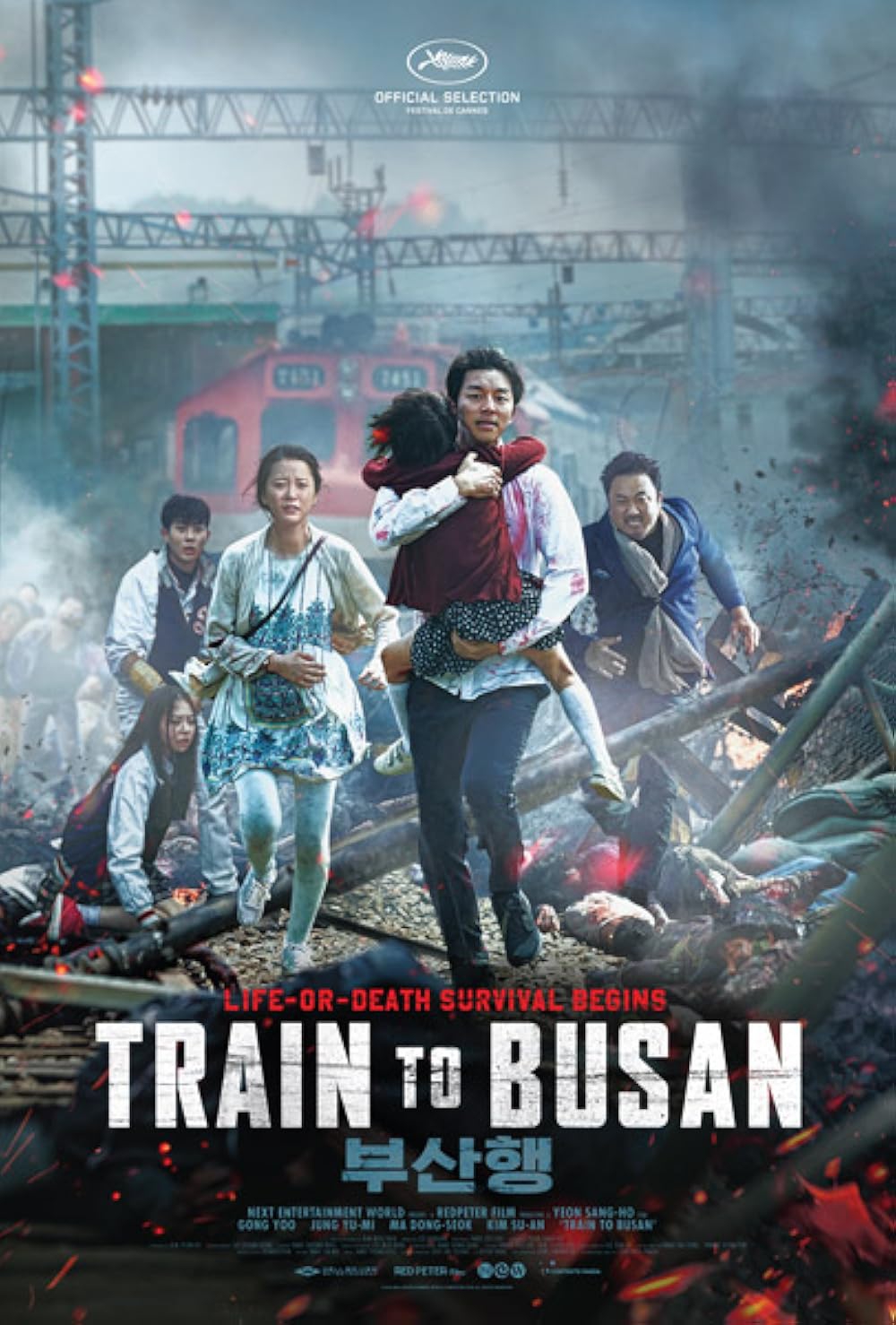
When the monstrous tidal wave inevitably strikes, it unleashes a torrent of destruction, turning the idyllic beach into a scene of unimaginable chaos. Thousands are caught off guard, forcing them into a desperate fight for survival against the relentless power of the ocean. The film meticulously portrays the panic, the frantic rescue efforts, and the deeply personal stories of individuals caught in the maelstrom, striving to reunite with loved ones and escape the watery abyss. "Tidal Wave" effectively captures the sheer terror of being overwhelmed by nature’s might, while simultaneously showcasing the courage and selflessness that emerge in the face of such overwhelming odds. The film’s depiction of the tsunami’s destructive power, a force of nature that respects no boundaries, serves as a stark reminder of our vulnerability to the planet’s geological forces.
3. The Flu (2013): A Race Against a Deadly Pandemic
"The Flu" delves into the terrifying realm of biological disaster, presenting a chillingly realistic portrayal of a hyper-virulent pathogen that sweeps through a densely populated urban center. The film offers a prescient glimpse into the societal upheaval and public health crisis that a rapidly spreading, deadly virus can precipitate.
The story ignites when a group of undocumented immigrants enters South Korea, inadvertently carrying a deadly airborne virus with an alarmingly high mortality rate. The pathogen is characterized by its swift progression, capable of killing infected individuals within a mere 36 hours of symptom onset. The virus quickly establishes a foothold in the city of Bundang, leading to the imposition of a complete and draconian quarantine by the government. Amidst the escalating panic and societal breakdown, a dedicated doctor, Kim In-hae, and a rescue worker join forces in a desperate race against time. Their mission is twofold: to contain the relentless spread of the virus and to identify a potential cure or preventative measure, focusing on a young girl who may possess natural antibodies to the disease.
"The Flu" excels in generating palpable tension, meticulously depicting the rapid collapse of order and the immense challenges faced by healthcare professionals and government agencies during an extreme public health emergency. The film’s exploration of quarantine protocols, societal fear, and the ethical considerations of public health policy provides a stark and thought-provoking commentary on preparedness and response in the face of pandemics, themes that have become increasingly relevant in the contemporary global landscape. The rapid onset of symptoms and high fatality rate underscore the terrifying speed at which a novel virus can devastate a population, highlighting the critical importance of swift and decisive action from public health authorities.
4. Pandora (2016): The Nuclear Nightmare
"Pandora" confronts the catastrophic potential of a nuclear disaster, a scenario that looms large in the collective consciousness of many nations. The film’s narrative is anchored to a devastating earthquake that cripples a nuclear power plant, triggering a chain of events with potentially apocalyptic consequences.
The story centers on Jae-hyeok, an ordinary worker at a nuclear power facility located in a small town. A massive earthquake strikes, rendering the plant’s safety systems inoperable and leading to a dangerous radioactive leak. The situation deteriorates rapidly when a secondary explosion rocks the facility, and radioactive material begins to escape into the surrounding environment, posing an existential threat to the region. As the government struggles to contain the escalating crisis, the workers trapped within the facility are forced to make incredibly dangerous decisions to prevent an even larger catastrophe.
Beyond the visceral horror of a nuclear meltdown, "Pandora" serves as a sharp critique of safety protocols, governmental transparency, and the preparedness of regulatory bodies in the face of such extreme emergencies. The film highlights the human cost of industrial negligence and the ethical quandaries faced by those tasked with managing nuclear technology. The specter of a nuclear event, with its long-lasting environmental and health consequences, remains a potent symbol of humanity’s capacity for self-destruction, making "Pandora" a cautionary tale of significant weight. The film’s depiction of a government struggling to maintain control and communicate effectively with its citizens during a crisis underscores the importance of robust disaster management plans and transparent communication channels.
5. Sinkhole (2021): A Comedic Descent into Disaster

"Sinkhole" offers a refreshing departure from the grim intensity often associated with disaster films, ingeniously weaving elements of dark comedy into its suspenseful narrative. The film presents a unique and often humorous take on the chaos and absurdity that can accompany an unexpected natural phenomenon.
The story follows Dong-won, a man who has finally achieved his dream of purchasing an apartment after years of hard work. To celebrate his move, he hosts a housewarming party for his colleagues. However, the celebratory mood is abruptly shattered when a colossal sinkhole inexplicably opens up beneath the apartment building, swallowing the entire structure and plunging it deep into the earth. The residents, trapped in the subterranean abyss, must band together and fight for survival while awaiting rescue from the emergency services.
The film skillfully balances moments of genuine peril and claustrophobic tension with laugh-out-loud comedic situations, creating a viewing experience that is both thrilling and entertaining. "Sinkhole" demonstrates that even in the face of extreme danger, human beings can find moments of levity and connection. The absurdity of the situation—an entire apartment building vanishing underground—provides ample opportunity for witty dialogue and slapstick humor, all while maintaining a core of suspense and the inherent drama of a survival scenario. This blend of genres allows the film to explore themes of community and resourcefulness in a lighthearted yet impactful way, proving that disaster films can be both thought-provoking and genuinely fun.
6. Ashfall (2019): The Volcanic Fury of Baekdu Mountain
"Ashfall" presents a large-scale volcanic disaster narrative, drawing on the iconic Baekdu Mountain, the highest peak on the Korean Peninsula, as its central threat. The film intricately weaves together characters from both North and South Korea in a high-stakes mission to avert a continental catastrophe.

The plot is set in motion when Baekdu Mountain, an active volcano, erupts with unprecedented force, triggering a series of devastating earthquakes across the peninsula. Scientists predict that further, more violent eruptions are imminent, posing a grave threat to the existence of both Koreas. To neutralize the escalating danger, a specialized task force from South Korea collaborates with an agent from North Korea on a perilous and clandestine operation. Their objective is to disarm the immense magma pressure building within the volcano before the next cataclysmic eruption occurs.
"Ashfall" is replete with spectacular action sequences, massive explosions, and an intense dramatic arc that keeps audiences on the edge of their seats. The film capitalizes on the inherent drama of a natural disaster on a continental scale, combining it with the geopolitical tension and complexities of inter-Korean relations. The visual spectacle of the volcanic eruption and its aftermath is rendered with impressive CGI, creating a visceral sense of the destructive power at play. The film’s exploration of a shared threat that transcends political divides highlights the potential for cooperation in the face of existential danger, offering a narrative that is both thrilling and subtly political.
The Enduring Appeal of Korean Disaster Cinema
The global appeal of Korean disaster films is rooted in several key factors that distinguish them within the genre:
- Profound Emotional Resonance: These films often excel at weaving deeply emotional narratives, focusing on the complexities of family relationships, the profound sacrifices individuals make for one another, and the raw struggle for survival against seemingly insurmountable odds. The human element is always at the forefront, making the audience connect with the characters on a visceral level.
- Compelling Character Development: Beyond the grand spectacle of destruction, Korean disaster movies invest heavily in developing their characters. Audiences are invited to witness the transformations, moral quandaries, and personal growth of individuals as they navigate extreme circumstances. This focus on character arcs elevates the films from mere action spectacles to compelling human dramas.
- Cutting-Edge Visual Effects: The South Korean film industry has consistently demonstrated its commitment to technological advancement. The visual effects employed in these disaster films are often of a remarkably high caliber, creating realistic and awe-inspiring depictions of catastrophic events that are both believable and terrifying. The ability to translate the sheer scale of destruction onto the screen with such fidelity is a significant draw for audiences.
- Masterful Genre Blending: A hallmark of Korean cinema is its adeptness at seamlessly blending genres. Disaster films from South Korea frequently incorporate elements of action, thriller, drama, and even comedy, creating a dynamic and multi-layered viewing experience. This fusion prevents the narratives from becoming monotonous and allows for a broader emotional spectrum to be explored, keeping audiences engaged from start to finish.
- Unique Cultural Nuances: While the themes of disaster are universal, Korean films often infuse their narratives with distinct cultural values and social commentary. This can range from exploring the importance of community and collective action to critiquing societal structures and governmental responses. These cultural specificities offer a fresh perspective on familiar disaster tropes, making them relatable yet distinct.
These cinematic works are more than just entertainment; they often carry powerful moral messages about the importance of cooperation, the enduring strength of the human spirit, and the critical need for empathy and mutual support. The films serve as a stark reminder of our planet’s unpredictable nature and the potential for both devastation and extraordinary resilience within humanity.
In conclusion, Korean disaster films offer a compelling and unforgettable cinematic journey. Whether it is the relentless terror of a zombie outbreak, the overwhelming might of a tsunami, the insidious creep of a pandemic, the catastrophic potential of nuclear power, the unexpected absurdity of a sinkhole, or the explosive fury of a volcano, each film provides a unique and impactful viewing experience. For those seeking narratives that are not only thrilling and visually spectacular but also emotionally resonant and thought-provoking, the recommendations above represent a prime selection of Korean cinema’s finest contributions to the disaster genre, promising an unforgettable exploration of humanity’s capacity to endure and overcome.