Chalifah Fatihah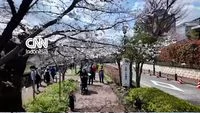
Thousands of visitors flocked to parks across Tokyo, Japan, on Friday, March 27th, to witness the breathtaking spectacle of cherry blossoms, marking the official commencement of the highly anticipated sakura season. Following several days of intermittent rainfall, the delicate petals have finally unfurled their vibrant hues across the metropolitan landscape, transforming urban spaces into ethereal, ephemeral gardens. In Japan, the blooming of the cherry blossoms is inextricably linked with the cherished tradition of ‘Hanami,’ a cultural practice that literally translates to "flower viewing" and embodies a profound appreciation for the transient beauty of nature. Throughout the Hanami season, city parks become vibrant hubs of activity, teeming with eager visitors who spread blankets, share meals, and engage in lively conversation beneath the cascading branches, all while immersed in the serene splendor of the blooming sakura.
The Gentle Unfurling: A Symbol of Renewal and Transience
The arrival of sakura season in Tokyo is not merely a visual delight; it is a deeply ingrained cultural event that signifies renewal, the fleeting nature of life, and the cyclical passage of time. This year, the bloom commenced with a gentle grace, painting the cityscape in soft shades of pink and white. The weather patterns leading up to the full bloom played a crucial role. While several days of rain preceded the vibrant display, this precipitation is often vital for nourishing the trees and ensuring a robust blossoming. Meteorologists had closely monitored the temperature fluctuations, as these are the primary drivers of the sakura’s blooming timeline.
The Japan Meteorological Corporation, a key authority in tracking the nation’s floral forecasts, had predicted the optimal blooming period for Tokyo to begin in late March. Their meticulous data collection, which includes analyzing historical temperature data and current weather patterns, allows for increasingly accurate predictions. This year’s forecast proved to be largely on target, much to the delight of the public. The timing of the bloom is of immense importance, not only for the cultural festivities but also for the tourism industry. International visitors often plan their trips around this specific period, eager to experience the magic of Japan during its most iconic floral display.
A Nation’s Embrace: The Deep Roots of Hanami
Hanami is far more than just picnicking under trees; it is a centuries-old ritual woven into the fabric of Japanese society. Its origins can be traced back to the Nara period (710-794 AD), when it was initially a practice of the aristocracy, inspired by the plum blossoms. However, by the Heian period (794-1185 AD), the focus shifted to the cherry blossoms, which held a greater symbolic resonance. The sakura, with its ephemeral beauty, came to represent the impermanence of life, a concept deeply rooted in Buddhist philosophy. This philosophical undercurrent adds a layer of profound meaning to the seemingly simple act of flower viewing.
The tradition evolved over centuries, becoming more accessible to the general populace. During the Edo period (1603-1868), the practice of Hanami truly flourished, with the establishment of public parks and the widespread planting of cherry trees. This era saw the formalization of many of the customs associated with Hanami, including the gathering of friends and family, the sharing of sake and bento boxes, and the general atmosphere of jovial celebration. Today, Hanami is a nationwide phenomenon, with communities across Japan participating in their own unique local celebrations. While Tokyo’s Hanami often garners significant international attention, similar traditions are observed in smaller towns and rural areas, each with its own distinct charm.
The Sakura Spectacle: A Symphony of Color and Activity
On Friday, March 27th, the parks of Tokyo were alive with a palpable sense of anticipation and joy. Iconic locations such as Ueno Park, Shinjuku Gyoen National Garden, and Chidorigafuchi Moat were thronged with visitors. Families spread out vibrant picnic mats, their laughter mingling with the gentle rustling of leaves. Office workers, taking a well-deserved break, gathered in small groups, their faces illuminated by the soft light filtering through the blossoms. Couples strolled hand-in-hand, capturing the picturesque scenery with their cameras.
The sheer volume of attendees underscores the cultural significance of the event. Preliminary estimates from the Tokyo Metropolitan Government suggest that visitor numbers on the first weekend of the peak bloom could easily exceed hundreds of thousands, with a significant portion of these being local residents. The economic impact is also substantial. Hotels in prime locations reported near-full occupancy, and businesses selling picnic supplies, food, and souvenirs experienced a surge in sales. Local restaurants and izakayas (Japanese pubs) near popular viewing spots also saw a considerable increase in patronage.
Voices from the Parks: Experiencing the Bloom
Interviews with attendees revealed a consistent theme of appreciation and delight. "It’s been a long winter, and seeing the sakura bloom is like a breath of fresh air," commented Ms. Hiroko Tanaka, a long-time Tokyo resident enjoying a picnic with her family in Ueno Park. "We look forward to this every year. It’s a time to reconnect with nature and with each other."
Mr. Kenji Sato, a student visiting Shinjuku Gyoen, shared his perspective: "I came with my friends to study, but we couldn’t resist the urge to take a break and enjoy the scenery. The atmosphere is so peaceful and beautiful. It makes you forget about your worries for a while."
For international visitors, the experience is often a dream come true. "I’ve seen pictures and videos of Tokyo during sakura season for years," said Sarah Chen, a tourist from Canada. "But nothing prepares you for the sheer beauty of it in person. It’s absolutely magical, and the tradition of Hanami makes it even more special."
Official Perspectives and Preparations
City authorities and park management agencies worked diligently to ensure a smooth and enjoyable experience for the public. The Tokyo Metropolitan Government’s Parks and Greenery Department deployed additional staff to manage crowd flow, provide information, and maintain cleanliness in the parks. Temporary signage was erected to guide visitors and highlight key viewing areas.
A spokesperson for the Parks and Greenery Department stated, "We are thrilled to see such enthusiastic participation in this year’s Hanami. Our priority is to ensure the safety and enjoyment of all visitors while also preserving the natural beauty of our parks. We encourage everyone to be mindful of their surroundings and to dispose of waste responsibly."
Security personnel were also visible in larger parks to assist with crowd management and to ensure public order. Local police departments increased patrols in areas with high visitor concentrations.
Beyond the Bloom: Broader Implications and Future Outlook
The sakura season is a powerful symbol of Japan’s cultural identity and its harmonious relationship with nature. The annual blooming event not only brings immense joy to its citizens but also serves as a significant driver of tourism and economic activity. The consistent timing of the bloom, despite minor yearly variations, has allowed for sophisticated planning by both domestic and international entities.
From an economic standpoint, the sakura season contributes billions of dollars annually to the Japanese economy through tourism, retail, and hospitality sectors. The phenomenon has also inspired a vast array of related products, from sakura-flavored snacks and beverages to decorative items and traditional crafts, further amplifying its economic reach.
However, the delicate nature of the sakura also highlights environmental concerns. Climate change poses a potential threat to the predictable blooming patterns, with warmer winters potentially leading to earlier or less synchronized blooms. This raises questions about the long-term sustainability of the tradition in its current form and prompts ongoing research into climate resilience for these iconic trees.
Furthermore, the sheer popularity of Hanami necessitates continuous efforts in sustainable tourism management. Balancing the desire to experience this natural wonder with the need to protect the fragile ecosystems of the parks is an ongoing challenge. Authorities are increasingly exploring strategies to manage visitor numbers, promote responsible tourism practices, and mitigate the environmental impact of large gatherings.
As the pink and white petals continue to drift on the spring breeze across Tokyo, the sakura season serves as a poignant reminder of beauty, impermanence, and the enduring cultural significance of nature’s most celebrated spectacle. The tradition of Hanami, deeply rooted in Japanese history, continues to flourish, offering a unique blend of natural splendor, social connection, and philosophical reflection for all who partake. The coming weeks will undoubtedly see countless more moments of shared wonder as the nation collectively embraces this fleeting, yet profoundly impactful, season.