Bambang Pamungkas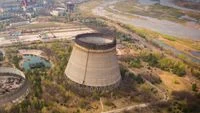
The catastrophic explosion at the Chernobyl Nuclear Power Plant on April 26, 1986, stands as an enduring testament to the critical importance of stringent safety standards in nuclear energy management, encompassing everything from robust infrastructure to the highest levels of human professionalism. Lapses in these crucial aspects can trigger global disasters of fatal proportions, a stark lesson etched into history by the events that unfolded in the Soviet Union over three decades ago. This seminal event, marking the worst nuclear accident in history, resulted from a confluence of inherent reactor design flaws, a deeply flawed safety culture, and a series of grave human errors and procedural violations by plant operators. The lack of adherence to fundamental safety protocols precipitated a humanitarian tragedy of unprecedented scale, directly leading to the deaths of dozens in the immediate aftermath, and indirectly contributing to tens of thousands of long-term fatalities from radiation-induced illnesses. Its devastating impact forced the evacuation of hundreds of thousands of residents, displacing them from their ancestral lands, which are now projected to remain uninhabitable for an estimated 20,000 years due to persistent radioactive contamination.
The Genesis of a Giant: Soviet Nuclear Ambition and the RBMK Design
The Chernobyl nuclear site was an ambitious project by the Soviet Union, driven by a desire to possess the world’s largest nuclear energy capacity. Construction began in the 1970s, with the first reactor, a RBMK-1000 (Reaktor Bolshoy Moshchnosti Kanalnyy, or High-Power Channel-type Reactor), becoming operational in 1977. Each RBMK-1000 reactor was designed to generate 1,000 megawatts (MW) of electrical power, sufficient to supply a large nation’s electricity needs for many years. By 1986, the Chernobyl plant housed four such large-scale reactors, with two more under construction, aiming for a total capacity of 6,000 MW. This rapid expansion was characteristic of the Soviet Union’s centralized, top-down approach to industrial development, often prioritizing output and speed over meticulous safety considerations.
The RBMK reactor design itself was fundamentally flawed, a fact largely kept secret by Soviet authorities. Unlike most Western light-water reactors, the RBMK used graphite as a neutron moderator and ordinary water as a coolant. A critical characteristic of this design was its "positive void coefficient," meaning that if the water coolant turned to steam (a "void"), the reactor’s power output would paradoxically increase rather than decrease. This created an inherent instability, particularly at low power levels. Furthermore, the emergency shutdown system (SCRAM or AZ-5) was designed in a way that, upon full insertion of the control rods, a "displacement effect" initially caused a momentary surge in reactivity before the rods fully dampened the reaction. These design deficiencies were unknown to the operators and were not adequately communicated, laying the groundwork for disaster.
The Fateful Test: A Chronology of Errors and Catastrophe
The disaster on April 26, 1986, stemmed from a planned safety test on Reactor No. 4. The test aimed to determine if, in the event of a power outage, the residual rotational energy of a turbogenerator could provide enough electricity to power the reactor’s emergency cooling pumps until backup diesel generators could take over. This was a critical safety procedure, yet it was poorly planned and executed.
- April 25, 1986, Morning: The test was scheduled to begin during the day shift, but a regional power dispatcher in Kyiv requested a delay to meet peak electricity demands. This postponement meant the test would be conducted by the less experienced night shift, without the presence of specialists or adequate preparation.
- April 25, 1986, Evening: The night shift, led by Deputy Chief Engineer Anatoly Stepanovich Dyatlov and Chief Engineer Nikolai Fomin, began preparing for the test. Against safety regulations, they intentionally disabled several critical safety systems, including the emergency core cooling system (ECCS), to prevent it from interfering with the test.
- April 26, 1986, 00:00 – 01:00: Reactor power was gradually reduced, but due to operational errors and "xenon poisoning" (a buildup of neutron-absorbing xenon-135, common at low power), the reactor’s power level dropped far below the minimum safe operating threshold of 700 MW, plummeting to about 30 MW. Dyatlov, notoriously stubborn and dismissive of concerns, insisted on continuing the test, threatening the technicians with job transfers if they refused. This defiance of safety protocols and disregard for the engineers’ expertise proved fatal.
- April 26, 1986, 01:00 – 01:23: Operators struggled to raise the power, withdrawing most of the control rods manually, leaving the reactor in an extremely unstable and dangerous state, effectively operating outside its safe limits. Fomin was reportedly aware the reactor was at only 200 MW, far below the required 700 MW for the test, yet allowed it to proceed. The primary cooling pumps were switched on, increasing the flow rate and decreasing steam voidage, initially suppressing reactivity.
- April 26, 1986, 01:23:04: The test commenced. Turbines were shut off to observe if their inertia could power the cooling pumps. As the pumps slowed, water flow decreased, leading to increased voidage in the core. The RBMK’s positive void coefficient immediately kicked in, causing a rapid and uncontrolled power surge.
- April 26, 1986, 01:23:40: Realizing the reactor was spiraling out of control, the operators pressed the AZ-5 button, initiating an emergency shutdown. However, due to the aforementioned design flaw, the initial insertion of the control rods displaced water at the bottom of the core, causing a momentary, but massive, spike in reactivity. This power surge, reaching an estimated 100 times its normal operating level, was too rapid and intense.
- April 26, 1986, 01:23:47: The immense heat generated by the power surge caused the fuel rods to rupture, rapidly vaporizing the cooling water into steam. The pressure from this superheated steam caused the first explosion, a steam explosion, which blew off the 2,000-ton reactor lid and destroyed the reactor building’s roof.
- April 26, 1986, 01:23:50: Within seconds, the exposed graphite moderator ignited upon contact with air, and a second, more powerful explosion occurred. This was likely a hydrogen explosion, caused by the reaction of steam with zirconium fuel cladding, releasing hydrogen gas that ignited. This second explosion propelled highly radioactive fragments of the core and graphite into the atmosphere, initiating a massive fire and releasing an unprecedented plume of radioactive materials.
Immediate Aftermath and Heroic Containment Efforts
In the initial hours, many residents of the nearby city of Pripyat, just 3 km away, remained asleep, unaware of the catastrophe unfolding. The scale of the radiation release was so immense that radiation detectors at the plant were immediately overwhelmed, unable to measure the extreme levels. The visible "dust" falling on Pripyat was, in fact, highly radioactive particulate matter.
Firefighters from Pripyat and surrounding areas were among the first responders. Without adequate protective gear or understanding of the invisible enemy they faced, they bravely battled the intense fires on the reactor roof and within the turbine hall, preventing them from spreading to Reactor No. 3. Many of these brave individuals succumbed to acute radiation syndrome (ARS) within weeks or months.
Initial Soviet response was characterized by secrecy and denial. It took over 36 hours for the first evacuation order to be issued for Pripyat, exposing its 49,000 residents to significant radiation doses. Over the following days, a 30-kilometer Exclusion Zone was established, leading to the evacuation of more than 116,000 people from hundreds of settlements.
To contain the ongoing release of radiation and extinguish the graphite fire, hundreds of thousands of "liquidators" – military personnel, firefighters, miners, and volunteers – were mobilized. They dropped tons of sand, lead, clay, and boron onto the burning reactor from helicopters. Miners dug a tunnel beneath the reactor to install a heat exchanger to prevent the molten core from penetrating the groundwater. Ultimately, a massive concrete sarcophagus was hastily constructed over the damaged reactor to encapsulate the radioactive materials, a monumental engineering feat completed in just seven months under extreme conditions.
The Scale of the Catastrophe: Data and Long-Term Impact
The Chernobyl disaster unleashed approximately 400 times more radioactive material into the atmosphere than the atomic bomb dropped on Hiroshima. The primary radionuclides released were Iodine-131, Cesium-137, and Strontium-90, with varying half-lives and biological impacts.
- Human Cost:
- Immediate Deaths: 31 people died within the first few months, primarily plant operators and firefighters, from ARS and thermal burns.
- Long-term Fatalities: Estimates for long-term deaths vary widely due to the difficulty in attributing specific cancers and illnesses directly to radiation exposure years later. The World Health Organization (WHO) and the International Atomic Energy Agency (IAEA) have often cited figures around 4,000 to 9,000 excess cancer deaths among the most exposed populations (liquidators, evacuees, and residents of highly contaminated areas). However, other studies, particularly those from Russian and Ukrainian sources, suggest much higher figures, with some independent reports from the BBC estimating up to 90,000 long-term fatalities from radiation-induced cancers and other diseases.
- Affected Population: Approximately 600,000 liquidators received significant radiation doses. Millions of people, including over 200,000 in Belarus, Ukraine, and Russia, lived in contaminated areas and were exposed to elevated radiation levels. A notable increase in thyroid cancer, especially among children exposed to Iodine-131, was observed in the years following the accident.
- Environmental Impact:
- Radiation Spread: The radioactive plume initially drifted northwest, contaminating vast areas of Belarus, Ukraine, and Russia. Subsequent wind patterns carried fallout across Europe, affecting countries as far away as Sweden, Finland, Germany, and the UK. The WHO estimated that detectable levels of nuclear radiation reached approximately 200,000 square kilometers across Europe.
- Exclusion Zone: The 2,600 square kilometer Exclusion Zone around the plant remains largely uninhabitable for humans. Parts of it, particularly the "Red Forest" (where pine trees turned ginger-brown and died due to extreme radiation), will remain highly contaminated for millennia.
- Ecological Impact: While the immediate impact on wildlife was severe, with many animals dying or suffering mutations, the absence of human activity has paradoxically led to a resurgence of some wildlife populations within the Exclusion Zone, turning it into a de facto nature reserve for wolves, bears, moose, and other species, albeit in a radioactively contaminated environment.
- Economic Cost: The economic toll on the Soviet Union and its successor states, Ukraine and Belarus, was immense. It included the costs of evacuation, resettlement, compensation, healthcare for affected populations, agricultural losses, decontamination efforts, and the construction of the sarcophagus and its eventual replacement. Estimates range into hundreds of billions of dollars over decades.
Official Responses and Global Implications
The Soviet government’s initial attempts at secrecy were quickly exposed by increasing radiation levels detected in Sweden. This forced a belated admission and a partial explanation by Mikhail Gorbachev, then Soviet General Secretary, who publicly acknowledged the disaster on May 14, 1986. The incident severely damaged the Soviet Union’s international credibility and contributed to the policy of glasnost (openness) that preceded its collapse.
Internationally, the Chernobyl disaster sent shockwaves through the global nuclear industry. The International Atomic Energy Agency (IAEA) played a crucial role in investigating the accident, providing technical assistance, and coordinating international efforts. Its findings, along with those of other international bodies, highlighted critical design flaws of the RBMK reactor and severe deficiencies in Soviet safety culture and operator training.
The most profound legacy of Chernobyl is its transformative impact on global nuclear safety standards.
- Enhanced Safety Culture: The disaster led to a worldwide re-evaluation of nuclear power plant design, operational procedures, and regulatory oversight. There was a shift towards a "safety-first" culture, emphasizing independent regulatory bodies, rigorous training, and transparent communication.
- Reactor Design Improvements: RBMK reactors still operating in Russia and Lithuania underwent significant safety upgrades, including modifications to the control rods to eliminate the positive void coefficient and improved shutdown systems.
- International Cooperation: Chernobyl spurred greater international cooperation in nuclear safety, including the establishment of conventions on early notification and assistance in the event of a nuclear accident.
- Public Perception and Energy Policy: Public confidence in nuclear energy plummeted in many countries, leading to moratoriums on new plant construction and even phase-outs of existing ones (e.g., in Germany and Italy). While some nations, particularly in Asia, continued to expand their nuclear programs, they did so with significantly enhanced safety protocols and greater transparency.
- Long-term Management: The ongoing challenge of managing the Chernobyl site culminated in the construction of the New Safe Confinement (NSC), a massive arch structure completed in 2016, designed to safely contain the remains of Reactor No. 4 and its radioactive materials for at least 100 years, allowing for eventual decommissioning.
Chernobyl remains a potent symbol of the immense power and potential dangers of nuclear technology. It serves as a permanent reminder that in the pursuit of energy, meticulous safety, robust engineering, and unwavering human professionalism are not merely optional considerations but absolute imperatives to avert global catastrophe. The lessons learned from that fateful night continue to shape nuclear policy, design, and emergency preparedness worldwide, ensuring that such a tragedy is never repeated.