Bambang Pamungkas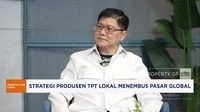
Kevin Oen, Director of PT Trisula International Tbk (TRIS), a prominent player in Indonesia’s textile and textile product (TPT) industry, has voiced strong approval for government initiatives aimed at fostering the sector’s advancement. Oen’s remarks, made during a recent discussion on CNBC Indonesia’s Nation Hub, underscored the critical need for a stable and predictable regulatory environment, coupled with clear implementation guidelines, to provide a firm foundation for TPT sector development. Beyond domestic policy, Oen also highlighted the imperative to bolster the industry’s competitiveness and actively pursue the expansion of its export markets, signaling a strategic vision for growth in an increasingly complex global trade landscape. The call from industry leaders like Oen reflects a broader sentiment within Indonesia’s manufacturing sector for concerted government action to unlock the full potential of key industries.
The Indonesian Textile and Textile Product (TPT) Industry: A Cornerstone of the National Economy
The textile and textile product industry holds a historically significant and economically vital position within Indonesia. As one of the nation’s oldest industrial sectors, it has consistently served as a major contributor to the national economy, generating substantial employment and foreign exchange earnings. For decades, the TPT industry has been a cornerstone of Indonesia’s manufacturing output, contributing significantly to the country’s Gross Domestic Product (GDP). In recent years, the sector has consistently accounted for a notable percentage of the manufacturing sector’s GDP, often ranging between 6% and 7%. Its export value typically hovers around USD 12-13 billion annually, making it a crucial earner of foreign currency for the archipelago. More importantly, the industry is a massive employer, providing livelihoods for millions of Indonesians, particularly in labor-intensive segments. This widespread employment not only supports families but also contributes to regional economic development, as many factories are strategically located outside major urban centers, fostering growth in surrounding communities. The TPT sector encompasses a wide array of products, from synthetic fibers and raw materials to finished garments, fabrics, and specialized textiles, catering to both domestic consumption and international markets. Its extensive supply chain touches various other sectors, from agriculture (for natural fibers) to logistics and retail, creating a significant multiplier effect throughout the economy.
Navigating a Complex Global Environment: Challenges and Opportunities for TPT
Despite its inherent strengths and historical significance, the Indonesian TPT industry operates within a dynamic and often challenging global environment. Both domestic and international factors continually shape its trajectory, presenting both formidable hurdles and promising opportunities for growth and transformation.
Domestic Challenges:
One of the most persistent domestic challenges facing the TPT industry is the issue of illegal imports and smuggling. The influx of cheaper, often untaxed, textile products from abroad creates an unfair competitive landscape for local manufacturers, who bear the full burden of production costs, taxes, and regulatory compliance. This practice not only erodes domestic market share but also discourages local investment and can lead to factory closures and job losses. Another significant challenge is the industry’s considerable reliance on imported raw materials. While Indonesia produces some raw materials, critical inputs like certain types of cotton, specialized fibers, and chemical dyes are often sourced internationally. This dependency exposes local producers to global price fluctuations, supply chain disruptions, and exchange rate volatility, impacting production costs and overall competitiveness.
Technological advancement is another area requiring urgent attention. A significant portion of the TPT industry’s machinery and production processes are aging, lagging behind the cutting-edge technologies adopted by competitors in other countries. The need for substantial investment in modernization, automation, and the adoption of Industry 4.0 technologies (such as the Internet of Things, artificial intelligence, and big data analytics) is paramount to improve efficiency, quality, and reduce costs. The cost of labor and its productivity also remain key considerations. While Indonesia boasts a large workforce, balancing competitive wages with productivity improvements is a delicate act. Investments in human capital development, including vocational training and upskilling programs, are crucial to ensure that the workforce can operate modern machinery and adapt to evolving production methodologies. Furthermore, increasingly stringent environmental regulations, both domestically and internationally, pose compliance costs for manufacturers, requiring investments in sustainable practices and cleaner production technologies.
Global Challenges:
On the global stage, the Indonesian TPT industry faces intense competition from established and emerging textile manufacturing hubs. Countries like China, India, Vietnam, Bangladesh, and Pakistan have highly competitive industries, often benefiting from lower labor costs, advanced infrastructure, or specific trade agreements. This global rivalry necessitates that Indonesian producers continuously enhance their efficiency, product quality, and speed to market. Shifting consumer demands also play a pivotal role. The rise of "fast fashion" demands quicker turnaround times and more diverse product lines, while a growing emphasis on sustainability, ethical sourcing, and circular economy principles requires manufacturers to adapt their production methods and supply chains. Moreover, geopolitical tensions, trade wars, and the rise of protectionist policies in major importing countries can create uncertainties regarding market access and export opportunities. The COVID-19 pandemic further highlighted the vulnerability of global supply chains, pushing industries to consider greater resilience and regionalization.
The Call for Regulatory Certainty and Implementation Clarity
Kevin Oen’s emphasis on "regulatory certainty" and "clear implementation" resonates deeply within the Indonesian business community. For a capital-intensive industry like TPT, long-term planning and significant investments are essential. Without a stable and predictable regulatory framework, businesses face increased risks, making them hesitant to commit substantial capital. Regulatory certainty implies consistent policies over time, avoiding abrupt changes that can disrupt operations, alter cost structures, or invalidate previous business decisions. This includes consistency in areas such as investment permits, import/export duties, tax incentives, labor laws, and environmental standards. Businesses need to be assured that the rules of the game will not change arbitrarily, allowing them to forecast costs, manage risks, and plan for future growth with confidence.
Equally crucial is "clear implementation." It is not enough to have well-intentioned regulations; their practical application must be transparent, efficient, and uniform across all relevant government bodies and regions. Bureaucratic hurdles, overlapping jurisdictions, and inconsistent enforcement can create significant bottlenecks, increase compliance costs, and foster an environment of uncertainty. For instance, differing interpretations of import procedures at various ports, or inconsistent application of labor laws by regional authorities, can severely impede business operations. Clear implementation means streamlined processes, easily accessible information, and a predictable timeline for approvals and permits. This clarity enables businesses to focus on production and innovation rather than navigating administrative complexities, ultimately fostering a more attractive environment for both domestic and foreign investment in the TPT sector.
Strengthening Competitiveness: A Multifaceted Approach
To thrive in the global market, the Indonesian TPT industry must embark on a comprehensive strategy to enhance its competitiveness. This involves a multifaceted approach that addresses various aspects of production, innovation, and human capital.
A primary focus must be on technological upgrades and the adoption of Industry 4.0. This entails significant investment in automation, advanced machinery, data analytics, and the Internet of Things (IoT) across the entire production chain. By integrating these technologies, manufacturers can improve efficiency, reduce waste, enhance product quality, and accelerate production cycles. The government’s role here is crucial in providing incentives, such as tax holidays, import duty exemptions for machinery, and access to affordable financing, to encourage companies to make these vital investments.
Human capital development is another critical component. As technology advances, the workforce must be equipped with the necessary skills to operate and maintain modern equipment. This requires robust vocational training programs, partnerships between industry and educational institutions, and continuous upskilling initiatives for existing employees. Investing in a skilled workforce not only boosts productivity but also enables the industry to move up the value chain.
Furthermore, fostering innovation and design capabilities is essential. Moving beyond basic manufacturing, the Indonesian TPT industry needs to cultivate its own brands, designs, and specialized products. This means supporting research and development, encouraging creative talent, and protecting intellectual property. By offering unique and high-value products, Indonesian textiles can command better prices and differentiate themselves in competitive markets.
Developing a more robust and integrated domestic supply chain is also paramount. Reducing reliance on imported raw materials where feasible, by investing in local production of fibers, dyes, and accessories, can enhance resilience, shorten lead times, and reduce exposure to global supply chain disruptions. This also supports local industries and creates additional jobs. Lastly, promoting energy efficiency and sustainable practices not only addresses environmental concerns but can also reduce operational costs, making Indonesian products more competitive in markets increasingly sensitive to ethical and eco-friendly production.
Expanding Export Markets: A Strategic Imperative
For an industry with significant production capacity like TPT, expanding export markets is not merely an option but a strategic imperative for sustained growth. While Indonesia’s TPT exports traditionally target major markets such as the United States, Europe, and Japan, there is considerable scope for diversification.
Exploring new and emerging markets in regions like Africa, the Middle East, and other parts of Asia can reduce dependency on a few key destinations and mitigate risks associated with economic downturns or protectionist policies in traditional markets. These emerging economies often present untapped demand for textile products and offer opportunities for market penetration.
Leveraging and actively pursuing trade agreements is crucial. Indonesia is part of various free trade agreements (FTAs), including the ASEAN Free Trade Area (AFTA) and the Regional Comprehensive Economic Partnership (RCEP). Maximizing the benefits of these agreements, along with actively negotiating new bilateral and multilateral trade pacts, can provide preferential access to new markets and reduce tariff barriers.
Effective market intelligence is also vital. Understanding the specific demands, trends, and regulatory requirements of diverse international markets allows Indonesian exporters to tailor their products and marketing strategies accordingly. This includes awareness of consumer preferences for design, quality, sustainability, and pricing in different regions.
Finally, branding and promotion efforts are essential to enhance the global perception of "Made in Indonesia" textile products. Participating in international trade fairs, organizing trade missions, and investing in global marketing campaigns can elevate the profile of Indonesian manufacturers and foster trust among international buyers. Addressing logistical challenges and high shipping costs, particularly for distant markets, will also be critical to maintaining export competitiveness.
Government Initiatives and Policy Frameworks: A Supportive Ecosystem
The Indonesian government has, in principle, recognized the strategic importance of the TPT industry and has introduced various initiatives and policy frameworks to support its growth. These efforts align with the broader national agenda to boost manufacturing output and integrate Indonesia into global value chains.
One of the flagship programs is "Making Indonesia 4.0," which identifies the TPT sector as one of the five priority industries for digital transformation and modernization. Under this roadmap, the government aims to facilitate the adoption of advanced technologies, improve efficiency, and enhance competitiveness through various incentives and support mechanisms.
Fiscal incentives have been a key tool, including tax holidays and tax allowances for investments in new machinery and technology, as well as import duty exemptions for raw materials and capital goods not available domestically. These measures are designed to reduce the financial burden on manufacturers and encourage reinvestment in the sector.
To protect domestic producers from unfair competition, the government has also implemented anti-dumping measures and safeguard duties on certain imported textile products. These policies aim to create a level playing field for local manufacturers by mitigating the impact of cheap, often subsidized, foreign goods.
A broader National Industrial Policy provides a long-term vision for industrial growth, with specific strategies for sectors like TPT. This includes plans for industrial estate development, infrastructure improvements, and streamlined licensing processes. Furthermore, various export promotion programs are in place, such as facilitating participation in international exhibitions, providing market information, and offering export financing support. The government also emphasizes Small and Medium Enterprises (SMEs) support, recognizing their potential to contribute to the TPT value chain, particularly in areas like craft textiles, local fashion, and specialized products. Integrating SMEs into the broader industry ecosystem can foster innovation and create additional employment opportunities.
Stakeholder Perspectives and Reactions
The call for sustained government support from industry leaders like Kevin Oen is typically met with broad agreement across various stakeholders, albeit with nuanced expectations.
The Ministry of Industry and the Ministry of Trade are likely to reaffirm their commitment to the TPT industry’s growth. They often emphasize the sector’s strategic importance for economic diversification, job creation, and foreign exchange earnings, highlighting ongoing and planned policy interventions aimed at addressing industry concerns. They would underscore the government’s efforts to create a conducive investment climate and facilitate market access.
The Indonesian Textile Association (API), representing a wide array of manufacturers, would undoubtedly echo Oen’s sentiments, particularly regarding the need for a level playing field, consistent policy implementation, and support for modernization. API frequently advocates for stronger measures against illegal imports, easier access to financing for technological upgrades, and more effective export promotion strategies. Their perspective often reflects the day-to-day operational challenges faced by their members.
Economists generally view a thriving TPT industry as beneficial for national development. They would analyze the potential for increased job creation, particularly for low-skilled and semi-skilled workers, which can contribute to poverty reduction and income equality. Furthermore, a competitive TPT sector can boost foreign exchange earnings, stabilize the national currency, and contribute to industrial diversification away from reliance on natural resources. They would, however, stress the importance of efficient policy implementation and the need for the industry to adapt to global trends like sustainability and technological shifts to realize its full potential.
Labor unions, while generally supportive of policies that foster industry growth, would focus on ensuring that such growth translates into job security, fair wages, improved working conditions, and opportunities for worker training and reskilling in the face of automation. They would advocate for a balanced approach that protects worker rights while promoting industrial competitiveness.
The Broader Impact and Implications
The effective implementation of government support, as advocated by PT Trisula International Tbk, carries significant broader implications for Indonesia’s economic and social fabric.
From an economic growth perspective, a revitalized TPT industry would directly contribute to GDP growth, not only through its manufacturing output but also through its extensive backward and forward linkages to other sectors. This multiplier effect would stimulate activity in raw material suppliers, logistics, retail, and technology providers.
In terms of employment, the TPT sector is a major employer, providing millions of jobs. Sustained growth and competitiveness would safeguard existing jobs and create new opportunities, particularly for a young and growing workforce. This has profound social implications, contributing to improved living standards, reduced unemployment rates, and greater social stability. Many TPT factories are located in industrial zones outside major cities, contributing significantly to regional development and preventing excessive urbanization by creating opportunities in diverse areas.
For foreign exchange, a strong export-oriented TPT industry would be a consistent earner of foreign currency, helping to stabilize the balance of payments and support the national currency. This is crucial for a developing economy with ongoing import needs.
Furthermore, a modernized TPT sector aligns with Indonesia’s goals for industrial diversification, moving beyond reliance on commodity exports towards a more sophisticated, value-added manufacturing base. Finally, the increasing global emphasis on sustainability means that effective government support can also drive the adoption of eco-friendly production methods, circular economy principles, and ethical supply chains within the TPT industry, enhancing its reputation and market access in environmentally conscious markets.
Conclusion: A Collaborative Future for Indonesian TPT
Kevin Oen’s timely remarks from PT Trisula International Tbk underscore a critical juncture for Indonesia’s textile and textile product industry. The sector, while historically robust, faces persistent domestic challenges and intense global competition that demand strategic intervention. The call for regulatory certainty and clear implementation highlights the fundamental need for a stable and predictable business environment that encourages long-term investment and efficient operations. Simultaneously, the emphasis on strengthening competitiveness through technological modernization, human capital development, and innovation is crucial for the industry to move up the value chain and differentiate itself in global markets. Expanding export markets remains a strategic imperative, requiring proactive engagement in trade diplomacy and aggressive market diversification.
Ultimately, the future success of the Indonesian TPT industry hinges on a collaborative ecosystem where government policies are not just well-intentioned but effectively executed, and where industry players are empowered to innovate and compete. This synergy between public policy and private sector dynamism is essential to foster a resilient, innovative, and globally competitive Indonesian TPT industry that continues to be a driving force for economic growth, job creation, and national prosperity for years to come.