Lusiana Hamidun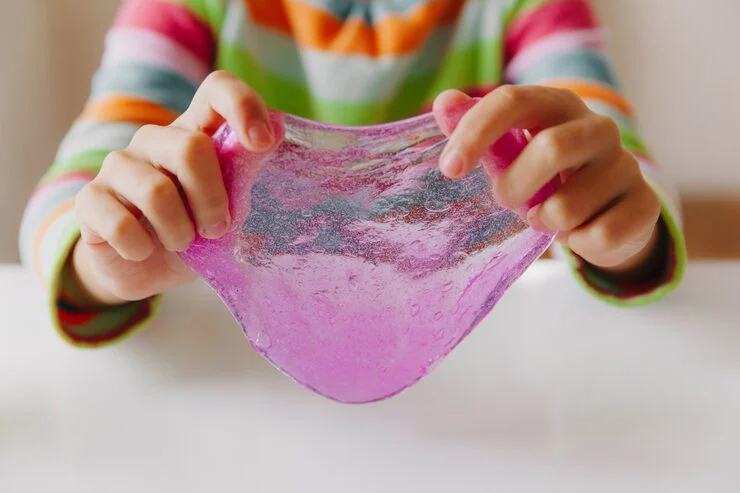
Slime, the popular stretchy, colorful, and tactile toy, has captivated children worldwide with its unique texture and vibrant appeal. However, its inherent stickiness often leads to a common parental frustration: stubborn slime stains on clothing. These tenacious marks can be particularly vexing on favorite garments or delicate fabrics, often prompting immediate, but sometimes counterproductive, washing attempts. Ironically, applying water directly to fresh slime can sometimes embed it deeper into fabric fibers, making removal more challenging. Understanding effective slime stain removal techniques is therefore crucial to preserving the integrity and appearance of clothing. Fortunately, a range of accessible and straightforward methods, utilizing common household items and readily available cleaning products, can effectively tackle these sticky situations without the need for specialized treatments. This comprehensive guide will explore practical, efficient, and fabric-safe strategies for banishing slime from your wardrobe, ensuring your clothes emerge clean and undamaged.
The Science Behind Stubborn Slime Stains
The persistent nature of slime stains on clothing stems from the fundamental composition and adhesive properties of slime itself. Typically formulated from a base of polymer-based glue and an activator, often borax, slime’s texture is a result of cross-linking polymer chains. The addition of dyes and glitter further enhances its visual appeal but also contributes to its staining potential. This intricate chemical structure creates an elastic, cohesive material that readily adheres to surfaces, including the microscopic fibers of textiles. When slime encounters fabric, its sticky components infiltrate the small crevices within the weave, particularly in absorbent materials like cotton and knits, or fabrics with more open pore structures. This infiltration allows slime to not only sit on the surface but also to become "locked" within the fabric’s matrix, making simple water rinsing ineffective.
Beyond the inherent stickiness, the initial handling of a slime-related incident significantly impacts the difficulty of stain removal. The instinctive reaction to immediately scrub or rinse a fresh slime stain with water is often counterproductive. Water can act as a lubricant, allowing the slime to spread further and penetrate deeper into the fabric. Instead of breaking down the slime’s structure, water can help it maintain its elastic consistency, facilitating a stronger bond with the textile fibers. Other factors, such as excessive heat, vigorous rubbing, or improper washing machine cycles, can further set the stain, making it more resistant to removal. Recognizing these underlying reasons for slime’s tenacity is the first step toward adopting a more strategic and gentle approach to cleaning, safeguarding fabric integrity while effectively lifting the residue.
Proactive Strategies: Preventing Slime Stains Before They Happen
While effective removal techniques are essential, adopting preventative measures can significantly reduce the occurrence of slime stains and the ensuing hassle. These proactive strategies aim to create a controlled environment for slime play and foster good habits.
Designating a Slime-Safe Play Area
The most effective way to prevent slime from migrating to clothing is by establishing a designated play zone. Ideally, children should engage with slime on a table or a surface that is easily wiped clean, rather than on beds or upholstered furniture. Utilizing protective barriers such as plastic sheeting, a washable mat, or an old tablecloth can create a contained area, minimizing the chance of slime making contact with garments. By proactively managing the play environment, the risk of accidental stains is substantially reduced, allowing for enjoyable playtime without the looming concern of stubborn marks.
Utilizing Dedicated "Play Clothes"
A simple yet highly effective strategy for preventing slime stains is to equip children with specialized clothing for slime activities. Opting for comfortable garments that are not considered favorites or particularly valuable can alleviate parental anxiety should a stain occur. Many parents maintain a collection of "play clothes" specifically for messy activities, allowing children the freedom to explore and engage without the worry of ruining cherished outfits. This approach is not only practical but also significantly reduces the stress associated with unexpected slime incidents.
Ensuring Optimal Slime Consistency
The texture of slime plays a crucial role in its adherence to fabric. Overly soft or watery slime is more prone to sticking to various surfaces, including textile fibers. Therefore, it is essential to ensure that the slime possesses a suitable elastic consistency before play commences. If the slime feels excessively sticky, a small amount of additional activator can be added, or it can be left to rest for a short period to allow its texture to stabilize. Maintaining the slime’s ideal consistency is a simple yet crucial step in preventing it from easily attaching to and staining clothing.
Educating Children on Proper Play Techniques
Beyond the fun aspect, playing with slime can serve as an opportune moment to teach children about responsible and tidy habits. Educating children on how to handle slime, such as discouraging them from throwing it or deliberately pressing it onto clothing, is vital. A simple explanation that slime is best enjoyed in their hands or on a designated surface can foster a greater awareness of cleanliness. These small habits, instilled early on, allow children to continue enjoying their favorite activities while simultaneously learning to maintain the cleanliness of their clothing and immediate surroundings.
Prompt Action: Cleaning Fresh Slime Adhering to Clothing
If slime does adhere to clothing, immediate action is paramount. Fresh slime is generally easier to remove from fabric surfaces than dried or hardened slime. Utilizing a dry paper towel or a spoon to gently lift the slime, rather than rubbing, can prevent it from being pushed deeper into the fabric fibers. This swift intervention can significantly reduce the likelihood of a persistent stain forming, as it minimizes the time the slime has to bond with the textile.
Gentle Removal: Avoiding Excessive Force
A common, yet detrimental, reaction to slime on clothing is to scrub vigorously. This forceful action can inadvertently push the slime deeper into the fabric’s weave, making it more difficult to extract. A gentler approach, involving the careful lifting of the slime bit by bit from the garment’s surface, is far more effective. This careful technique helps preserve the fabric’s texture and structure while minimizing the chances of embedding the stain more deeply, which would lead to a more challenging removal process later on.
Proper Storage of Slime
The way slime is stored after use also plays a role in preventing future clothing mishaps. Ensuring that slime is placed in an airtight container immediately after playtime helps maintain its texture and prevents it from becoming overly sticky or dry. Well-maintained slime is generally easier to control during play and less likely to adhere problematically to clothing. This simple habit contributes to a more enjoyable and cleaner play experience overall.
The Role of Bleach in Slime Stain Removal
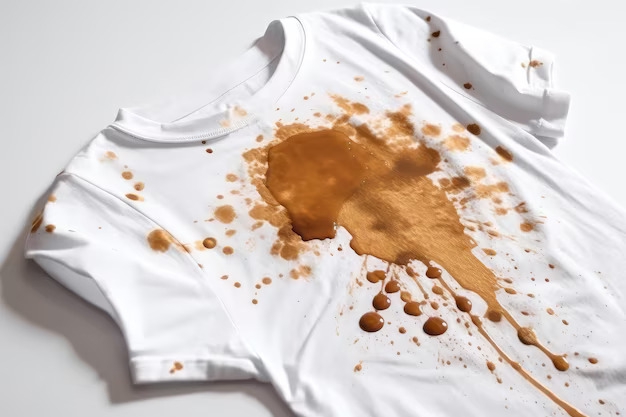
A common question that arises when faced with stubborn slime stains is the efficacy of bleach. Bleach is widely recognized for its potent stain-removing capabilities, particularly on white fabrics, due to its active ingredients that break down pigment molecules. However, slime stains present a unique challenge. While bleach can effectively fade or remove the colored components of the slime, it may not fully address the sticky, polymer-based residue that remains embedded in the fabric fibers.
It is crucial to ensure that as much of the physical slime as possible is removed from the garment before applying bleach. Direct application of bleach to thick slime residue may only lighten the color without dissolving the sticky substance. Furthermore, bleach is a powerful chemical that requires careful handling. Not all fabrics are bleach-resistant; colored garments or delicate materials may suffer color fading or fiber damage. Therefore, while bleach can be a valuable tool in the arsenal against slime stains, its effectiveness is often maximized when used in conjunction with other cleaning methods and after the bulk of the slime has been physically removed. A thorough understanding of the fabric type and the nature of the stain is essential before employing bleach to avoid unintended damage.
Proven Methods for Eliminating Slime from Clothing
When slime does inevitably find its way onto clothing, a variety of effective and accessible methods can be employed for its removal. These techniques leverage common household items and cleaning agents to gently break down the slime’s structure and lift it from the fabric.
The Freezing Technique with Ice Cubes
One of the most effective methods for tackling slime stains involves the use of ice. The extreme cold from ice cubes helps to harden the slime’s texture, making it less pliable and easier to detach from the fabric fibers. Apply ice cubes directly to the affected area for several minutes until the slime becomes firm. Once hardened, carefully lift the solidified slime using a spoon, a dull knife, or even a fingernail. This method is particularly useful as it minimizes the need for aggressive rubbing, thereby protecting the fabric.
Harnessing the Power of White Vinegar
White vinegar, a staple in many kitchens, is a versatile cleaning agent that can also prove effective against slime stains. Its mild acidic content helps to break down the sticky polymers that bind the slime to the fabric. Apply a small amount of white vinegar directly to the slime-affected area and allow it to sit for a few minutes. Following this, gently scrub the area with a soft brush or cloth before proceeding with a normal wash cycle. This method is generally safe for a variety of fabric types.
The Utility of Dish Soap
Dish soap, designed to cut through grease and grime, can also be an effective solution for dissolving residual slime. Apply a small amount of liquid dish soap directly onto the slime stain. Add a little warm water and gently work the soap into the fabric with your fingers or a soft brush. As the soap begins to loosen the slime, rinse the area thoroughly. Follow up with a standard laundry cycle to ensure the garment is completely clean.
Utilizing Rubbing Alcohol or Hand Sanitizer
Rubbing alcohol or alcohol-based hand sanitizers can be instrumental in dissolving the sticky components of slime. Apply a small amount of alcohol to the stained section of the fabric and allow it to penetrate for a few minutes. This will help to loosen the slime’s grip on the fibers. Subsequently, gently rub the area to lift the slime. This method is particularly effective for slime that has begun to dry and become more resistant to removal with water alone.
Washing with Warm Water and Detergent
As a final step to ensure complete removal and a fresh finish, washing the garment with warm water and a good quality detergent is recommended. Warm water aids in further loosening any remaining slime residue, while the detergent works to lift dirt and any residual cleaning agents. Gently rub the stained area before placing the garment in the washing machine. A proper wash cycle, following these pre-treatment steps, will help restore the garment to its pristine condition without any lingering slime marks.
Broader Implications and Consumer Impact
The widespread popularity of slime, particularly among children, highlights a growing consumer trend towards tactile and sensory play experiences. While these toys offer significant developmental benefits, fostering creativity and fine motor skills, they also introduce practical challenges for households. The recurring issue of slime stains underscores the need for accessible and effective cleaning solutions that are both safe for fabrics and easy for consumers to implement.
The market for children’s toys is a multi-billion dollar industry, with sensory toys like slime consistently ranking high in sales. This sustained demand indicates that the challenges associated with slime stains are not isolated incidents but rather a common occurrence for millions of families. Consequently, the development and dissemination of reliable stain removal tips, like those outlined, have a tangible impact on consumer satisfaction and product longevity. Articles and guides that provide practical advice can alleviate stress for parents and caregivers, ensuring that the joy of play does not come at the permanent cost of damaged clothing.
Furthermore, the conversation around slime stains indirectly touches upon broader issues of product safety and consumer education. While the focus here is on stain removal, it implicitly calls for manufacturers to consider the potential downsides of their products and to perhaps offer clearer guidance on safe play and cleaning. The long-term implications involve a more informed consumer base that is better equipped to manage the practicalities of popular children’s products, ultimately contributing to a more sustainable approach to toy consumption and garment care.