Tyo Susilo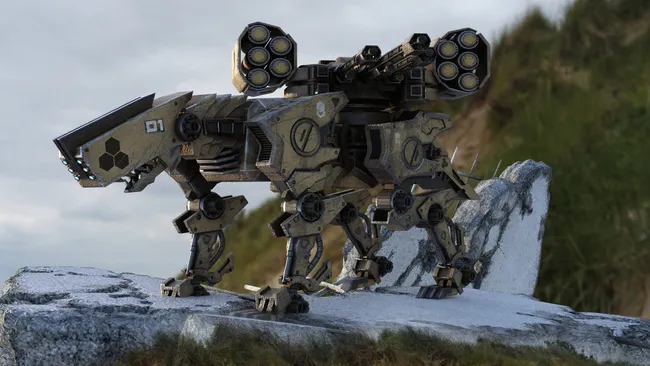
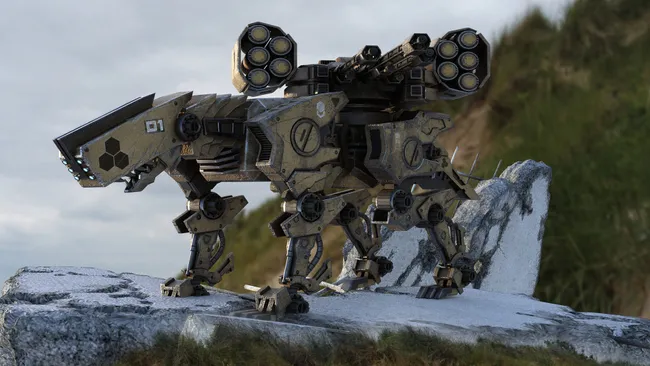
The People’s Liberation Army (PLA) has recently showcased a significant advancement in military robotics, revealing combat robot dogs capable of operating in coordinated "wolf pack" formations. This groundbreaking technology was featured in a documentary program aired on China Central Television (CCTV), signaling a new paradigm in the deployment of unmanned systems on the modern battlefield. Unlike previous generations of drones and robots that required individual control, these new robotic units possess sophisticated autonomous coordination capabilities. A single human operator can now issue commands, and the entire unit will automatically adjust its movements and assigned tasks in the field, demonstrating a leap towards integrated, intelligent battlefield operations.
Evolution of Battlefield Robotics and the "Wolf Pack" Concept
The concept of "swarm intelligence" in military applications has been a growing area of interest for defense researchers worldwide. The idea is to leverage the collective capabilities of multiple autonomous units to achieve objectives that would be difficult or impossible for a single unit or even a group of independently controlled units. The PLA’s demonstration of robot dogs operating in a "wolf pack" formation represents a tangible realization of this concept in a terrestrial robotic platform. This approach mirrors natural phenomena, such as wolf packs coordinating their hunts, where individual members possess specialized roles and communicate effectively to achieve a common goal.
Historically, military robots were primarily employed for reconnaissance or bomb disposal, operating under direct human control. The advent of more advanced artificial intelligence and communication protocols has allowed for greater autonomy. Early drone swarms, for instance, focused on aerial reconnaissance and electronic warfare. The extension of this concept to ground-based robotic platforms like these combat dogs signifies a broader integration of autonomous systems across different domains of warfare.
The CCTV documentary, reportedly aired in early 2026, provided a visual demonstration of these robots in action. The footage highlighted their ability to move in synchronized patterns, suggesting a sophisticated command and control architecture that allows for real-time data sharing and decision-making among the units. This level of coordination is crucial for complex military operations, enabling units to adapt to dynamic environments and unexpected threats with increased speed and efficiency.
Diverse Roles and Armament Capabilities
Each robot dog within the "wolf pack" is reportedly designed with distinct functionalities to contribute to the overall mission. This specialization is a key aspect of the swarm concept, ensuring that the collective unit is more than the sum of its parts.
- Reconnaissance Units: Some robots are dedicated to environmental surveillance, utilizing advanced sensor suites to gather intelligence on enemy positions, terrain, and potential obstacles. This includes high-resolution cameras, thermal imaging, and possibly acoustic sensors to detect movement and activity.
- Logistics Support: Other units are equipped to carry essential supplies, such as ammunition, medical kits, or communication equipment. This capability is particularly valuable in contested environments where traditional resupply lines can be vulnerable. The ability to deliver payloads autonomously reduces the risk to human personnel.
- Combat Variants: The most striking aspect of the demonstration is the combat-ready variants. These robots are designed to be equipped with a range of weaponry, including:
- Grenade Launchers: Providing indirect fire support and the ability to neutralize enemy positions behind cover.
- Automatic Rifles: For direct engagement of enemy personnel.
- Small Missiles: Potentially for anti-armor or anti-personnel roles, offering precision strike capabilities.
The integration of such diverse roles within a single coordinated unit allows for flexible mission planning and execution. A unit could, for example, deploy reconnaissance robots to scout an area, followed by logistics robots to deliver munitions to a forward position, and finally, combat robots to secure the objective.
Physical Attributes and Performance Metrics
The design of these combat robot dogs is optimized for maneuverability and resilience in challenging terrain. Their quadrupedal locomotion offers significant advantages over wheeled or tracked robots in environments characterized by:
- Rough Terrain: Uneven surfaces, debris, and inclines that would impede other robotic platforms.
- Urban Environments: Navigating through rubble, narrow streets, and complex structures.
Key physical and performance specifications highlighted in the report include:
- Speed: Approximately 14.5 kilometers per hour (about 9 miles per hour). This speed allows them to keep pace with advancing infantry or quickly redeploy.
- Payload Capacity: Capable of carrying up to 25 kilograms (approximately 55 pounds). This is significant for carrying weapons systems, additional ammunition, or essential supplies.
- Durability: While specific details on materials and construction were not provided, the implication of combat deployment suggests a robust design capable of withstanding battlefield conditions.
Command and Control: Human Oversight and Future Trajectories
Despite the advanced autonomy, a critical aspect of the current system is the continued requirement for human oversight, particularly for lethal actions. The report emphasizes that while the robots support automatic target identification, human approval is still necessary before engaging a target. This "human-in-the-loop" approach is a common ethical and practical consideration in the development of autonomous weapons systems.
The control interfaces are also diverse and user-friendly:
- Voice Commands: Allowing operators to issue instructions naturally and quickly.
- Rifle-Mounted Devices: Suggests a seamless integration for soldiers carrying firearms, enabling them to direct robot actions without requiring separate control units.
This blend of autonomy and human control aims to maximize operational effectiveness while mitigating the risks associated with fully autonomous decision-making in complex ethical scenarios. However, the progression towards greater autonomy is an ongoing trend in military robotics, and the future trajectory of these systems will likely see an evolution in the level of human intervention required.
Interoperability with Aerial Assets and Beyond
A significant development highlighted is the interoperability of these ground-based robots with aerial drones. The "wolf pack" can be integrated into a larger command and control network that includes airborne assets, forming a multi-domain swarm. This integrated system can undertake a variety of missions, including:
- Joint Reconnaissance: Combining aerial and ground-based intelligence gathering for a more comprehensive battlefield picture.
- Signal Jamming: Disrupting enemy communications and electronic warfare capabilities.
- Coordinated Attacks: Synchronizing ground and air assets for overwhelming assaults.
The ability to link dozens of ground robots with aerial drones points towards a sophisticated networked warfare capability. This interconnectedness allows for real-time situational awareness and dynamic reallocation of assets based on evolving battlefield conditions.
Beyond the robot dogs and drones, the PLA also showcased other advanced autonomous systems:
- Laser Weapons: Designed to counter airborne threats, particularly drones. This indicates a proactive development of defensive capabilities against emerging unmanned aerial threats.
- Unmanned Surface Vessels (USVs): Fast-moving, autonomous boats designed to operate in groups. This suggests an expansion of autonomous systems into naval operations, likely for reconnaissance, patrol, or potentially offensive roles in coastal or riverine environments.
All these developments collectively point towards a strategic emphasis on the large-scale deployment of autonomous systems across various branches of the military.
Navigation and the Future of Human-Machine Teaming
An intriguing technical advancement mentioned is the development of satellite-independent navigation systems. This means that the drones and robots can continue to operate effectively even if GPS or other satellite navigation signals are jammed or unavailable. This capability is crucial for operations in contested electronic warfare environments where adversaries may attempt to deny navigation capabilities.
The implications of these technological advancements are profound for the future of warfare. The increasing sophistication and autonomy of robotic systems are leading to a significant shift in the role of human soldiers on the battlefield. As machines take on more tasks, the emphasis may move from direct combat to oversight, strategic decision-making, and complex coordination of autonomous units.
The ultimate question remains: to what extent will full control be ceded to automated systems, and will human operators retain the final say in critical situations? The current trend suggests a gradual increase in autonomy, driven by the pursuit of speed, efficiency, and reduced risk to human life. However, the ethical and strategic considerations surrounding fully autonomous weapons systems are complex and will likely continue to be a subject of debate and development in the years to come. The PLA’s recent demonstration serves as a clear indicator of the direction in which military technology is heading, with a strong focus on intelligent, networked, and autonomous capabilities. The global defense landscape is rapidly evolving, and these advancements by China suggest a significant leap forward in its pursuit of technologically advanced military power.