Nasution Nanang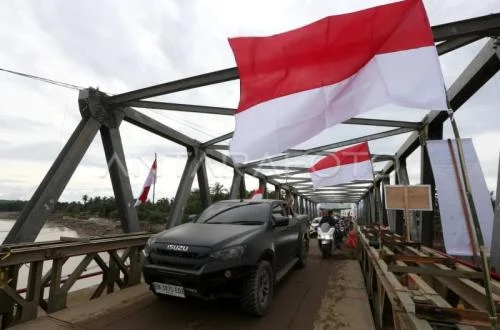
BANDA ACEH, REPUBLIKA.CO.ID – The Directorate of Traffic (Ditlantas) of the Aceh Regional Police has proactively implemented a sophisticated one-way traffic management system on the crucial Kuta Blang emergency bridge in Bireuen Regency. This strategic intervention is designed to effectively prevent severe congestion during the third phase of the Eid al-Fitr 1445 Hijriah (2024) return flow, a period characterized by an immense surge in inter-city travel across Indonesia. The decision underscores the authorities’ commitment to ensuring the safety and fluidity of movement for millions of travelers navigating the vital Banda Aceh-Medan national road, particularly at choke points exacerbated by ongoing infrastructure projects.
Kombes Pol Deden Supriyatna Imhar, the Director of Traffic for the Aceh Regional Police, highlighted Kuta Blang as a primary concern due to the persistently high volume of vehicles observed since the initial exodus phase (arus mudik). The strategic importance of this location, coupled with its current infrastructural limitations, necessitated a dynamic and adaptive approach to traffic control. The Kuta Blang bridge, a critical artery connecting Aceh to the rest of Sumatra, suffered extensive damage from severe flooding in late 2023 and has since been operating with a temporary bailey bridge while the construction of a permanent replacement is underway. This delicate balance of high demand and constrained capacity presents a formidable challenge for traffic management, especially during peak holiday seasons.
Background: A Lifeline Under Strain
The Banda Aceh-Medan national road is not merely a thoroughfare but the economic lifeline of Aceh, connecting the province to North Sumatra and, by extension, to the broader Indonesian archipelago. It facilitates trade, tourism, and daily commutes, making its uninterrupted flow paramount for regional stability and economic activity. The annual Eid al-Fitr holiday, marking the end of the fasting month of Ramadan, triggers one of the largest mass migrations globally, with millions returning to their hometowns (mudik) and then back to their places of work or residence (balik). This cultural phenomenon places immense pressure on Indonesia’s road networks, often exposing vulnerabilities in infrastructure.
Bireuen Regency, situated along this vital national road, is particularly susceptible to the impacts of natural disasters, especially flooding. Its geographical characteristics, with numerous rivers and tributaries, make it prone to inundation during periods of heavy rainfall. The Kuta Blang bridge, originally a permanent structure, was severely compromised by a significant flood event in December 2023. The relentless force of the floodwaters eroded its foundations and damaged its structural integrity, rendering it unsafe for normal two-way traffic.
In response to this critical infrastructure failure, the Ministry of Public Works and Housing (PUPR) swiftly installed an emergency bailey bridge. A bailey bridge is a type of portable, pre-fabricated, truss bridge designed for military use that can be assembled quickly from standard components. While effective as a temporary solution, bailey bridges typically have reduced load capacities and often necessitate narrower passages, thus restricting traffic flow. The Kuta Blang bailey bridge, a single-lane structure, immediately transformed a previously two-way national road segment into a bottleneck, compounding the perennial challenges of holiday travel. The ongoing construction of the permanent bridge, a multi-year project, means that this temporary arrangement will continue to influence traffic patterns for the foreseeable future.
Chronology of Infrastructure Challenges and Adaptive Solutions
The journey to the current dynamic traffic management system at Kuta Blang has been a reactive adaptation to evolving challenges:
- Pre-December 2023: The original Kuta Blang bridge functioned as a standard two-lane, two-way bridge, facilitating seamless traffic flow on the Banda Aceh-Medan national road.
- December 2023 Flood Event: Heavy rainfall across Aceh led to widespread flooding, with the Kuta Blang bridge sustaining significant structural damage. This necessitated its immediate closure for safety assessments.
- January 2024: Emergency Response and Bailey Bridge Installation: Following rapid assessments, the PUPR Ministry deployed resources to install a bailey bridge. This temporary solution restored connectivity but with inherent limitations, primarily restricting traffic to a single lane. Concurrently, plans for the permanent bridge reconstruction were finalized, with work commencing shortly thereafter.
- March-April 2024: Pre-Eid al-Fitr Preparations: As Eid al-Fitr approached, traffic authorities, including Ditlantas Polda Aceh, began intensive planning for the anticipated surge in vehicles. Reconnaissance missions identified Kuta Blang and other points along the national road as critical areas for congestion. Public announcements were made urging travelers to plan their journeys and expect potential delays.
- Early April 2024 (Mudik Phase): Initial Traffic Diversion Strategy: During the mudik (outflow) phase, when the predominant flow of vehicles was from urban centers like Medan towards Banda Aceh, a specific traffic engineering scheme was implemented. Vehicles traveling from Medan to Banda Aceh were diverted through the emergency bridge located in Desa Awe Geutah, Kecamatan Peusangan Siblah Krueng, Bireuen. This alternative route, though potentially longer or less direct, aimed to alleviate pressure on Kuta Blang. Meanwhile, vehicles heading from Banda Aceh towards Medan continued to use the Kuta Blang bailey bridge, which operated in a single-direction flow for this specific route. This initial setup aimed to separate the two main traffic streams.
- Mid-April 2024 (Return Flow Phase 1 & 2): Monitoring and Adjustments: As the mudik tapered off and the balik (return flow) began in earnest, traffic authorities continuously monitored vehicle volumes. Initial return flows saw similar patterns, but data quickly indicated a shift in the primary direction of congestion.
- Late April 2024 (Return Flow Phase 3): Dynamic Reversal of Traffic Flow: Recognizing that the volume of vehicles returning from Medan (and other southern areas) towards Banda Aceh had become significantly heavier than the opposing flow, Ditlantas Polda Aceh implemented a crucial reversal of the traffic management scheme. In this third phase, vehicles originating from Medan and heading towards Banda Aceh were now directed to utilize the Kuta Blang emergency bridge, operating as a one-way artery for this high-volume direction. Conversely, vehicles traveling from Banda Aceh towards Medan were redirected to the alternative route via the Awe Geutah emergency bridge. This adaptive strategy aimed to prioritize the more congested direction, minimizing overall travel times and preventing gridlock at the critical Kuta Blang juncture.
The Dynamic Traffic Management System Explained
The current traffic management strategy is a testament to adaptive policing and inter-agency coordination. The core principle revolves around maximizing the utility of the limited infrastructure by dynamically assigning directional flow based on real-time traffic demand.
- Kuta Blang Bridge as a Dedicated Artery: For the third phase of the return flow, the Kuta Blang bailey bridge has been exclusively designated for vehicles traveling northbound, specifically from Medan towards Banda Aceh. This decision was based on empirical data indicating a significantly higher volume of traffic in this direction, particularly after the peak Eid holidays. By dedicating the bridge to one direction, authorities aim to ensure a continuous, albeit slower, movement of vehicles, preventing total stagnation.
- Awe Geutah Bridge as the Alternate Route: The emergency bridge at Desa Awe Geutah, Kecamatan Peusangan Siblah Krueng, serves as the primary alternate route for southbound traffic, i.e., vehicles traveling from Banda Aceh towards Medan. While this may entail a slight detour, it effectively separates the opposing traffic streams, preventing head-on conflicts on the single-lane Kuta Blang bridge and distributing the traffic load.
- Intensive Personnel Deployment: A significant contingent of personnel from BKO Dirlantas Polda Aceh (Operational Assistance Unit of the Aceh Regional Police Traffic Directorate), augmented by local police units, personnel from the local Transportation Agency (Dishub), and potentially military (TNI) support, are deployed around the clock at both Kuta Blang and Awe Geutah. Their responsibilities include directing traffic, enforcing the one-way system, providing assistance to motorists, and responding to any incidents. The visible presence of law enforcement also acts as a deterrent against traffic violations.
- Coordination and Communication: Effective implementation relies heavily on seamless coordination among various stakeholders. Daily briefings, real-time communication channels, and shared situational awareness ensure that all agencies are working in concert. Information is disseminated to the public through various channels, including radio, social media, and roadside signage, to guide motorists and manage expectations. This multi-agency approach is critical for the success of such complex traffic operations.
Supporting Data and Statistics: The Scale of the Challenge
The challenges posed by Eid al-Fitr travel are enormous, underscoring the necessity of these intensive traffic management efforts.
- Vehicle Volume Surge: Under normal conditions, the Banda Aceh-Medan national road sees an average daily traffic volume of approximately 15,000-20,000 vehicles. During the peak mudik and balik periods of Eid al-Fitr, this volume can surge by 150% to 200%, reaching up to 40,000-50,000 vehicles per day at critical junctures like Kuta Blang. This sheer volume, combined with the single-lane bailey bridge, creates a logistical nightmare.
- Economic Impact of Congestion: Traffic congestion has significant economic repercussions. Studies by the Indonesian National Development Planning Agency (Bappenas) and various research institutions indicate that traffic jams in major corridors can lead to economic losses amounting to millions, if not billions, of rupiahs daily due to lost productivity, increased fuel consumption, delayed goods transport, and missed business opportunities. For commercial vehicles, delays on this critical route can impact supply chains and the timely delivery of essential goods.
- Safety Imperatives: Holiday periods in Indonesia are notoriously associated with increased road accidents. The Ministry of Transportation typically reports a rise in accident rates of 10-20% during Eid al-Fitr compared to regular periods. Factors contributing to this include driver fatigue, speeding, overloading, and the sheer density of vehicles. Proactive traffic management, including dedicated lanes and clear signage, directly contributes to reducing accident risks by minimizing chaotic interactions and maintaining orderly flow.
- Infrastructure Investment: The reconstruction of the permanent Kuta Blang bridge is part of broader government initiatives to improve national road infrastructure. The Ministry of Public Works and Housing has allocated substantial budgets, often in the hundreds of billions of rupiah, for the rehabilitation and construction of critical bridges and roads across Indonesia, particularly in regions prone to natural disasters. These investments highlight the long-term commitment to enhancing connectivity and resilience.
Official Statements and Stakeholder Responses
The implementation of this dynamic system has garnered support from various levels of government and is generally appreciated by the traveling public, despite the inherent inconveniences.
- Kombes Pol Deden Supriyatna Imhar (Ditlantas Polda Aceh): "Our primary objective is to ensure the safety and smooth flow of traffic for all travelers returning home after the Eid al-Fitr celebrations. Kuta Blang remains a critical point, and this one-way system, coupled with the alternative route, is a proactive measure to prevent severe bottlenecks. We urge all motorists to adhere strictly to the directives of our personnel on the ground, follow road signs, and prioritize safety. This operation is a collaborative effort, and public cooperation is absolutely essential for its success."
- Ministry of Public Works and Housing (PUPR) Representative (Inferred Statement): "The construction of the permanent Kuta Blang bridge is progressing according to schedule. We understand the challenges posed by the temporary bailey bridge, especially during peak travel seasons, but this is a necessary phase in delivering a resilient and modern infrastructure solution for Aceh. We are working closely with local authorities and the police to ensure minimal disruption during this period and are committed to completing the project as efficiently as possible."
- Bireuen Regency Government (Local Authorities – Inferred Statement): "The local government fully supports the efforts of the Aceh Regional Police and other agencies in managing the Eid al-Fitr traffic. The Kuta Blang bridge is vital for our community and the region. We appeal to all residents and travelers to be patient, follow instructions, and contribute to maintaining order on the roads. Our disaster management agencies are also on standby to assist with any unforeseen circumstances."
- Road Users (General Sentiment): While some motorists express frustration over potential delays and the need for detours, the overall sentiment is one of understanding and appreciation for the proactive measures. "It’s definitely slower than usual, but at least the traffic is moving," remarked one traveler heading towards Banda Aceh. Another driver commented, "It’s better to have a clear system, even if it means a longer route, than to be stuck in a complete standstill." This reflects a general public awareness of the ongoing infrastructure challenges and the necessity of such interventions during peak travel periods.
Broader Implications and Future Outlook
The situation at Kuta Blang underscores several broader implications for infrastructure development and disaster management in Indonesia:
- Economic Resilience through Connectivity: The consistent efforts to maintain connectivity on the Banda Aceh-Medan road, even with temporary solutions, highlight the government’s understanding of its economic importance. Disruption to this artery can severely impact regional trade, tourism, and the livelihoods of countless individuals.
- Safety as a Paramount Concern: Beyond mere congestion, the one-way system directly addresses safety imperatives. Managing traffic effectively reduces the risk of head-on collisions, side swipes, and other accidents that are more prone to occur on narrow, congested single-lane passages.
- Lessons Learned and Adaptive Strategies: The dynamic adjustment of traffic flow based on real-time data demonstrates an adaptive approach to traffic management. These lessons, learned from each holiday season and disaster event, contribute to refining future strategies and emergency response protocols. This model of inter-agency coordination and flexible deployment can be replicated in other regions facing similar infrastructure constraints.
- Long-Term Infrastructure Vision: The ongoing reconstruction of the permanent Kuta Blang bridge is indicative of a broader national commitment to building more resilient infrastructure. This includes designing bridges and roads that can better withstand the increasing frequency and intensity of natural disasters, particularly in vulnerable areas. Future projects will likely integrate advanced engineering solutions and climate resilience considerations.
- The Role of Public Cooperation: Ultimately, the success of any complex traffic management scheme during peak periods hinges significantly on public cooperation. Adherence to traffic rules, patience, and vigilance are crucial complements to the efforts of law enforcement and infrastructure agencies. Campaigns for road safety and responsible driving remain vital components of holiday travel planning.
- Technological Integration: While not explicitly mentioned in the original article, such scenarios often prompt discussions about the greater integration of smart traffic systems, including real-time monitoring through CCTV and drones, intelligent traffic lights, and predictive analytics to better anticipate and manage traffic flows in the future.
In conclusion, the implementation of the one-way traffic system on the Kuta Blang emergency bridge is a critical, albeit temporary, measure to navigate the complexities of Eid al-Fitr return flow on a vital national artery. It reflects a concerted effort by the Aceh Regional Police and collaborating agencies to balance the immense public demand for travel with the limitations of a damaged infrastructure. As the third phase of the return flow concludes and the permanent bridge construction progresses, the lessons learned from this dynamic intervention will undoubtedly inform future strategies for ensuring safe, efficient, and resilient transportation networks across Indonesia. The commitment to maintaining connectivity, even under challenging circumstances, remains a cornerstone of regional development and public service.