Nila Kartika Wati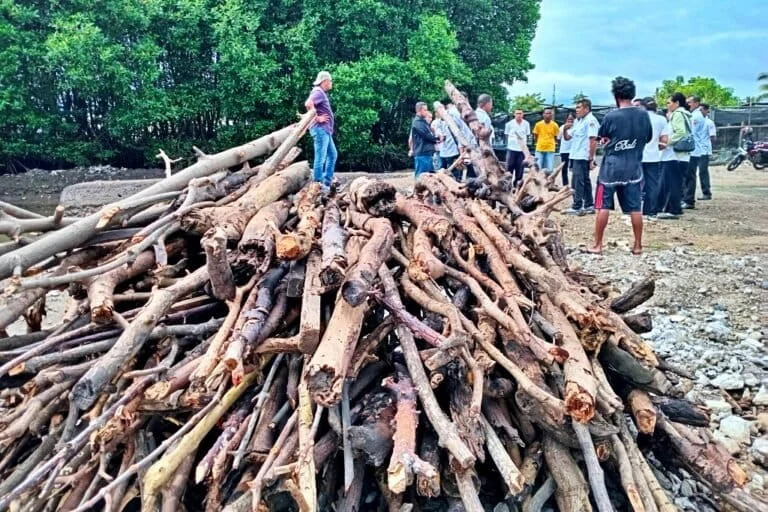
The coastal landscape of Kota Uneng in Maumere, Sikka Regency, East Nusa Tenggara (NTT), is currently the site of a profound environmental and social crisis as vast swaths of mangrove forests are being systematically cleared to make way for commercial aquaculture ponds. For decades, these mangroves served as a "living fence," a primary line of defense against the volatile currents of the Flores Sea, but the recent surge in land conversion has left local communities vulnerable to the elements and sparked a heated debate over land ownership and environmental governance. Residents who once felt secure behind the thick canopy of trees now find themselves at the mercy of rising tides and seasonal storms, leading to a climate of fear and uncertainty that permeates the coastal neighborhoods.
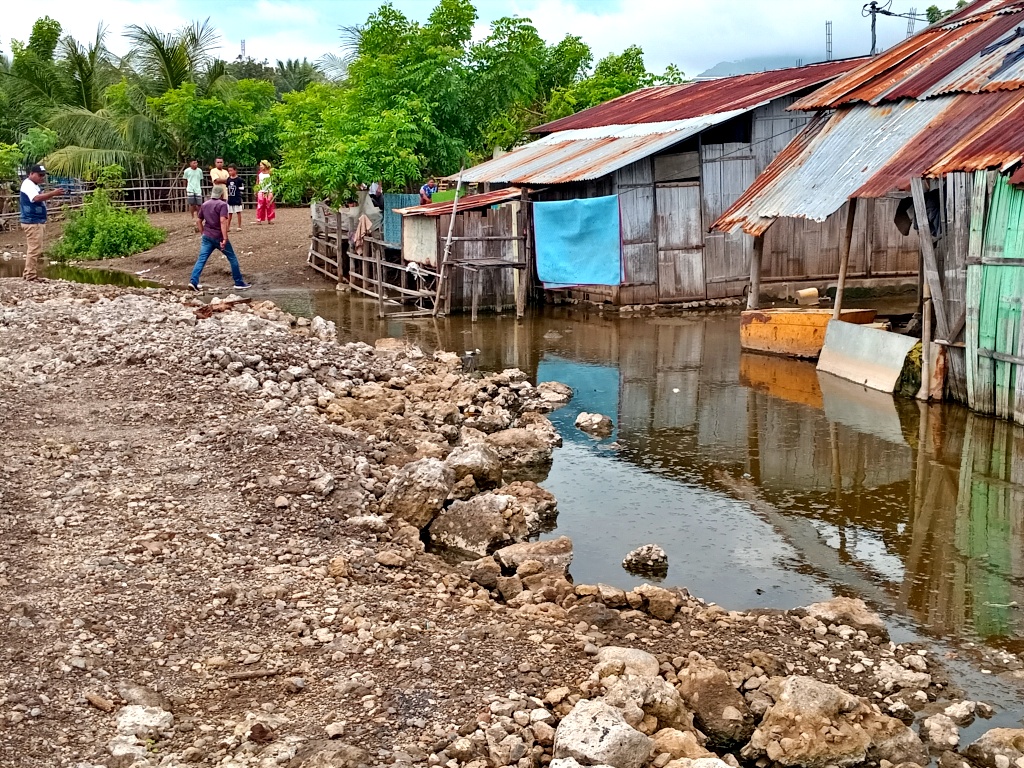
The loss of these mangroves is not merely an aesthetic or ecological concern; it is a direct threat to human life. Yance Lia, a resident of Kota Uneng, recalls how the mangrove forest behind her settlement was the only reason their homes remained standing during the catastrophic tsunami that struck the region in 1992. While other areas were leveled by the force of the water, the dense root systems and resilient trunks of the mangroves absorbed the energy of the waves. Today, that protection is rapidly vanishing. Yance notes that even minor weather events, such as strong winds or small-scale whirlwinds, now force residents to evacuate their homes. The buffer that once stood between the sea and the village has been replaced by stagnant ponds and barren mudflats, leaving the community exposed to the increasing frequency of extreme weather events.
A Chronology of Coastal Degradation
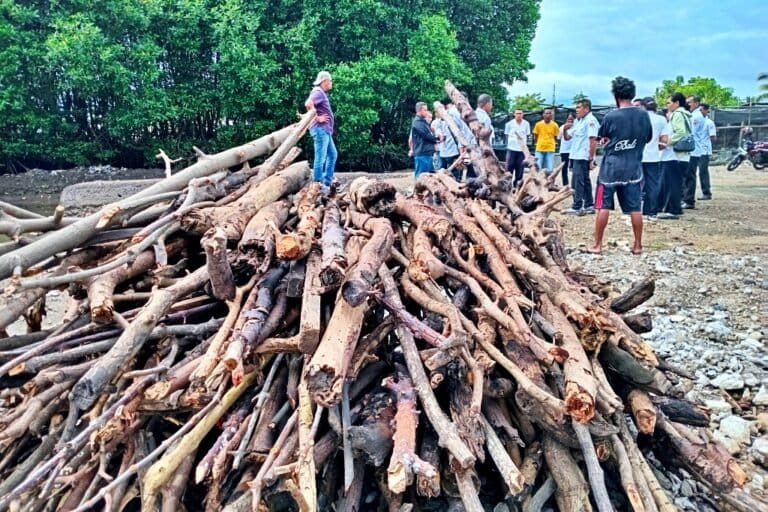
The conversion of mangroves in Kota Uneng is not a new phenomenon, but its scale and audacity have reached a breaking point. According to Petrus Blasing, the head of the local neighborhood unit (RT), the opening of ponds in this coastal area dates back to the 1980s. Over the decades, ownership of these plots has shifted through a variety of hands, involving a rotating cast of influential figures, including local businessmen, prominent politicians, and even officials from the Class II Port Authority and Oversight Office (KSOP) of Laurens Say Maumere.
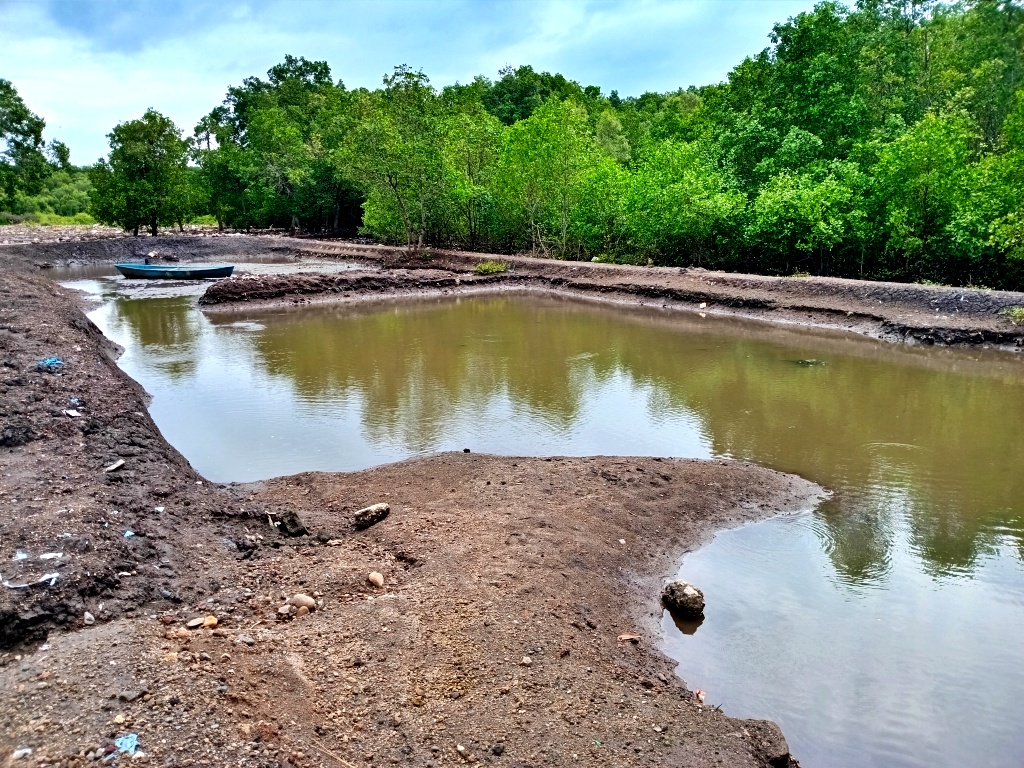
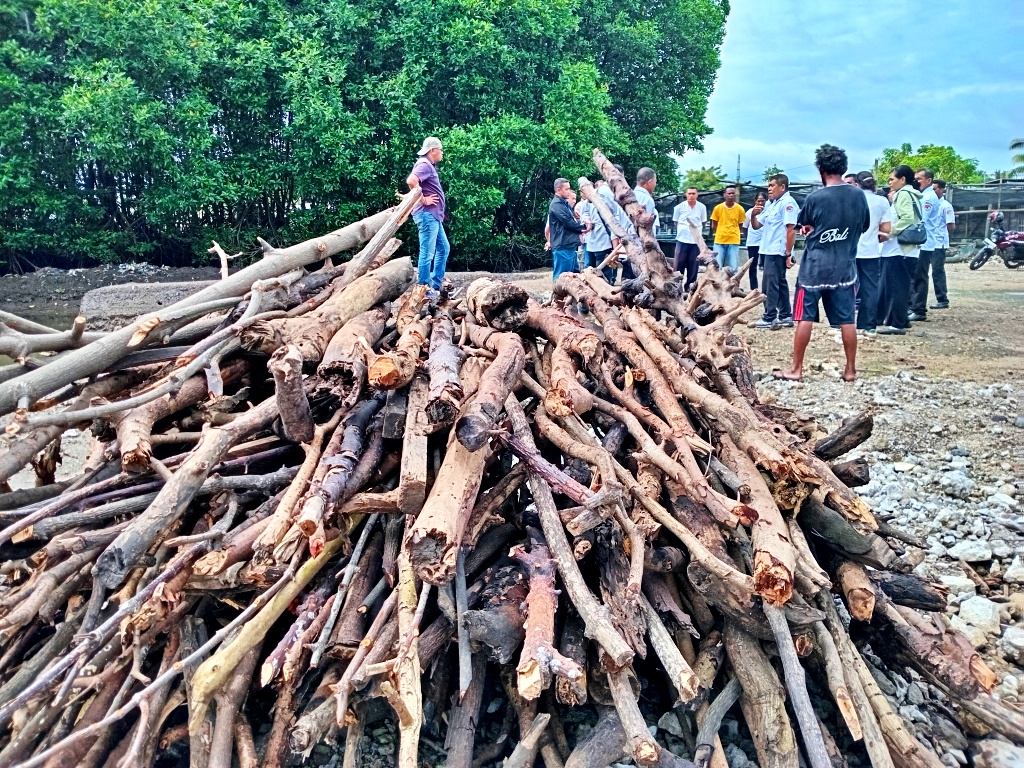
This history of high-profile ownership has created a sense of impunity surrounding the destruction of the forest. Activities that were once sporadic became more systematic, particularly following the COVID-19 pandemic. Residents observed that while the world was in lockdown, the clearing of mangroves intensified, often conducted under the cover of night or in secluded areas away from public view. What used to be a lush, green horizon visible from the backyards of RT3/RW4 has been transformed into a series of industrial-looking dikes. Petrus Blasing asserts that many of these operations lack the necessary environmental permits, yet they continue to expand toward the shoreline, further eroding the natural boundary that protected the inland settlements.
The Legal Quagmire: Private Claims vs. State Protection
The conflict in Kota Uneng is epitomized by the clash between private land claims and public environmental protection laws. Eko Halim, one of the pond owners currently under scrutiny, has publicly defended his operations. He claims that his 6,789-square-meter pond is located on private property, not state land. Halim maintains that he holds a valid Land Ownership Certificate (SHM) issued on November 14, 2000, signed by the then-head of the Sikka Land Office, Junus Nepa. However, he admits that the certificate is still in the name of the previous owner, as he has been unable to process the transfer of title due to outstanding land tax arrears totaling approximately Rp44 million, accumulated between 2003 and 2024.
Despite the lack of an environmental permit, Halim argues that he is in the process of "legalizing" his business and intends to pay the back taxes. His stance highlights a significant loophole in local land management: the issuance of private titles over areas that are ecologically sensitive and, by law, should be under state protection. Petrus Blasing and other community leaders counter these claims by pointing out that the government had previously installed boundary markers identifying the area as state-protected land. The presence of private certificates in a mangrove zone suggests a systemic failure in the land administration system, where ecological zones are privatized without regard for national environmental mandates.
Ecological Value and the Science of Blue Carbon
The destruction of the Kota Uneng mangroves carries global implications for climate change mitigation. Yohanes Don Bosco Rikson Minggo, a lecturer at the Faculty of Food Technology, Agriculture, and Fisheries at Universitas Nusa Nipa Maumere, emphasizes that these forests are among the most efficient carbon sinks on the planet. Mangroves possess a unique ability to sequester "blue carbon"—carbon stored in coastal and marine ecosystems—at rates significantly higher than terrestrial tropical forests.
The ecosystem in Kota Uneng is particularly valuable due to its high biodiversity. The forest is composed of several key species, including Rhizophora apiculata, Rhizophora mucronata, Avicennia marina, Sonneratia alba, and Bruguiera gymnorrhiza. Each of these species plays a specific role in the ecosystem: some provide the structural strength to break wave energy, while others filter sediments and provide vital breeding grounds for local fish and crustacean populations.
Rikson Minggo warns that the current destruction is a classic example of the "tragedy of the commons," where a shared resource is depleted by individuals acting in their own self-interest. He notes that the failure to manage these resources reflects a departure from the "Public Trust Doctrine," a legal principle which dictates that certain natural resources should be preserved for public use and that the state must act as the guardian of these resources. The fragmentation of authority between the Ministry of Environment and Forestry and the Ministry of Maritime Affairs and Fisheries often leads to a "gray zone" in enforcement, which unscrupulous actors exploit to bypass environmental regulations.
Allegations of Land Mafia and Systematic Maladministration
The Consortium for Agrarian Reform (KPA) in NTT has taken a hardline stance on the issue, labeling the situation in Kota Uneng as more than just an environmental crime. Honorarius Quintus Ebang, the KPA NTT Coordinator, suggests that the issuance of SHMs in protected mangrove zones points toward the involvement of a "land mafia." Under Indonesian law, specifically Law No. 27 of 2007 on the Management of Coastal Areas and Small Islands, mangrove ecosystems are designated as protected zones that cannot be easily converted into private property.
"The issuance of these certificates is a form of legalized land grabbing," Ebang stated. He argues that by granting legal titles to protected land, the state is effectively subsidizing the destruction of the environment. The KPA is now calling for a comprehensive audit by the Ministry of Agrarian Affairs and Spatial Planning (ATR/BPN) to investigate how these certificates were issued and to cancel any titles that overlap with protected coastal zones. They demand that the law enforcement agencies investigate potential maladministration and corruption within the land offices that allowed these transactions to occur over the last two decades.
Government Intervention and the Path to Recovery
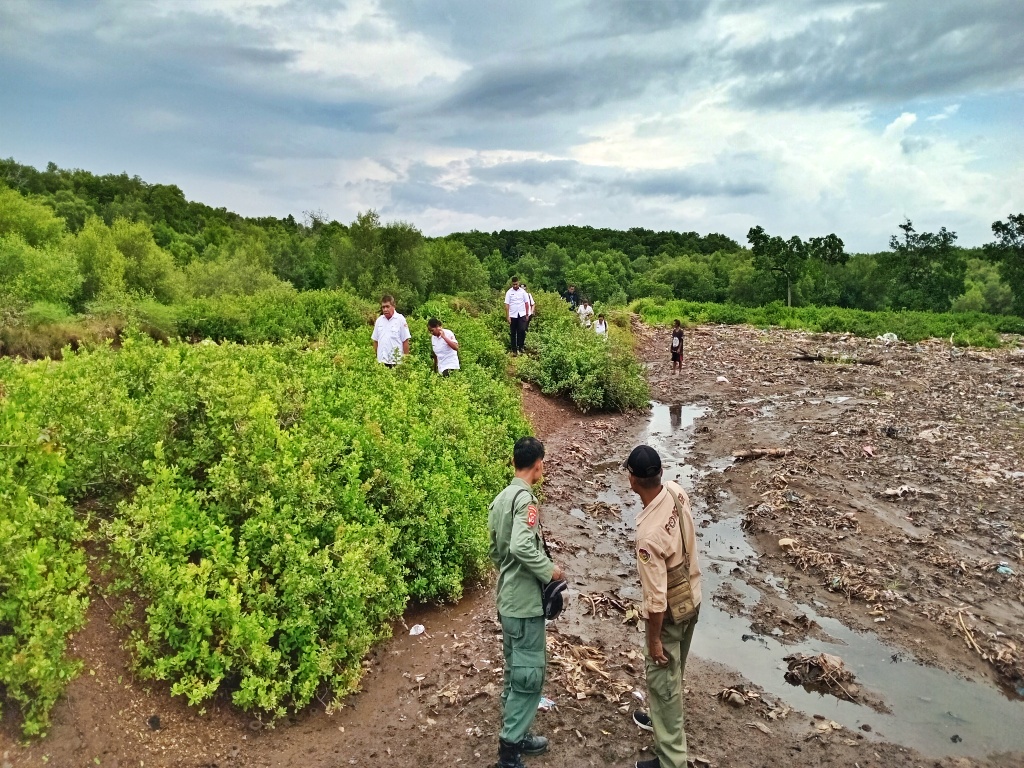
In response to the growing public outcry, the Sikka Regency government has begun to take tentative steps toward enforcement. Fransiskus Federikus, the Acting Head of the Sikka Environment Office (DLH), recently conducted a field inspection alongside the Forestry Management Unit (KPH) and local district officials. Following the visit, he issued a formal order to halt all pond activities in the disputed area. "This pond business has no environmental permit. We have implemented a temporary suspension of operations," Federikus confirmed.
However, many environmental advocates, including Yuvensius Tefanus Nonga, Executive Director of Walhi NTT, argue that a "temporary suspension" is insufficient. Walhi NTT categorizes the destruction as an "ecological crime" that warrants criminal prosecution under the Law on Environmental Protection and Management. Nonga points out that the impacts are already being felt; tidal flooding (known locally as rob) has begun to inundate settlements that were previously dry. He argues that the perpetrators must not only be stopped but must also be held financially and legally responsible for the total restoration of the ecosystem.
The Provincial Government of NTT, through the Head of the Provincial Environment Office, Sulastri H.I. Rasyid, has also called for a deep investigation. She emphasized that reforestation is mandatory and that the parties responsible for the clearing must be forced to replant the mangroves they destroyed. The challenge remains in the enforcement of these mandates, as the owners of the ponds often possess the financial and political capital to delay legal proceedings.
Broad Implications for Coastal Security and the Economy
The crisis in Kota Uneng serves as a microcosm of the larger struggle facing Indonesia’s coastal communities. As a nation of over 17,000 islands, Indonesia holds the world’s largest mangrove acreage, yet it also faces one of the highest rates of mangrove loss globally. The conversion of these forests into shrimp and fish ponds is often driven by the promise of short-term economic gain, but the long-term costs—including coastal erosion, loss of fisheries, and increased disaster vulnerability—far outweigh the profits.
For the people of Sikka, the stakes are existential. If the mangroves of Kota Uneng are not restored, the regency faces a future where coastal settlements may eventually have to be abandoned due to rising sea levels and the lack of natural protection. The economic impact on local traditional fishermen is also severe, as the destruction of mangrove nurseries leads to a decline in fish stocks in the surrounding waters.
The situation demands a paradigm shift in how coastal land is governed in NTT. It requires a move away from siloed management and toward an integrated approach that prioritizes ecological integrity and community safety over private accumulation. The resolution of the Kota Uneng case will be a litmus test for the Sikka Regency government’s commitment to environmental justice and its ability to confront powerful interests in defense of its most vulnerable citizens. As the climate crisis intensifies, the "living fence" of the mangroves is no longer a luxury; it is a fundamental requirement for the survival of coastal civilization in the Indonesian archipelago.