Tyo Susilo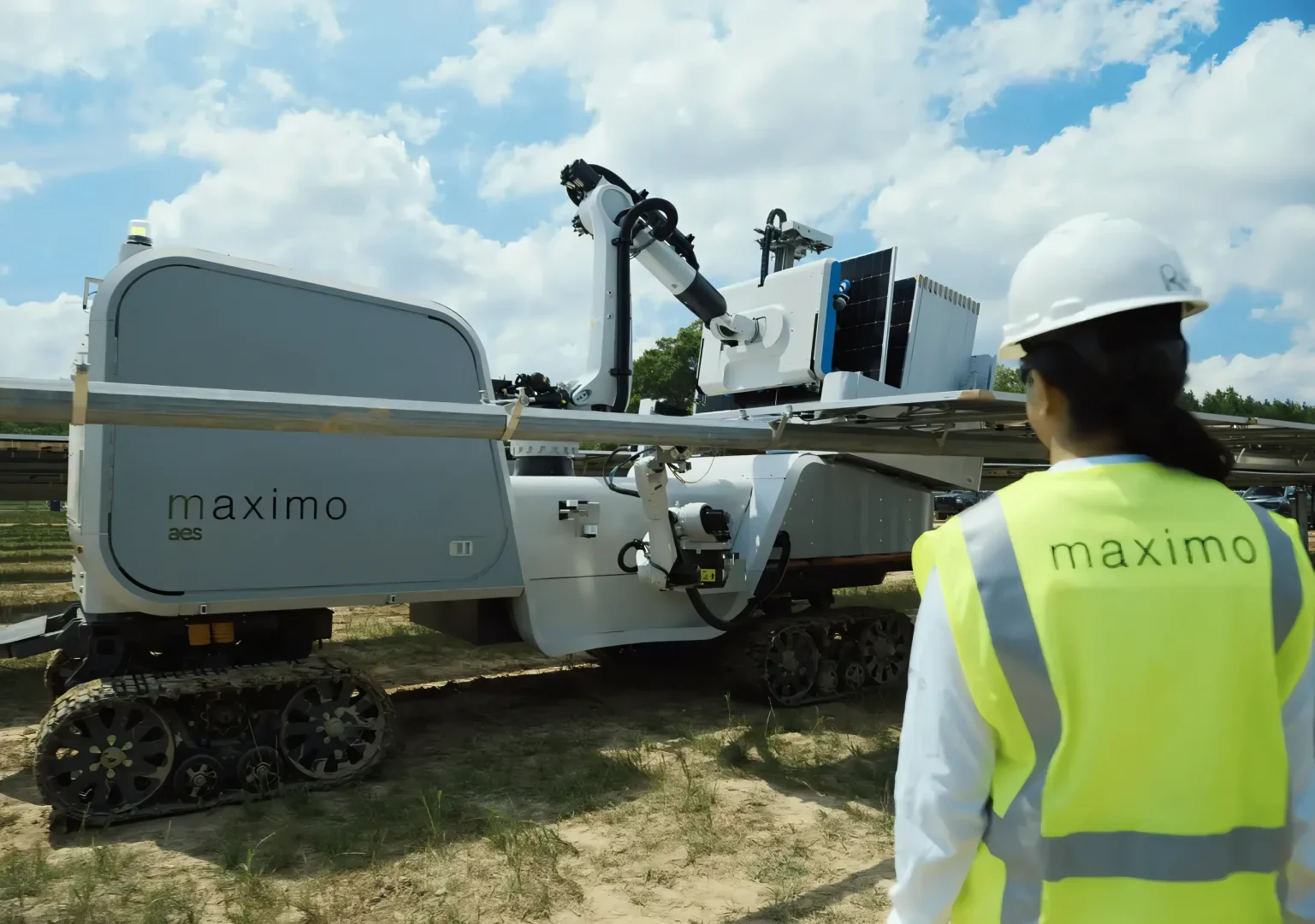
The landscape of artificial intelligence (AI) is rapidly expanding beyond the confines of software, making significant inroads into physically demanding labor on the ground. A prime example of this transformative shift is the emergence of AI-powered robots designed to assist with the installation of solar panels. This groundbreaking initiative, prominently supported by NVIDIA, signifies a major leap forward in the development of AI-driven automation within the renewable energy sector.
In a pivotal development unfolding in California, four advanced AI robots, codenamed Maximo and engineered by AES, have been deployed to streamline the complex process of solar panel installation. These sophisticated machines are meticulously designed to handle every stage of the installation, from the precise transportation of solar modules to their accurate placement and secure fitting. AES has emphasized the versatility of the Maximo system, stating its compatibility with a wide array of solar panel types. To date, these robotic units have been instrumental in the successful installation of solar projects with an aggregate capacity reaching an impressive 100 megawatts (MW).
The efficiency gains attributed to the latest iteration of Maximo are particularly noteworthy. According to AES, this advanced version is capable of consistently installing over one solar module per minute. In rigorous testing scenarios, the AI robot has demonstrated the capacity to operate at speeds up to twice as fast as traditional manual installation methods. This significant acceleration is critically important, as the physical installation of solar panels has historically been a labor-intensive and time-consuming undertaking, often presenting logistical challenges and requiring substantial human effort.
The Collaborative Nature of AI in Construction
Despite the remarkable advancements in robotic capabilities, it is crucial to understand that these AI robots are not intended to wholly replace human workers. Instead, the Maximo system is architected to foster a collaborative environment, working in tandem with human operators on the installation site. This integrated approach necessitates the presence of only two human personnel to manage and oversee the operation of each robot. AES projects that this collaborative model can lead to a substantial reduction in overall project timelines, with estimates suggesting a potential cut in working hours by approximately 50 percent. This optimization not only accelerates deployment but also has the potential to reduce labor costs and improve worker safety by minimizing strenuous manual tasks.
Technological Backbone: NVIDIA and AWS Partnership
The development of the Maximo AI robot is a testament to strategic technological partnerships. AES has collaborated closely with industry giants NVIDIA and Amazon Web Services (AWS) as key technology partners. AES has leveraged NVIDIA Omniverse and Isaac Sim, powerful platforms that provide robust environments for simulation and the development of complex AI systems. These tools enable engineers to meticulously plan, test, and refine the robot’s movements and decision-making processes in a virtual setting before real-world deployment.
The computational power driving the Maximo robot is provided by NVIDIA GPUs. These high-performance graphics processing units are fundamental to the robot’s advanced AI capabilities, enabling sophisticated functions such as real-time learning, adaptive behavior in dynamic environments, and precise monitoring of the construction process. This allows the robot to learn from its operations, adapt to minor variations in terrain or panel positioning, and ensure the highest standards of accuracy and safety during installation.
Historical Context and the Growing Demand for Solar Energy
The development of automated solutions for solar panel installation arrives at a critical juncture for the global energy sector. As nations worldwide intensify their efforts to transition towards cleaner energy sources and combat climate change, the demand for solar power has surged exponentially. According to the International Energy Agency (IEA), solar photovoltaic (PV) capacity is projected to account for nearly two-thirds of the growth in global renewable electricity capacity additions through 2026. This unprecedented growth trajectory places immense pressure on existing installation methods, highlighting the urgent need for innovative solutions that can scale efficiently and cost-effectively.
Historically, solar panel installation has been a manual process. Teams of workers would typically transport panels, often heavy and unwieldy, to their designated locations on rooftops or ground arrays, meticulously measure and mark positions, and then physically secure them. This process, while effective, is inherently slow and physically demanding. It requires significant manpower, often leading to extended project durations, particularly for large-scale solar farms. Furthermore, the repetitive nature of the work, combined with working at heights or in challenging environmental conditions, can pose significant safety risks to human installers.
The introduction of AI robots like Maximo addresses these long-standing challenges. By automating the most strenuous and time-consuming aspects of the installation, these robots can significantly reduce the physical burden on human workers. This not only speeds up the deployment of solar infrastructure but also allows human operators to focus on higher-level tasks, such as system oversight, quality control, and complex problem-solving, enhancing both efficiency and safety on the job site.
Economic Implications and Future Projections
The economic implications of this AI-driven automation are far-reaching. The ability to install solar panels twice as fast as manual methods translates directly into reduced labor costs per project. For large-scale solar farms, where thousands or even millions of panels need to be installed, these savings can be substantial, making solar energy even more competitive with traditional fossil fuels. This cost reduction can accelerate the adoption of solar power, further contributing to decarbonization goals.
Moreover, the increased efficiency can lead to faster project completion times. This means that renewable energy projects can begin generating power sooner, delivering economic and environmental benefits more rapidly. The predictability of robotic installation, compared to potential delays caused by weather, labor availability, or human error, also adds a layer of certainty to project planning and execution.
Looking ahead, the trend towards AI-powered automation in physical labor is likely to accelerate across various industries. In the energy sector, specifically, we can anticipate further advancements in robotic capabilities. Future iterations of these solar installation robots may incorporate even more sophisticated AI, enabling them to handle more complex site preparations, perform maintenance tasks, and even diagnose potential issues with solar arrays.
The development also highlights the growing importance of digital twins and simulation in industrial applications. By creating virtual replicas of the installation environment and the robots themselves, AES and NVIDIA can continuously refine the AI algorithms and optimize the robot’s performance without disrupting ongoing operations. This iterative development cycle, powered by advanced simulation tools, is crucial for pushing the boundaries of what AI can achieve in the physical world.

Reactions and Broader Impact on the Energy Industry
While specific public statements from the wider industry regarding this particular AES project are not detailed in the initial information, the general sentiment within the renewable energy sector regarding automation is one of cautious optimism and keen interest. Industry analysts and experts have long predicted that AI and robotics would play an increasingly significant role in accelerating the clean energy transition.
"The integration of AI and robotics into renewable energy infrastructure development is not just a possibility, but a necessity if we are to meet our global climate targets," commented an analyst from a leading energy research firm, who preferred to remain anonymous due to company policy. "Projects like Maximo demonstrate a tangible path towards overcoming some of the key logistical and cost barriers that have historically slowed down large-scale solar deployment. The ability to increase installation speed and efficiency by such a significant margin is a game-changer."
The broader impact of this technological advancement extends beyond mere cost savings and speed. It represents a paradigm shift in how large-scale infrastructure projects are conceived and executed. The successful deployment of AI robots in solar installation could pave the way for similar automation solutions in other sectors of the energy industry, such as wind turbine maintenance, grid infrastructure upgrades, and even offshore energy exploration.
Furthermore, this innovation underscores the evolving nature of work in the 21st century. While automation may lead to a shift in the types of jobs available, it also creates new opportunities in areas such as AI development, robot maintenance, data analysis, and the management of automated systems. The focus will increasingly be on human-robot collaboration, where human expertise is augmented by the efficiency and precision of AI.
Conclusion: A Glimpse into the Future of Energy Infrastructure
The deployment of the Maximo AI robot for solar panel installation, powered by NVIDIA’s advanced technology, marks a significant milestone in the quest for a more sustainable and efficient energy future. It showcases the tangible benefits of AI and robotics in tackling real-world challenges within physically demanding industries. As the world continues its urgent transition to renewable energy, innovations like these will be instrumental in accelerating deployment, reducing costs, and ultimately, building a cleaner planet. The collaboration between AES, NVIDIA, and AWS serves as a powerful example of how cutting-edge technology can be harnessed to address critical global needs, offering a compelling glimpse into the future of energy infrastructure development. The question is no longer if AI will play a major role in physical labor in the energy sector, but rather how quickly and how extensively it will reshape the industry.