Tyo Susilo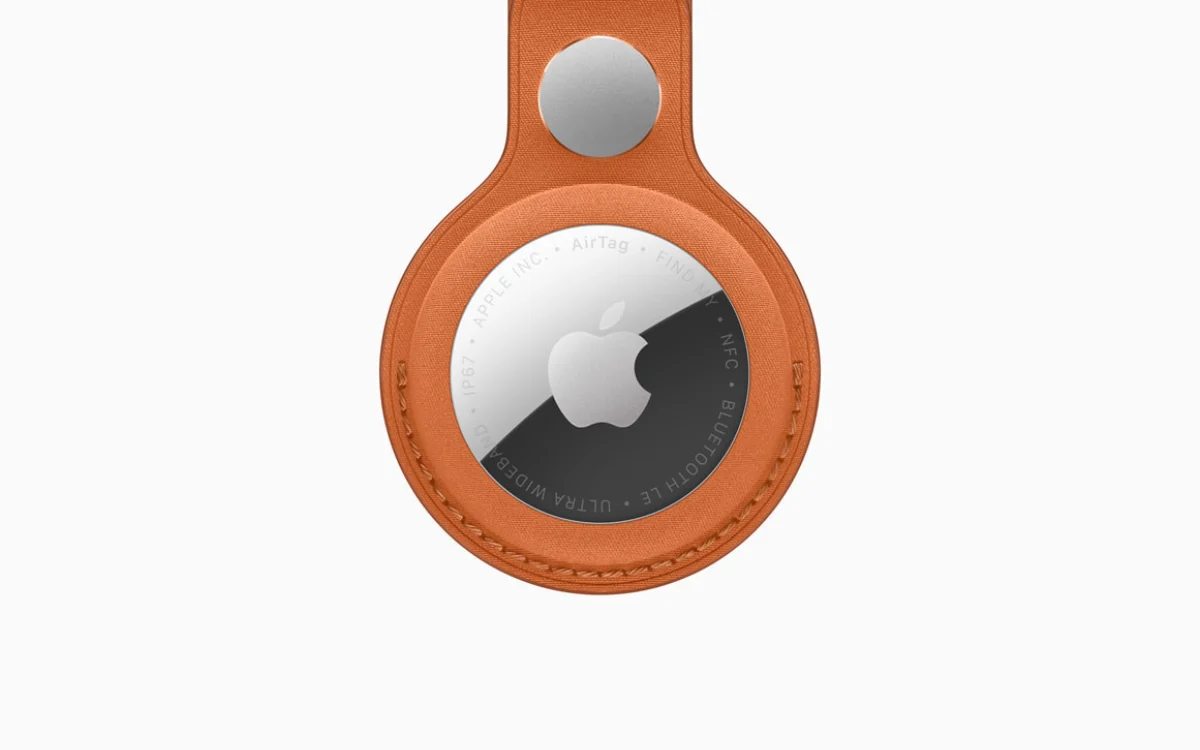
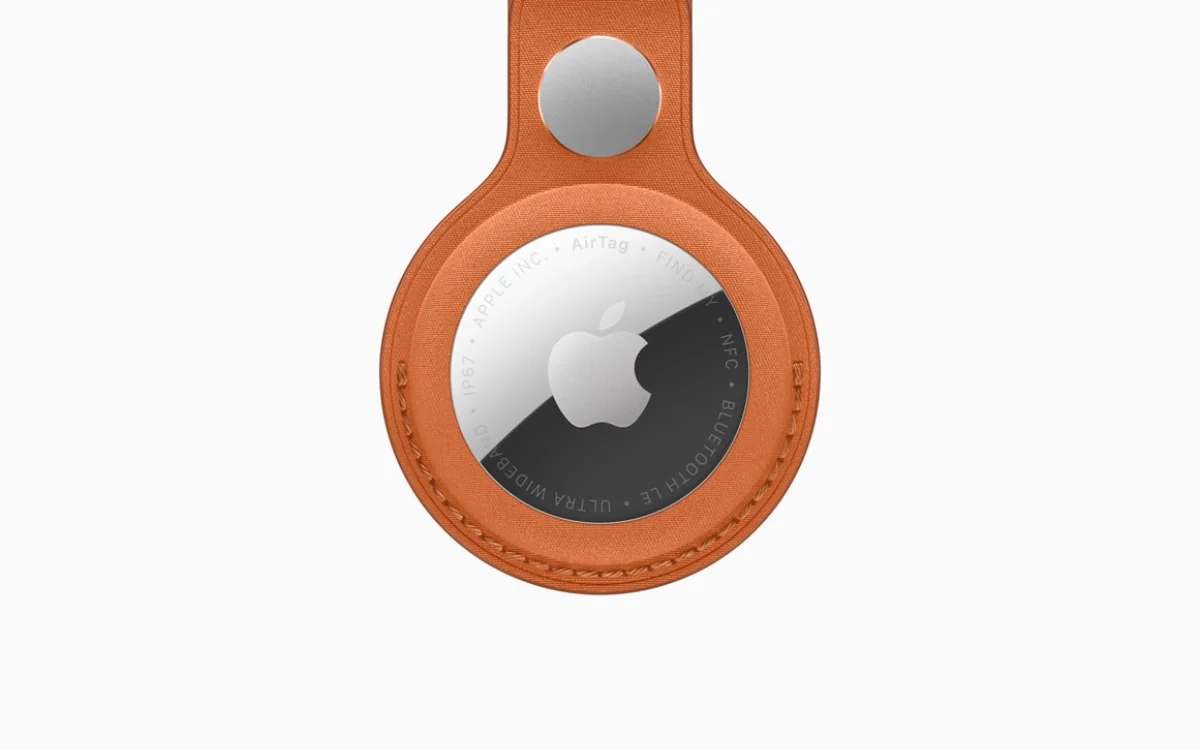
Apple has proactively bolstered the security of its AirTag 2 devices through a recent firmware update, introducing significant improvements to its anti-stalking system. The update, identified as version 3.0.45, focuses on making the detection of unauthorized tracking more effective and user-friendly, particularly by refining the audible alerts emitted by the device. This move signals Apple’s ongoing commitment to addressing potential misuse of its location-tracking technology and ensuring user privacy and safety.
The core of the update lies in the enhanced sound notification system. AirTag 2 devices are now designed to produce a more recognizable and louder alert sound when they are detected moving with a user without their explicit knowledge. This upgrade aims to make it significantly easier for individuals to pinpoint the location of an unknown AirTag that might be surreptitiously tracking them. The increased volume and potentially distinct audio signature of the alert are crucial for timely detection, especially in environments where ambient noise could otherwise mask a fainter sound.
This auditory enhancement complements the existing multi-layered security protocols Apple has implemented since the initial introduction of AirTags. Previously, users could receive automatic notifications on their iPhones if an unknown AirTag was detected moving with them over a prolonged period. This notification system, combined with the new, more prominent sound alerts, creates a robust defense against malicious tracking. The objective is to significantly reduce the risk of individuals being tracked without their consent, a concern that has been a focal point for privacy advocates and regulatory bodies since the inception of item trackers.
While Apple has not released granular details regarding the precise nature of the sound changes, the implication is clear: the alert is designed to be more attention-grabbing and easier to discern from a distance. This could involve an increase in decibel levels, a change in the frequency or pattern of the sound, or a combination of both. The ultimate goal is to empower users with the ability to quickly become aware if they are being subjected to unwanted surveillance, thereby enabling them to take appropriate action.
The firmware update 3.0.45 is specifically designated for the second generation of AirTags, suggesting a targeted approach to improving the hardware capabilities of newer devices. At present, there is no indication that this update will be retroactively applied to the first generation of AirTags. This focus on the AirTag 2 highlights Apple’s strategy of iterating on its hardware and software to address emerging security challenges and user feedback.
The AirTag 2 itself was launched globally at the end of January 2026, marking an evolution of Apple’s popular item-tracking solution. The company had previously confirmed plans for the device’s availability in various international markets, including Indonesia. However, the exact launch date for the Indonesian market remained undisclosed at the time of this reporting, leaving consumers to await further announcements from Apple regarding local availability.
Background and Chronology of AirTag Security Concerns
The introduction of Apple’s AirTag in April 2021 was met with both enthusiasm for its utility in locating lost items and immediate concerns regarding its potential for misuse in stalking and harassment. The compact size and wide reach of Apple’s Find My network, which leverages millions of Apple devices worldwide to anonymously locate AirTags, made it a potent tool for both legitimate use and malicious intent.
Early reports and investigations by law enforcement agencies and news outlets quickly surfaced, detailing instances where AirTags were allegedly used to track individuals without their knowledge. These incidents prompted Apple to acknowledge the concerns and commit to enhancing the anti-stalking features.
- April 2021: Apple AirTag is launched globally.
- Mid-2021: Reports begin to emerge of AirTags being used for stalking.
- Early 2022: Apple announces a series of updates to its anti-stalking features, including improved unwanted tracking alerts and the introduction of an Android app (Tracker Detect) to help Android users identify nearby AirTags.
- Late 2022 – Early 2023: Further refinements are made to the unwanted tracking alerts, including more precise timing for notifications and the introduction of a feature to trigger an AirTag’s sound manually if it’s deemed suspicious.
- January 2026: Apple launches the AirTag 2, with integrated improvements to its hardware and software.
- April 2026: Firmware update 3.0.45 is released for AirTag 2, significantly enhancing the audible anti-stalking alerts.
This timeline illustrates Apple’s reactive and iterative approach to addressing security vulnerabilities associated with its location-tracking devices. The company has consistently engaged with privacy experts and law enforcement to understand and mitigate risks.
Technical Enhancements and Supporting Data
The effectiveness of anti-stalking measures often hinges on a combination of detection sensitivity, notification speed, and user-actionability. While specific technical specifications for the AirTag 2’s speaker have not been publicly disclosed, the described enhancements suggest a focus on increasing the signal-to-noise ratio for unwanted tracking alerts.
- Increased Decibel Output: A louder alert makes it more probable that a user will hear the AirTag, especially in noisy environments like busy streets, public transport, or crowded venues. Research in audio perception suggests that an increase of just a few decibels can significantly improve audibility.
- Distinctive Sound Signature: A unique or more recognizable sound pattern can help users differentiate between an AirTag alert and other ambient noises or device notifications. This reduces the likelihood of the alert being ignored or mistaken for something else.
- Improved Speaker Quality: Newer hardware often incorporates more efficient and higher-fidelity speakers, which can reproduce a wider range of frequencies at higher volumes with less distortion.
The integration of these hardware and software improvements aims to reduce the "false negative" rate – instances where a user is being tracked but fails to detect the AirTag. This is crucial for building user trust and ensuring the product’s intended safety features are effective.
Official Statements and Inferred Reactions
While Apple has not issued a specific press release detailing this particular firmware update for the AirTag 2, its actions are consistent with its stated commitment to user privacy and security. In past statements regarding AirTag security, Apple executives have emphasized their dedication to safeguarding users from potential misuse.
An inferred reaction from privacy advocates would likely be cautiously optimistic. While welcoming the enhancements, many may continue to push for even more robust solutions, potentially including mandatory, time-limited broadcasting of unique identifiers by all tracking devices, or stricter regulations on the sale and distribution of such devices.
Law enforcement agencies, which have often been at the forefront of highlighting AirTag misuse cases, would likely view this update as a positive step. Improved detection capabilities can aid in investigations and provide victims with quicker recourse. However, the challenge of educating the public about these features and ensuring timely reporting of suspicious activity remains paramount.
Broader Impact and Implications
The continuous refinement of AirTag security features has several broader implications:
- Setting Industry Standards: As a leading technology company, Apple’s approach to privacy and security in location-tracking devices often influences the broader industry. The measures implemented by Apple may encourage other manufacturers to adopt similar or more advanced security protocols.
- User Trust and Adoption: Enhancing security directly impacts user trust. Consumers are more likely to adopt and rely on products that they perceive as safe and that offer strong protections against privacy violations.
- Regulatory Scrutiny: Ongoing efforts by Apple and other companies to address anti-stalking concerns can influence how regulators approach the oversight of location-tracking technologies. Proactive measures may help stave off more stringent, potentially less flexible, government mandates.
- Evolution of Anti-Stalking Technology: The development of these features demonstrates a growing sophistication in how technology can be used to both enable and prevent surveillance. This iterative process is crucial for staying ahead of evolving threats.
The AirTag 2’s latest firmware update, focusing on a more audible and recognizable anti-stalking alert, represents a tangible step forward in Apple’s ongoing efforts to balance the utility of its location-tracking devices with the paramount need for user safety and privacy. As technology continues to advance, so too must the security measures designed to protect individuals from its potential misuse.