Eko Sulistyo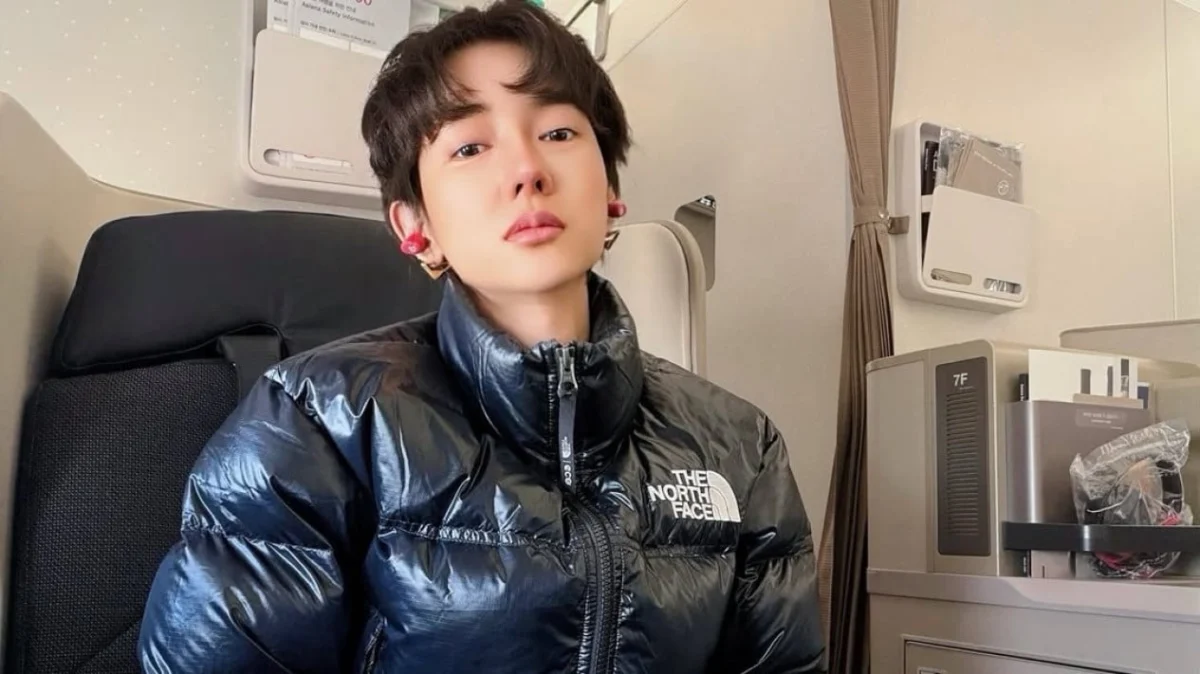
The Indonesian entertainment landscape has been recently captivated by a series of high-profile developments involving some of the nation’s most discussed celebrities. At the forefront of this news cycle is the dramatic announcement by social media personality Lucinta Luna regarding a significant shift in her gender identity and personal life. Following years of public scrutiny and numerous surgical procedures, the influencer has expressed a desire to return to her original identity as a male, a move that has sparked widespread conversation across digital platforms and traditional media outlets alike. This development, coupled with the unconventional financial strategies of singer Pinkan Mambo and heated debates surrounding media ethics involving Deddy Corbuzier and Vidi Aldiano, has created a complex narrative of identity, survival, and celebrity culture in 2026.
The Identity Reversion of Lucinta Luna: A Cultural Phenomenon
Lucinta Luna, born Muhammad Fatah, has long been a lightning rod for controversy and discussion regarding gender identity in Indonesia. After years of identifying as a woman and undergoing extensive gender reassignment surgeries, her recent declarations mark a profound turning point. The revelation gained significant momentum during the Eid al-Fitr celebrations in April 2026, a period of spiritual reflection for many in the region.
While visiting South Korea, Lucinta Luna was observed at the Seoul Central Mosque participating in the Eid prayers. Observers and followers were stunned to see the influencer appearing in traditional male attire, including a peci (Islamic cap) and a sarung, and positioning herself within the male section of the congregation. This visual confirmation was followed by a series of candid statements in which she addressed the complexities of "returning to her nature" (kodrat) while grappling with the permanent physical changes she has undergone.
The psychological and social implications of this transition are significant. In Indonesia, where traditional values often intersect with modern social media culture, Lucinta’s journey reflects a broader dialogue on identity. Legal experts note that the process of reverting identity on official documents, such as the National Identity Card (KTP), can be as arduous as the initial transition. Data from the Indonesian Ministry of Home Affairs suggests that while gender changes on legal documents are permitted under specific court orders, a "re-transition" presents a rare legal precedent that may require extensive judicial review.
Pinkan Mambo and the Rise of Digital Street Busking
Parallel to the discussions of identity is the story of Pinkan Mambo, the former lead singer of the pop duo Ratu. Once a staple of the Indonesian music charts, Mambo has recently pivoted to a highly unconventional method of income generation: live-streaming busking on TikTok. The singer has been seen performing on street corners, braving the elements and public indifference, to solicit "gifts" or "donations" from her online audience.
This shift highlights the precarious nature of celebrity longevity in the digital age. Mambo’s transparency about her financial struggles and her willingness to perform in what she describes as "less than ideal" conditions—even mentioning skin irritations caused by the sun and pollution—has divided public opinion. Some view her actions as a resilient "hustle," while others see it as a cautionary tale of the entertainment industry’s volatility.
From a data perspective, the "gift economy" on TikTok has become a multi-million dollar industry in Southeast Asia. For a celebrity with an established following, a single "Lion" or "Universe" gift during a live stream can translate into millions of Indonesian Rupiah. Analysts suggest that Mambo’s strategy taps into a "sympathy economy," where followers are more likely to donate when they perceive a star is undergoing hardship or demonstrating extreme humility. This trend reflects a broader shift in how public figures monetize their personal lives when traditional avenues, such as television appearances or recording contracts, begin to dwindle.
Media Ethics and the Protection of Public Figures
The entertainment discourse has also been sharpened by the intervention of Deddy Corbuzier, a prominent podcast host and media mogul. Corbuzier recently voiced his indignation regarding the exploitation of singer Vidi Aldiano’s health struggles. Aldiano, who has been transparent about his battle with kidney cancer, has frequently appeared on Corbuzier’s platforms, fostering a sense of public camaraderie and support.
However, the proliferation of clickbait content and unauthorized use of Aldiano’s name for financial gain by third-party content creators has triggered a backlash. Corbuzier’s stance underscores a growing tension in the Indonesian "creator economy" regarding the boundaries of ethical reporting and the monetization of personal tragedy. As search engine optimization (SEO) continues to drive digital revenue, the use of celebrity health crises as "keywords" has become a rampant, albeit controversial, practice.
Industry experts argue that this situation calls for more robust digital regulations or a "code of ethics" among independent content creators. The emotional toll on public figures like Aldiano, who is managing a serious illness while remaining in the public eye, is often overlooked in the race for digital engagement. Corbuzier’s public defense of his colleague serves as a rare instance of an industry insider calling for a more compassionate and principled approach to celebrity news.
Social Media "Shipping" and the Case of Reza Arap and Fuji
Adding to the week’s highlights is the reaction of musician and streamer Reza Arap to the persistent efforts of netizens to "ship" or romantically link him with influencer and actress Fujianti Utami, popularly known as Fuji. The culture of "perjodohan" (arranged matching by fans) is a dominant force in Indonesian social media, often creating immense pressure on individuals to conform to fan-driven narratives.
Reza Arap, known for his direct and often abrasive public persona, has expressed frustration with the constant speculation. His refusal to entertain the fan-driven romance highlights a growing pushback among celebrities against parasocial relationships. While these fan-driven narratives can increase engagement and brand value, they often come at the cost of personal privacy and autonomy.
Data from social media monitoring tools indicates that "shipping" hashtags can generate hundreds of millions of impressions, making them lucrative for brands but exhausting for the subjects involved. The interaction between Arap and the fan community illustrates the delicate balance celebrities must maintain between being accessible to their audience and protecting their private lives from collective imagination.
Chronology of Events: A Weekend in Showbiz
The events leading up to this media surge followed a specific timeline that maximized public engagement:
- Friday, April 3, 2026: Pinkan Mambo goes viral for a six-hour marathon TikTok live stream from a busy intersection in Jakarta, claiming record-breaking "gift" earnings for the day.
- Saturday, April 4, 2026: Deddy Corbuzier releases a statement via social media condemning "content vultures" who have been using Vidi Aldiano’s medical status to drive traffic to predatory websites.
- Sunday, April 5, 2026: Images of Lucinta Luna at the Seoul Central Mosque begin to circulate. By the evening, she releases a video statement addressing her identity shift, which quickly becomes the top-trending topic on Indonesian Twitter (X) and VIVA’s Showbiz portal.
- Monday, April 6, 2026: Reza Arap addresses the Fuji rumors during a live gaming stream, setting boundaries and requesting fans to focus on his musical projects rather than his dating life.
Analysis of Broader Implications
The convergence of these stories provides a snapshot of the Indonesian entertainment industry in 2026—a landscape defined by digital disruption, the fluidity of identity, and the struggle for ethical standards. The case of Lucinta Luna is perhaps the most significant, as it challenges both progressive and conservative viewpoints on gender. Her journey suggests that the public’s fascination with celebrity transitions is moving toward a more nuanced, albeit still highly scrutinized, understanding of personal evolution.
Furthermore, the economic desperation or tactical ingenuity displayed by Pinkan Mambo serves as a case study for the "de-platforming" of traditional fame. When the gatekeepers of television and radio are bypassed, the street and the smartphone become the new stage. This democratization of performance brings both freedom and a loss of the "mystique" traditionally associated with stardom.
Finally, the advocacy of figures like Deddy Corbuzier suggests that as the digital landscape matures, there is an increasing demand for accountability. The exploitation of health and personal struggle for clicks is a byproduct of an algorithm-driven economy that often rewards sensationalism over substance.
As these stories continue to evolve, they will likely influence how Indonesian celebrities navigate their careers and personal lives in an era where the line between public persona and private reality is increasingly blurred. The high level of engagement with these topics on platforms like VIVA indicates that the public remains deeply invested in the human drama behind the headlines, demanding a balance between entertainment and the authentic human experience.