Lusiana Hamidun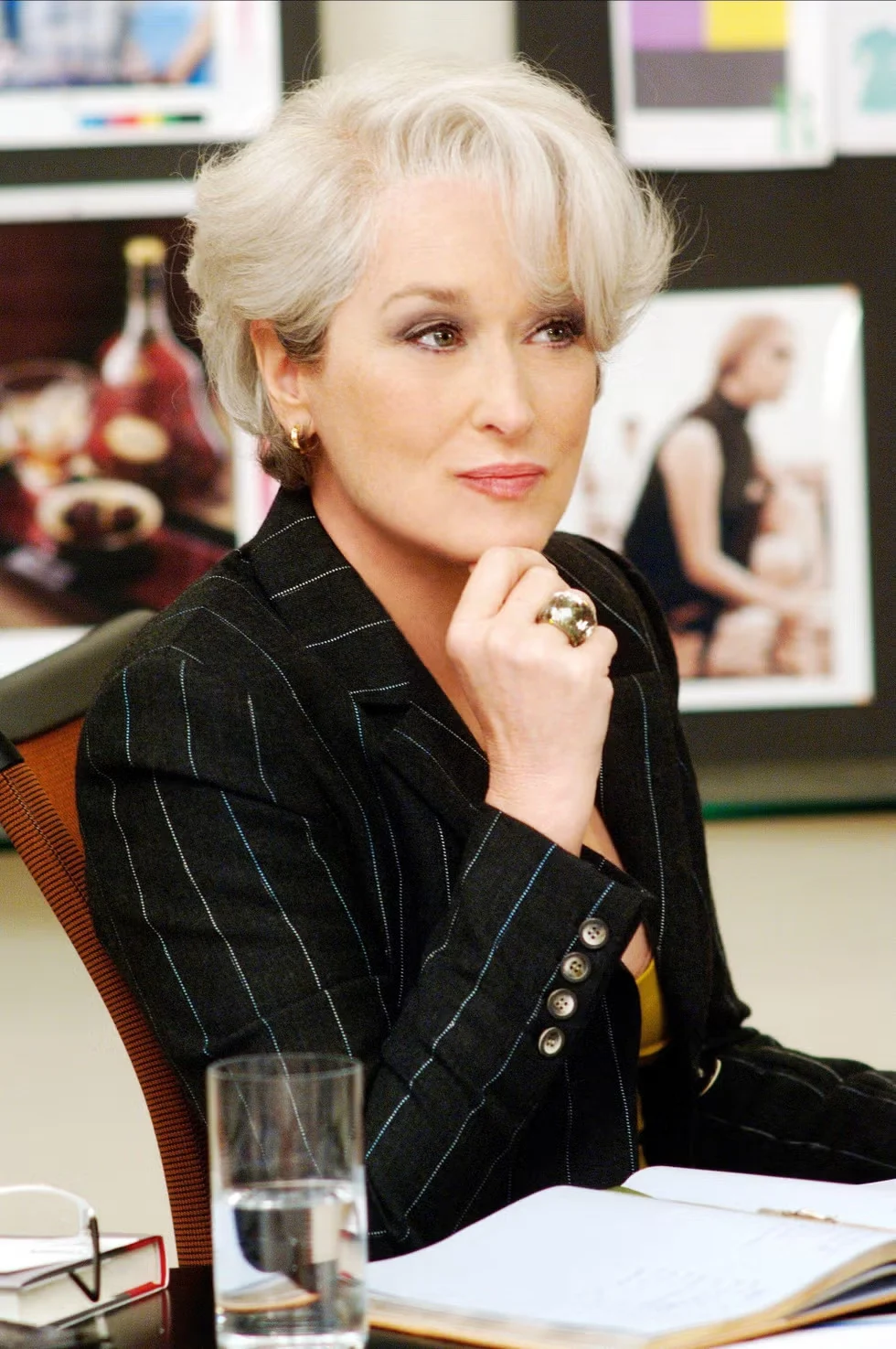
In the digital echo chambers of platforms like TikTok, a curious trend has emerged, one that seeks to infuse the mundane reality of the 9-to-5 workday with an almost cinematic flair. Users, with soft keyboard typing sounds as their soundtrack, showcase meticulously curated workspaces, turning routine tasks into moments of serene accomplishment. A midday pause for a matcha latte at precisely 1:35 PM or even a brief power nap in the parking lot at 3:30 PM are presented not as mere breaks, but as deliberate rituals designed to imbue the day with a sense of calm and control. While these videos might, at first glance, appear to celebrate the conventional workweek, a deeper analysis reveals they are, in fact, a sophisticated coping mechanism for navigating the pervasive stress and monotony often associated with contemporary professional life.
This phenomenon is a significant facet of the broader "#romanticizemylife" movement, which has gained considerable traction in recent years, particularly in the post-pandemic era. The global health crisis prompted a widespread reevaluation of the relationship between individuals and their professional commitments, leading many to question the traditional structures of office work. The video format itself, often segmented and carefully edited, emphasizes small rituals and personal achievements over the core work output. For these content creators, documenting lunch breaks, coffee runs, or even the simple act of arranging a desk becomes a strategy for regaining a sense of sanity and agency amidst the relentless deluge of digital notifications and demanding workloads.
Disenchantment with the Corporate Grind
According to Dr. Erin Hatton, a sociology professor at the University of Buffalo, the widespread appeal of these videos is a direct reflection of a deeper, systemic disenchantment with the prevailing work culture. "This content likely resonates with many workers who feel uncertain about their jobs and prospects for economic stability, let alone the concept of success, in America today," Dr. Hatton explained. She elaborated, "This might manifest as a lack of clarity on how or where to find high-paying employment, or how to leverage their skills within American companies. Alternatively, they may hold ‘9-to-5’ jobs but find the work itself unengaging and uninspiring."
For the first time in recent history, Dr. Hatton posits, many workers cannot realistically expect to achieve a better standard of living than previous generations. The spectrum of online trends, from "quiet quitting" to this "9-to-5 romanticism," can be seen as an attempt to reframe work’s place in one’s life. It’s about positioning employment not as the central pillar of existence, but as a necessary hurdle to overcome. This framing implicitly or explicitly suggests that individuals will find meaning and fulfillment outside the confines of their professional roles, rather than within them.

"While labeled as ‘romanticizing’ the 9-to-5 workday, I don’t believe these videos are truly about that at all," Dr. Hatton stated. "At their core, these videos are workers providing each other with a playbook on how to navigate the corporate world." She further noted that content featuring employees echoing mantras like "work to live, not live to work" serves as a gentle reminder to prevent the corporate environment from overshadowing one’s personal identity, whether one is a seasoned professional or just starting out.
The Strategic Use of "Work Personas"
For some individuals, this digital guidance extends to encouraging the creation of "work alter egos." Online, numerous employees have shared how adopting a professional persona has helped them sustain their work in demanding professional settings. This strategy allows them to feel a sense of purpose while mitigating the feeling that their workday is merely an ephemeral, disconnected experience.
One TikTok user, working in business development, shared that she romanticizes her job by emulating the persona of Olivia Pope, a fictional character known for her sharp intellect and unwavering confidence. She candidly admitted that she "would lose her mind" if she didn’t adopt such a persona. The comment sections of these videos often become spaces for users to share similar experiences and offer encouragement. "I started doing this and got a promotion!" one user reported. "Agreed! I do this all the time," another chimed in.
The adoption of alter egos in the workplace is not entirely novel. In previous decades, popular culture, through films and television, often depicted work as a domain where women achieved success and agency. Characters like Miranda Priestly in "The Devil Wears Prada" or the flawed but beloved leaders in sitcoms such as "Living Single" and "Parks and Recreation" had their careers as central to their narratives. Through their work, audiences understood who they were as individuals. In these fictional contexts, work often empowered these female characters, positioning them as protagonists – a role rarely afforded to individuals in actual office environments, where such assertiveness is often discouraged. In contrast, social media users are embracing the more uninhibited online mentality of "you are not your job."
A Shifting Landscape of Work and Media
Andrea Lee Press, Chair of Media Studies at the University of Virginia, observes that while media has evolved, its impact remains potent, particularly for workers grappling with job insecurity and economic uncertainty. "Media has changed, but the message and its impact are only getting stronger, especially where workers are often highly stressed about their futures and are forced to maintain exploitative jobs, while also fearing to fight for worker power and rights," Press stated.
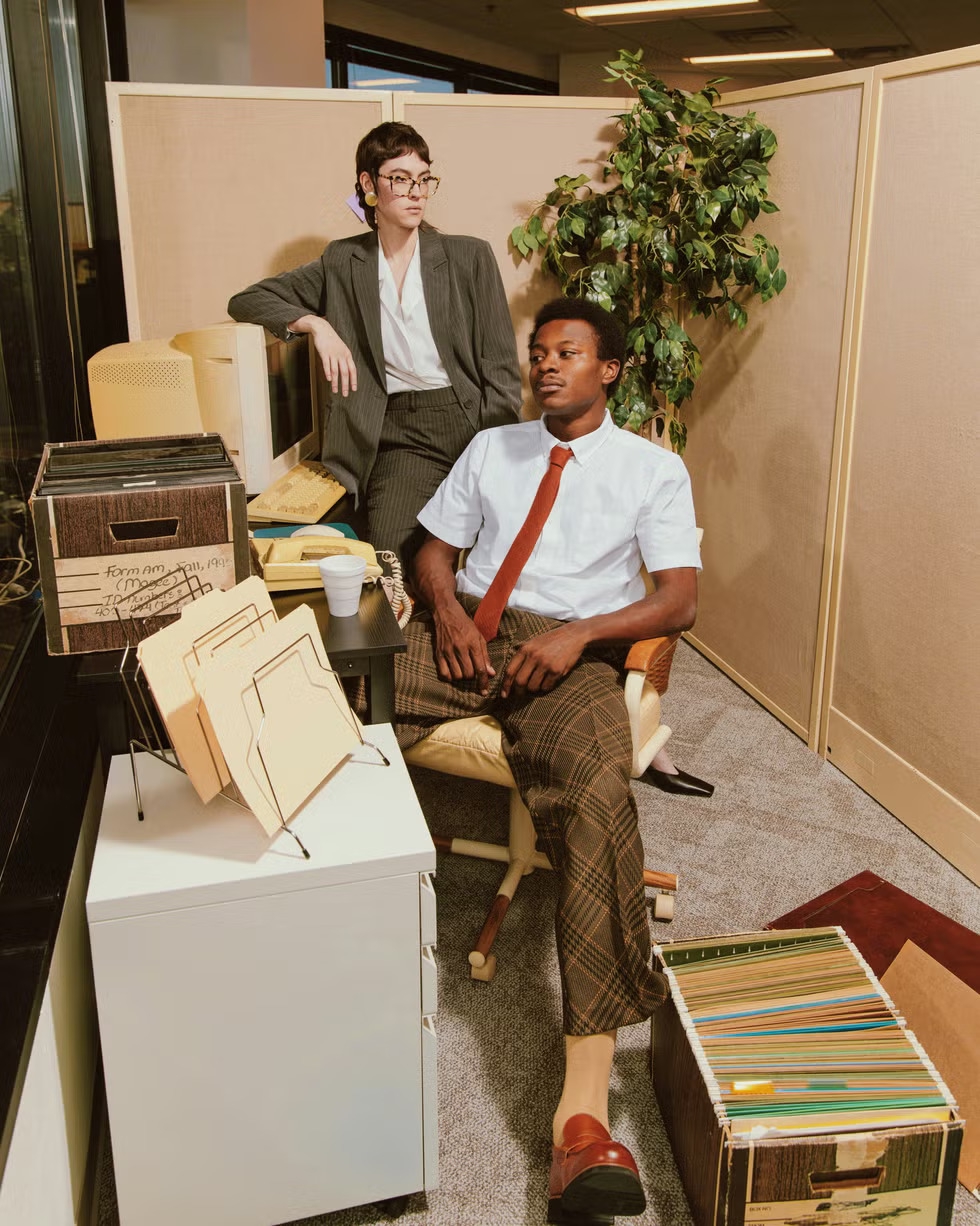
However, the digital landscape, particularly on platforms like TikTok, also serves as a platform for expressing profound frustration with dystopian working conditions. Many users detail working multiple jobs, struggling with significant debt, and still being unable to afford basic necessities like rent. One user, currently juggling three jobs, posed a poignant question: "Are we really normalizing this?" The accompanying comments often express a palpable sense of fear and anxiety, with one user simply stating, "I’m terrified."
Reclaiming Time and Agency
In their own unique way, these digital narratives represent an effort to reclaim time that feels stolen. Whether this trend will translate into tangible societal change remains to be seen. However, both Dr. Hatton and Andrea Press emphasize the importance of valuing workers’ lives and rights as a crucial first step. "I think the efforts of labor unions and these videos align very well," Dr. Hatton remarked. "Through collective action, workers are trying to make their jobs better—perhaps by improving wages, work-life balance, benefits, or workplace autonomy. Ultimately, it’s about finding ways to make corporate work beneficial for them."
Andrea Press further contends that these videos, by offering a more critical perspective than purely idealistic portrayals, can foster a sense of solidarity among workers still finding their footing. They may even act as a catalyst for genuine change. "I believe that those who share critiques of unfair or exploitative working conditions are actually taking the first step toward doing something about it," she stated. "I think for that to happen, those who discuss these issues need to develop plans that extend beyond TikTok."
Dr. Hatton echoes this sentiment, underscoring the historical significance of shared experiences and grievances. "Sharing experiences and especially grievances is a long-standing way for workers to band together," she explained. "They learn strategies from one another, they may feel less alone, and sometimes they begin to organize for change." This collective sharing, whether through organized labor or digital discourse, highlights a persistent human need for connection and mutual support in the face of systemic challenges. The romanticization of the 9-to-5, therefore, can be viewed not just as an aesthetic trend, but as a complex response to the evolving realities of modern employment, reflecting a collective yearning for control, meaning, and dignity within the professional sphere.