Tata Titiana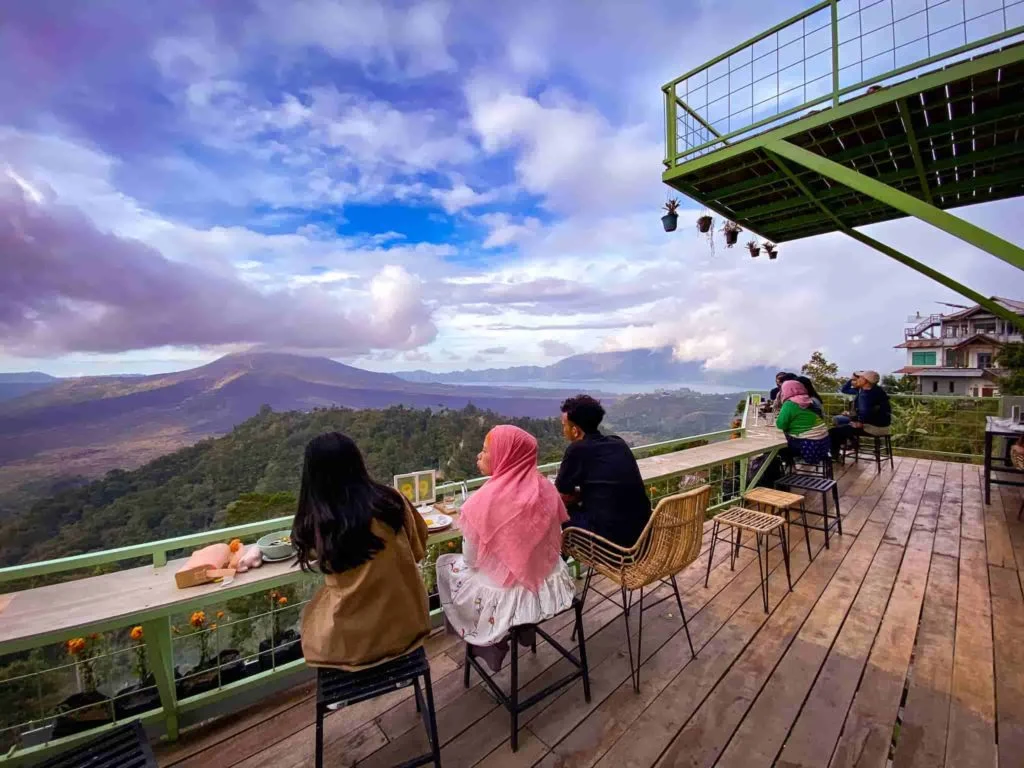
As Indonesia’s premier tourist paradise, Bali perpetually captivates with its enduring allure. Nearly every corner of this island gem boasts tourist attractions complemented by awe-inspiring natural panoramas. Beyond these well-trodden destinations, Bali offers a burgeoning array of cafes and hangouts, particularly popular among the younger generation seeking spaces for conversation and relaxation. What elevates these spots is their often-strategic placement in the foothills of cool, verdant mountains, providing a refreshing escape from the coastal heat and humidity. This article delves into a curated selection of such establishments, perfect for gathering with friends or enjoying a romantic interlude, especially during holiday seasons when the island buzzes with activity.
The Rise of Mountain Cafes in Kintamani
The Kintamani region, perched on the rim of the Batur caldera, has emerged as a focal point for these scenic retreats. Its elevated position offers unparalleled vistas of Mount Batur, Mount Abang, Mount Agung, and the serene Lake Batur. The cooler climate, often hovering around 17-18 degrees Celsius, provides a welcome respite and enhances the overall experience. This geographical advantage, coupled with a growing appreciation for artisanal coffee and unique dining experiences, has fueled the development of numerous cafes designed to maximize these natural assets.
1. Tegu Kopi: A Panoramic Perch Above Batur
Opened in December 2019, Tegu Kopi quickly established itself as a must-visit destination in Kintamani. Located on Jalan Raya Penelokan, within the Bangli Regency, its elevated position offers a commanding view of the volcanic triad: Mount Batur, Mount Abang, and Mount Agung, as well as the expansive Lake Batur. This vantage point is particularly spectacular in the late afternoon as the sun dips below the mountainous horizon, painting the sky with vibrant hues. The cafe’s design, often featuring open-air seating and unobstructed views, allows patrons to fully immerse themselves in the natural grandeur. For those seeking an "instagenic" experience, Tegu Kopi’s setting provides ample opportunities for stunning photographs, capturing the essence of Bali’s highland beauty. The cool mountain air further enhances the ambiance, making it an ideal spot for lingering conversations and enjoying a leisurely coffee break.
Background Context: The development of cafes like Tegu Kopi reflects a broader trend in Bali’s tourism sector, moving beyond traditional beach resorts to explore the island’s diverse landscapes. Kintamani, with its unique geological features and cooler climate, has become a prime location for businesses catering to a clientele seeking both natural beauty and modern comfort. The rise of social media has also played a significant role, with aesthetically pleasing locations like Tegu Kopi gaining popularity through user-generated content.
2. Eco Bike Coffee: A Multi-Level Oasis with a View
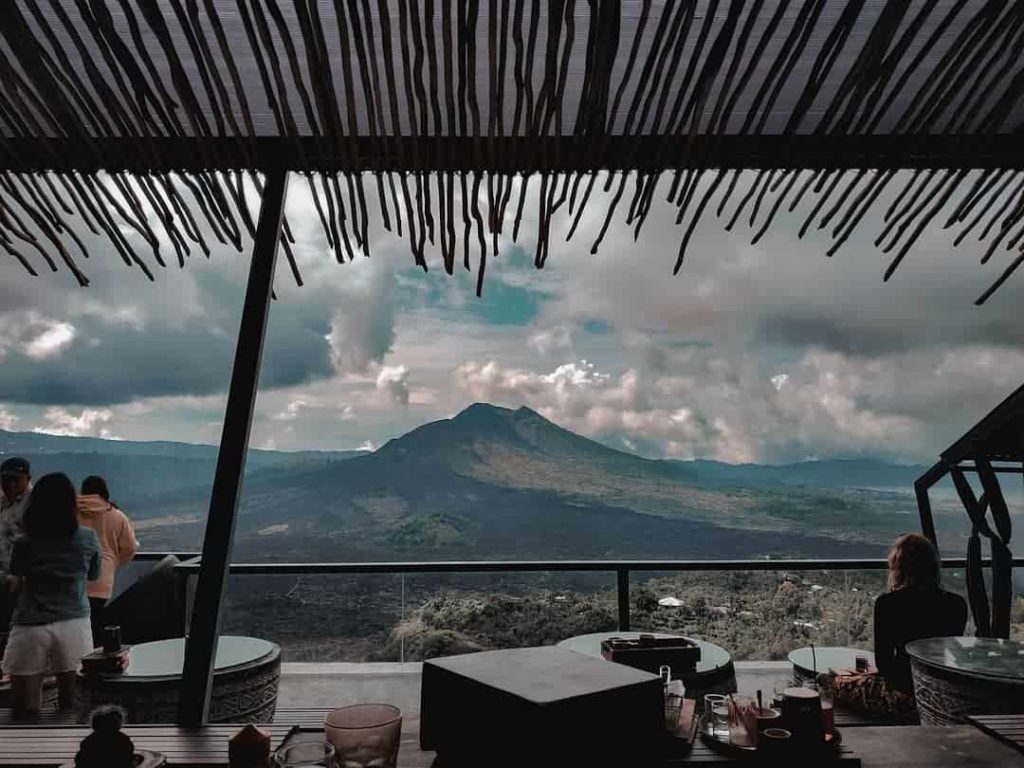
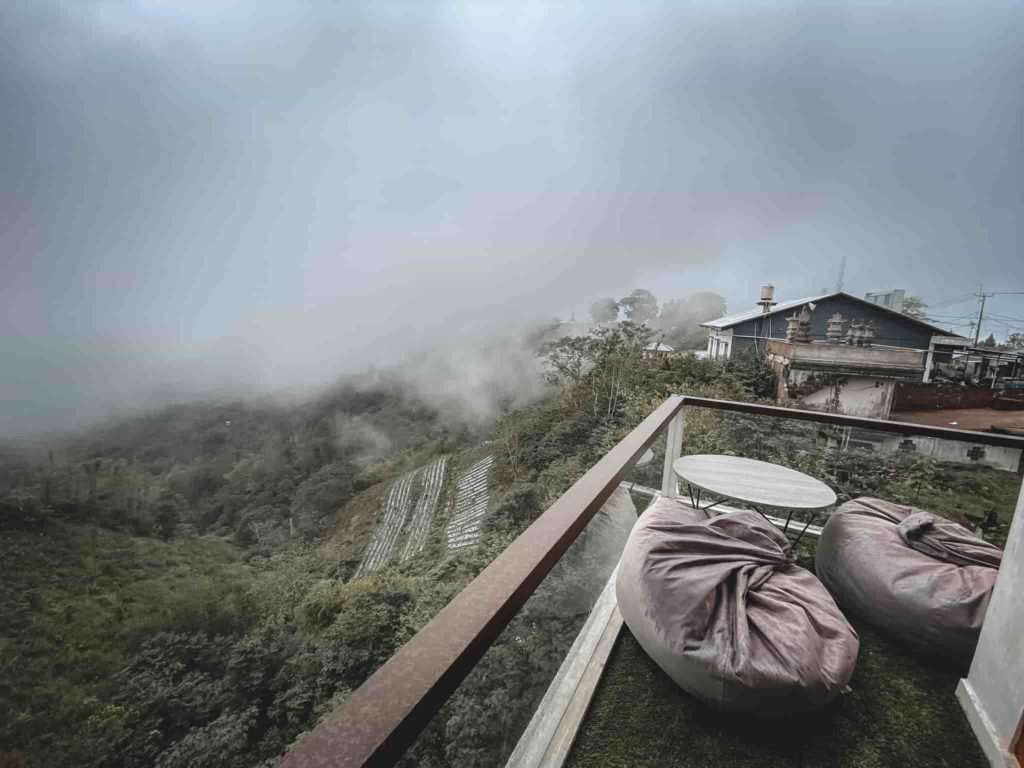
Eco Bike Coffee stands out as one of the largest establishments in the Kintamani cliffside area, boasting three distinct levels. The first floor typically houses accommodation and a coffee garden, offering guests a more immersive experience. The third floor, however, is the main attraction for day visitors, featuring an outdoor rooftop area designed for maximum scenic enjoyment. Visitors are advised to check the weather forecast before their visit, as heavy fog can obscure the otherwise breathtaking views of Mount Batur. On clear days, however, the expansive caldera and the surrounding mountains provide a dramatic backdrop. The multi-level design allows for different experiences, from a relaxed coffee in the garden to a more vibrant social gathering on the rooftop.
Supporting Data: The growing popularity of Kintamani as a destination for cafes is evidenced by the increasing number of new establishments opening in the area. While specific data on cafe revenue in Kintamani is not readily available, the broader tourism figures for Bali, which consistently rank it as one of Indonesia’s top destinations, indicate a strong market for such businesses. For instance, in pre-pandemic years, Bali welcomed millions of international and domestic tourists annually, a significant portion of whom seek unique experiences beyond the typical tourist trails.
3. Akasa Coffee: Comfort and Views in Harmony
Also situated in the Kintamani region, Akasa Coffee is highly recommended for its comfortable ambiance and its stunning panoramic views. From its vantage point, patrons can gaze upon Mount Batur, and the crisp mountain air is a welcome change from the island’s tropical heat. For those sensitive to cooler temperatures, it is advisable to bring a jacket. Akasa Coffee offers a menu that includes breakfast options, beers, and a variety of coffee and tea selections. The average price point for menu items is around IDR 150,000, positioning it as a mid-range to upscale dining experience. Visiting during clear weather is crucial to fully appreciate the landscape, highlighting the importance of nature’s mood in shaping the visitor experience.
Analysis of Implications: The success of cafes like Akasa Coffee in Kintamani demonstrates the economic diversification of Bali’s tourism industry. While traditionally known for its beaches and surf spots, the island is increasingly leveraging its diverse geography, including its highlands and volcanoes, to attract a wider range of tourists. This shift can lead to more sustainable tourism practices by distributing visitors across different regions, potentially easing pressure on overcrowded coastal areas. Furthermore, it creates employment opportunities for local communities in these less-developed regions.
4. Batur 1926: Sunrise Spectacles and Instagrammable Architecture
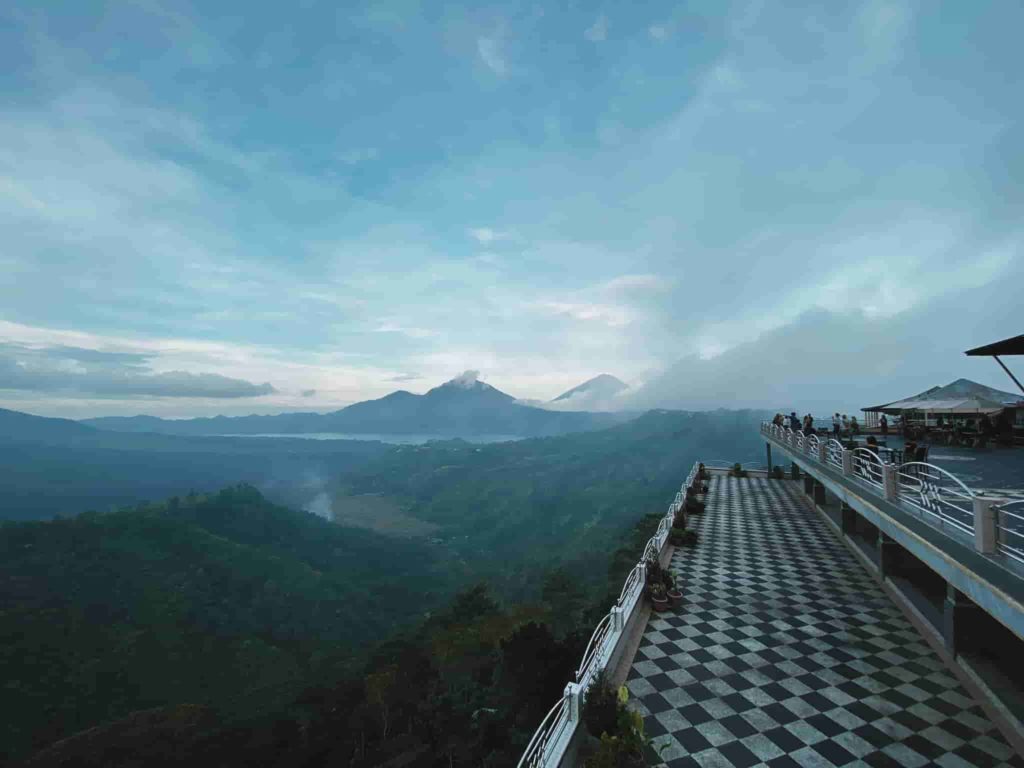
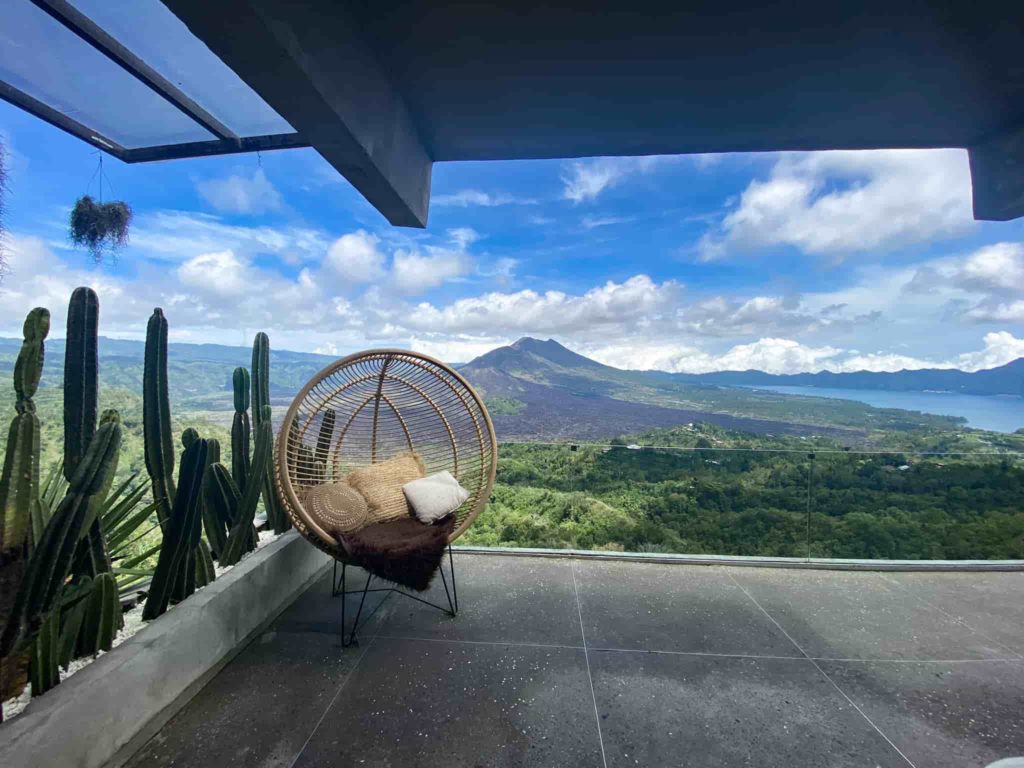
Batur 1926 offers a truly unique experience, particularly for early risers. Arriving around 5:30 AM allows visitors to witness a serene sunrise that is said to be soul-soothing. On clear days, the view encompasses not only Mount Batur but also Mount Abang and Mount Agung, creating a majestic trifecta of volcanic peaks. Beyond the natural spectacle, Batur 1926 boasts a unique and "Instagrammable" architectural design, making it an ideal backdrop for photographs to enhance one’s social media feed. A distinctive Balinese-style archway at the rooftop terrace adds to its charm and cultural appeal. The cafe’s commitment to providing both natural beauty and aesthetically pleasing design elements makes it a holistic destination for visitors.
Chronology: The emergence of these cafes in Kintamani has been a gradual process, accelerating in the last decade with increased investment in infrastructure and a growing tourism market seeking unique experiences. While specific opening dates for all establishments are not detailed here, the trend indicates a dynamic and evolving landscape of hospitality in Bali’s interior. The development is likely a response to evolving tourist preferences, driven by digital connectivity and a desire for more authentic and scenic travel encounters.
5. Kava Coffee: Lakeside Charm with Volcanic Panoramas
Nestled by the legendary Lake Batur, Kava Coffee offers a captivating setting with views that extend to Mount Batur, Mount Abang, and Mount Agung. Upon entering, visitors are greeted by a charming interior design that harmonizes with the majestic presence of Mount Batur. The cafe features semi-outdoor seating with long tables, encouraging a communal yet relaxed atmosphere. The use of glass doors in the cafe’s design ensures that the stunning outdoor scenery is visible from within, allowing patrons to enjoy the panorama regardless of their seating choice. This integration of indoor comfort and outdoor beauty makes Kava Coffee a compelling destination for those seeking both tranquility and visual delight.
Broader Impact and Implications: The proliferation of these mountain cafes in Kintamani signifies a growing trend towards experiential tourism in Bali. These establishments are not just places to eat and drink; they are destinations that offer immersive experiences, connecting visitors with the island’s natural beauty and cultural heritage. This diversification of Bali’s tourism offerings can lead to more equitable distribution of economic benefits across the island, supporting local communities in areas beyond the traditional tourist hubs. Furthermore, it encourages a deeper appreciation for Bali’s diverse landscapes, from its famed beaches to its serene highlands. The focus on natural vistas and unique architectural designs also contributes to the island’s reputation as a visually stunning and culturally rich destination, appealing to a global audience seeking authentic and memorable travel experiences. The trend also highlights the increasing importance of sustainable development practices in the tourism sector, as businesses increasingly recognize the value of preserving the natural environments that draw visitors.