
 Paryono Ramadhan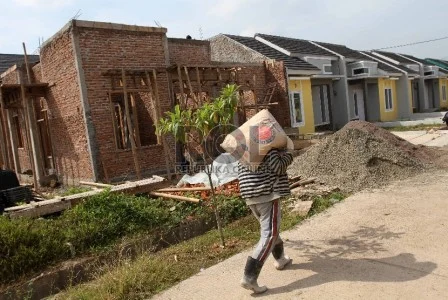
The satellite cities surrounding Jakarta – Bogor, Depok, Tangerang, and Bekasi, collectively known as Bodetabek – continue to demonstrate significant potential in the eyes of property developers. This sustained interest is evidenced by numerous ongoing property projects across these metropolitan buffer zones, signaling robust confidence in the region’s long-term growth prospects. The strategic location, ongoing infrastructure development, and increasing demand from a burgeoning population have solidified Bodetabek’s status as a dynamic hub for real estate investment and urban expansion.
The Strategic Allure of Bodetabek: Jakarta’s Evolving Hinterland
Bodetabek’s appeal is rooted in its intrinsic connection to Jakarta, the economic and administrative heart of Indonesia. As Jakarta grapples with issues of overpopulation, traffic congestion, and escalating land prices, its surrounding regions naturally become the next frontier for urban development. The concept of Bodetabek emerged as a planned response to Jakarta’s outward expansion, aiming to create self-sufficient urban centers that could absorb population growth and economic activity while remaining well-connected to the capital. This strategic positioning has historically made these areas attractive for both residential and commercial development.
Over the past two decades, significant government and private sector investments in infrastructure, particularly toll roads, railway networks (KRL Commuterline), and planned mass rapid transit (MRT/LRT) extensions, have dramatically improved connectivity between Bodetabek and Jakarta. These enhancements have reduced commute times and facilitated the movement of goods and services, making it more feasible for people to live in the satellite cities while working in Jakarta, or for businesses to establish operations in these more cost-effective locations. Furthermore, the presence of major logistical hubs, such as Soekarno-Hatta International Airport in Tangerang, amplifies the economic significance of the region, creating a demand for integrated facilities that cater to various needs.
Intiland Development’s Visionary Aeropolis Project Near Soekarno-Hatta
Among the prominent developers capitalizing on Bodetabek’s potential is PT Intiland Development, through its ambitious Aeropolis project. Situated strategically near the bustling Soekarno-Hatta International Airport (Soetta), Aeropolis is designed as a fully integrated township that aims to seamlessly blend residential, commercial, retail, and logistical functions. This initiative directly addresses the growing needs of the community surrounding the airport, which requires a comprehensive ecosystem of facilities, including housing, office spaces, retail outlets, and cargo services. The concept of an "airport city" or "aerotropolis" – a metropolitan subregion whose infrastructure, land use, and economy are centered on an airport – is a global trend that Intiland is skillfully applying in Indonesia. Such developments thrive on the economic activity generated by air travel, logistics, and related businesses, attracting a diverse workforce and supporting industries.
Didik Riyanto, Project Director for Aeropolis, highlighted the company’s commitment to meeting market demands with the launch of their latest product, the Onyx Residence Apartments. This vertical housing complex comprises three towers, each eight stories high. As of the latest update, two towers have been successfully completed, with the construction of the third tower slated to commence once market absorption for the initial two towers reaches satisfactory levels. This phased approach demonstrates a prudent development strategy, aligning supply with real market demand.
The target demographic for Onyx Residence primarily encompasses individuals and professionals working within the Soekarno-Hatta Airport vicinity. Riyanto explained that this demographic inherently seeks residences in close proximity to their workplaces, minimizing commute times and enhancing work-life balance. Internal corporate analysis has indicated a strong future demand for housing near Soetta, bolstering Intiland’s confidence in launching such a significant project. The airport’s continuous expansion and increasing passenger and cargo traffic contribute to a stable and growing workforce, creating a sustained need for convenient and modern living spaces. In 2019, Soekarno-Hatta Airport handled over 66 million passengers, making it one of the busiest airports in the world and a significant economic driver for the Tangerang region.
Aeropolis, conceived as a large-scale, long-term project, has demonstrated remarkable success since its inception. By the end of March 2014, the project had successfully sold 4,000 units, encompassing a diverse range of properties including residential units, office spaces, warehousing facilities, a hotel, and retail outlets. This impressive sales performance underscores the market’s strong appetite for integrated developments in strategic locations. Riyanto expressed conviction that Onyx Residence would further solidify Aeropolis’s position as the premier integrated zone surrounding Soekarno-Hatta Airport, enhancing its reputation as a comprehensive lifestyle and business hub.
Strategic Partnerships: Ascendas Group and PT Metropolitan Karyadeka Development in Tangerang
The competitive landscape in Bodetabek is also shaped by strategic collaborations between major developers. The Ascendas Group, a prominent Asian real estate major, has partnered with PT Metropolitan Karyadeka Development (MKD) to embark on an ambitious mixed-use project spanning 9.7 hectares in Tangerang, Banten. This collaboration leverages Ascendas’s international expertise in developing integrated business parks and urban solutions with MKD’s deep understanding of the local Indonesian market.
Manohar Khiatani, CEO and President of the Ascendas Group, articulated that the project, nestled within Metland Cyber City, is designed to feature a synergistic blend of office buildings, apartments, retail spaces, and other supporting amenities. This integrated approach is a direct response to the escalating business expansion in Jakarta’s peripheral areas, where companies increasingly require sophisticated mixed-use environments to support their operations and attract talent. The trend towards mixed-use developments is driven by a desire for convenience, sustainability, and vibrant urban living, where residents can live, work, and recreate within a single, well-planned environment, reducing reliance on private transportation and fostering community.
Nanda Widya, President Director of PT MKD, conveyed the company’s enthusiasm for the joint venture, emphasizing the future necessity of integrating living spaces with workplaces and other facilities for business professionals. The guiding principle behind this development is to create an area where people can truly "work, live, and play," reflecting a holistic approach to urban planning that prioritizes quality of life and efficiency. This philosophy resonates strongly with modern urban dwellers who seek convenience and a balanced lifestyle.

The phased development of the project will commence with its first phase in 2016, focusing on a 1.3-hectare parcel out of the total 9.7 hectares. The subsequent phases will be developed incrementally, contingent upon successful market absorption of the initial offerings. This phased strategy allows developers to adapt to market conditions and optimize resource allocation. The initial phase will see the construction of apartments, residential homes, and office spaces, complemented by a range of supporting facilities.
Widya underscored the highly strategic positioning of Metland Cyber City. Its accessibility is a significant advantage, with direct access from the Jakarta-Merak Toll Road via a new exit at KM 11, in addition to several main arterial roads traversing the area. This superior connectivity ensures seamless travel to and from Jakarta and other key areas. Furthermore, Tangerang is recognized for its high capital gain potential, making it a prime property investment choice for professionals working in Jakarta who seek more affordable yet well-connected living options. The consistent appreciation of property values in Tangerang is a strong draw for investors and homebuyers alike.
Evolving Investment Landscape: Bogor Overtakes Tangerang in Property Preference
A mid-2015 survey revealed a notable shift in investor preferences within the Bodetabek region, with Bogor, West Java, emerging as the top choice for property investment, displacing Tangerang, which had previously held the favored position for several consecutive semesters. General Manager Mario Gaw presented the survey findings, indicating that Bogor secured the leading rank with a significant 37 percent of investor preference. Tangerang and Bekasi followed, maintaining their strong positions in the market. Within DKI Jakarta, South Jakarta remained the most favored area for property buyers, reflecting its enduring appeal for premium residential and commercial properties. Gaw specified that the survey was conducted online over a period of 1.5 months in January 2015.
The shift in investor sentiment towards Bogor can be attributed to several factors. Bogor, known for its cooler climate, lush greenery, and mountainous landscape, offers a perceived higher quality of life away from Jakarta’s intense urban sprawl. Its growing tourism sector, coupled with improving infrastructure (such as the Jagorawi Toll Road and planned LRT extensions), has enhanced its attractiveness. While Tangerang has been extensively developed with a focus on industrial and commercial hubs, Bogor’s appeal might lie in its promise of a more tranquil environment, larger land plots, and potential for lifestyle-oriented developments, including villas and resort-style living. This diversification of offerings caters to different segments of the market, including those seeking a second home or a primary residence with more open space.
The regular conduct of such surveys, twice annually, serves as an invaluable reference point for property industry stakeholders. These insights enable developers to fine-tune their strategies, identify emerging market trends, and tailor their product offerings to align with evolving consumer preferences. For investors, these surveys provide critical data for making informed decisions on where to allocate their capital for optimal returns.
Financing Trends and Consumer Behavior: Bank Loans vs. Developer Programs
Beyond geographical preferences, the survey also shed light on prevalent financing mechanisms and consumer attitudes towards credit. A significant 75 percent of respondents indicated their continued reliance on traditional bank loans as their primary source of credit for property acquisition. This highlights the enduring trust in established financial institutions and their structured lending products. Bank loans, often perceived as more secure and regulated, remain the cornerstone of property financing for the majority of homebuyers in Indonesia.
However, a substantial 53 percent of respondents also acknowledged developer-offered credit programs as an innovative and considerable alternative for acquiring properties such as homes, apartments, and shophouses. This finding signals a growing openness to diverse financing solutions and an appreciation for the flexibility and convenience that developer programs can offer. Developer-offered credit, which might include interest-free installments, deferred payments, or customized payment plans, can often bypass some of the stringent requirements of traditional bank loans, making property ownership more accessible to a wider demographic. This trend encourages developers to innovate in their sales and marketing strategies, providing more attractive financing options to accelerate market absorption.
Broader Implications and Future Outlook for Bodetabek
The ongoing development boom and shifting investor preferences in Bodetabek underscore a maturing property market that is increasingly diversified and responsive to socio-economic changes. The sustained confidence from major developers like Intiland and the Ascendas Group, coupled with strategic partnerships, indicates a long-term commitment to the region’s growth. The emphasis on integrated, mixed-use developments reflects a global trend towards creating self-contained communities that offer convenience, sustainability, and an enhanced quality of life, minimizing the daily grind of commuting.
Looking ahead, the Bodetabek region is poised for continued expansion. Urban planners and government officials are increasingly focused on ensuring that this growth is sustainable and well-managed. This involves addressing potential challenges such as infrastructure strain, environmental impact, and maintaining affordability amidst rising demand. Continued investment in public transportation, green spaces, and smart city technologies will be crucial to support the influx of residents and businesses. Real estate analysts project that while Jakarta will remain the primary economic engine, the satellite cities will increasingly become self-sufficient economic centers, fostering local employment and reducing reliance on the capital. The competition among developers will likely intensify, leading to more innovative projects and better value propositions for consumers.
The property landscape in Bodetabek is a microcosm of Indonesia’s broader urbanization trends. It demonstrates the dynamic interplay between infrastructure development, economic growth, demographic shifts, and evolving consumer preferences. The ability of developers to adapt to these changes, offer diverse products, and provide flexible financing solutions will be key to unlocking the full potential of these vital satellite cities. The region is not just expanding; it is evolving into a network of vibrant, integrated urban centers that will shape the future of metropolitan living in Indonesia.








