Azin Asro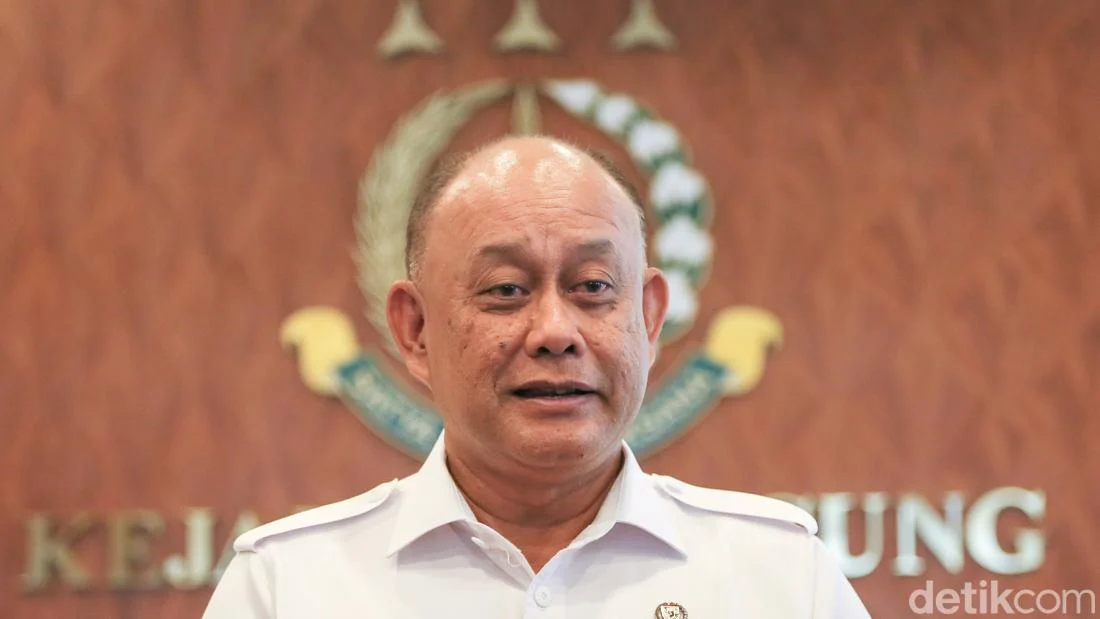
The Head of the National Nutrition Agency (BGN), Dadan Hindayana, has officially addressed and refuted circulating reports regarding the procurement of 70,000 motorcycles intended for the Free Nutritious Meal (MBG) program, clarifying that the figures being shared on social media are inaccurate. In a formal statement released in Jakarta, Dadan emphasized that while the procurement of vehicles is indeed a component of the 2025 budgetary planning, the actual volume of the acquisition is significantly lower than the numbers suggested by viral content. The procurement initiative is specifically designed to provide essential operational support for the Heads of the Nutrition Fulfillment Service Units (SPPG), who serve as the backbone for the government’s flagship nutritional intervention strategy.
Dadan explained that the acquisition of these vehicles is a strategic move to ensure the mobility and efficiency of personnel tasked with overseeing the distribution and quality control of meals across various regions. According to the agency’s records, the procurement process was initiated in stages starting in December 2025, following the formalization of the agency’s operational budget. The clarification comes in response to a viral video that surfaced on social media platforms, which depicted rows of electric motorcycles stored in a large warehouse. The creator of the video claimed that approximately 70,000 units were being prepared specifically for the West Java region, a claim that Dadan has now categorized as a hoax.
Clarifying the Scale of Procurement and Budgetary Allocation
In setting the record straight, Dadan Hindayana provided specific data to counter the misinformation. He noted that the total number of electric motorcycles realized for the program stands at 21,801 units, out of a total order of 25,000 units planned for the 2025 fiscal year. This total is intended for distribution across the entire Indonesian archipelago, not just a single province. The discrepancy between the rumored 70,000 units and the actual 21,801 units highlights the speed at which unverified information can spread and the necessity for official government communication to stabilize public perception.
The funding for these vehicles is integrated into the broader 2025 budget of the National Nutrition Agency, which was established to manage the Free Nutritious Meal program—a central pillar of the Prabowo Subianto-Gibran Rakabuming Raka administration’s social policy. The program aims to improve the health outcomes of millions of school children and pregnant women, requiring a massive logistical network. Dadan underscored that the procurement of these motorcycles was meticulously planned to match the number of SPPG units being established nationwide. By providing dedicated transport for SPPG heads, the agency aims to ensure that the standards of food safety, nutritional balance, and delivery timelines are strictly met at the local level.
Administrative Procedures and State Property Management
Despite the presence of the vehicles in storage, Dadan confirmed that none of the motorcycles have been distributed to the field as of early April 2026. The delay in distribution is not due to logistical failures but is a result of mandatory administrative protocols required for the management of State Property (Barang Milik Negara or BMN). Under Indonesian law, every asset purchased using state funds must undergo a rigorous process of documentation, tagging, and official recording before it can be legally deployed for service.
"The motorcycles have not been distributed yet. Once the administrative requirements are fully completed, they will be officially recorded as BMN before they are sent to their respective destinations," Dadan explained. This process involves the Ministry of Finance and ensures that there is a clear audit trail for every unit. This transparency is crucial for the National Nutrition Agency, which is under close public and legislative scrutiny given the high priority and significant budget allocated to the MBG program. The agency is committed to ensuring that all assets are managed with the highest level of accountability to prevent any potential misuse or mismanagement of public resources.
The Role of SPPG in the Free Nutritious Meal Program
To understand the necessity of this procurement, it is essential to examine the role of the Satuan Pelayanan Pemenuhan Gizi (SPPG) or Nutrition Fulfillment Service Units. These units are the operational hubs of the Free Nutritious Meal program. Each SPPG is designed to serve a specific cluster of schools and community centers, typically reaching around 3,000 to 5,000 beneficiaries per unit. The Head of the SPPG is responsible for coordinating with local suppliers, supervising the kitchen staff, and ensuring that the meals meet the strict nutritional guidelines set by the BGN.
Given the diverse and often challenging geography of Indonesia, providing the Heads of SPPG with reliable transportation is seen as a non-negotiable requirement. Many of these units are located in suburban or rural areas where public transport may not be efficient for the rapid movements required to oversee daily meal distributions. The decision to opt for electric motorcycles also reflects the government’s broader commitment to sustainability and the transition toward green energy. By utilizing electric vehicles (EVs), the National Nutrition Agency is aligning its operational needs with Presidential Instruction No. 7 of 2022, which mandates the use of battery-powered electric vehicles as operational vehicles for government agencies.
Chronology of the Procurement and the Viral Misinformation
The timeline of this event began in late 2024 and early 2025, when the National Nutrition Agency was finalizing its organizational structure and logistical requirements. The procurement of the 25,000 electric motorcycles was tendered and awarded in the latter half of 2025, with the first major batch of deliveries arriving at central distribution hubs in December 2025. By early 2026, the agency had successfully secured 21,801 units, which were placed in secure storage facilities while the BMN registration process commenced.
The controversy erupted in late March 2026, when a video recorded in one of these warehouses began circulating on TikTok and Instagram. The video’s narrator claimed, "I’m spilling the news, there are 70,000 motorcycles here just for the West Java region. I don’t want to spread hoaxes, but clearly, this is for West Java." The high visibility of the video, coupled with the sensitive nature of government spending on the MBG program, led to widespread public debate. Critics questioned the necessity of such a large fleet, while supporters argued it was necessary for the program’s success. The BGN’s quick response on April 7, 2026, was aimed at quelling these rumors before they could impact public trust in the program’s integrity.
Supporting Data on the Free Nutritious Meal (MBG) Program
The Free Nutritious Meal program is one of the most ambitious social welfare projects in Indonesia’s modern history. With an estimated budget for 2025 reaching approximately IDR 71 trillion, the program is designed to address the dual challenges of stunting and malnutrition. The logistical scale is unprecedented:
- Beneficiaries: Targeted at over 80 million school children, toddlers, and pregnant women across the country.
- Service Units: Thousands of SPPG units are being established, with each unit acting as a localized production and distribution center.
- Economic Impact: The program is expected to stimulate local economies by sourcing ingredients from local farmers and creating jobs for kitchen staff and delivery personnel.
The procurement of 21,801 electric motorcycles represents a small but vital fraction of the total budget, aimed at ensuring the "last-mile" delivery and supervision are handled professionally. By debunking the 70,000-unit figure, Dadan Hindayana highlighted that the agency is practicing fiscal prudence, ordering only what is strictly necessary based on the number of operational units currently being deployed.
Broader Implications and the Fight Against Hoaxes
The incident serves as a stark reminder of the challenges government agencies face in the era of social media. Misinformation regarding government procurement can lead to perceptions of wastefulness or corruption, even when the actual expenditure is justified and lower than reported. The National Nutrition Agency has urged the public to verify information through official channels, such as the agency’s website or verified social media accounts, before sharing content that could be misleading.
Furthermore, the shift to electric motorcycles for this program has significant implications for Indonesia’s EV industry. The order for 25,000 units is one of the largest single-fleet procurements of electric vehicles in the country. This not only supports the domestic EV manufacturing sector but also sets a precedent for other government agencies to follow. It demonstrates that large-scale social programs can be executed in a way that is environmentally responsible.
Analysis of Operational Efficiency
From a logistical perspective, the deployment of these motorcycles is expected to significantly reduce the response time for SPPG heads when addressing issues in the field. Whether it is a delay in a supply shipment or a quality control check at a specific school, the ability to move quickly between sites is essential. The choice of electric over internal combustion engine (ICE) vehicles also reduces long-term operational costs, as maintenance and "fuel" (electricity) costs for EVs are generally lower, allowing more of the agency’s budget to be directed toward the actual food and nutrition services.
In conclusion, the clarification provided by Dadan Hindayana serves to reassure the public that the National Nutrition Agency is moving forward with the Free Nutritious Meal program in a structured, transparent, and accountable manner. The procurement of 21,801 electric motorcycles is a planned logistical necessity, not an uncontrolled expenditure. As the BMN registration process concludes, these vehicles will soon be visible on the streets, serving as a vital link in the chain that delivers health and nutrition to the nation’s future generations. The agency remains focused on its primary goal: ensuring that every child in Indonesia has access to the nutrition they need to thrive, supported by a robust and efficient operational infrastructure.