
 Paryono Ramadhan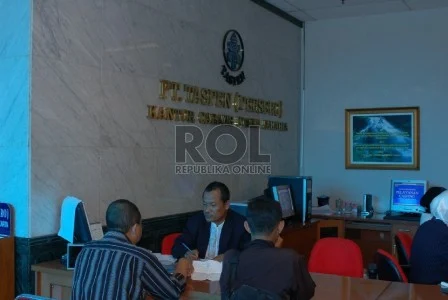
PT Taspen (Persero), the state-owned enterprise responsible for administering pension and old-age savings for Indonesian civil servants, is scheduled to begin the reimbursement process for Tabungan Perumahan Pegawai Negeri Sipil (Taperum PNS) on June 1st. This significant initiative is aimed at all civil servants who reach their retirement age starting from the specified date, with the exception of those serving within the Ministry of Defense, the Indonesian National Armed Forces (TNI), and the Indonesian National Police (Polri), who operate under distinct housing benefit frameworks. The announcement underscores the government’s ongoing commitment to ensuring the welfare and entitlements of its dedicated public sector workforce.
Understanding Taperum PNS: A Pillar of Civil Servant Welfare
Taperum PNS, or the Civil Servant Housing Savings program, has long been a cornerstone of the welfare provisions for Indonesian civil servants. Established with the primary objective of assisting civil servants in acquiring or improving their housing, the program has been managed in cooperation with the Badan Pertimbangan Tabungan Perumahan Pegawai Negeri Sipil (BP Taperum), an advisory body overseeing the housing savings scheme. The funds accumulated under Taperum represent mandatory contributions made by civil servants throughout their active service, designed to be returned upon their retirement, providing a crucial financial cushion for post-service life, particularly concerning housing needs.
Historically, the program aimed to alleviate the burden of housing costs for civil servants, who often face challenges in securing affordable and suitable accommodation, especially in rapidly urbanizing areas with escalating property prices. While the contributions themselves might appear modest by today’s standards, their cumulative effect over decades of service was intended to offer substantial support. The program reflects a broader governmental philosophy of providing comprehensive social security and welfare benefits to its employees, acknowledging their pivotal role in national development and public service delivery. The decision to initiate these refunds signals a mature phase for the Taperum program, ensuring that accrued benefits are disbursed efficiently and transparently to eligible retirees.
Operationalizing the Reimbursement: A Streamlined Process
Iwan Soeroto, Corporate Secretary of Taspen, elaborated on the operational aspects of the reimbursement in a press release. He confirmed that the payment of Taperum refunds is based on a cooperative agreement between Taspen and BP Taperum, specifically designed for the orderly administration of these housing savings reimbursements. Crucially, the payment mechanism has been designed for maximum convenience for the retiring civil servants. The Taperum refund will be disbursed as a single package, integrated with the first pension payment and the Tabungan Hari Tua (THT), or Old Age Savings, at the respective Taspen branch offices across the archipelago.
This integrated approach is a deliberate strategy to simplify the administrative burden on retirees, preventing them from having to navigate multiple claims or separate payment schedules. By consolidating these entitlements, Taspen aims to provide a seamless and user-friendly experience, allowing retirees to access their due funds with greater ease and efficiency. The "one package" system is a testament to Taspen’s ongoing efforts to enhance its service delivery through process optimization and leveraging its extensive network of branch offices to reach civil servants in various regions, from bustling urban centers to remote administrative districts. This also minimizes potential delays and bureaucratic hurdles, ensuring that the financial support reaches retirees promptly as they transition into their post-employment phase.
Contribution Structure and Future Adjustments
A core aspect of the Taperum PNS program involves the mandatory contributions made by active civil servants. According to Presidential Decree (Kepres) Number 46 of 1994, which has governed these contributions for decades, civil servants (excluding those in TNI, Polri, and the Ministry of Defense) are required to contribute a fixed amount from their monthly salaries. Specifically, the rates are Rp 3,000 for Civil Servant Group I, Rp 5,000 for Group II, Rp 7,000 for Group III, and Rp 10,000 for Group IV. These tiered contributions reflect the salary scales and responsibilities associated with each civil servant group, ensuring a proportional, albeit fixed, contribution across the board.
However, recognizing the evolving economic landscape and the need for a more dynamic and equitable contribution model, Taspen is actively pursuing an adjustment to this structure. Iwan Soeroto also indicated that Taspen is currently working towards revising these fixed contributions to a percentage-based model, specifically proposing an adjustment to 2.5 percent of the civil servant’s total salary. This proposed change is significant as it would move away from static nominal amounts, which have naturally diminished in real value over time due to inflation, towards a system that is more responsive to individual income levels and the overall economic environment.
The transition to a percentage-based contribution could lead to several positive implications. Firstly, it would ensure that contributions scale with salary increases, thereby potentially accumulating larger savings for civil servants over their careers. Secondly, it introduces a more equitable system where higher-earning civil servants contribute proportionally more, reflecting their greater capacity. This reform could also significantly bolster the Taperum fund, enabling it to provide more substantial support for housing initiatives or larger refunds upon retirement. Such a move would require careful legislative consideration and coordination with relevant government bodies, including the Ministry of Finance and the Ministry of State Apparatus Empowerment and Bureaucratic Reform, to ensure a smooth transition and sustainable funding for the program’s future iterations.

PT Taspen (Persero): A Linchpin in Indonesia’s Social Security System
PT Taspen (Persero) plays an indispensable role in Indonesia’s social security architecture, particularly for its extensive civil servant population. Established as a state-owned enterprise, Taspen’s primary mandate encompasses managing and disbursing pension funds, old-age savings (THT), and various other social benefits for millions of active and retired civil servants across the nation. Its operations are vast, covering a demographic that forms the backbone of Indonesia’s public administration and service delivery. The efficient and trustworthy management of these funds is critical not only for the financial security of individual civil servants but also for maintaining public confidence in government welfare programs.
Taspen’s responsibilities extend beyond mere fund management; it involves meticulous data administration, actuarial calculations, investment management of collected funds, and continuous improvement of service delivery channels. With millions of participants, the scale of Taspen’s operations necessitates robust technological infrastructure and a widespread network of offices to ensure accessibility. The enterprise has increasingly leveraged digital platforms to streamline processes, from registration to benefit claims and disbursements, aiming to provide prompt and transparent services. The current initiative to disburse Taperum PNS refunds seamlessly with other retirement benefits exemplifies Taspen’s commitment to efficiency and convenience for its beneficiaries, solidifying its position as a key institution safeguarding the financial well-being of retired civil servants.
Broader Context: Civil Servant Welfare and National Housing Policy
The Taperum PNS refund initiative must be viewed within the broader context of the Indonesian government’s commitment to civil servant welfare and its national housing policy. Providing adequate and affordable housing for civil servants has always been a significant challenge, particularly in a country with a large population and diverse socio-economic landscapes. Housing costs in major urban centers often outstrip the typical civil servant’s salary, making home ownership a distant dream for many without supplementary support.
Programs like Taperum were designed to bridge this gap, offering a structured savings mechanism. While the direct refund of Taperum contributions is a positive step for retirees, it also prompts a broader discussion about the future of civil servant housing assistance. The proposed shift to a 2.5% salary contribution suggests an intent to make the program more robust and relevant to contemporary economic realities. This could potentially pave the way for new housing schemes or more substantial financial aid for civil servants to access the housing market, perhaps through collaborations with state-owned housing developers or through interest subsidies.
The government’s overall housing strategy, often spearheaded by the Ministry of Public Works and Housing and supported by entities like BPJS Ketenagakerjaan (for private sector workers) and various state banks, aims to increase housing affordability across different segments of society. The Taperum program, in its evolved form, could become a more integrated component of this national strategy, ensuring that public servants, who dedicate their lives to the state, are adequately supported in their fundamental need for shelter. This ongoing effort reflects a holistic approach to public sector human resource management, where benefits extend beyond salary to encompass critical life needs.
Implications and Future Outlook
The commencement of Taperum PNS refunds on June 1st carries several important implications for both civil servants and the state’s administrative machinery. For the retiring civil servants, this refund represents a tangible financial asset that can be utilized for various post-retirement needs, from direct housing payments or renovations to investments or other personal expenses. The lump sum, combined with their first pension and THT, offers a significant financial boost at a critical juncture in their lives, potentially easing the transition from active service to retirement. It underscores the reliability of the social security system in honoring its commitments.
For Taspen, the operation demands meticulous planning and execution. Processing refunds for potentially thousands of retirees simultaneously requires robust administrative capacity, accurate record-keeping, and efficient disbursement mechanisms. The "one package" approach, while convenient for beneficiaries, places a greater responsibility on Taspen to synchronize various benefit payments seamlessly. This operational efficiency is crucial for maintaining public trust and ensuring that the program runs without hitches.
Looking ahead, the discussion around increasing Taperum contributions to 2.5% of salary signifies a forward-thinking approach to civil servant welfare. Should this proposal materialize, it would not only strengthen the financial viability of the Taperum fund but also ensure that the housing savings program remains relevant and impactful in the face of economic changes. This could lead to a more dynamic and beneficial program, possibly evolving beyond mere savings refunds to include direct housing financing assistance or subsidies, making homeownership more accessible for active civil servants.
Moreover, this initiative reinforces the broader governmental commitment to enhancing the welfare of its public servants, recognizing their invaluable contributions to national development. By ensuring that their accumulated savings are returned promptly and conveniently, the government strengthens the social contract with its civil service. This move is indicative of an evolving social security landscape in Indonesia, continuously adapting to meet the needs of its diverse workforce while striving for greater efficiency and equity in benefit distribution. The June 1st payment marks not just a procedural milestone but a reaffirmation of the state’s dedication to the well-being of those who serve it.








