Nila Kartika Wati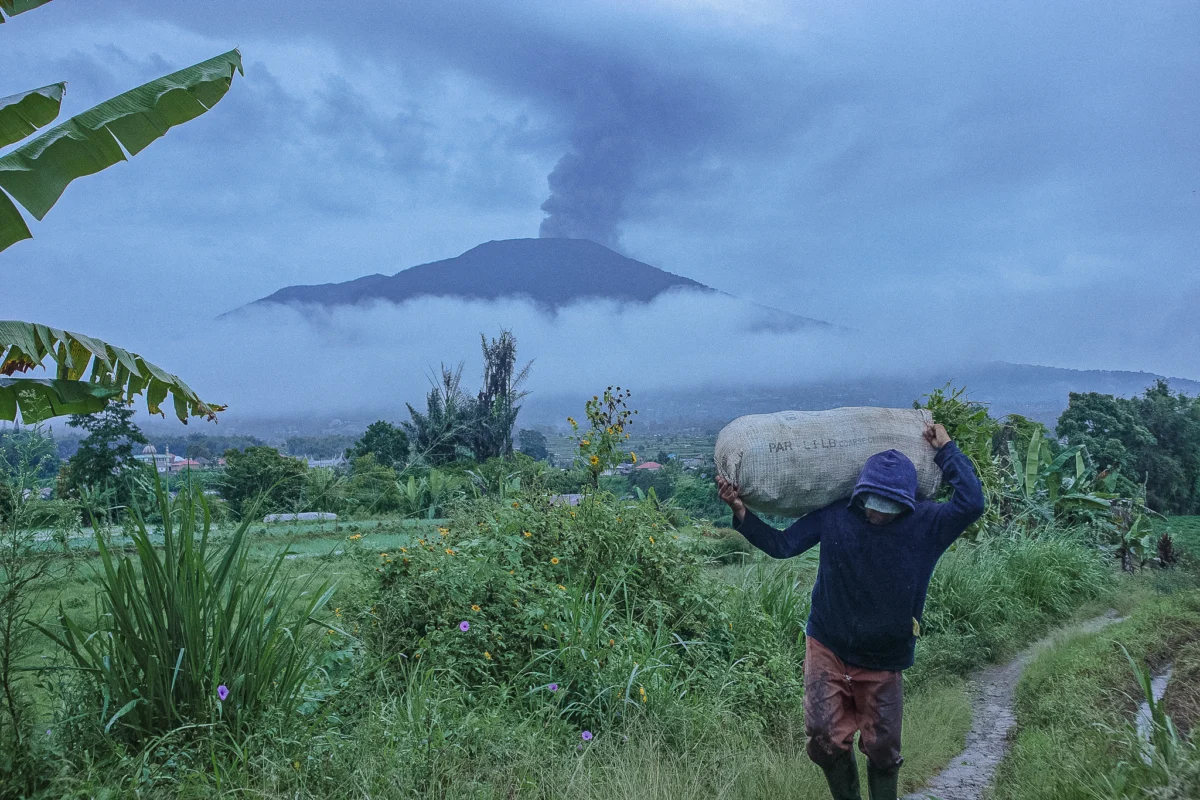
The Center for Human Rights Studies at the Islamic University of Indonesia (Pusham UII) has released a comprehensive investigative report detailing widespread human rights violations and negative socio-environmental impacts stemming from geothermal power plant (PLTP) projects across Indonesia. The study, titled "Metastasis of Energy Transition: Impacts of Geothermal Policy and Business Practices on Human Rights," specifically highlights critical failures in the Tandikat-Singgalang project in West Sumatra and the Dieng project in Central Java. According to the findings, these renewable energy initiatives—often framed as essential components of the global shift toward green energy—have systematically marginalized local communities, ignored traditional land rights, and exacerbated gender inequalities through environmental degradation.
Pusham UII’s research indicates that the development of geothermal energy in regions such as Nagari Pandai Sikek in West Sumatra and Kepakisan Village in Central Java has been characterized by a profound lack of transparency and public participation. Sahid Hadi, a researcher specializing in business and human rights at Pusham UII, stated that these projects have consistently bypassed the lived experiences and legal consent of the people residing within the project’s working areas. He noted that the companies involved have failed in their fundamental responsibility to respect the human rights of local residents, a failure that has been evident since the inception of these projects.
A Pattern of Exclusion and Systematic Negligence
The report characterizes the exclusion of local voices not as an oversight, but as a systematic strategy. In both the Tandikat-Singgalang and Dieng cases, researchers found that project proponents—both state-owned and private—did not involve local residents in the planning, decision-making, or development phases. Instead, the communities were presented with a fait accompli, where the only thing they received from the "green" transition was the burden of its externalities.
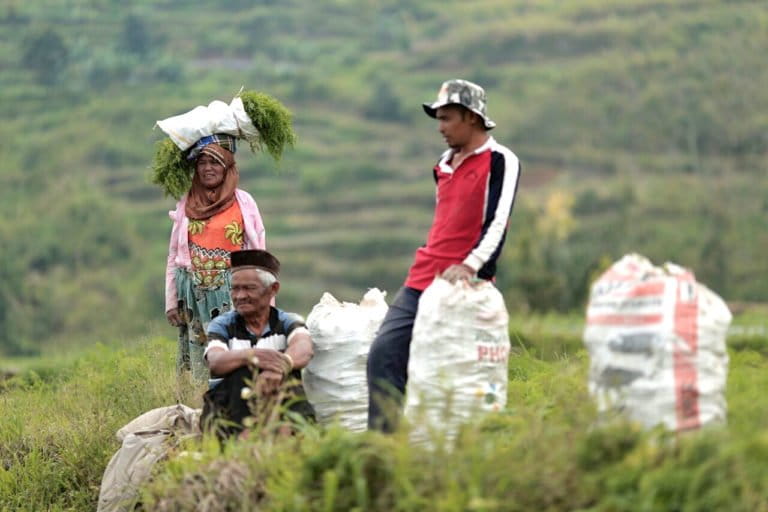
Heronimus Heron, a researcher focusing on social movements and human rights at Pusham UII, argued that the Indonesian government has failed in its obligation to protect citizens from the adverse effects of the geothermal industry. This failure spans from the central government down to regional administrations, which have reportedly offered no significant response or protective measures to the affected populations. In Nagari Pandai Sikek, for instance, the government is accused of ignoring the participation rights of indigenous communities, while in Kepakisan Village, local authorities remained passive even as residents suffered from the direct environmental impacts of the geothermal operations.
The Gendered Toll of Geothermal Development
One of the most striking findings of the Pusham UII study is the lack of gender sensitivity in geothermal project implementation. The report suggests that the "green" energy transition is operating within a patriarchal framework that fails to account for the specific needs and vulnerabilities of women. In Nagari Pandai Sikek, women were largely kept in the dark regarding the technical details and potential risks of the PLTP project.
In the Dieng plateau, the impact of geothermal activity has permeated the domestic sphere. Water pollution caused by project activities has rendered local sources unfit for consumption, placing a "double burden" on women. In the traditional social structures of these regions, women are primarily responsible for securing clean water and preparing food for the household, even as they work alongside men in agricultural fields. When water sources are contaminated or depleted by industrial activity, the labor required to sustain a family increases exponentially for women, often forcing them to travel further or spend more of the household’s limited income to obtain basic necessities.
Legal Frameworks and the "Extractive" Economy
The Pusham UII report situates these local conflicts within a broader critique of Indonesia’s political economy. Heronimus Heron explained that the geothermal business in Indonesia is deeply embedded in an extractive economic structure that is designed to be exclusive. He argued that current regulations are heavily weighted in favor of corporate interests and "pragmatic investment" goals, often at the expense of the public interest and environmental integrity.
A significant point of contention highlighted in the study is the impact of the Law on Job Creation (Omnibus Law). The researchers argue that this legislation has facilitated ease of doing business for developers while simultaneously making it more difficult to hold companies legally accountable for environmental or human rights violations. Conversely, the law has increased the potential for criminalizing local residents who engage in acts of resistance or protest against geothermal projects. This legal imbalance creates a chilling effect on community advocacy and reinforces the power of the state and corporations over indigenous and local lands.
The Conflict Over Water and Agricultural Livelihoods
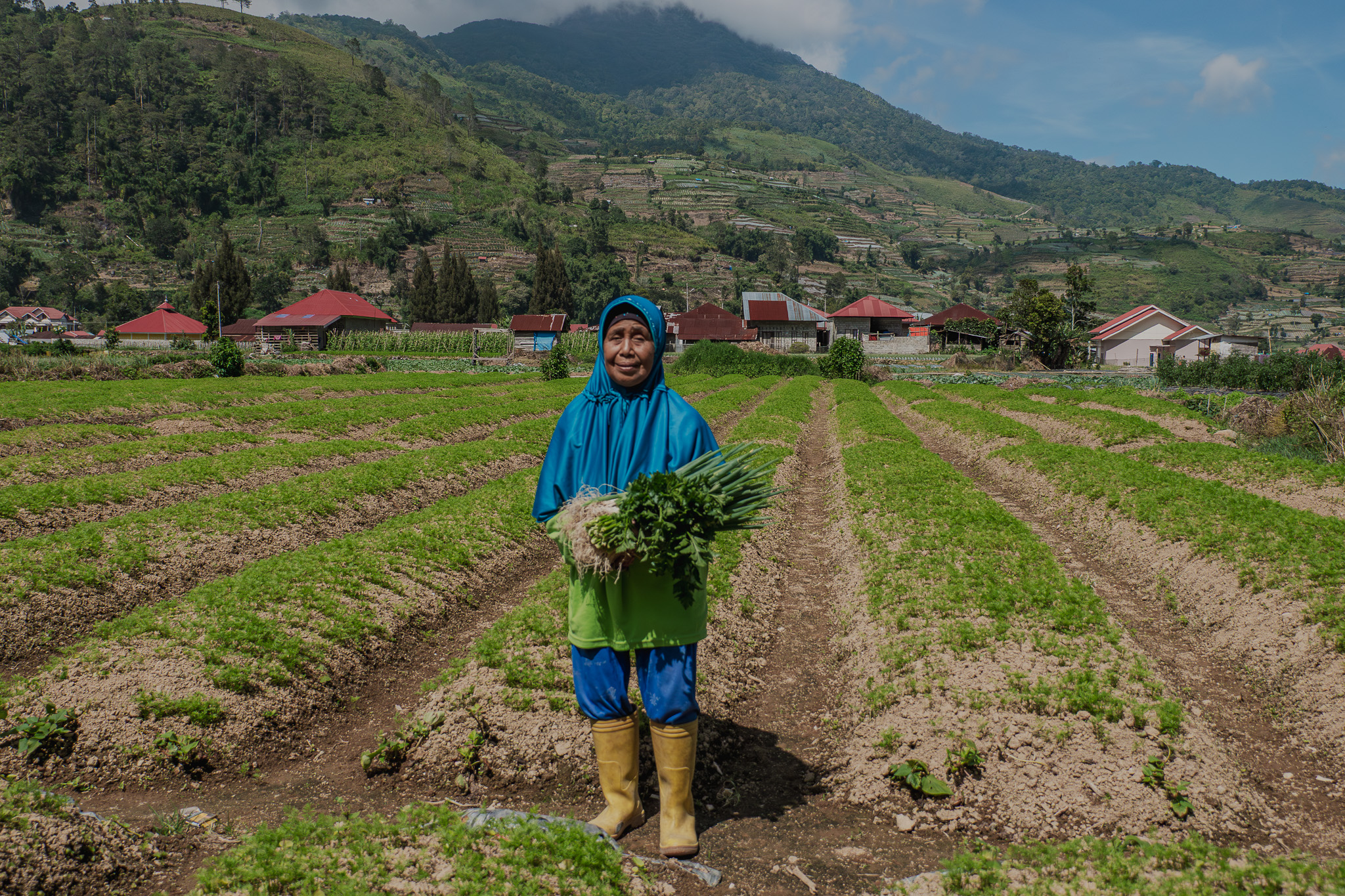
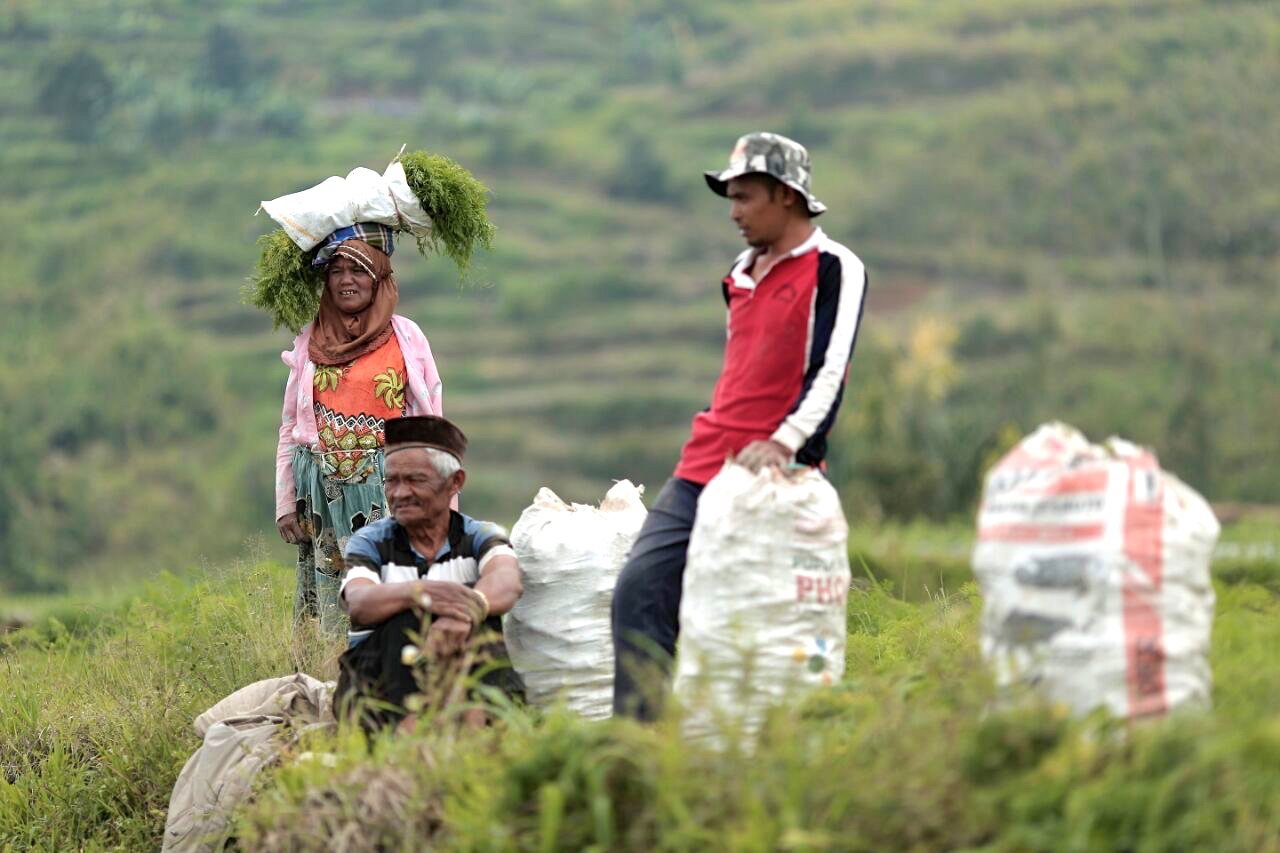
The resistance from local communities is often rooted in a very practical fear: the loss of water. In West Sumatra, where the economy is heavily dependent on agriculture, water is the lifeblood of the community. Eric Kurniawan, Head of the Energy and Electricity Division at the West Sumatra Energy and Mineral Resources (ESDM) Office, acknowledged that the primary reason for community opposition is the fear of ecological damage.
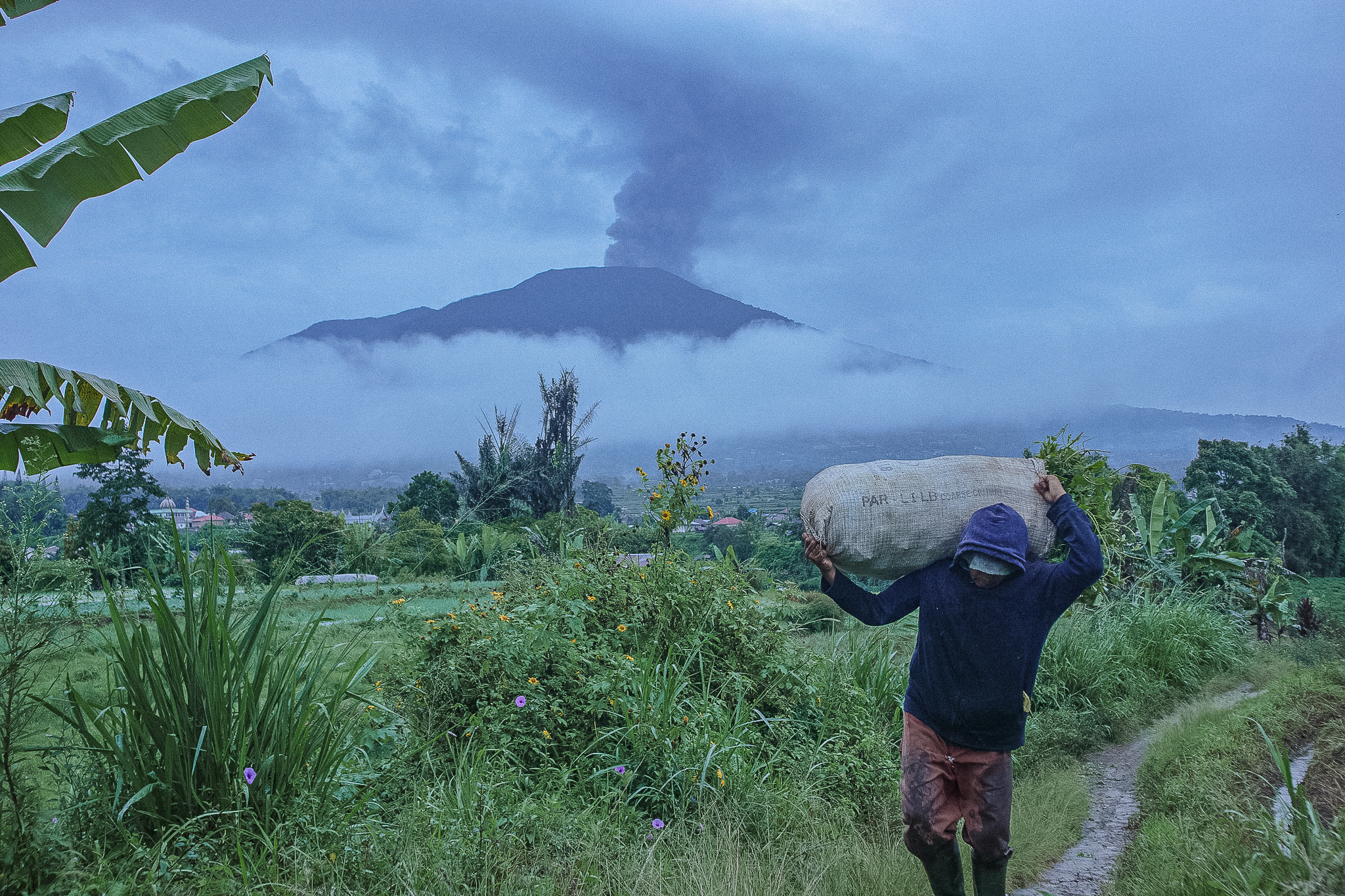
Residents in the vicinity of Mount Talang and Mount Singgalang are particularly concerned that exploration and construction activities will disrupt the complex hydrological systems of the volcanic regions. These systems provide irrigation for rice paddies and vegetable farms, as well as drinking water for thousands of households. The risk of contamination from drilling fluids or the depletion of aquifers due to the high water requirements of geothermal plants are viewed by locals as existential threats to their way of life.
Despite these concerns, the push for geothermal expansion continues. In West Sumatra alone, three new geothermal areas are currently in the process of preliminary survey and exploration bidding (PSPE). These include Pincuruak with a potential of 50 MW, Cubadak with 60 MW, and Panti with a massive potential of 131 MW. Currently, the installed geothermal capacity in the province is only 85 MW, a fraction of the total potential that the government is eager to tap into to meet national renewable energy targets.
Chronology of Resistance and Recent Incidents
The conflict in Dieng has been particularly volatile. The Dieng geothermal field, operated by PT Geo Dipa Energi, has a history of industrial accidents that have fueled local distrust. In March 2022, a gas leak at a wellpad resulted in the death of one worker and the hospitalization of several others, causing panic in nearby villages. Such incidents have reinforced the community’s perception that geothermal energy is not as "clean" or "safe" as the government claims.
In West Sumatra, the struggle against the Mount Talang geothermal project has lasted for years. Since the project was designated a National Strategic Project (PSN) in 2017, residents of Nagari Batu Bajanjang and surrounding areas have consistently blocked access to developers. The Pusham UII report notes that instead of addressing the root causes of this resistance—such as land rights and water security—the state has often responded with a security-heavy approach, deploying police and military personnel to oversee project activities, which further intimidates the local population.
Recommendations for a Just Transition
In light of these findings, Pusham UII has put forward seven key demands to the Indonesian government and relevant stakeholders. These recommendations aim to realign the country’s energy transition with international human rights standards:
- Mandatory Human Rights Due Diligence: The government must require all geothermal companies to conduct thorough human rights impact assessments before projects are approved.
- Recognition of Indigenous Rights: The state must formally recognize and protect the ancestral land rights of communities like the Nagari in West Sumatra, ensuring they have the right to say "no" to projects on their land.
- Adherence to FPIC: The principle of Free, Prior, and Informed Consent must be strictly applied, ensuring that communities are not coerced into agreements.
- Independent Oversight: An independent body should be established to monitor the environmental and social impacts of geothermal plants, with the power to halt operations if violations occur.
- Gender-Responsive Policies: Energy policies must include specific protections and participation mechanisms for women.
- Reform of the Job Creation Law: The government should revise clauses that criminalize community resistance and ease environmental oversight.
- Redress and Restoration: Companies and the state must provide full compensation for past damages to livelihoods and the environment, including the restoration of contaminated water sources.
Analysis of Implications
The Pusham UII report serves as a critical warning that the "greenness" of an energy source is not merely defined by its carbon footprint, but by the ethics of its production. If Indonesia continues to pursue geothermal energy through top-down, extractive models, it risks undermining the very goal of a sustainable future. The "metastasis" described by the researchers suggests that the flaws in current geothermal policy are spreading, potentially poisoning the legitimacy of the entire national energy transition.
From a policy perspective, the findings highlight a growing tension between Indonesia’s international climate commitments and its domestic human rights obligations. While the world cheers for the decommissioning of coal plants, the "Metastasis" report serves as a reminder that the replacement—if not managed with justice and transparency—can be just as damaging to the people on the front lines. The success of Indonesia’s energy transition will ultimately depend not on how many megawatts are installed, but on whether the government can secure the trust and consent of its own citizens.