Tyo Susilo
OPPO has once again expanded its prolific A-series lineup with the introduction of the OPPO A6c, a new entry-level smartphone that is now making its global debut. This latest iteration, identified by the model number CPH2895, presents a distinct global variant that diverges from its Chinese counterpart in several key specifications, including the chipset, battery capacity, and design. The device has already commenced its sales in select international markets, with strong indications pointing towards an imminent release in Indonesia, following its appearance in regulatory databases. This strategic rollout suggests OPPO’s continued commitment to the burgeoning entry-level segment, aiming to capture a wider audience with a device that balances affordability with notable features.
The OPPO A6c arrives on the global stage with a suite of specifications designed to appeal to budget-conscious consumers seeking a reliable and feature-rich smartphone. At its core, the device boasts a 6.75-inch IPS display, offering a visual canvas with an HD+ resolution. A key highlight for this segment is its impressive 120Hz refresh rate, a feature typically found in more premium devices, promising smoother scrolling and a more fluid user experience. The display incorporates a waterdrop-style notch at the top, ingeniously housing the front-facing camera, a design choice that prioritizes screen real estate.
A Tale of Two Chipsets: Performance Differentiation
A significant point of divergence between the global and Chinese versions of the OPPO A6c lies in their internal processing power. While the Chinese variant is powered by the Qualcomm Snapdragon 685 chipset, the global model opts for the UNISOC T7250. This strategic choice in chipset selection often reflects regional availability, cost-effectiveness, and the specific performance profiles desired for different markets. The UNISOC T7250, while perhaps less widely recognized than Qualcomm’s offerings in some Western markets, is a capable processor designed for efficient performance in mid-range and entry-level devices. It is typically paired with LPDDR4X RAM, and the global A6c comes with 4GB of this memory type. For storage, the device utilizes UFS 2.2 technology, offering up to 128GB of internal capacity, which is ample for daily tasks, app installations, and media storage for the target demographic. The UFS 2.2 standard, while not the latest, provides a significant speed advantage over older eMMC storage, contributing to faster app loading times and overall system responsiveness.
Powering Through: The 7000 mAh Battery Advantage
One of the most compelling features of the global OPPO A6c is its substantial 7000 mAh battery. This capacity eclipses that of its Chinese counterpart, which is equipped with a 6500 mAh battery. In an era where battery life is a paramount concern for smartphone users, especially in the entry-level segment where charging infrastructure might be less robust, the A6c’s massive battery is a significant selling point. This colossal power source is expected to provide users with extended usage times, potentially spanning multiple days on a single charge for moderate users. Complementing the large battery is support for 15W wired charging, allowing for relatively quick top-ups. Furthermore, the device includes reverse wired charging capabilities, enabling it to act as a power bank to charge other devices, adding a layer of utility. This feature can be particularly useful in situations where users need to share power with friends or family.
Camera Capabilities and Design Evolution
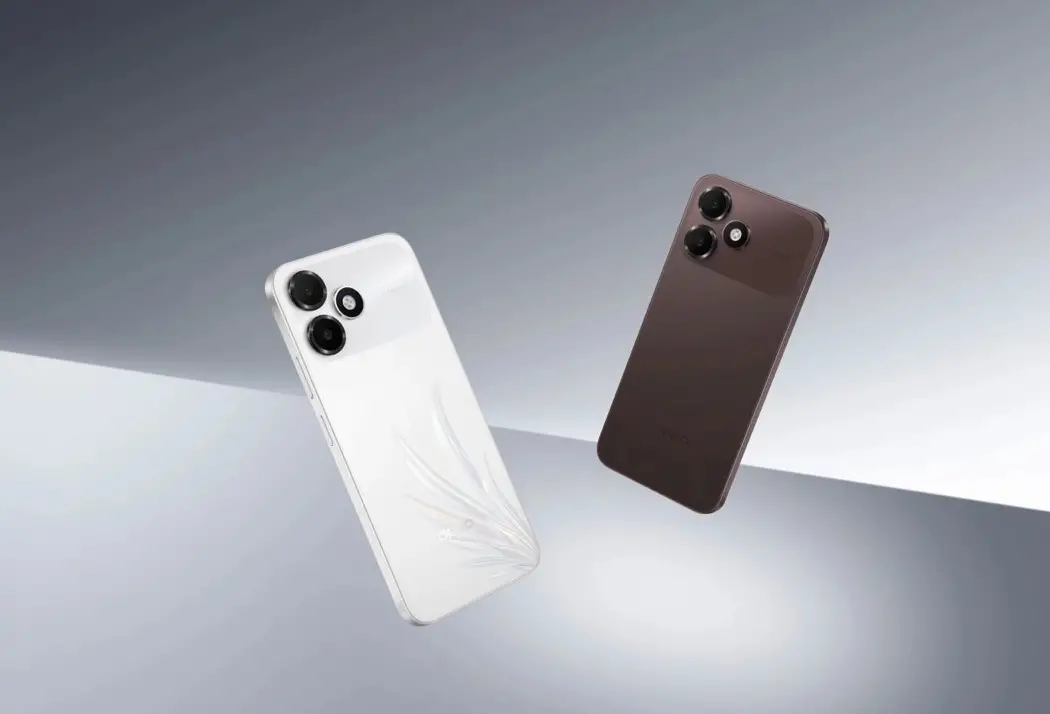
On the imaging front, the OPPO A6c is equipped with a dual-camera setup on the rear, headlined by a 13MP main sensor. While specific details on the secondary "bonus" camera are not extensively elaborated, it is likely a depth or macro lens, common in this price bracket to enhance photographic versatility. An LED flash is integrated to assist in low-light conditions. The design of the rear camera module also sees a modification in the global version compared to the Chinese model, suggesting OPPO’s ongoing efforts to refine its aesthetic appeal across different regions. For selfies and video calls, a 5MP front-facing camera is strategically placed within the aforementioned waterdrop notch.
Durability and Connectivity: Beyond the Basics
Beyond its core specifications, the OPPO A6c incorporates features that enhance its overall value proposition. The smartphone carries an IP64 rating, signifying a degree of dust and splash resistance. This rating is a welcome addition to an entry-level device, offering peace of mind against everyday environmental hazards like light rain or accidental splashes. Security is handled by a fingerprint scanner conveniently integrated into the power button, providing quick and secure access to the device. The inclusion of a 3.5mm audio combo jack is another nod to user convenience, catering to those who prefer wired headphones. The OPPO A6c is available in three distinct color options: Feather White, Stone Brown, and Feather Purple, allowing users to personalize their device to their aesthetic preferences.
Market Entry and Future Prospects
The global rollout of the OPPO A6c has begun with its official release in Thailand. Crucially, the device has also been observed to have passed the SDPPI Postel certification from Komdigi, a strong indicator of its impending arrival in the Indonesian market. The presence of these certifications usually precedes a commercial launch by a few weeks or months, fueling anticipation among Indonesian consumers. The fact that OPPO is launching a new model in its A-series, particularly one with such a substantial battery and a decent refresh rate display, suggests a strategic push to solidify its position in the highly competitive entry-level and budget smartphone segments in Southeast Asia.
Context and Industry Trends
The launch of the OPPO A6c global variant comes at a time when the smartphone market, particularly the entry-level segment, remains a crucial battleground for manufacturers. Consumers in emerging markets often prioritize affordability, battery life, and essential functionalities. OPPO’s strategy of differentiating regional variants, such as the chipset and battery capacity in the A6c, allows them to tailor their offerings to specific market demands and competitive landscapes. The move to a larger battery capacity in the global version is a clear response to consumer preferences for extended usage times, a trend that has been amplified by increased reliance on smartphones for entertainment, communication, and productivity.
The inclusion of a 120Hz refresh rate on an entry-level device, while perhaps not essential for all users, signals a democratization of display technology. What was once a premium feature is gradually trickling down to more affordable segments, enhancing the overall user experience for a broader audience. This can be seen as a competitive move by OPPO to differentiate its offering from rivals who might still be offering 60Hz or 90Hz displays in a similar price bracket.
Analysis of Implications
The OPPO A6c’s arrival with a 7000 mAh battery is poised to disrupt the entry-level segment. In markets where battery longevity is a critical purchasing factor, this device could become a strong contender, potentially setting a new benchmark for battery capacity in its class. The IP64 rating, while not offering full waterproofing, provides a practical layer of protection against everyday wear and tear, which is a valuable addition for a device likely to be used extensively outdoors or in varied environments.
The chipset choice, UNISOC T7250, will be a point of interest for tech enthusiasts. While UNISOC has been steadily improving its offerings, its widespread adoption in global variants of major brands like OPPO indicates a growing confidence in its performance and efficiency. For consumers, this means more choices and potentially more competitive pricing as brands diversify their supply chains.
The successful passing of regulatory certifications in Indonesia suggests that the A6c is not just a speculative rumor but a confirmed upcoming product for the region. This signals OPPO’s intent to capture a significant share of the Indonesian smartphone market, which is known for its high demand for affordable and reliable mobile devices. The company’s established distribution network and brand recognition in Indonesia will likely play a crucial role in the A6c’s success.
Looking Ahead
As the OPPO A6c begins its global journey, its performance in markets like Thailand and its anticipated launch in Indonesia will be closely watched. The device represents a compelling package for its price point, combining a massive battery, a high refresh rate display, and a degree of durability. It underscores OPPO’s continued innovation within the entry-level smartphone segment, aiming to deliver tangible benefits to a wide spectrum of consumers. The coming weeks will likely reveal more about its pricing and specific availability in various regions, offering a clearer picture of its market impact. The question remains: will this battery behemoth redefine expectations for budget smartphones? Only time and consumer adoption will tell.

The source material for this article indicates that the OPPO A6c has already been listed and is available for purchase in certain regions, with its presence in regulatory databases like Indonesia’s SDPPI Postel serving as a strong indicator of imminent local availability. This regulatory clearance is a standard procedure for any telecommunications device intended for sale in a particular country, ensuring compliance with local standards and spectrum usage. The swiftness of its appearance in these databases, following its international debut, suggests a well-coordinated launch strategy by OPPO. The company has a history of tailoring its product releases to capitalize on specific market opportunities, and the Indonesian market, with its large and vibrant consumer base, is a key territory for entry-level smartphone manufacturers.
The global OPPO A6c, with its model number CPH2895, is distinct from its Chinese counterpart not just in chipset and battery but also in its overall design philosophy. While specific details on the design variations are not exhaustively detailed in the initial report, the mention of a different camera layout suggests a conscious effort by OPPO to differentiate the aesthetics of the global model. This can be attributed to varying regional design preferences or the integration of different internal components that necessitate a revised physical form factor. The visual appeal of a smartphone is a significant factor in purchasing decisions, especially in the competitive entry-level segment, and OPPO’s attention to these nuances highlights their market-centric approach.
The strategic decision to equip the global A6c with a UNISOC T7250 chipset, instead of the Snapdragon 685 found in the Chinese version, is a noteworthy aspect of its global rollout. Chipset selection in the entry-level and mid-range segments is often a balancing act between performance, power efficiency, cost, and supply chain logistics. UNISOC, a Chinese semiconductor manufacturer, has been increasingly present in global smartphone offerings, providing competitive alternatives to established players. The T7250 is known for its integration of 5G capabilities, although the initial reports for the A6c do not explicitly mention 5G connectivity for this specific model. However, the chipset’s underlying architecture offers potential for future iterations or variants. The 4GB of LPDDR4X RAM and 128GB of UFS 2.2 storage provide a solid foundation for everyday multitasking and app usage, ensuring a smooth and responsive experience for the average user.
The emphasis on a 7000 mAh battery cannot be overstated. In an era where smartphone battery life is a primary concern, this capacity is a significant differentiator. For users who heavily rely on their smartphones for extended periods without access to charging facilities, the OPPO A6c offers a compelling solution. This substantial battery is expected to provide users with the freedom to stream, game, and communicate without the constant anxiety of a dwindling power meter. The 15W wired charging, while not the fastest on the market, is a practical speed for topping up such a large battery, and the inclusion of reverse wired charging adds an extra layer of utility, allowing the phone to serve as a portable power source for other devices. This feature can be invaluable in emergency situations or when sharing power with companions.
The camera specifications, while modest at 13MP for the main rear sensor and 5MP for the front, are in line with what is typically expected from an entry-level smartphone. The focus in this segment is generally on providing functional cameras that can capture decent photos and videos for social media and casual use, rather than competing with flagship-level photography prowess. The presence of a secondary camera on the rear, even if basic, adds a degree of versatility, potentially enabling features like portrait mode or macro photography.
The IP64 rating is a pragmatic inclusion that enhances the device’s resilience against the elements. While it does not guarantee submersion in water, it provides protection against dust ingress and splashes from any direction. This is a valuable feature for a device that is likely to be used in diverse environments, offering users greater confidence in its durability. The integrated fingerprint scanner on the power button is a common and effective biometric security solution, offering a convenient and secure way to unlock the device. The retention of the 3.5mm audio jack is a welcome feature for many users who prefer wired headphones or audio accessories, demonstrating OPPO’s understanding of diverse consumer preferences.
The release of the OPPO A6c in Feather White, Stone Brown, and Feather Purple color options allows for a degree of personalization, catering to different aesthetic tastes. These color choices are generally appealing and align with popular trends in the smartphone market. The device’s progression from its initial launch in China to its global debut in markets like Thailand, and its subsequent appearance in Indonesian regulatory databases, illustrates a methodical and well-planned expansion strategy by OPPO. This approach allows the company to gather market feedback, refine its offerings, and ensure a successful launch in each target region. The anticipation for its release in Indonesia is palpable, given the country’s significant smartphone market and the device’s attractive specifications for the budget-conscious consumer.