Eko Sulistyo
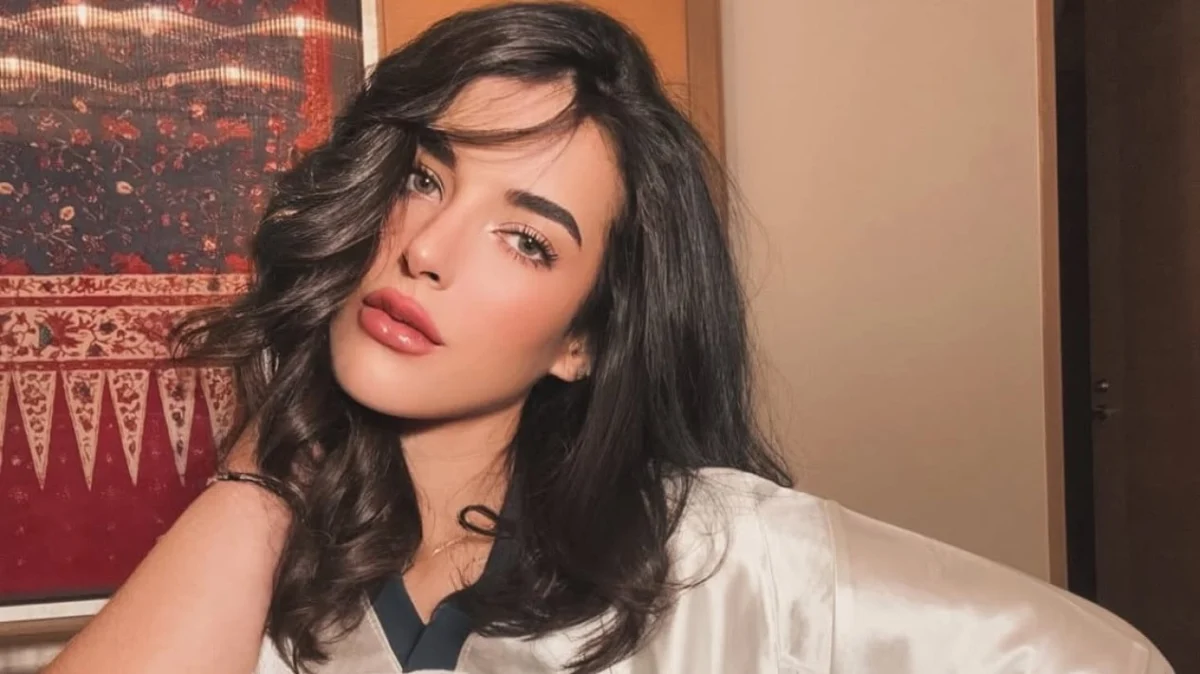
The prominent Indonesian social media personality and entertainer Lucinta Luna has once again become the center of public discourse following a rapid transition in her public persona. After a brief period during the 2026 Eid al-Fitr holiday where she adopted a more masculine appearance and expressed a desire to return to her birth identity as Muhammad Fatah, she has reverted to a feminine aesthetic. This sudden shift, documented across her social media platforms on Thursday, April 9, 2026, has sparked intense debate among her followers and the broader Indonesian public regarding the authenticity of her previous statements and the practicalities of her international career.
The controversy began when the influencer appeared in various social media posts with shorter hair and traditional masculine attire, leading many to believe she was undergoing a permanent lifestyle change or a religious "repentance" (hijrah). However, as the holiday period concluded, she reappeared in full feminine attire, including long hair, which she later clarified was a wig. This reversal prompted a wave of skepticism from netizens, many of whom accused her of staging a "prank" or "settingan" (a scripted drama) to garner engagement during the high-traffic holiday season.
Practical and Legal Constraints in International Travel
Addressing the backlash via her TikTok account, Lucinta Luna provided a multi-faceted explanation for her return to a feminine appearance. Central to her reasoning is the legal status of her identity documents. She emphasized that her passport is legally registered under a female gender marker. In the context of international travel, particularly to a country with stringent immigration protocols like South Korea, a significant discrepancy between a traveler’s physical appearance and their legal documentation can lead to severe complications.
"My passport is legally female," she stated in her video clarification. "I don’t want to arrive in South Korea and be detained at immigration because my appearance does not match my legal documents. It is that simple."
From a legal and security perspective, immigration authorities at international hubs like Incheon International Airport utilize biometric data and visual verification to process arrivals. For a high-profile individual, appearing in a gender presentation that contradicts their official government-issued ID could trigger secondary inspections, delays, or even denial of entry under suspicion of identity fraud or document tampering. For Lucinta Luna, whose livelihood is increasingly tied to her presence in East Asia, maintaining consistency with her legal identity is a professional necessity.
The South Korean Venture: Work and Education
The shift in appearance also coincides with her return to South Korea, where she claims to be pursuing a dual path of higher education and professional development. Describing her current program as "Ker KuL" (Kerja sambil Kuliah, or working while studying), she indicated that her ten-day leave for the Lebaran holidays in Indonesia had concluded.
According to her statements, the entertainer has spent a significant portion of the last year establishing a foothold in the South Korean entertainment industry. She noted that her unique persona—characterized by a blend of high-fashion aesthetics and self-deprecating comedy—has attracted interest from several South Korean brands and production houses. The South Korean market, while traditionally conservative, has shown an increasing appetite for diverse international influencers who can bridge the gap between Southeast Asian audiences and Korean products.
By positioning herself as a comedic figure, Lucinta Luna is tapping into a niche that allows for more flexibility in her public image. She suggested that her "international potential" is higher in a market like South Korea, where she is viewed through the lens of an entertainer and content creator rather than being solely defined by the domestic controversies that have followed her in Indonesia.
Timeline of Recent Events
The chronology of this latest public transition reflects the fast-paced nature of digital celebrity culture in Indonesia:
- Late March 2026: As the month of Ramadan progressed, Lucinta Luna began posting content featuring a more masculine presentation, often accompanied by captions reflecting on self-identity and a return to "original roots."
- Early April 2026 (Eid al-Fitr): During the peak of the holiday season, she participated in traditional family gatherings in Indonesia, maintaining the masculine persona (Muhammad Fatah), which led to widespread media coverage speculating on a permanent change.
- April 7–8, 2026: As the holiday period ended, hints of a return to her feminine style began to appear on her Instagram Stories and TikTok.
- April 9, 2026: She officially addressed the situation, revealing that her previous look was temporary and that she was preparing to return to South Korea. She clarified that her feminine look is her professional and legal "default" for her life abroad.
Public Reaction and the "Settingan" Culture
The reaction from the Indonesian public has been polarized. On one hand, a segment of her audience expressed disappointment, feeling that the "repentance" narrative was a cynical use of religious and cultural themes to boost social media metrics. Comments such as "Did you cancel your repentance, Sis?" and "We already knew it was just a prank for Konoha (a slang term for Indonesia)" reflect a growing fatigue among netizens regarding staged celebrity drama.
On the other hand, some fans defended her right to self-expression and acknowledged the practical reality of her legal situation. The Indonesian digital landscape is famously volatile, and influencers often utilize "settingan" to remain relevant in a crowded market. However, the intersection of legal identity and international career requirements adds a layer of complexity to this specific case that goes beyond simple social media clout.
Legal Background of Gender Recognition in Indonesia
To understand the weight of her "legal female" status, it is necessary to look back at the legal precedents set in Indonesia. In early 2020, the South Jakarta District Court officially granted a petition for the change of gender and name for the individual formerly known as Muhammad Fatah. This legal recognition allowed her to update all state-issued documents, including her Identity Card (KTP) and passport, to reflect her female identity.
Once such a legal transition is finalized, reverting one’s presentation in official capacities is not merely a personal choice but a bureaucratic challenge. For Lucinta Luna to travel as a male, she would theoretically need to undergo another legal process to revert her documents, a move that would be counterproductive to the identity she has cultivated for over a decade in the entertainment industry.
Analysis of Implications for the Entertainment Industry
The case of Lucinta Luna highlights several emerging trends in the Southeast Asian influencer economy. First, it demonstrates the increasing "internationalization" of Indonesian celebrities. As the domestic market becomes saturated, figures like Lucinta Luna are looking toward South Korea, Japan, and the West to diversify their income streams and escape domestic stigmas.
Second, it underscores the tension between personal identity and "brand identity." For Lucinta Luna, the feminine persona is not just a personal choice but a commercial asset. Her value to South Korean brands lies in her established image as a glamorous yet humorous female figure. A sudden, permanent shift to a masculine identity would likely void existing contracts and disrupt ongoing negotiations with international partners.
Finally, the incident serves as a case study in the "attention economy." Whether the masculine phase was a genuine moment of reflection or a calculated marketing move, it succeeded in making her the most searched individual in the Indonesian entertainment sector during the holiday period. In the world of social media, negative engagement is often as valuable as positive engagement, as both drive the algorithms that determine visibility.
Future Outlook
As of mid-April 2026, Lucinta Luna has returned to South Korea to resume her "Ker KuL" program. While the controversy in Indonesia continues to simmer, her focus appears to have shifted entirely to her international prospects. She has indicated that she will continue to share her journey of studying and working in Seoul, likely leaning further into the "comedic influencer" role that she believes will resonate with a global audience.
While her domestic audience remains skeptical of her frequent "identity shifts," the practical realities of her legal status and her career ambitions in East Asia suggest that the feminine persona will remain her primary public identity for the foreseeable future. The episode serves as a reminder of the complex interplay between law, career, and the performative nature of modern celebrity life.