Tyo Susilo
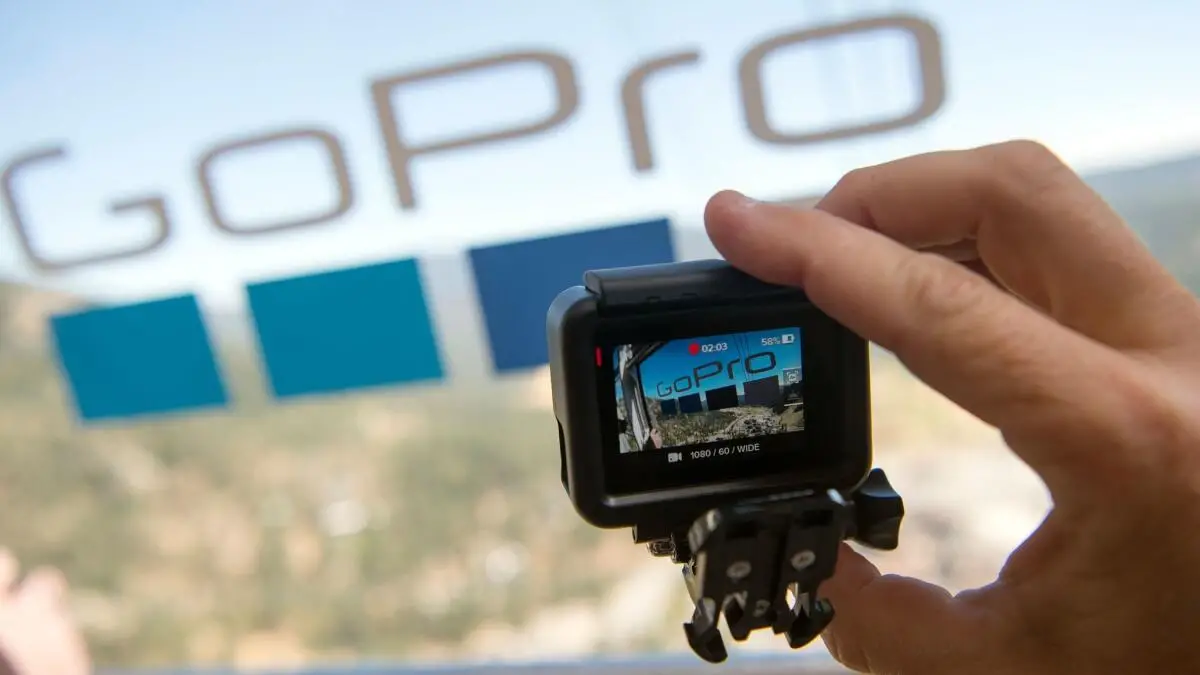
GoPro, the pioneering action camera company, is undertaking a substantial restructuring effort, announcing plans to lay off approximately 23% of its global workforce by the end of 2026. This significant reduction in personnel is a strategic move aimed at streamlining operations, curtailing operational expenses, and ensuring the long-term viability of the business in a competitive and evolving market landscape. The decision comes as the company navigates persistent market instability and seeks to optimize its financial footing.
The immediate impact of this decision will affect approximately 145 employees. The workforce reduction process is slated to commence in the second quarter of 2026. At the close of the first quarter of 2026, GoPro’s total employee count stood at 631 individuals, underscoring the magnitude of the planned layoffs. In preparation for these workforce adjustments, GoPro has allocated a restructuring budget ranging from $11.5 million to $15 million USD, translating to an estimated Rp195 billion to Rp255 billion. These funds are designated to cover severance packages and healthcare benefits for the affected employees, ensuring a degree of support during their transition. This is not the first instance of GoPro implementing workforce reductions; a similar measure was enacted in the latter half of 2024, indicating a pattern of strategic resizing in response to business conditions.
Financial Performance and Strategic Imperatives
GoPro’s decision to implement significant layoffs is intrinsically linked to its recent financial performance, which has shown signs of strain. The company’s 2025 financial reports revealed a year-over-year decline in revenue, further compounded by a reported loss of approximately $9 million USD in the fourth quarter. This challenging financial environment has evidently spurred the renewed focus on operational efficiency and cost containment.
The company’s ongoing commitment to innovation, however, remains a cornerstone of its future strategy. GoPro is actively developing its next-generation AI-powered System-on-Chip (SoC), codenamed GP3. This advanced chip is intended to be integrated into future camera models, promising enhanced capabilities and performance. The first camera to feature the GP3 SoC is anticipated to be released within the next few months, signaling GoPro’s continued investment in product development as a means to regain market traction.
Evolving Market Dynamics and Competitive Landscape
The action camera market has undergone a dramatic transformation since GoPro first established its dominance. The competitive landscape has intensified significantly, with formidable players like DJI and Insta360 emerging as serious contenders. Furthermore, the rapid advancements in smartphone camera technology have blurred the lines between dedicated action cameras and everyday mobile devices, presenting an additional layer of competition.
Historically, GoPro was synonymous with rugged, high-performance cameras for extreme sports enthusiasts, serving as the de facto choice for capturing thrilling adventures. However, the market has diversified, offering consumers a much broader array of options and alternatives. This shift necessitates that GoPro continually adapt and innovate to maintain its relevance and appeal to a wider consumer base. The integration of AI-driven features, such as those expected with the GP3 SoC, is a critical component of this strategy, aiming to re-engage consumers and differentiate GoPro products in a crowded marketplace. The question remains whether these advancements will be sufficient to capture renewed consumer interest and solidify GoPro’s position against its agile competitors.
Historical Context and Chronology of Workforce Adjustments
GoPro’s journey has been marked by periods of rapid growth and subsequent strategic adjustments. Founded in 2002, the company revolutionized the personal video recording market with its durable and user-friendly action cameras. The initial public offering (IPO) in 2014 was met with considerable enthusiasm, reflecting strong market confidence in its innovative product line and brand identity.
However, the company has faced challenges in maintaining consistent profitability and market share in the face of evolving technology and increasing competition.
- 2014: GoPro goes public, signaling a period of significant growth and expansion.
- Mid-2010s: The company experiences peak sales and brand recognition, solidifying its position as the leading action camera manufacturer.
- Late 2010s: Increased competition from emerging players and the maturation of the smartphone camera market begin to impact sales and profitability.
- Early 2020s: GoPro focuses on diversifying its product line and exploring new revenue streams, including subscription services and content creation tools.
- H2 2024: GoPro implements an initial round of workforce reductions as part of ongoing efforts to optimize operational efficiency.
- Q1 2026: GoPro reports a financial loss for the fourth quarter of 2025, underscoring the need for further cost-saving measures.
- Q2 2026 (Planned): The company is set to commence its most significant workforce reduction, impacting approximately 23% of its global employees.
- End of 2026: The full extent of the planned layoffs is expected to be realized, with the company aiming to achieve a leaner operational structure.
This timeline illustrates a recurring theme of adaptation and resizing in response to market pressures and financial performance.
Analysis of Implications and Broader Impact
The substantial layoffs at GoPro carry significant implications, not only for the affected employees and the company itself but also for the broader consumer electronics industry.
For GoPro:
The immediate objective is to reduce operational expenditures and improve profitability. By shedding a significant portion of its workforce, GoPro aims to streamline its organizational structure, reduce overhead costs associated with salaries and benefits, and potentially reallocate resources towards research and development or marketing initiatives that offer a higher return on investment. The success of this strategy will hinge on GoPro’s ability to maintain product innovation and effectively communicate its value proposition to consumers in a highly competitive environment. The long-term impact on employee morale and company culture will also be a critical factor to monitor.
For the Industry:
GoPro’s strategic move reflects the intense pressures within the consumer electronics sector. Companies are continuously challenged to innovate rapidly while managing costs in a market characterized by short product lifecycles and intense price competition. The rise of strong competitors like DJI and Insta360 highlights the dynamic nature of market leadership and the need for established players to remain agile. The emphasis on AI integration, as seen with GoPro’s GP3 SoC, signals a broader trend across the industry, where artificial intelligence is becoming a key differentiator for enhancing product functionality and user experience.
For Employees:
The layoffs will undoubtedly create uncertainty for the affected individuals and potentially lead to a period of adjustment within the industry as these skilled professionals seek new opportunities. The severance and healthcare support offered by GoPro are designed to mitigate some of the immediate financial hardship, but the broader economic climate and the demand for their specific skill sets will ultimately determine the ease of their transition.
For Consumers:
While layoffs can sometimes be perceived negatively, the underlying goal for GoPro is to ensure its continued existence and ability to deliver innovative products. If the restructuring leads to more focused product development and a stronger financial footing, consumers could benefit from more refined and competitive offerings in the long run. The success of the GP3-powered cameras will be a key indicator of whether this strategic shift translates into tangible improvements for end-users.
Looking Ahead: The Future of Action Cameras
The action camera market is far from static. While GoPro once held an unchallenged reign, the current landscape demands constant evolution. The company’s reliance on new technology, particularly AI, underscores a recognition that past successes do not guarantee future dominance. The strategic decision to reduce its workforce, while difficult, is a calculated move to ensure its survival and capacity to compete. The coming years will be critical for GoPro as it strives to prove that it can not only weather the storm but also emerge stronger, recapturing consumer attention and loyalty in an increasingly diverse and dynamic market. The effectiveness of its AI-driven strategy and its ability to adapt to the competitive pressures posed by DJI, Insta360, and even advanced smartphone cameras will be pivotal in shaping the future of the action camera segment.