Nila Kartika Wati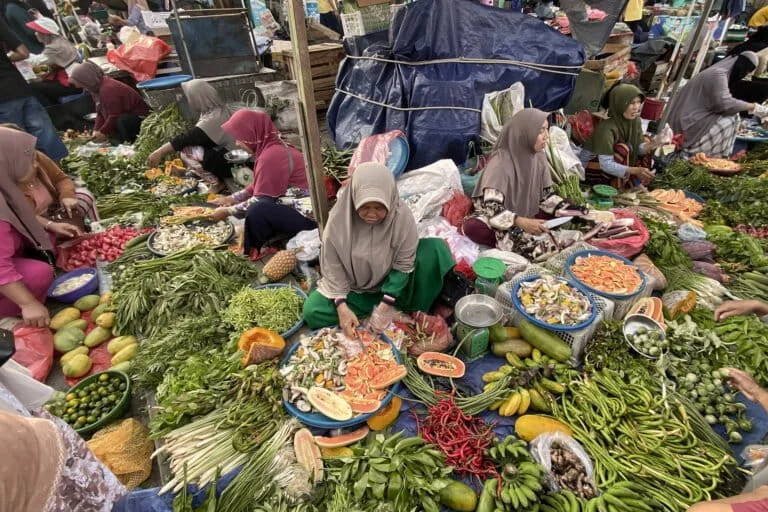
The province of the Bangka Belitung Islands, long celebrated for its rich maritime resources and vast mineral wealth, is currently facing a silent crisis regarding its food sovereignty. Historically, the local population maintained a harmonious relationship with their environment through a traditional agricultural system known as ume—a practice of managing both the sea and land to ensure self-sufficiency. Central to this way of life was the cultivation of diverse local vegetables, which gave birth to the iconic culinary heritage of lempah darat. However, as the allure of tin mining and the expansion of industrial palm oil plantations continue to reshape the landscape, the traditional knowledge and practices that once guaranteed food security are rapidly disappearing. While most of the province now relies heavily on food imports from neighboring islands, the village of Balun Ijuk in the Merawang District stands as a rare bastion of agricultural resilience, providing a blueprint for how the region might reclaim its lost food independence.
The Cultural Significance of Lempah Darat and Ume
In the traditional Bangka Belitung household, the kitchen was once a reflection of the biodiversity found in the backyard. Lempah darat, a vegetable-based soup, serves as a testament to this historical abundance. The dish utilizes simple, locally sourced ingredients such as taro (keladi), melinjo seeds, young jackfruit, idat shoots, banana hearts, and bamboo shoots. These ingredients were traditionally harvested from ume (upland rice fields) or kelekak (traditional community fruit forests), where they were grown alongside economic crops like white pepper.
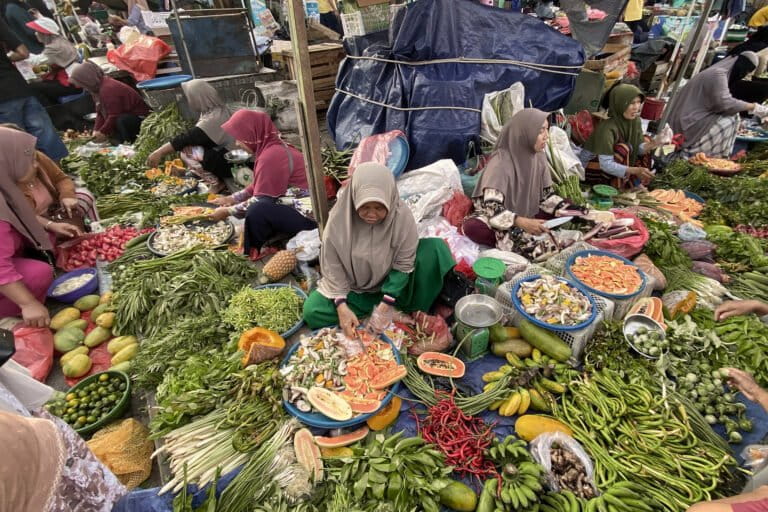
Herry Marta Saputra, a researcher and lecturer in Agrotechnology at the University of Bangka Belitung (UBB), emphasizes that this culinary tradition was more than just a diet; it was a socio-ecological system. Speaking to Mongabay Indonesia on March 30, 2026, Saputra noted that lempah darat provides historical evidence of a strong local culture of vegetable cultivation and consumption. In the past, the ume system ensured that families were not dependent on external markets for their daily nutritional needs. The integration of various crops within a single plot of land created a resilient food supply that could withstand economic fluctuations in the pepper or tin markets.
The Erosion of Tradition: Tin Addiction and Land Conversion
The decline of this self-sufficient lifestyle is attributed to two primary factors: the "addiction" to tin mining and the large-scale conversion of land for industrial monocultures. For decades, Bangka Belitung has been one of the world’s leading producers of tin. The high price of the commodity on the global market has created a phenomenon often referred to locally as "candu timah" or tin addiction. Unlike farming, which requires months of labor before a harvest, artisanal tin mining offers immediate financial gratification. A miner can earn a significant amount of rupiah in a single day, making the slow, arduous process of growing vegetables seem economically unattractive.
This shift in labor has been accompanied by a massive change in land use. Traditional ume and kelekak areas are being swallowed by illegal mining operations and expanding palm oil estates. According to data from the Bangka Belitung Central Bureau of Statistics (BPS) and recent reports, the total area of palm oil plantations in the province reached 355,056 hectares by the end of 2025. This represents a nearly 50 percent increase from 2020, when the area stood at 237,000 hectares. Approximately 70 percent of these plantations are owned by private corporations, leaving less land available for small-scale diverse agriculture.
Balun Ijuk: The Province’s Vegetable Granary
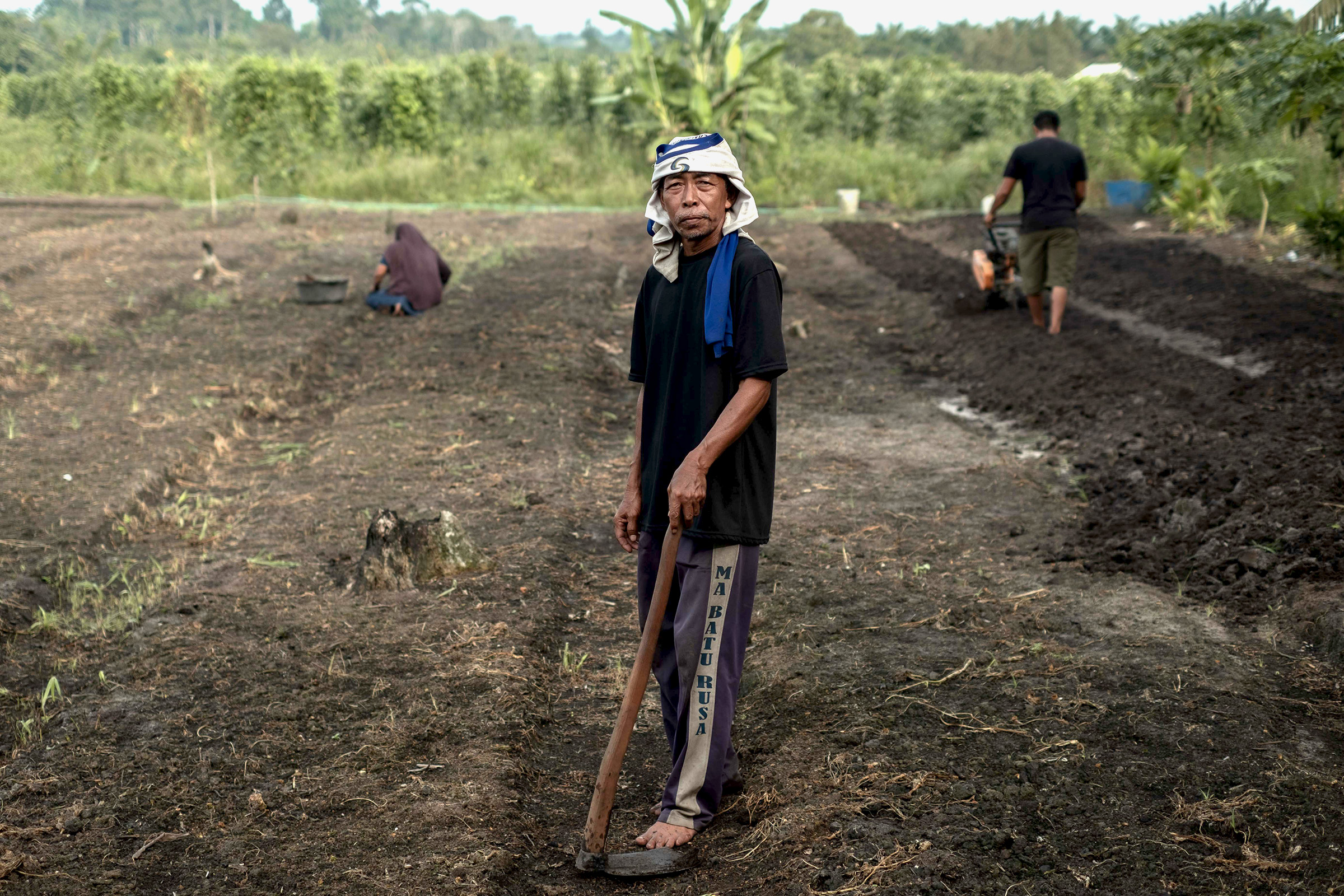
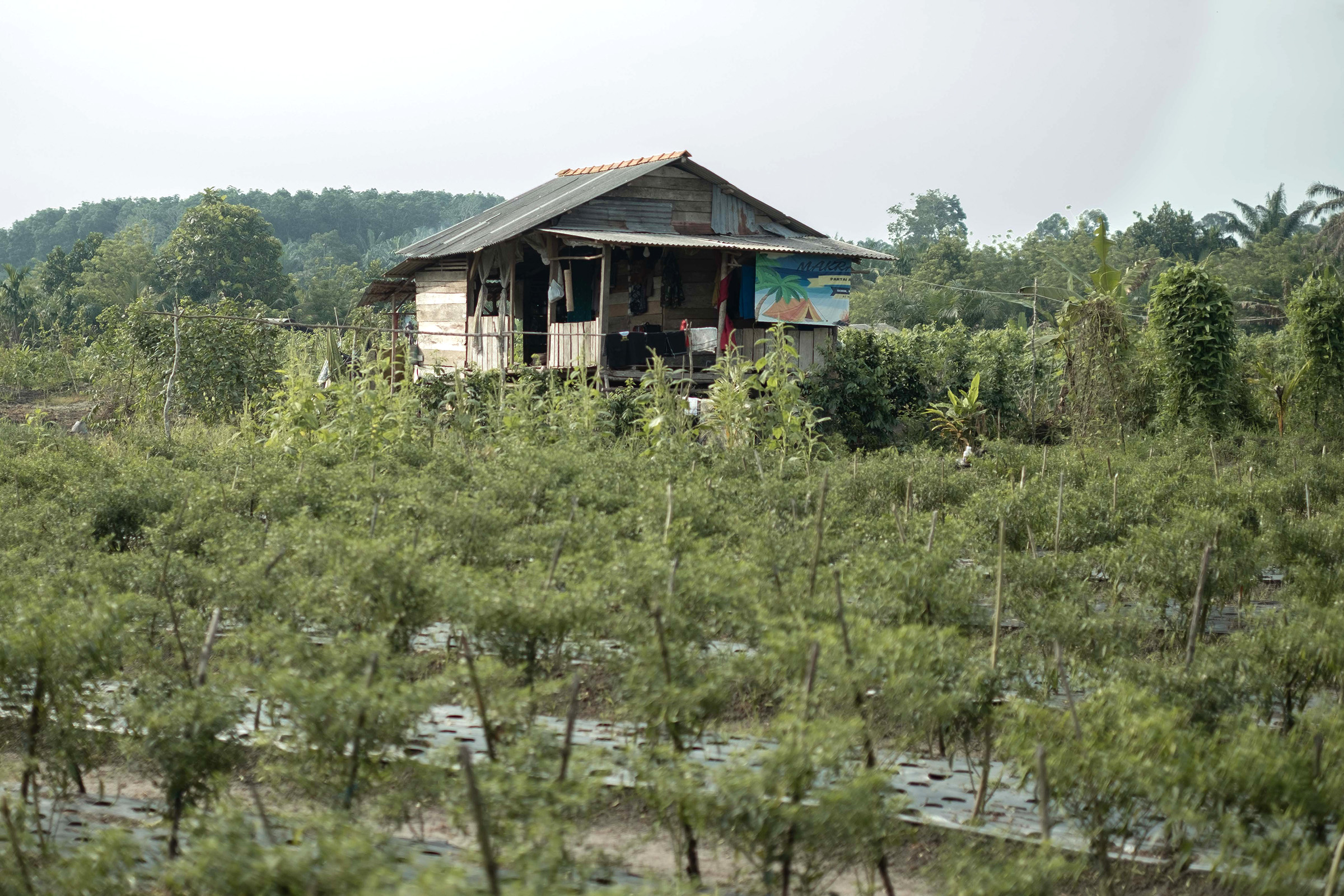
Amidst this regional decline in food production, Desa Balun Ijuk has emerged as the primary supplier of fresh produce for the province. Located in the Merawang District of Bangka Regency, the village accounts for a staggering portion of the region’s vegetable output. BPS data from 2026 indicates that approximately 60 percent of the province’s fruit and vegetable production originates from Bangka Regency, with Balun Ijuk serving as the central hub. In 2025, vegetable production in Bangka Regency reached 10,225.73 tons, dwarfing other regencies where production levels remained below 2,000 tons.
The success of Balun Ijuk is rooted in a unique historical exchange of knowledge. Usman Ali, a 58-year-old local farmer, recounts that the village’s intensive farming techniques were adopted from ethnic Chinese farmers. In the late 1980s and early 1990s, local residents who worked as laborers for Chinese farmers began to apply the techniques they learned—such as the use of plastic mulch, the creation of raised soil beds (gundukan), and intensive crop maintenance—to their own land.
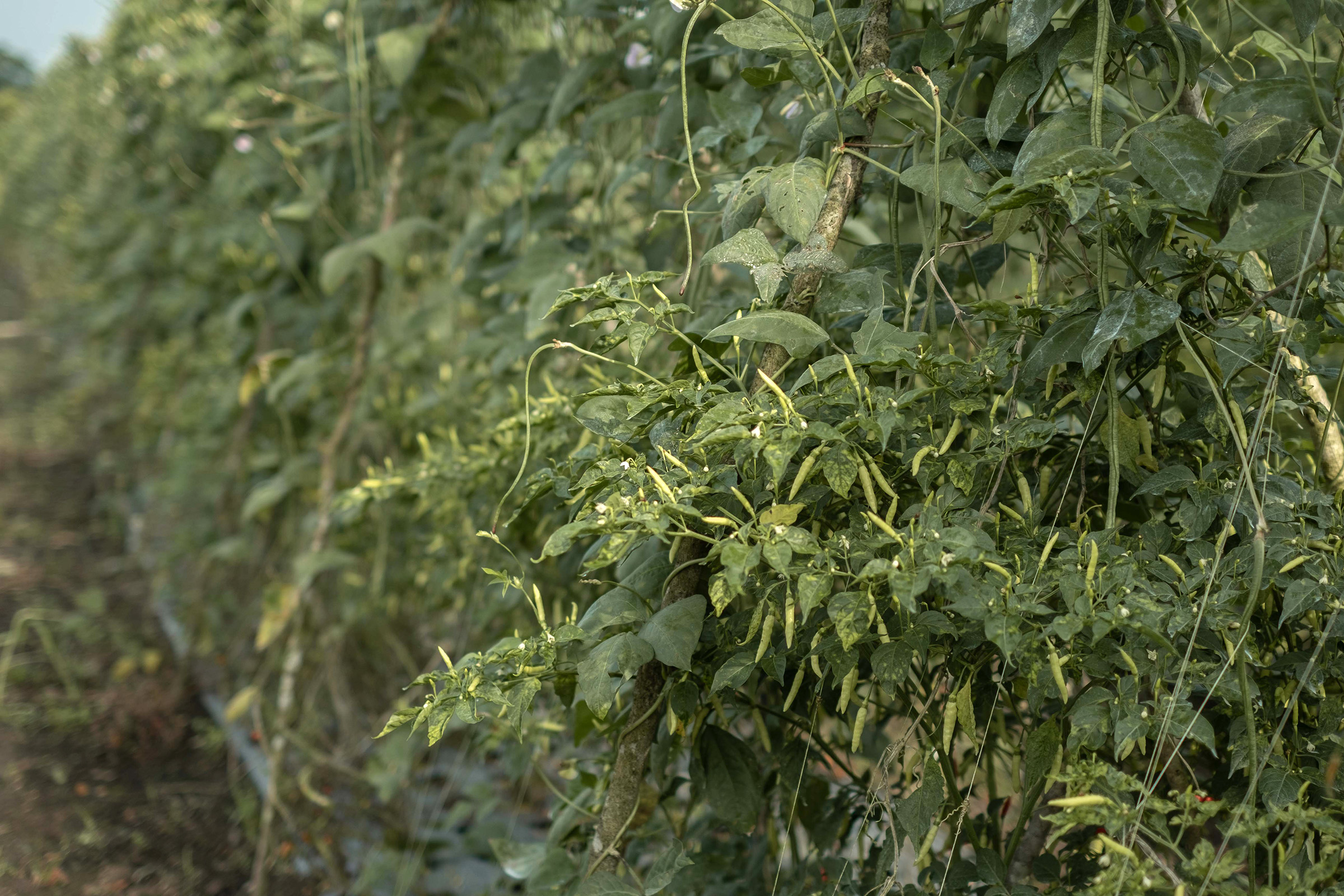
By the year 2000, these practices had spread throughout the village. Today, nearly half of Balun Ijuk’s 2,260 hectares are dedicated to horticulture. Farmers grow a diverse array of crops, including mustard greens (sawi), lettuce, tomatoes, chilies, shallots, and beans, as well as fruits like avocado, watermelon, and melon. Usman Ali explains that a single harvest can yield up to one ton of vegetables, with farm-gate prices ranging between 3,000 and 5,000 rupiah per kilogram. The village’s proximity to Pangkalpinang, the provincial capital, further enhances its economic viability by reducing transportation costs and allowing farmers to sell directly to consumers.
The Fragility of Food Security in Bangka Belitung
Despite the success of Balun Ijuk, the broader provincial outlook remains precarious. A 2025 study by Rizki Putra and Rahmani, titled "Building a Sustainable Food Security Index in the Bangka Belitung Islands Province," highlights a dangerous imbalance. While the province scores well in terms of market accessibility and consumption patterns, it is extremely vulnerable in terms of production and availability.
The province’s food availability index stands at a lowly 28.48. This vulnerability stems from the fact that vast swathes of the region, particularly in Belitung, Central Bangka, and East Belitung, have almost entirely abandoned food crops in favor of palm oil, rubber, and mining. This geographic specialization means that any disruption in supply chains from outside the island—such as bad weather affecting sea transport—could lead to immediate food shortages and price spikes. The study, published in the Journal of Accounting and Finance Management, warns that the dominance of non-food commodities has left the province’s food security in a "fragile" state.
Sociological Shifts and the Loss of Social Cohesion
The transition from traditional ume farming to industrial plantations has had profound social implications. Fitri Ramdhani Harahap, a sociologist from the University of Bangka Belitung, argues that the shift to palm oil has altered the way communities interact with their land and each other.
In the past, the ume system required constant presence and collective labor. Families would spend the entire day in the fields, weeding, tilling, and eating together. This fostered a deep connection to the land and reinforced social bonds within the family and the village. Conversely, palm oil is often managed through a system of "passive farming." Owners often hire laborers for fertilizing and harvesting, visiting the plots only occasionally. "The interaction with the garden has become minimal," Harahap explains. "It is no longer a space for social interaction or food provision; it has been reduced purely to an economic asset."
This "commodification of the landscape" has contributed to the decline of home gardens and the loss of local plant varieties. When the garden is seen only as a source of cash, the incentive to plant a variety of vegetables for personal consumption disappears, forcing families to buy basic necessities from the market—necessities that are often imported and more expensive.
Reviving Tradition as a Strategy for the Future
As the risks of over-reliance on mining and monoculture become more apparent, there is a growing call to revive the spirit of the ume and behume traditions. Herry Marta Saputra suggests that the diversification strategies seen in Balun Ijuk should be replicated across the province. By utilizing polyculture or intercropping systems—where multiple types of vegetables are grown alongside each other—farmers can ensure a steady daily income while waiting for major harvests.
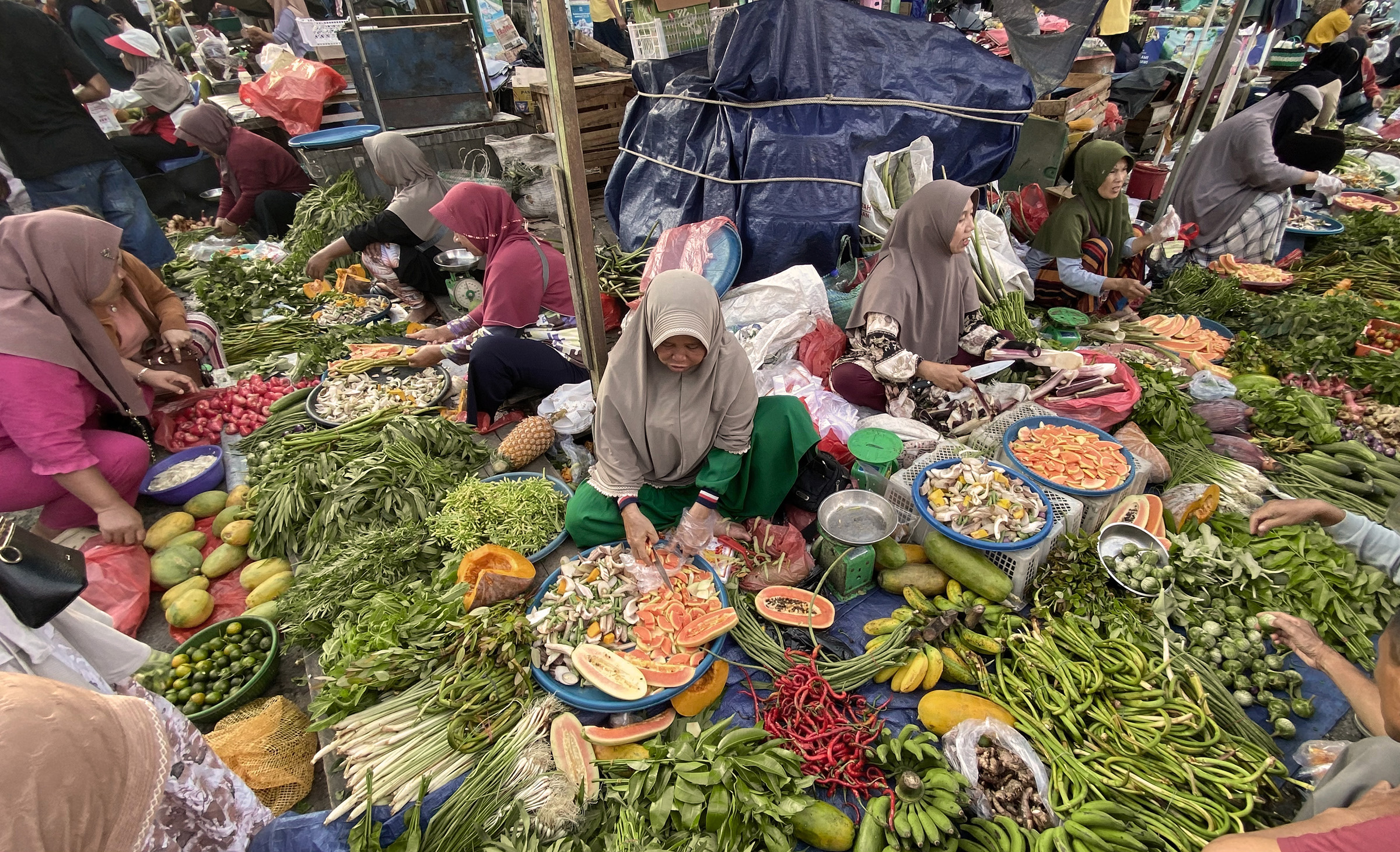
Usman Ali and other farmers in Balun Ijuk are already leading by example. They continue to plant traditional spices and herbs like galangal, turmeric, and idat leaves in the margins of their commercial plots. There is also a renewed interest in returning to upland rice cultivation (padi ladang) on a small scale to ensure that at least the family’s basic grain needs are met without relying on the market.
The provincial government and academic institutions are being urged to support this transition by providing better irrigation, seeds, and technical training. Experts argue that restoring food sovereignty is not merely a matter of agricultural policy but a necessity for regional stability. In an era of climate change and global economic uncertainty, the ability of a region to feed itself is its most valuable asset.
The story of Bangka Belitung is a cautionary tale of how rapid industrialization and mineral wealth can erode long-standing traditions of self-sufficiency. However, the resilience of Balun Ijuk proves that with the right combination of traditional wisdom and modern technique, it is possible to maintain a thriving agricultural sector even in the shadow of a mining boom. Reviving the culture of planting is no longer just about preserving the ingredients for lempah darat; it is about ensuring the survival and sovereignty of the Bangka Belitung people in the decades to come.