Azin Asro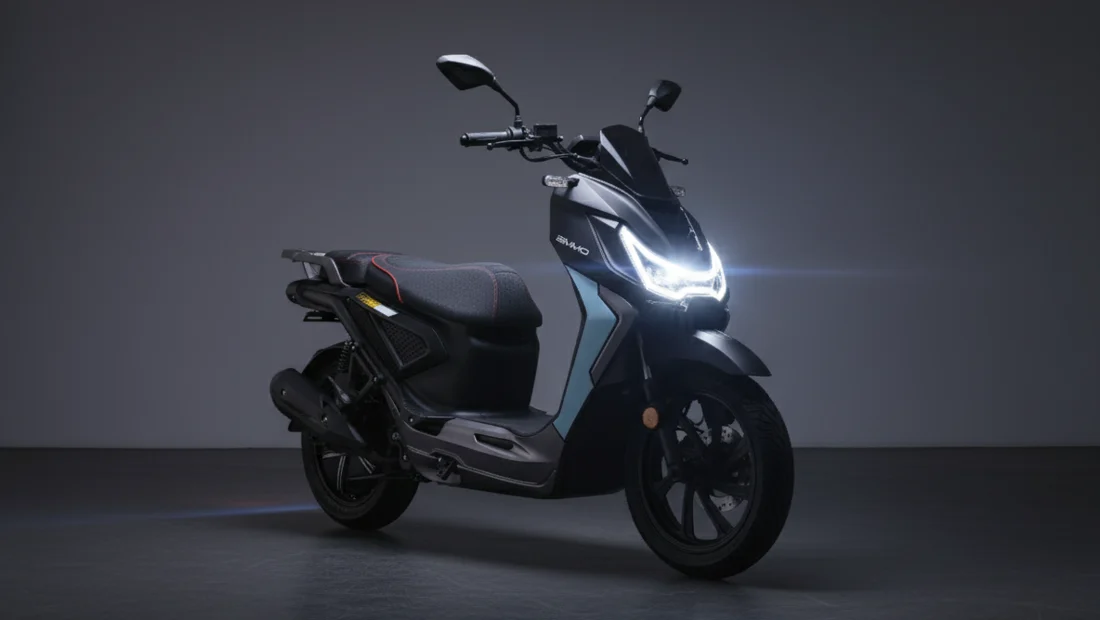
The National Nutrition Agency (Badan Gizi Nasional or BGN) has finalized a significant procurement agreement for 25,000 units of EMMO electric motorcycles to support the logistical backbone of the Free Nutritious Meal (Makan Bergizi Gratis or MBG) program. While the move aligns with the Indonesian government’s broader mandate to transition toward sustainable energy and reduce carbon emissions, the decision has ignited a firestorm of scrutiny from automotive experts, public policy observers, and industry stakeholders. The central point of contention lies in the apparent lack of physical infrastructure and after-sales support provided by the manufacturer, EMMO, which reportedly operates with a severely limited presence in the Indonesian market despite the massive scale of the contract.
The Free Nutritious Meal program, a flagship initiative of the incoming administration, aims to provide daily healthy meals to millions of students, pregnant women, and toddlers across the Indonesian archipelago. To facilitate the distribution of these meals, especially in remote or difficult-to-reach areas, the BGN requires a robust and reliable fleet of transport vehicles. However, investigations into the selected provider, EMMO, have revealed that the company currently maintains only a single dealership in Indonesia, located in the Grogol area of West Jakarta. Reports indicate that this facility is not yet fully operational, with its showroom remaining largely empty and lacking the comprehensive workshop facilities necessary to maintain a fleet of tens of thousands of vehicles.
The Scope and Scale of the Procurement
The procurement project is valued at approximately IDR 1.2 trillion, a staggering sum for a relatively new player in the Indonesian electric vehicle (EV) market. According to the National Nutrition Agency, these 25,000 electric motorcycles are intended to be deployed to Service Units for Nutrition (Satuan Pelayanan Pemenuhan Gizi or SPPG) nationwide. The logistical challenge of the MBG program is unprecedented, requiring daily, time-sensitive deliveries to thousands of locations, ranging from urban centers to the "3T" regions (frontier, outermost, and remote areas).
The choice of an electric trail bike model for this mission was intended to address the rugged terrain often encountered in rural Indonesia. However, the sheer volume of the order—estimated by some experts to involve over 21,800 active operational units in the field—demands a level of operational reliability that critics argue EMMO may not be able to provide. In a project where the delivery of perishable food is the primary objective, any vehicle downtime could lead to significant waste and the failure of the program’s core mission to alleviate malnutrition.
Infrastructure Deficits and the Risk of "Downtime"
Automotive industry observers have raised red flags regarding the long-term viability of using a brand with virtually no after-sales network. Yannes Pasaribu, an automotive expert from the Bandung Institute of Technology (ITB), emphasized that for a project of this magnitude, the "3S" factor—Sales, Service, and Spare Parts—is non-negotiable.
"For a Rp 1.2 trillion project involving over 21,000 operational units across Indonesia, factors such as long-term reliability, spare parts availability, and after-sales service are absolutely crucial," Pasaribu stated. He warned that without an established network of service centers, the risk of "downtime"—the period during which a vehicle is non-functional—becomes unacceptably high. Unlike established local or international brands that have spent years building hundreds of service points across the country, EMMO is a brand that only entered the scene around 2021 and has yet to demonstrate a proven track record in large-scale fleet management.
The concern is particularly acute for units deployed outside of Java. If a motorcycle breaks down in a remote district in Kalimantan or Papua, the absence of local technicians trained in EMMO’s specific battery management systems and drivetrains could render the vehicle useless for weeks or even months. This logistical bottleneck threatens to turn the government’s investment into a "fleet of paperweights" if maintenance issues are not addressed before the nationwide rollout.
Domestic Component Levels and Economic Impact
Another layer of the controversy involves the Domestic Component Level (Tingkat Komponen Dalam Negeri or TKDN) of the EMMO motorcycles. Current data suggests that EMMO’s products have a TKDN of approximately 48.5%. While this figure meets the legal threshold for inclusion in the government’s electronic catalog (e-Katalog) managed by the National Public Procurement Agency (LKPP), it is significantly lower than that of several other domestic EV manufacturers.
Critics argue that a government project funded by the state budget (APBN) should prioritize brands with higher TKDN to maximize the "multiplier effect" on the local economy. A higher TKDN usually signifies that a larger portion of the manufacturing process, from raw materials to assembly, happens within Indonesia, thereby creating more local jobs and supporting the domestic industrial ecosystem. By choosing a brand with a TKDN just under 50%, the government is seen by some as missing an opportunity to further bolster the national automotive industry, especially when more established local brands offer products with higher domestic content and better-developed service networks.
Ergonomics and Cultural Suitability
Beyond the technical and financial aspects, the physical design of the motorcycles has also come under fire. The BGN has opted for electric trail bikes, a category typically characterized by high ground clearance, stiff suspension, and a tall seat height designed for off-road maneuvering. While Pasaribu acknowledges that trail bikes are functionally superior for the rough terrain of 3T regions, he points out a significant ergonomic and cultural mismatch.

The MBG program is expected to involve a large number of local community members, including women and mothers (often referred to as Ibu-Ibu), in the preparation and distribution of meals. "From the perspective of ergonomics, comfort, and cultural suitability, the trail bike is less than ideal," Pasaribu noted. "This is particularly true for female riders or mothers wearing traditional attire or Muslim clothing, who are generally more accustomed to small, low-step-through scooters or mopeds."
The high center of gravity and the physical effort required to mount and balance a trail bike, especially when loaded with heavy food containers, could present safety risks for drivers who are not experienced off-road riders. This raises questions about whether the BGN conducted a thorough field assessment of the personnel who will actually be operating these vehicles on a daily basis.
The Broader Context: The Makan Bergizi Gratis Initiative
To understand the stakes of this procurement, one must look at the sheer scale of the Free Nutritious Meal program. The initiative is designed to reach approximately 82.9 million recipients, including students from preschool to high school, as well as those in Islamic boarding schools (pesantren). The budget allocated for this program is immense, with the government projecting an annual expenditure that could eventually exceed IDR 400 trillion at full implementation.
The logistical component is the "make or break" factor for MBG. If the food does not reach the schools on time, or if the quality is compromised during transit due to vehicle failures, the program’s reputation and efficacy will suffer. The BGN was established specifically to streamline this process, and the procurement of a dedicated fleet was meant to ensure independence from third-party logistics providers. However, the decision to rely on a manufacturer with a single, unfinished showroom for 25,000 vehicles has led to accusations of poor due diligence.
Chronology and Procurement Process
The timeline of the EMMO deal has been relatively swift. The BGN, as a newly formed agency, moved quickly to secure assets for its pilot projects. The selection process relied on the LKPP e-Katalog, a digital platform designed to make government procurement more transparent and efficient. Because EMMO met the minimum TKDN requirements and offered a competitive price point within the catalog, they were legally eligible for the contract.
However, industry analysts point out that "legal eligibility" does not always equate to "operational suitability." In standard corporate fleet procurement, a "Proof of Concept" (PoC) and a thorough audit of the supplier’s service network are mandatory. It remains unclear to what extent the BGN verified EMMO’s capacity to service 25,000 bikes across thousands of islands.
Comparison with Industry Standards
In contrast to EMMO, other Indonesian EV players like Gesits, United E-Motor, Polytron, and Alva have spent years establishing "3S" networks. These brands have partnered with existing dealer chains or built their own specialized centers in major cities across Java, Sumatra, and Bali. For example, some established brands have over 50 to 100 service points nationwide.
The decision by the BGN to bypass these established players in favor of a brand with one unfinished location has left many wondering about the criteria used for the selection. While price may have been a factor, the "total cost of ownership"—which includes maintenance, repairs, and the cost of operational delays—may end up being much higher with a brand lacking a service footprint.
Implications for the Future of the MBG Program
As the first batches of EMMO motorcycles begin to roll out, all eyes will be on their performance in the field. If the vehicles prove reliable and EMMO manages to rapidly scale its service network through partnerships or mobile service units, the BGN’s gamble may pay off. However, the current reality presents a significant risk.
The success of the Free Nutritious Meal program is a cornerstone of the national development agenda. Any failure in its delivery mechanism could have political and social repercussions. For the BGN, the immediate challenge will be to ensure that EMMO provides a concrete roadmap for after-sales support that matches the geographical spread of the SPPG units. Without such a plan, the 25,000 electric motorcycles—intended to be a symbol of a modern, healthy, and green Indonesia—could instead become a cautionary tale of procurement oversight.
The Indonesian public and automotive experts continue to call for transparency regarding how these 25,000 units will be maintained. As the government pushes for 100% EV adoption in its operational fleets, the EMMO case serves as a critical reminder that a vehicle is only as good as the network that keeps it running. For now, the "ghost showroom" in Grogol remains a stark symbol of the gap between ambitious policy goals and the practical realities of national-scale logistics.