Nila Kartika Wati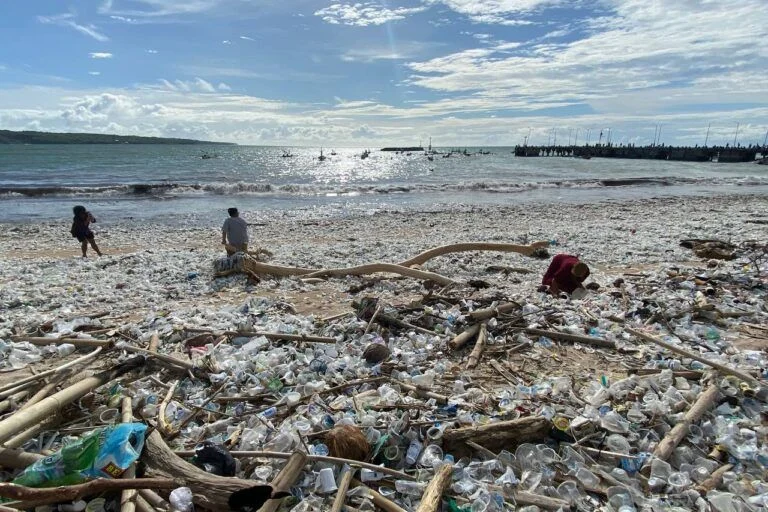
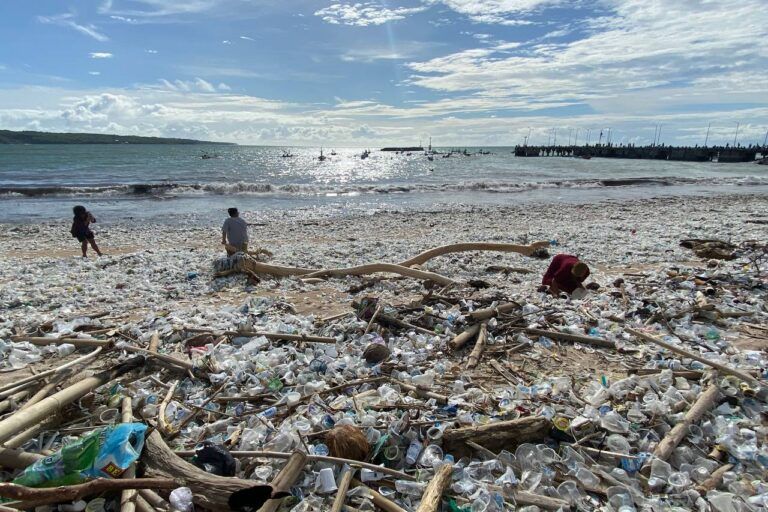
The crisis of plastic pollution has officially transcended the visible boundaries of coastlines and ocean surfaces, penetrating the most remote and least understood regions of the planet. Recent scientific findings from the National Research and Innovation Agency (BRIN) and IPB University have confirmed that microplastics—plastic particles measuring less than five millimeters—have descended into Indonesia’s deep-sea environments, reaching depths between 200 and 2,450 meters. This discovery marks a grim milestone in environmental degradation, suggesting that the "out of sight, out of mind" nature of deep-sea pollution is masking a systemic collapse of marine biological processes and the global carbon cycle.
Muhammad Reza Cordova, a leading marine pollution expert at BRIN, notes that the presence of microplastics in Indonesia’s deep-sea trenches is not a new phenomenon but one that has only recently been quantified with precision. The first significant evidence surfaced during a 2015 research expedition off the western coast of Sumatra. At that time, despite limited technological resources, researchers identified synthetic polymers resting on the seabed, far removed from the urban centers where they originated. Since then, the scope of the contamination has only widened, revealing a complex mechanism of transport that bridges the gap between human consumption and the abyssal zone.
The Mechanism of Descent: From Surface to Abyss
The journey of a plastic particle from a discarded garment or a single-use bottle to the deep ocean floor is governed by a phenomenon known as "marine snow." Under normal ecological conditions, marine snow is a continuous shower of organic detritus—consisting of dead plant and animal matter, fecal pellets, and inorganic minerals—that falls from the sunlit upper layers of the ocean to the dark, nutrient-poor depths. This process is the primary source of energy for deep-sea ecosystems.
However, microplastics have successfully hijacked this biological elevator. Because these particles are non-polar and possess high surface tension, they easily adhere to organic aggregates. As microplastics bond with bacteria, algae, and other organic materials, the combined mass becomes heavier and sinks more rapidly. Reza Cordova explains that this accumulation does more than just transport trash; it fundamentally alters the physics of the ocean. The presence of microplastics disrupts the natural aggregation of organic matter, interferes with the remineralization process, and reduces the efficiency of long-term carbon storage. When plastic replaces organic matter in these aggregates, the "nutritional value" of the falling snow decreases, effectively starving the organisms that rely on it.
The Indonesian Throughflow: A Global Conveyor of Pollution
The geographic positioning of the Indonesian archipelago plays a critical role in the distribution of these pollutants. Indonesia sits at the heart of the Indonesian Throughflow (Arlindo), a massive system of currents that transports water from the Pacific Ocean to the Indian Ocean through narrow straits such as the Makassar, Alas, and Lombok Straits.
Research led by Corry Yanti Manullang, head of the Deep Sea Environmental Dynamics Research Group at BRIN, has confirmed that this current system acts as a high-speed conveyor belt for microplastics. In a collaborative study involving researchers from Malaysia, the United States, and China, Manullang’s team identified microplastics at a staggering depth of 2,450 meters within the Arlindo pathway.
The analysis revealed that over 90 percent of the particles found at these depths were fibers. These are primarily derived from synthetic textiles, such as polyester, polypropylene, and polyurethane. Every time synthetic clothing is washed, thousands of microscopic fibers are released into wastewater systems, eventually finding their way into the open ocean. Because the Arlindo is a primary artery for global ocean circulation, the microplastics trapped in these currents are not just an Indonesian problem; they are redistributed across the Indian and Pacific Oceans, affecting the territorial waters of numerous other nations.
Biological Impacts: A Distorted Food Web
The deep sea is home to a specialized array of microfauna, including foraminifera, copepods, and nematodes. These organisms are the foundation of the deep-sea food web, yet they lack the evolutionary mechanisms to distinguish between nutritious organic particles and toxic microplastics. When these organisms ingest plastic, they suffer from physical blockages, internal abrasions, and physiological stress.
The danger, however, does not stop at the microscopic level. Through a process known as biomagnification, these plastics move up the food chain. Small crustaceans are eaten by larger fish, which are then consumed by apex predators such as whales, sharks, and eventually, humans. Reza Cordova warns that microplastics act as "Trojan horses" for chemical pollutants. Due to their chemical properties, microplastics attract and absorb persistent organic pollutants (POPs) and heavy metals from the surrounding water.
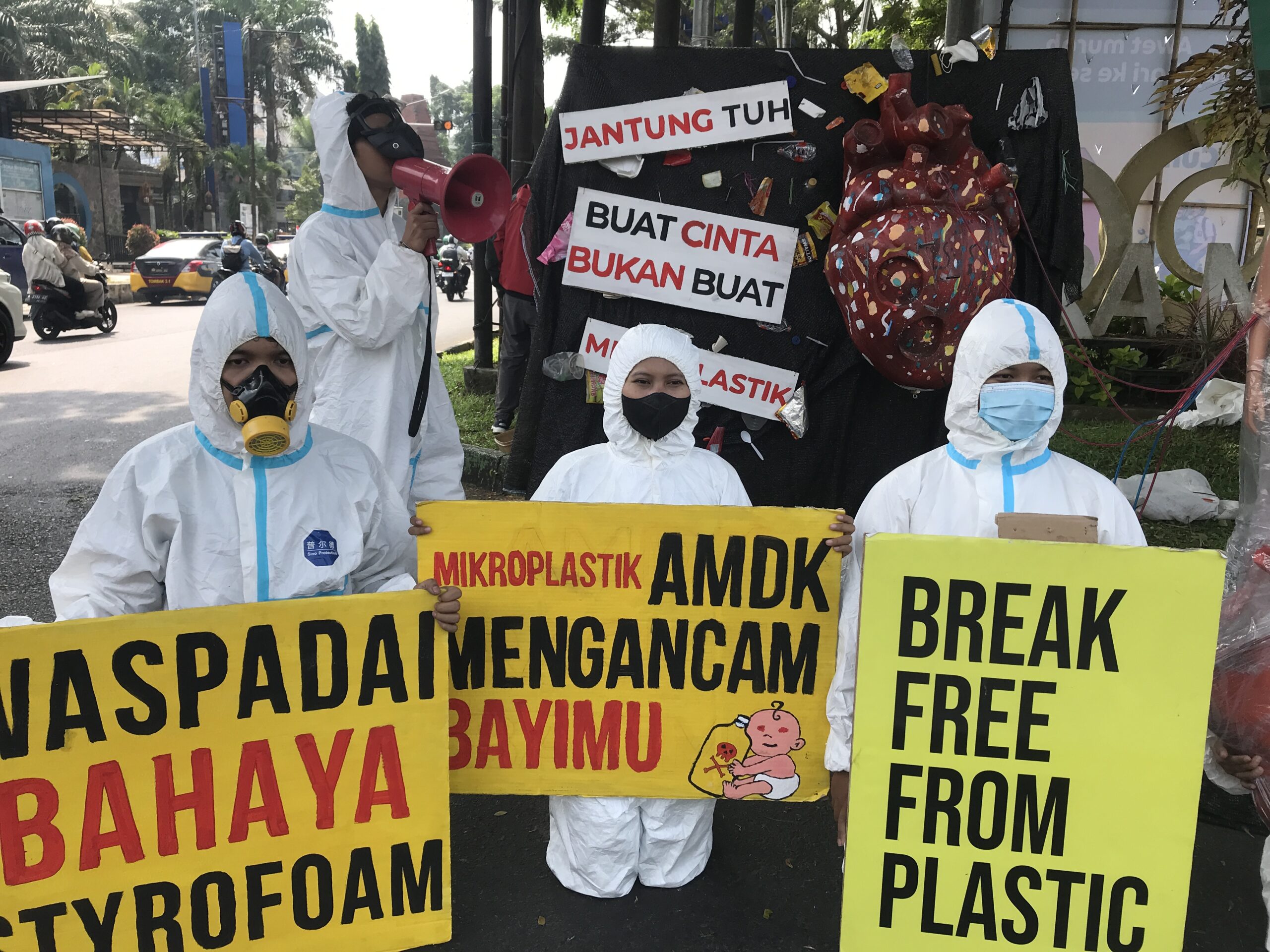
"Microplastics can carry hazardous materials such as heavy metals and endocrine disruptors that accumulate on the seabed," Cordova stated. These chemicals can leach into the tissues of marine life, causing reproductive failure, developmental deformities, and increased mortality rates. Furthermore, the phenomenon of "upwelling"—where cold, nutrient-rich water from the deep rises to the surface—can bring these contaminated particles and their associated toxins back into coastal fisheries, directly threatening human food security.
The Silent Witness: Barnacles and Bio-indicators
One of the most compelling pieces of evidence for deep-sea contamination comes from the study of barnacles attached to mooring buoys. These invertebrates are stationary filter-feeders, meaning they spend their entire lives in one spot, pumping seawater through their bodies to capture plankton. Because they cannot move to avoid polluted areas, they serve as perfect biological indicators of water quality.
Laboratory analysis of barnacles collected from Indonesian waters revealed that approximately one-third of the specimens contained microplastic fibers within their digestive systems. "The fact that these stationary organisms are riddled with plastic shows how pervasive the issue has become," Cordova noted. If even the most basic organisms at the bottom of the ecological ladder are being saturated with synthetic polymers, the integrity of the entire marine ecosystem is in jeopardy.
Disruption of the Global Carbon Pump
Perhaps the most alarming implication of deep-sea microplastic pollution is its impact on climate change mitigation. The ocean is the world’s largest carbon sink, and the "biological carbon pump" is the mechanism that allows it to absorb atmospheric CO2. Phytoplankton at the surface capture carbon through photosynthesis; when they die or are eaten and excreted, that carbon sinks to the seafloor where it is buried for centuries.
Professor Etty Riani, an expert in ecotoxicology at IPB University, explains that microplastics are throwing this delicate system out of balance. When microplastics coat phytoplankton, they reduce light penetration, thereby inhibiting photosynthesis and reducing the amount of carbon these organisms can absorb.
Furthermore, microplastics alter the density of fecal pellets and organic aggregates. If the "marine snow" becomes too light due to the inclusion of buoyant plastic fragments, it sinks more slowly or remains suspended in the upper water column. This allows for faster decomposition by bacteria in the warmer surface waters, which releases the captured carbon back into the atmosphere as CO2 rather than sequestering it in the deep ocean. "Microplastics make the marine snow lighter and more difficult to sink, meaning carbon is released before it ever reaches the seabed," Riani explained. This effectively turns a vital carbon sink into a potential source of greenhouse gases.
The Role of Waste Management and Industry
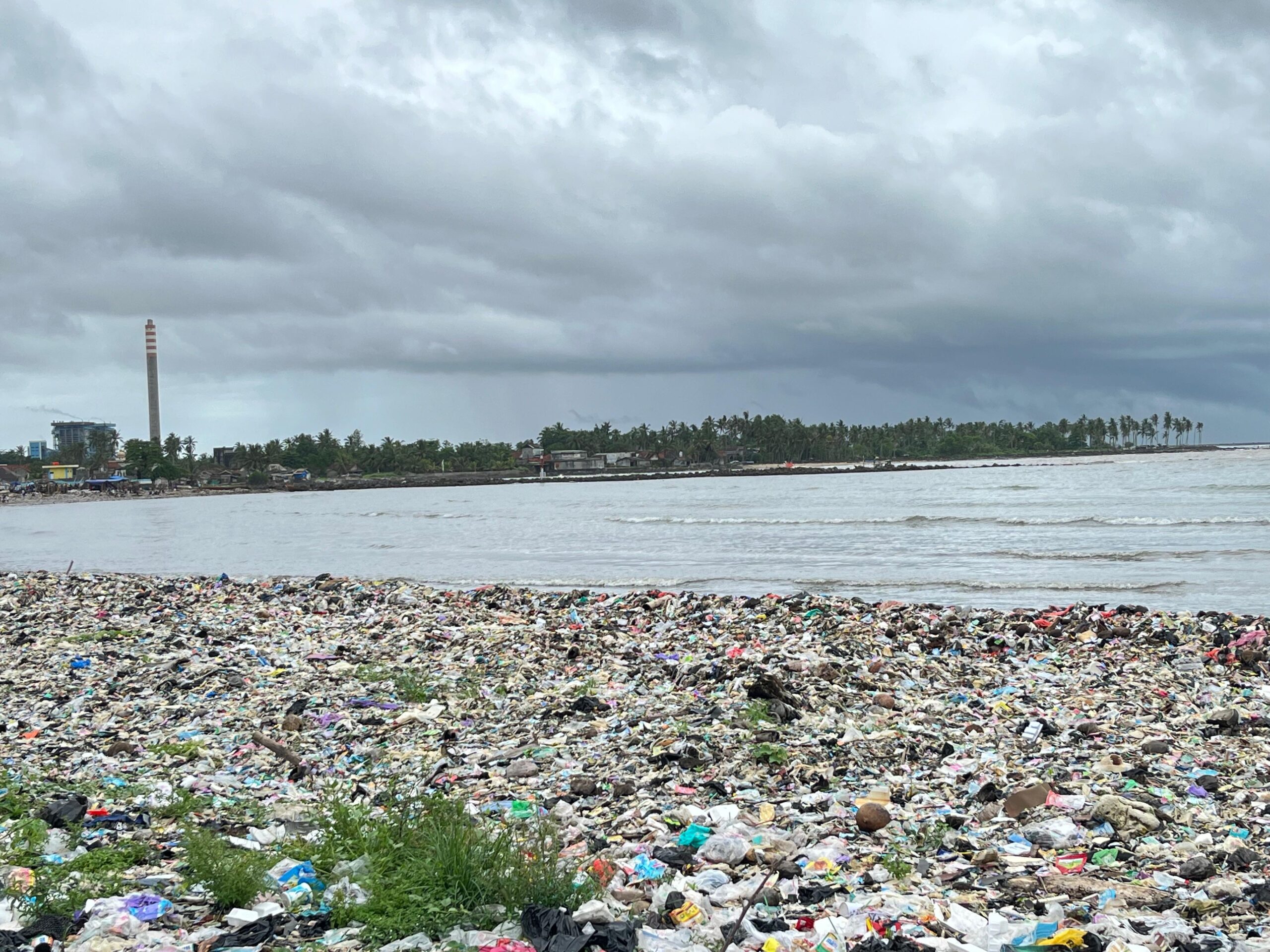
The source of this deep-sea plague is rooted in terrestrial failures. Indonesia is frequently cited as one of the world’s largest contributors to marine plastic debris, a result of rapid industrialization coupled with underdeveloped waste management infrastructure. The research highlights three primary culprits:
- Synthetic Textiles: The fashion industry’s reliance on polyester and nylon results in a constant shedding of microfibers that escape filtration systems.
- Single-Use Plastics: Degradation of larger debris—bottles, bags, and packaging—into secondary microplastics.
- Medical and Personal Care Waste: The surge in discarded face masks during the COVID-19 pandemic and the use of "microbeads" in cosmetics have added new layers of complexity to the pollution profile.
Professor Riani emphasized that the chemical pollution aspect is particularly dangerous because plastic is often treated with additives to make it flexible or flame-retardant. Once in the ocean, these additives can swap places with other toxic substances like mercury or lead, turning each plastic fragment into a concentrated pill of poison.
Strategic Implications and the Path Forward
The findings from BRIN and IPB University serve as a call to action for both national and international policy makers. Because Indonesia’s waters are a nexus for global currents, the country’s plastic waste management is a matter of international ecological security.
Experts suggest a multi-pronged approach to mitigate the crisis. First, there must be a drastic reduction in the production of primary microplastics, such as the microbeads found in exfoliating soaps and detergents. Second, the textile industry must be held accountable for the lifecycle of synthetic garments, perhaps through the mandatory installation of high-efficiency micro-filters in industrial and domestic washing machines.
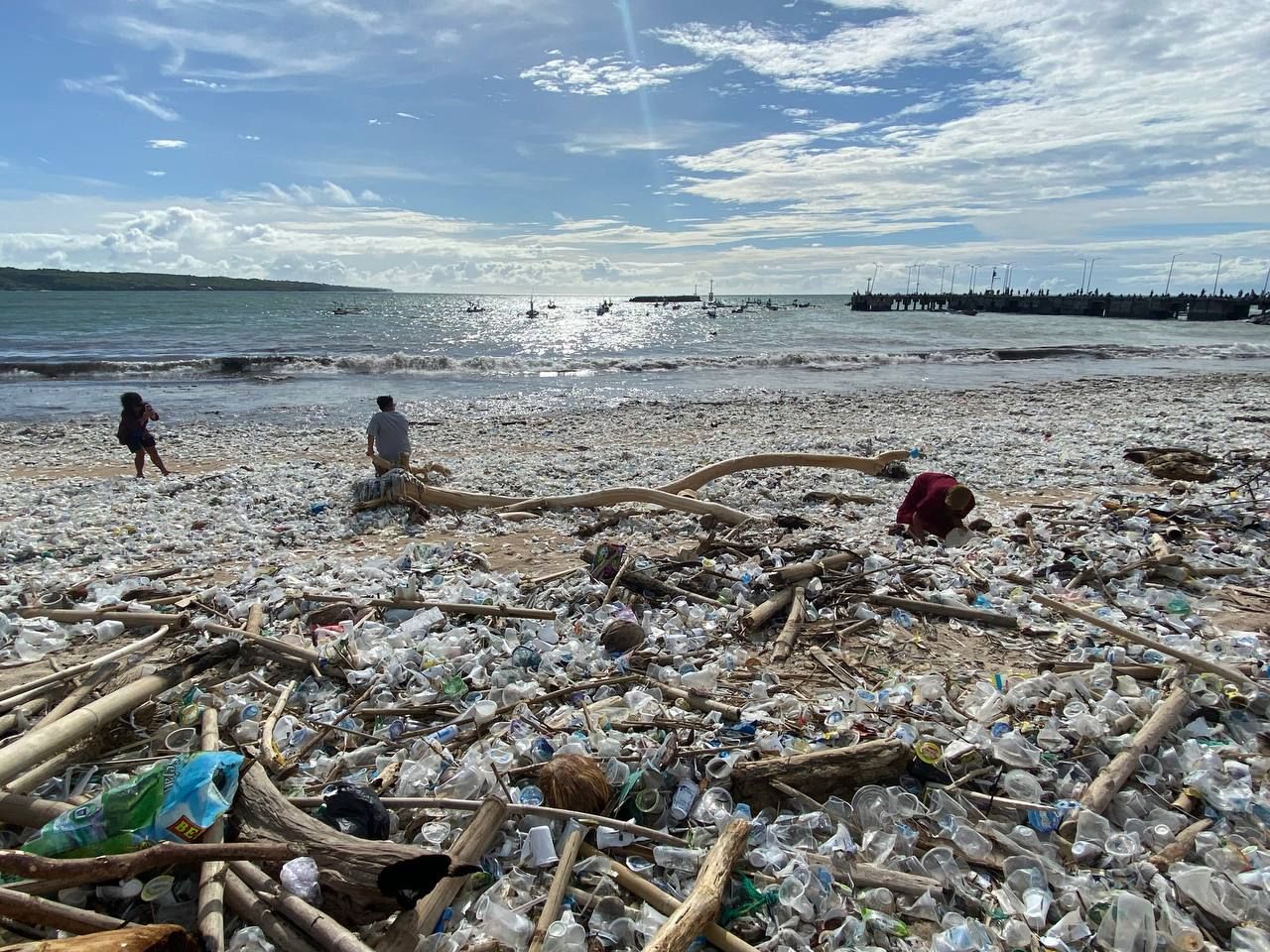
On a local level, improving riverine waste collection is paramount, as most plastic enters the ocean through Indonesia’s vast river networks. Educational campaigns are also vital to shift consumer behavior away from the "disposable culture" that fuels the crisis.
The deep sea was once thought to be a pristine sanctuary, shielded from the excesses of human activity by kilometers of water. However, the data now confirms that the abyss has become a landfill for the microscopic remnants of modern life. As microplastics continue to accumulate in the deep, the long-term consequences for marine biodiversity, the global food chain, and the stability of the Earth’s climate remain a profound and urgent concern for the scientific community. Without immediate intervention, the very biological systems that sustain life on Earth may be permanently altered by a substance that was designed to last forever, but was only used for a moment.