Nila Kartika Wati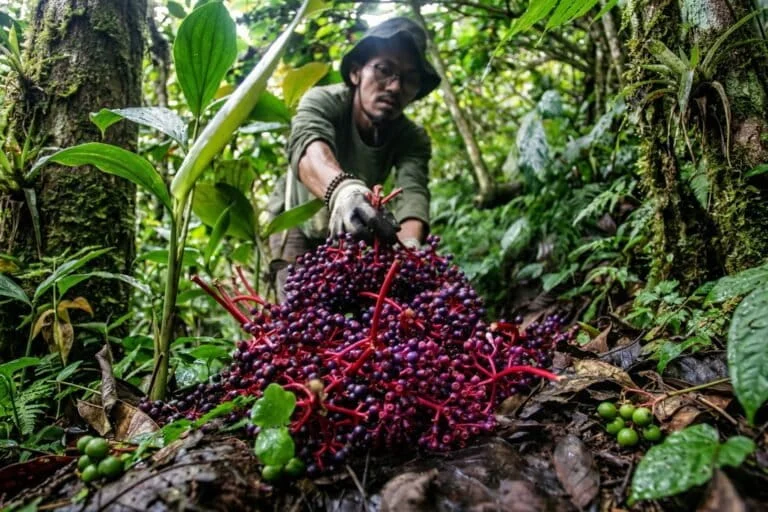
Standing as the final natural fortress on the northern coast of Java, Mount Muria represents a critical ecological sanctuary that anchors the region’s environmental stability and biological diversity. This dormant volcanic complex, which straddles the boundaries of the Kudus, Jepara, and Pati regencies, is far more than a geographical landmark; it is a vital "water tower" and a biological ark for some of the planet’s most endangered species. From the elusive Javan leopard to newly discovered endemic reptiles, the Muria ecosystem encapsulates a prehistoric legacy that transitioned from an isolated island to a mainland peninsula over millennia. Today, however, this bastion of biodiversity faces an unprecedented convergence of threats, ranging from aggressive land conversion to the systemic pressures of global climate change.
The Geological and Historical Context of the Muria Peninsula
To understand the ecological significance of Mount Muria, one must look back at the geological history of the Muria Strait. Until approximately the 17th or 18th century, Mount Muria was physically separated from mainland Java by a shallow sea passage known as the Muria Strait. This body of water served as a vital maritime route for traders, connecting the Java Sea to the inland ports of the Majapahit and Demak empires. Over centuries, heavy sedimentation from the Serang, Lusi, and Juwana rivers gradually filled the strait, eventually fusing the island of Muria with the mainland.
This unique evolutionary history has resulted in a "sky island" effect, where species on the mountain evolved in relative isolation before being reconnected to the broader Javan landscape. This isolation is a primary reason why Mount Muria hosts such a high degree of endemism. The mountain reaches an elevation of approximately 1,602 meters at its highest peak, Puncak Songolikur, providing a variety of microclimates—from lowland tropical forests to montane cloud forests—that support a complex web of life.
A Sanctuary for Apex Predators and New Discoveries
Mount Muria remains one of the last viable habitats for the Javan leopard (Panthera pardus melas), a critically endangered subspecies and the last remaining large feline on the island following the extinction of the Javan tiger. Conservationists estimate that the fragmented forests of Muria house a significant sub-population of these leopards. As an apex predator, the presence of the leopard is a litmus test for the health of the entire ecosystem; their survival depends on a robust population of prey species, such as barking deer (Muntiacus muntjak) and wild boar, as well as expansive, undisturbed forest corridors.
Beyond the charismatic megafauna, Mount Muria continues to yield scientific surprises. In recent years, researchers have identified new species within its rugged terrain, including the Muria rock gecko (Cnemaspis muria). This discovery underscores the fact that much of the mountain’s biodiversity remains undocumented. The rock gecko, specialized for life on the mossy boulders and ancient volcanic outcrops of the mountain, represents the intricate specialization that occurs within Muria’s unique habitats. The loss of even a small patch of primary forest could mean the extinction of species that science has yet to even name.
Botanical Heritage: Parijoto and the Legacy of Muria Coffee
The flora of Mount Muria is equally significant, blending ecological utility with deep cultural roots. The parijoto plant (Medinilla speciosa) is perhaps the most iconic botanical symbol of the region. Known for its vibrant purple berries, parijoto thrives in the cool, humid air of the mountain’s higher elevations. Locally, it is more than just a wild shrub; it is a cultural staple often associated with the legacy of Sunan Muria, one of the Wali Songo (nine saints) of Islam in Java. Pilgrims and locals believe the fruit carries blessings, particularly for pregnant women, creating a unique intersection between forest conservation and spiritual heritage.
Complementing the wild flora is the long-standing tradition of Muria coffee. Introduced during the colonial era, coffee plantations have become a permanent fixture of the mountain’s landscape. The volcanic soil, rich in nutrients and minerals, produces beans with a distinct flavor profile that has gained international recognition. While coffee represents a vital economic lifeline for thousands of families in the surrounding regencies, it also presents a management challenge. The balance between maintaining productive plantations and preserving the surrounding natural forest is a central theme in the modern struggle for Muria’s future.
The Impact of Land Conversion and Climate Change
Despite its status as a critical conservation area, Mount Muria is under siege from human activity. Data from satellite imagery and environmental monitoring groups indicate a steady decline in primary forest cover over the last two decades. The drivers of this deforestation are multifaceted: the expansion of seasonal agriculture, illegal logging, and the encroachment of residential settlements as the population in the lowlands grows.
Land conversion on the slopes of Muria has immediate and devastating consequences for the surrounding regencies. The mountain serves as the primary catchment area for the region’s groundwater. As forests are replaced by open fields, the soil’s ability to absorb rainwater diminishes. This has led to an increase in the frequency and severity of flash floods in the lowlands of Kudus and Pati during the monsoon season, while simultaneously causing water shortages during the dry season as mountain springs dry up.
Furthermore, the specter of climate change has begun to alter the delicate balance of the Muria ecosystem. Local farmers report that shifting rainfall patterns have disrupted the flowering cycles of coffee and parijoto, leading to unpredictable yields and increased vulnerability to pests. At higher elevations, the rising temperatures threaten to push montane species further up the mountain, eventually leaving them with no habitat left to occupy—a phenomenon ecologists call the "escalator to extinction."
Chronology of Environmental Advocacy and Policy
The fight to protect Mount Muria has evolved over several decades, marked by both grassroots activism and shifts in government policy:
- Late 20th Century: Recognition of Muria as a vital "Protected Forest" (Hutan Lindung) under the jurisdiction of Perum Perhutani, the state-owned forestry enterprise.
- Early 2000s: Proposals for the construction of a nuclear power plant (PLTN) on the Muria peninsula sparked massive local and national protests. Environmentalists argued that the volcanic instability and ecological sensitivity of the site made it unsuitable.
- 2010–2015: A surge in community-led conservation efforts. Local groups began reforestation projects, focusing on planting endemic species and stabilizing slopes prone to landslides.
- 2018–Present: Increased focus on the Javan leopard. International and local NGOs have stepped up monitoring efforts using camera traps, confirming that the leopard population is still breeding despite habitat fragmentation.
- Recent Developments: The discovery of new species like the rock gecko has intensified calls for parts of Mount Muria to be designated as a National Park or a high-value conservation area to provide stricter legal protections against land conversion.
Stakeholder Perspectives: The Struggle for Harmony
The management of Mount Muria involves a complex array of stakeholders, each with competing interests. Government officials from the Natural Resources Conservation Agency (BKSDA) emphasize the need for strict enforcement of conservation laws to protect endangered fauna. However, they acknowledge the difficulty of policing such a vast and rugged terrain with limited personnel.
On the other hand, local community leaders argue that conservation cannot be successful without addressing the economic needs of the people. "The forest is our mother," says a local coffee farmer from the village of Colo. "If the forest dies, the water dies, and our coffee dies. But we also need space to grow our food and support our children." This sentiment has led to the rise of Social Forestry (Perhutanan Sosial) programs, where communities are given the right to manage forest land sustainably, combining coffee cultivation with the planting of shade trees and the protection of wildlife corridors.
Environmental analysts point out that the survival of Muria depends on a holistic approach. It is not enough to protect the peaks; the entire watershed must be managed as a single unit. This requires unprecedented cooperation between the regencies of Kudus, Jepara, and Pati, which have historically operated with differing priorities regarding land use and economic development.
Analysis of Implications: A Future on the Edge
The fate of Mount Muria is a microcosm of the broader environmental challenges facing the island of Java. As the most densely populated island in the world, Java’s remaining natural spaces are under immense pressure. If the Muria ecosystem collapses, the loss will not merely be biological. The disappearance of the Javan leopard or the extinction of the parijoto plant would represent a permanent severing of the region’s natural and cultural identity.
From a pragmatic standpoint, the degradation of Mount Muria poses a direct threat to the regional economy. The "water tower" of Muria supports the massive textile and tobacco industries in Kudus, as well as the extensive rice paddies of Pati and the furniture industry in Jepara. Without the ecological services provided by the mountain’s forests, the cost of water purification and disaster management will skyrocket, placing a heavy burden on the state and the citizenry.
Protecting Muria is therefore an act of regional security. It requires a transition from exploitative land use to a regenerative model that values the forest for its standing benefits rather than its extracted timber. This includes investing in eco-tourism that highlights the mountain’s spiritual and biological riches, providing incentives for sustainable coffee farming, and establishing a permanent, well-funded monitoring system for the Javan leopard.
Conclusion: Saving the Ancient Island
Mount Muria stands today as a testament to resilience—a former island that became a mountain, a site of ancient spirituality that became a modern economic engine, and a wild sanctuary that persists in the heart of a bustling industrial region. The challenges it faces are a reflection of the global struggle to balance human progress with ecological limits.
Protecting this "bastion of the north" is a moral and practical imperative. It means honoring the ancient geological forces that created the peninsula and ensuring that the roar of the Javan leopard continues to echo through its ravines. By safeguarding the Muria ecosystem, Indonesia can demonstrate that even in the most crowded landscapes, it is possible to maintain a harmony between nature and humanity, securing a legacy that is as enduring as the volcanic rock of the mountain itself. The future of Muria is not just about trees and animals; it is about the very air, water, and identity of the millions who live in its shadow.