
 Lina Irawan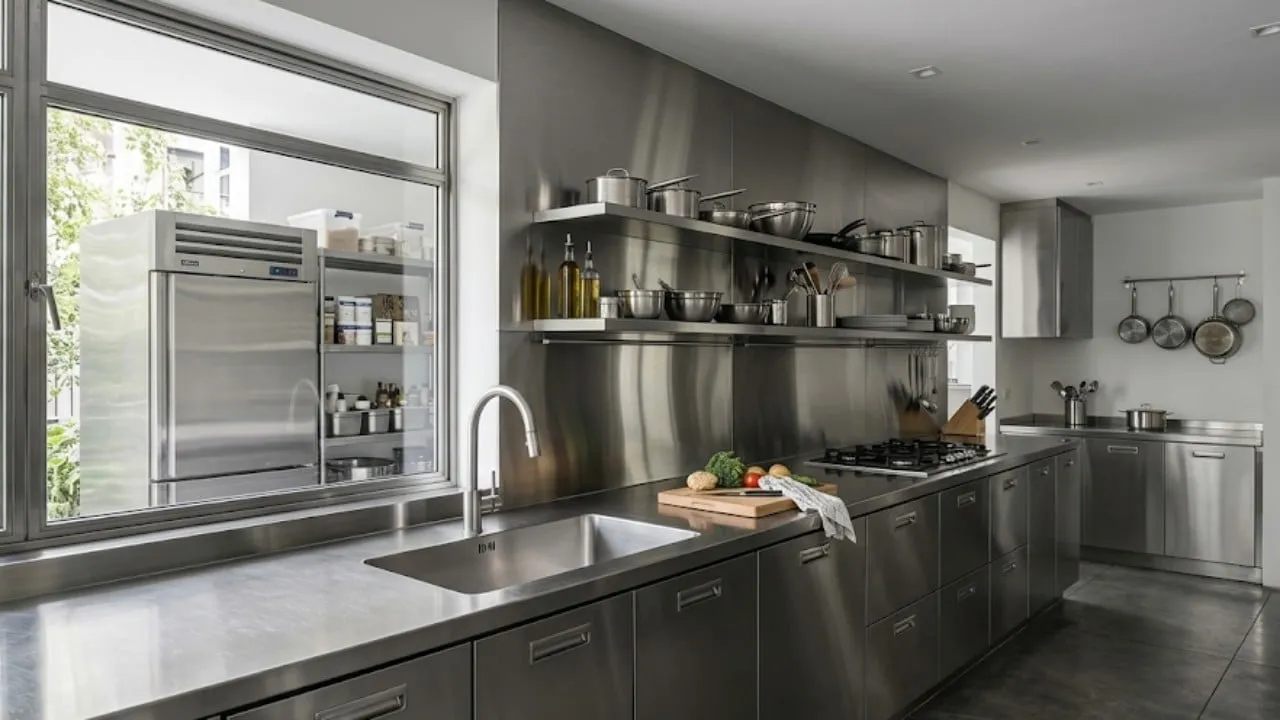
InteriorDesign.ID – The choice of kitchen cabinetry profoundly impacts both the functionality and longevity of a home’s culinary heart. As modern homeowners increasingly prioritize durability, hygiene, and sustainable living, stainless steel kitchen sets are emerging as a superior solution, offering unparalleled resilience and a surprisingly versatile aesthetic. This robust material stands in stark contrast to traditional wood-based cabinetry, which often succumbs to the rigors of daily use in humid environments.
The Paradigm Shift: Moving Beyond Traditional Wood Cabinetry
For decades, wood and its engineered counterparts like plywood, blockboard, and particle board dominated kitchen design. While offering warmth and traditional aesthetics, these materials harbor inherent vulnerabilities that lead to frequent maintenance and premature replacement, especially in tropical climates. The primary adversaries for wood in the kitchen are moisture, pests, and the inevitable wear and tear of intense cooking.
Even minor leaks from a sink pipe can initiate rapid decay in wooden structures. The pervasive threat of termites (rayap) often goes unnoticed until significant structural damage has occurred, silently compromising the integrity of cabinets from within. Furthermore, the constant exposure to steam from boiling water and cooking fumes causes wood veneers to warp, delaminate, and peel over time. Spills of acidic liquids, oil splatters, and food dyes penetrate the porous surfaces of wood, creating stubborn stains and breeding grounds for bacteria. This cycle of repair and replacement not only incurs recurring costs but also disrupts household routines, leading many to seek more resilient alternatives. Industry data suggests that wooden kitchen cabinets in high-humidity regions typically require significant overhaul or replacement every 7 to 10 years, a cycle that becomes both financially and logistically burdensome.

Stainless Steel: A Fortress in the Heart of the Home
Stainless steel, by its very nature, addresses nearly all the shortcomings of traditional materials. Its non-porous surface is impervious to water, making it immune to rot, mold, and bacterial absorption. Unlike wood, it is entirely resistant to termites and other pests, eliminating a significant source of household frustration and expense. Furthermore, stainless steel boasts exceptional fire resistance, a critical safety advantage in a space where open flames and high temperatures are commonplace.
The ease of cleaning is another paramount benefit. Spills, grease, and food residues simply wipe away without penetrating the surface, ensuring a consistently hygienic environment. This characteristic is particularly vital in a kitchen, where food safety and cleanliness are non-negotiable. For kitchens that endure intensive daily cooking, stainless steel offers a lifespan measured in decades, often exceeding 20 years, without degradation in structural integrity or appearance. This remarkable longevity transforms the kitchen from a recurring expense into a long-term investment.
Beyond the Industrial Aesthetic: Crafting Sophisticated Stainless Steel Kitchens
A common apprehension regarding stainless steel in residential settings is the fear of creating a cold, clinical, or industrial aesthetic, reminiscent of commercial kitchens or medical facilities. However, advancements in material processing and design philosophy have completely revolutionized this perception. Modern stainless steel kitchens are far from monotonous; they are highly customizable and can exude warmth, luxury, and contemporary elegance.

Design professionals emphasize that achieving a sophisticated look with stainless steel doesn’t necessitate shiny, reflective surfaces. Instead, a thoughtful combination of specialized finishes and complementary materials can soften its inherent character, integrating it seamlessly into diverse interior styles.
Finishing Options for Enhanced Aesthetics:
- Hairline Finish: This popular finish features fine, unidirectional parallel lines on the surface, creating a subtle texture. It is adept at camouflaging minor scratches and fingerprints that inevitably occur with daily use, making it highly practical. The diffused light reflection also reduces glare, contributing to a softer visual presence.
- Brushed Finish: Similar to the hairline finish but with shorter, more pronounced abrasive lines, the brushed finish offers a slightly more matte or satin appearance. It provides a tactile quality that adds depth and sophistication, moving away from the stark reflectivity often associated with raw metal.
- Sandblast Finish: Achieved by blasting the stainless steel surface with abrasive particles under high pressure, this finish creates a uniform, non-directional matte texture. It imparts a raw yet refined aesthetic, ideal for minimalist or industrial-chic designs where a subdued, tactile surface is desired. This finish also significantly reduces the visibility of smudges and fingerprints.
PVD Coating: A Spectrum of Color and Durability:
For those seeking to depart from the traditional silver hue of stainless steel, Physical Vapor Deposition (PVD) coating offers a revolutionary solution. PVD is not merely a paint application; it’s a advanced process where color particles are molecularly bonded to the metal’s microscopic pores. This results in an incredibly durable, chip-resistant, and fade-proof finish that retains all the inherent properties of stainless steel. The expanding palette of PVD colors includes sophisticated options like matte black, elegant rose gold, and rich bronze. Matte black, in particular, has seen a surge in popularity, offering a bold, contemporary statement that lends a dramatic and defined character to kitchen spaces.
Harmonizing with Natural Elements:

To infuse warmth and a relaxed ambiance, stainless steel is frequently combined with organic materials. Rarely is an entire kitchen fabricated solely from metal. Instead, designers often utilize stainless steel for the internal framework, cabinet bodies, and drawer boxes, capitalizing on its structural integrity and pest resistance. The visible door and drawer fronts can then be clad in materials like wood panels, veneers, or even natural stone. This approach ensures the critical structural components are robust and pest-free, while the exterior presents a natural, inviting aesthetic.
For countertops, pairing metal cabinets with premium surfaces like Sintered Stone or Quartz offers a refined contrast. The intricate veining and rich textures of these engineered stones, juxtaposed with the sleekness of stainless steel, create a highly polished and cohesive look. This thoughtful integration of materials allows for endless design possibilities, transforming a potentially utilitarian space into a luxurious and inviting kitchen.
Technical Specifications: Ensuring Quality and Performance
The superior performance of a stainless steel kitchen set hinges critically on the adherence to specific technical standards. Overlooking these details can lead to compromised durability and aesthetic issues.
Grade Selection for Optimal Performance:

Stainless steel is not a monolithic material; it comes in various grades, each with a distinct chemical composition and corresponding properties.
- Grade 201: This grade has a lower nickel content and is the most economical. While it offers some corrosion resistance, it is prone to rusting when frequently exposed to acidic vapors and high humidity. It is generally unsuitable for the demanding environment of a kitchen.
- Grade 304: Considered the industry standard for residential kitchen sets, Grade 304 stainless steel offers excellent resistance to corrosive liquids, food acids, and daily water splashes. Its balanced composition of chromium and nickel provides superior durability and longevity, making it the recommended choice for most home applications.
- Grade 316: This premium grade contains molybdenum, enhancing its resistance to chlorides and extreme saline environments. While exceptionally durable, it is often considered overkill and prohibitively expensive for standard home use, unless the property is located directly on a highly corrosive coastline.
Plate Thickness: The Foundation of Durability:
The thickness of the stainless steel plates significantly impacts the structural integrity and resistance to denting. Thin plates (e.g., 0.6 mm) are prone to denting from impacts, such as dropping a pot, and can exhibit a wavy, uneven surface that detracts from the overall finish. Reputable manufacturers advise:
- Internal Body: A minimum plate thickness of 0.8 mm for internal cabinet structures.
- External Panels and Work Surfaces: A thickness of 1.0 mm to 1.2 mm is recommended for doors, drawer fronts, and countertops. Thicker plates not only enhance resistance to impact but also facilitate cleaner, more precise welding, leading to a superior finish.
Noise Reduction: Engineering for Comfort:
One common complaint about metal cabinetry is the resonant, often clanging sound produced when doors are closed or heavy cookware is placed on surfaces. However, leading manufacturers employ sophisticated techniques to mitigate this. High-quality stainless steel cabinets are typically insulated with sound-dampening materials. These can include honeycomb aluminum panels or dense polyurethane foam injected into the hollow spaces of doors and panels. These inserts absorb vibrations, resulting in a solid, muted sound upon impact, akin to the feel of a quality wooden cabinet.

Hardware and Hinges: Crucial for Longevity:
The inherent weight of stainless steel panels necessitates robust hardware. Unlike wood, which can be subtly adjusted on-site, metal fabrication requires meticulous precision, with panels often laser-cut and press-bent. Therefore, heavy-duty hinges and drawer slides are indispensable. These components must be rated to support significant loads, typically up to 50 kilograms, to ensure smooth operation and prevent premature wear. Furthermore, the inclusion of hydraulic soft-close mechanisms is essential. These systems ensure that doors and drawers close gently and silently, preventing abrupt impacts that could stress the frame or cause premature damage.
Maintenance and Hygiene: Keeping Your Stainless Steel Kitchen Pristine
Maintaining a stainless steel kitchen is remarkably straightforward, contributing to its appeal for busy households. The non-porous surface ensures that food residues, oils, and bacteria cannot penetrate, making cleaning highly effective. A simple wipe with a microfiber cloth and a mild dishwashing liquid is usually sufficient to restore its pristine condition. Unlike natural stone countertops or wooden cabinets that may require periodic sealing or specialized treatments, stainless steel maintains its integrity with minimal effort.
However, certain practices are recommended to preserve its appearance:

- Directional Cleaning: For hairline or brushed finishes, always wipe along the grain of the texture. This helps to maintain the finish’s uniformity and prevent streaking.
- Avoid Abrasives: Harsh scrubbing pads, steel wool, or coarse sponges can scratch the surface, leaving permanent marks.
- Steer Clear of Chlorine: Cleaners containing chlorine, such as bleach or some floor cleaners, can react negatively with the chromium in stainless steel, leading to irreversible white spots or pitting. A standard dish soap solution is more than adequate for daily cleaning.
- Fingerprint Solutions: While stainless steel is prone to showing fingerprints and smudges due to natural oils from hands, opting for a hairline or sandblast finish can significantly reduce their visibility. Additionally, some manufacturers offer specialized anti-fingerprint coatings that provide an extra layer of protection.
Long-Term Investment and Property Value
While the initial cost of a Grade 304 stainless steel kitchen set can be two to three times higher than conventional multiplex cabinetry, its long-term economic benefits are compelling. When viewed over a 15 to 20-year horizon, the investment pays dividends. As traditional wooden cabinets in humid climates often require significant renovation or replacement every 7 to 10 years due to moisture damage and pest infestations, the cumulative costs of repairs, replacements, and associated labor can quickly surpass the initial outlay for stainless steel. A stainless steel kitchen is essentially a "install once, enjoy for decades" solution, eliminating ongoing maintenance and disruption.
Furthermore, a high-quality stainless steel kitchen significantly enhances a property’s resale value. Prospective buyers are increasingly savvy about material quality and durability. A kitchen free from the risks of pests, rot, and constant upkeep signals a meticulously maintained home and a wise investment. Buyers are often willing to offer a higher price, recognizing that they will not need to undertake costly kitchen renovations in the foreseeable future. This makes stainless steel kitchens a strong selling point in a competitive real estate market.
Design Flexibility and Seamless Integration
Stainless steel offers exceptional design flexibility, adapting effortlessly to diverse kitchen layouts—whether a linear arrangement, an L-shape, or a central island. For minimalist island designs, the inherent strength of a steel frame can support expansive countertops without requiring numerous supporting legs, creating a clean, open aesthetic.

A notable advantage in terms of hygiene and design is the ability to achieve seamless welding for sinks integrated directly into the countertop (seamless welding). This eliminates the small crevices and grout lines that are common in traditional sink installations, which typically accumulate dirt, grime, and hard water stains. A seamless stainless steel surface is not only visually sleek but also significantly easier to clean and maintain, preventing the buildup of bacteria and unsightly residue.
Sustainability: An Eco-Friendly Choice
Beyond its practical benefits, stainless steel also boasts impressive environmental credentials. It is a material that is 100% recyclable, and its long lifespan significantly reduces the demand for new materials and the generation of waste. At the end of its decades-long service, stainless steel can be melted down and repurposed without any loss of quality, contributing to a circular economy. This makes it a responsible choice for environmentally conscious homeowners.
Addressing Common Concerns: An Integrated FAQ
- Electrical Safety (Shock Hazard): No, stainless steel cabinets are not a shock hazard, provided the electrical wiring in the home includes a proper grounding (arde) wire. In fact, steel cabinets often have additional grounding wires installed to enhance safety.
- Fingerprint Visibility: Yes, fingerprints and smudges from hand oils can be visible. However, selecting a hairline or sandblast finish helps to camouflage these marks, and some manufacturers offer anti-fingerprint coatings.
- Repainting Options: Traditional paint adheres poorly to metal surfaces and is prone to chipping. Alternatives include the durable PVD coating for a permanent color change or applying specialized, thick interior adhesive films for a temporary aesthetic update.
- Scratch Resistance (Knives): The surface can scratch if subjected to sharp objects like knives. It is essential to continue using cutting boards for food preparation to protect the countertop.
- Production Time: Stainless steel fabrication is more intricate than woodworking. The processes of cutting, bending, and welding in a specialized workshop typically require 4 to 8 weeks, depending on the complexity of the design and the manufacturer’s workload.
- Drawer Weight: While steel plates are heavier, high-quality, heavy-duty drawer slides (rated for 50 kg) and spring-loaded hinges ensure that drawers open and close smoothly, even when fully loaded.
- Outdoor Suitability: Stainless steel is an excellent material for semi-outdoor or outdoor kitchens due to its superior weather resistance. For areas exposed to direct rain or high salt content (e.g., coastal homes), upgrading to Grade 316 stainless steel is advisable for enhanced corrosion protection.
- Dent Resistance: With the recommended plate thickness (minimum 1.0 mm for external panels) and internal sound-dampening insulation, the doors and panels possess a solid structure. Ordinary impacts from pots or feet are unlikely to cause dents.
- Fire Safety: Stainless steel is non-combustible and has an exceptionally high melting point, making it far safer in a kitchen environment compared to particle board or other wood-based materials that can ignite and fuel fires.
- Recyclability: Stainless steel is 100% recyclable without any degradation in quality, making it an environmentally friendly choice that minimizes waste.
Conclusion

The shift towards stainless steel kitchen sets represents a thoughtful response to the demands of modern living. For homeowners weary of the persistent battles against pests, moisture damage, and constant repairs associated with traditional cabinetry, stainless steel offers a definitive solution. By understanding the critical specifications—such as opting for Grade 304 stainless steel, ensuring adequate plate thickness, integrating sound-dampening insulation, and investing in heavy-duty hardware—homeowners can create a kitchen that is not only visually stunning but also exceptionally durable and low-maintenance. Engaging with specialized metal fabrication workshops accustomed to residential projects, rather than generic industrial manufacturers, is crucial to achieving a refined finish. A well-designed and properly constructed stainless steel kitchen is a testament to quality, promising decades of reliable service and enduring value for any home.








