Nila Kartika Wati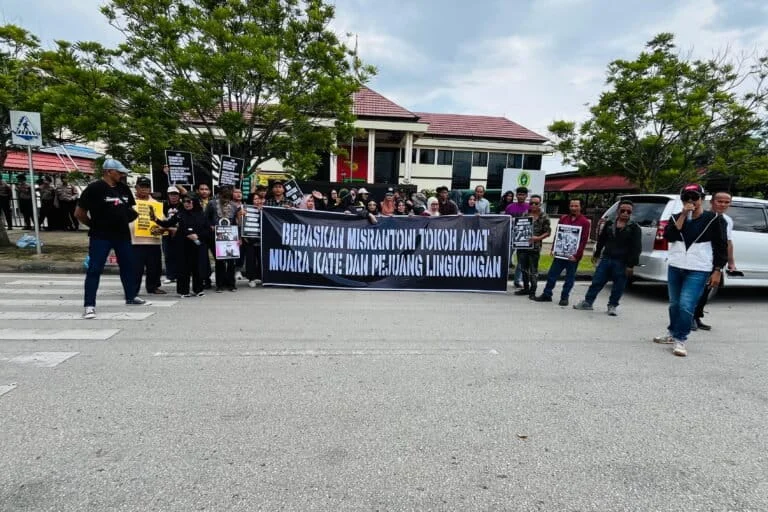
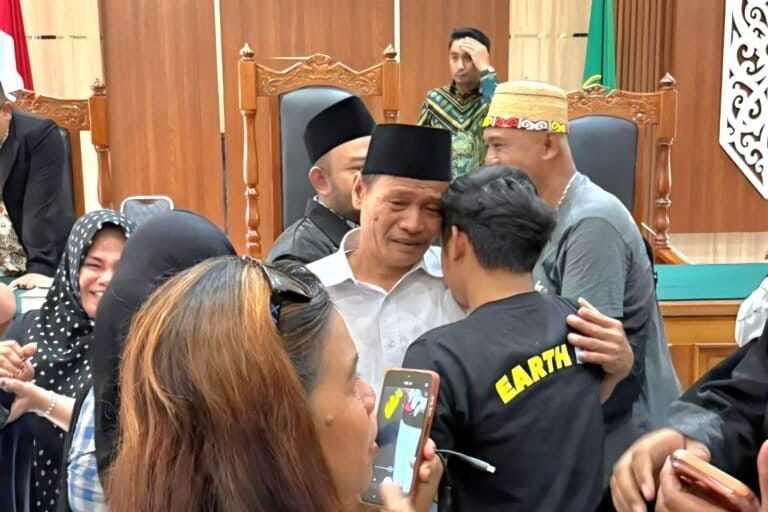
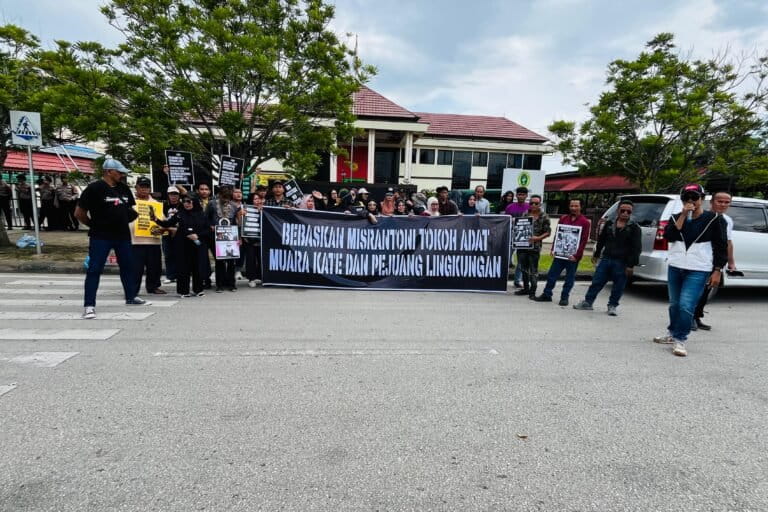
The Tanah Grogot District Court in Paser Regency, East Kalimantan, delivered a landmark verdict on April 16, 2026, acquitting environmental and indigenous rights defender Misran Toni, also known as Imis, of all charges related to a fatal assault at a coal-hauling protest post. The decision, met with emotional celebrations from hundreds of residents who had gathered since 9:00 a.m. to witness the proceedings, marks a significant turning point in a case that has drawn international attention to the criminalization of land defenders in Indonesia’s resource-rich provinces.
After nearly three hours of deliberation, the panel of judges ruled that the prosecution failed to provide "valid and convincing evidence" that the 53-year-old activist was involved in the November 2024 attack that resulted in the death of an indigenous elder. The court ordered his immediate release and the restoration of his rights and reputation. Misran Toni’s legal counsel, Abdul Hamid, hailed the decision as a triumph of judicial integrity, stating that the truth had finally surfaced after months of what he described as a fabricated legal pursuit.
Background of the Muara Kate Conflict
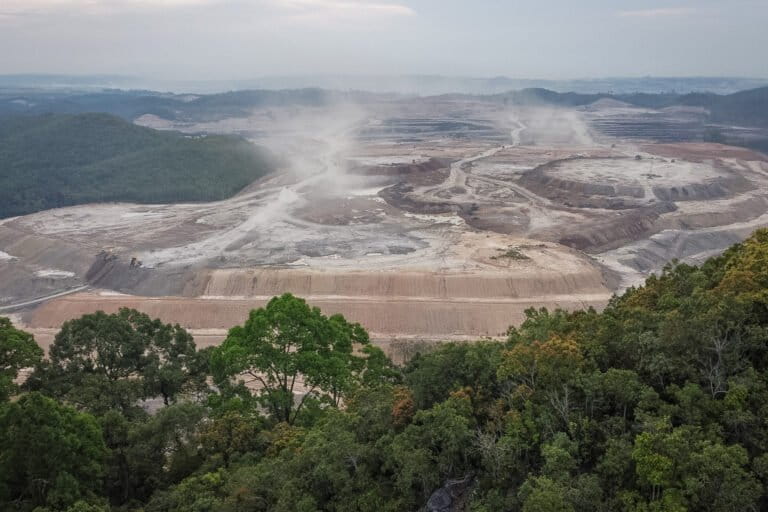
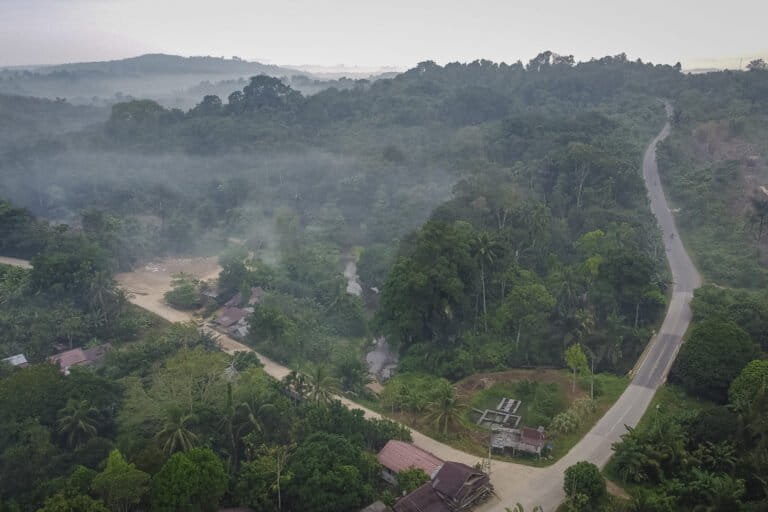
The roots of the case trace back to long-standing grievances in Muara Kate, a village in the Muara Komam District of Paser Regency. For years, the community has been locked in a struggle against the intensive use of public roads for coal hauling. Residents argued that the massive trucks, transporting coal from mines in East and South Kalimantan, posed a lethal threat to public safety, damaged infrastructure, and destroyed the local environment.
Following a series of fatal accidents involving coal trucks—including a high-profile incident that claimed the life of a local religious leader, Pendeta Pronika—the residents of Muara Kate established a "hauling rejection post" (posko penolakan) to monitor and block coal transport vehicles from using the village roads. Misran Toni emerged as one of the leading figures in this movement, advocating for the rights of the Dayak Deah indigenous community to a safe and healthy living environment.
On November 15, 2024, at approximately 4:00 a.m., this protest post was attacked by unidentified individuals. The assault resulted in the death of 60-year-old Russel, a respected indigenous figure, who suffered fatal neck wounds. Another resident, 55-year-old Anson, survived the attack but sustained severe injuries that required months of intensive medical care.
A Controversial Timeline and Allegations of Scapegoating
For eight months following the attack, the perpetrators remained at large, and the investigation appeared to stall. However, the political landscape shifted on June 14, 2025, when Vice President Gibran Rakabuming Raka visited Muara Kate to address local concerns. Exactly one month after this high-level visit, on July 15, 2025, the East Kalimantan Regional Police (Polda Kaltim) named Misran Toni as a suspect in the murder and assault.
The sudden arrest of a prominent community leader, despite a lack of forensic evidence linking him to the scene, sparked immediate outcries from civil society organizations. Herdiansyah Hamzah, a constitutional law expert from Mulawarman University, described the verdict as a "stinging slap" to law enforcement. He argued that the court’s decision effectively confirms that Toni was used as a "scapegoat" to satisfy political pressure for an arrest while shielding the actual masterminds.
"This was a misguided legal process," Hamzah, popularly known as Castro, stated following the verdict. "The acquittal raises a critical question: Who are the real killers? The authorities must now pivot their investigation toward the corporations that stood to benefit from the dismantling of the protest post."

Evidence of Obstruction of Justice
During the trial, the defense team highlighted numerous irregularities in the police investigation. Irfan Ghazy, a public lawyer from the Indonesian Legal Aid Foundation (YLBHI-LBH) Samarinda, revealed that the trial facts pointed toward "obstruction of justice." He noted that witness testimonies in the police investigation reports (BAP) appeared to be coerced or steered to fit a specific narrative.
"The inconsistencies were glaring," Ghazy explained. "Key witnesses frequently changed their statements, and there were strong indications that investigators used improper methods to force witnesses to implicate Misran Toni. The court’s decision to ignore these tainted testimonies was a crucial step in preventing a miscarriage of justice."
The defense also emphasized the "chilling effect" such prosecutions have on environmental activism. By targeting a leader like Toni, the state or interested private parties could effectively paralyze local resistance movements, creating a climate of fear among those who oppose extractive industries.
The Role of Amicus Curiae and Civil Society
The case saw an unprecedented level of support from the academic and advocacy communities. Two major organizations, the Indonesian Caucus for Academic Freedom (KIKA) and the Mining Advocacy Network (Jatam) East Kalimantan, submitted Amicus Curiae (Friend of the Court) briefs to the Tanah Grogot District Court. These documents provided the judges with a broader sociological and constitutional context, arguing that the case was not a simple criminal matter but a "structural conflict" between indigenous rights and extractive capital.
KIKA’s analysis suggested that the prosecution of Toni exhibited the hallmarks of "strategic lawsuits against public participation" (SLAPP). They argued that the 1945 Constitution and Article 66 of the Law on Environmental Protection and Management provide clear immunity: individuals fighting for a healthy environment cannot be prosecuted criminally or civilly.
Windy Pranata, Head of Advocacy for Jatam Kaltim, pointed out that the community had exhausted all formal channels before resorting to the protest post. "The residents had reported the hauling violations via social media and official complaints for years. They even met with the Governor of East Kalimantan in April 2025, who promised to revoke the company’s permits. Instead, the Governor later inaugurated the very hauling road the citizens were protesting. This is a betrayal of public trust."
Official Response and Potential for Appeal
In response to the acquittal, the East Kalimantan Regional Police Chief, Inspector General Endar Priantoro, stated that the police would respect the court’s decision while coordinating with the prosecution office. He indicated that the police are currently in a "wait-and-see" mode regarding whether the Public Prosecutor will file an appeal to the Supreme Court.
"This is now a matter for the prosecutor’s office," Priantoro told the media. "As this is a first-instance decision, there are legal avenues for the state to pursue. We will coordinate with them on the next steps." When questioned about whether the police would open a new investigation to find the actual killers of Russel, the Police Chief remained non-committal, suggesting that the current focus remains on the existing legal process involving Toni.
Broader Implications for Environmental Governance
The acquittal of Misran Toni is being viewed as a significant victory for the "Anti-SLAPP" movement in Indonesia. Legal analysts suggest that this case could serve as a precedent for other environmental defenders facing similar charges in regions dominated by mining and palm oil interests.

However, Jatam and other advocacy groups warn that the victory is incomplete as long as the "real masterminds" remain free. They are calling for an internal ethics investigation into the investigators who handled Toni’s case and a formal apology from the National Police to Toni’s family.
"This case was never just about one man; it was about the hijacking of state instruments for business interests," said Windy Pranata. "The release of Misran Toni is the first step. The second step is holding the coal corporations accountable for the conflict they brought to Muara Kate. We will continue to monitor this until the true perpetrators of the November 2024 attack are brought to justice."
As of late April 2026, the Muara Kate village remains a symbol of resistance. While the coal trucks continue to traverse the region, the community’s resolve has been bolstered by the court’s recognition of their leader’s innocence. The case stands as a reminder of the volatile intersection between indigenous land rights, corporate expansion, and the fragile state of judicial independence in Indonesia’s frontier provinces.