Azin Asro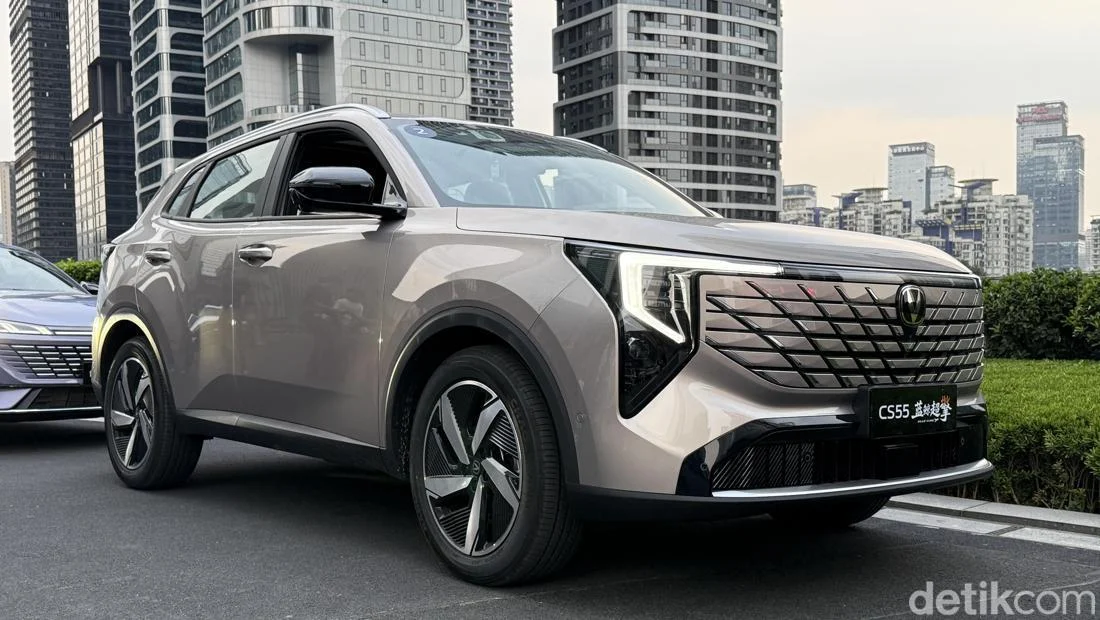
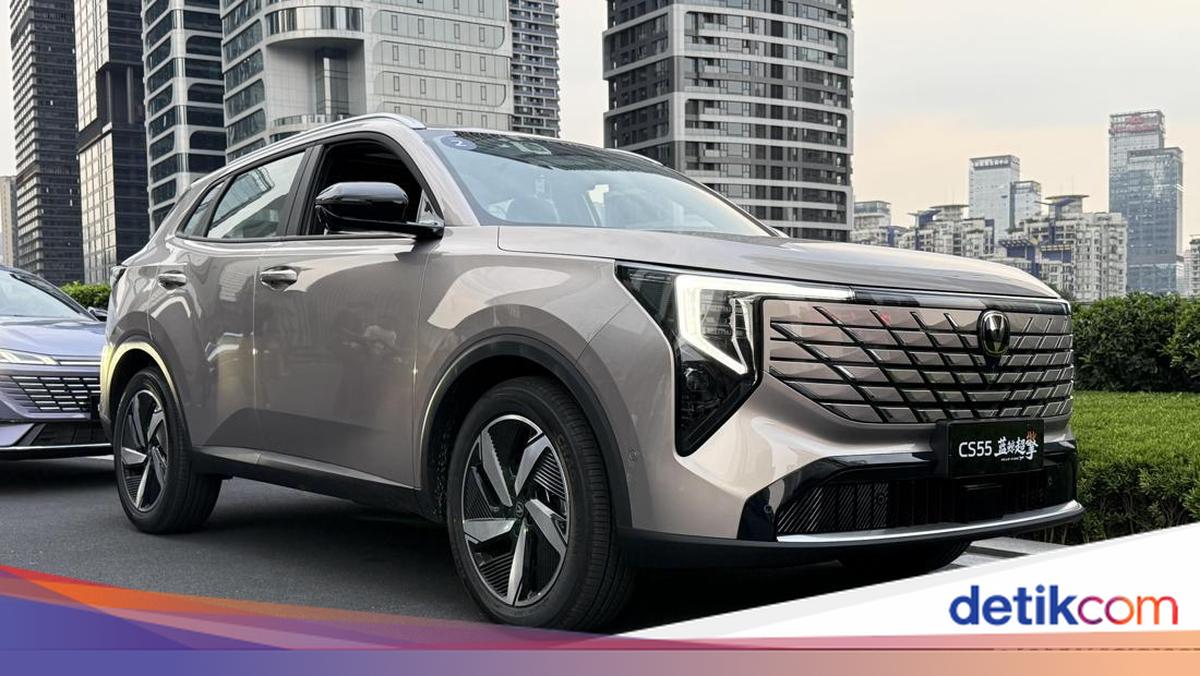
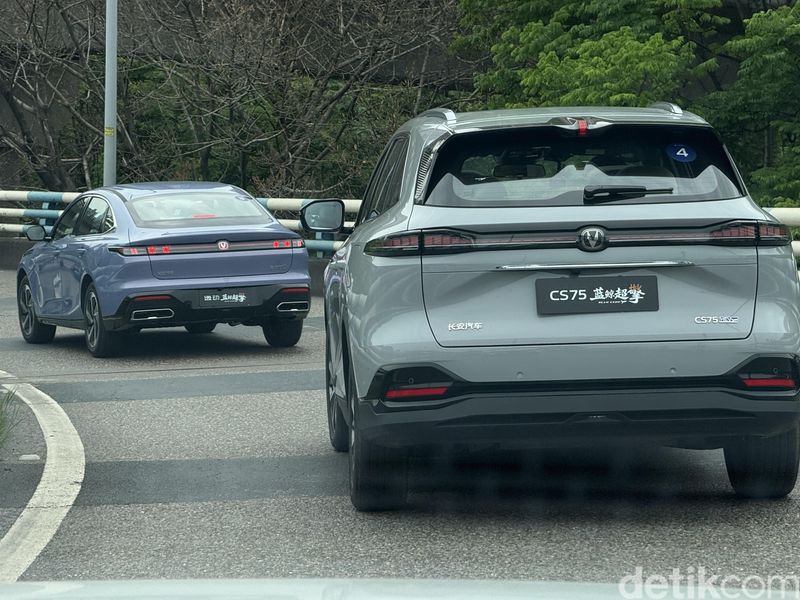
Changan Automobile, one of China’s premier automotive manufacturers, has officially demonstrated the capabilities of its proprietary BlueCore hybrid technology at its global headquarters in Chongqing, signaling a significant expansion of its powertrain portfolio beyond pure electric vehicles. While the Indonesian public has largely associated the brand with its battery electric vehicle (BEV) offerings, this recent showcase reveals a sophisticated suite of hybrid solutions designed to bridge the gap between traditional internal combustion engines and full electrification. During an intensive series of test drives conducted through the challenging, mountainous terrain of Chongqing, the automaker showcased the Eado sedan, the CS55 compact SUV, and the CS75 medium SUV, highlighting the technical maturity of its hybrid systems and their readiness for international markets, specifically Southeast Asia.
The choice of Chongqing as a testing ground is significant; known as the "Mountain City," its extreme elevation changes and complex multi-level road systems provide a rigorous environment for testing hybrid transitions and regenerative braking efficiency. The BlueCore system, which serves as the heart of these vehicles, is engineered to optimize the synergy between a high-efficiency gasoline engine and an electric motor. During the demonstrations, the transition between these two power sources was noted for its exceptional smoothness, addressing a common critique of early-generation hybrid systems. This technical refinement is crucial as Changan prepares to enter the highly competitive Indonesian automotive landscape, where consumers are increasingly demanding both fuel efficiency and a premium driving experience.
Technical Performance and Efficiency Benchmarks
The core of Changan’s hybrid proposition lies in its aggressive efficiency claims and the tangible performance of the BlueCore powertrain. According to internal data verified during the Chongqing showcase, the BlueCore-equipped sedan models are capable of achieving a fuel consumption rate of approximately 33 kilometers per liter. The SUV variants, which are larger and heavier, maintain a highly competitive efficiency of 25 kilometers per liter. To put these figures into perspective, traditional internal combustion engines in the same segments typically hover between 12 and 16 kilometers per liter in mixed driving conditions.
The BlueCore system utilizes a sophisticated electronic control unit (ECU) that manages power distribution in real-time. At low speeds or during initial acceleration, the electric motor provides instantaneous torque, eliminating the "lag" often associated with turbocharged engines. As the vehicle reaches cruising speeds, the gasoline engine engages seamlessly to provide sustained power while simultaneously recharging the battery pack. This dual-approach not only reduces fuel consumption but also significantly lowers carbon emissions, aligning with Indonesia’s "Net Zero Emission" targets and the government’s push for the adoption of Low Carbon Emission Vehicles (LCEV).
Interior Innovation and the CS75 Experience
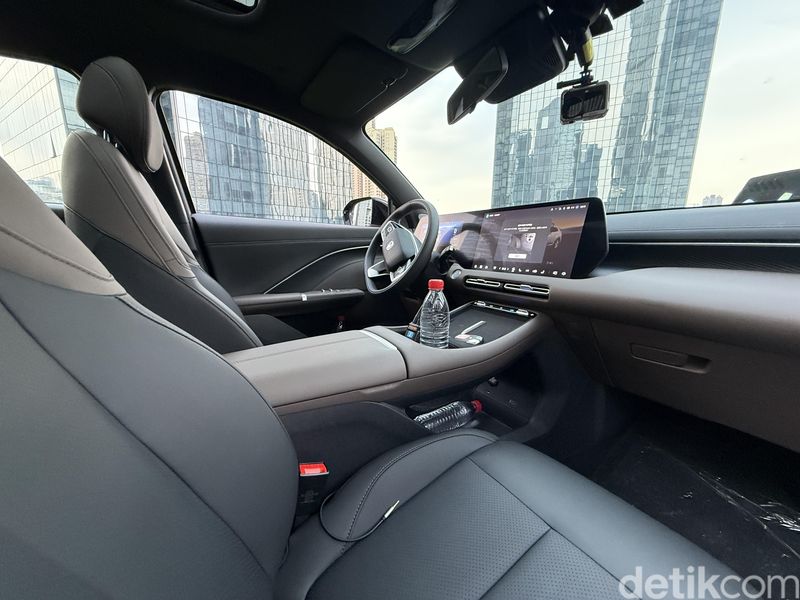
Beyond the powertrain, the flagship CS75 medium SUV showcased a significant leap in cabin technology. The interior architecture is dominated by a triple-screen configuration that spans the dashboard, a feature typically reserved for high-end luxury vehicles. Even in its domestic left-hand-drive configuration, the attention to passenger comfort was evident, with a dedicated entertainment screen for the front passenger alongside the central infotainment hub and the digital instrument cluster. This focus on "digital luxury" is a key component of Changan’s strategy to differentiate itself from established Japanese and European competitors.
The CS75’s cabin materials and build quality suggest a push toward the premium segment. Soft-touch plastics, ergonomic seating, and advanced sound insulation are designed to complement the quiet operation of the hybrid motor. For the Indonesian market, where the medium SUV segment is currently dominated by models like the Honda CR-V and the Toyota Corolla Cross, the CS75 represents a technologically superior alternative that could disrupt the status quo if priced competitively.
Strategic Roadmap for the Indonesian Market
Market analysts and industry observers suggest that while the Eado sedan offers impressive aesthetics and class-leading efficiency, Changan is likely to adopt a conservative entry strategy for Indonesia by prioritizing its SUV lineup. The Indonesian automotive market remains heavily skewed toward high-ground-clearance vehicles due to infrastructure conditions and consumer preferences for "multi-purpose" utility. Consequently, the Changan CS55 compact SUV is identified as the most probable candidate for a local debut.
The CS55 is positioned to compete directly in the burgeoning compact SUV hybrid segment, currently led by the Honda HR-V Hybrid and the Toyota Yaris Cross Hybrid. By entering this segment, Changan can tap into a demographic that values both the prestige of an SUV and the economical running costs of a hybrid. The strategy mirrors the successful entries of other Chinese manufacturers like Great Wall Motor (GWM) and Wuling, who have found success by offering high-tech features at price points that undercut traditional market leaders.
Chronology of Changan’s Global Expansion
Changan’s move toward hybrid technology in international markets is part of its broader "Vast Ocean" plan, a global expansion strategy announced in 2023. This plan involves a multi-billion dollar investment to establish production hubs outside of China, including a significant manufacturing facility in Thailand. The Thailand plant is intended to serve as the right-hand-drive (RHD) production hub for the ASEAN region, making the export of models like the CS55 and CS75 to Indonesia logistically feasible and cost-effective.
In late 2023 and early 2024, Changan began intensifying its market research in Indonesia, participating in major automotive exhibitions and engaging with local distributors. The Chongqing test drive event represents a pivotal moment in this timeline, as it allowed international media and potential partners to validate the performance of the BlueCore technology in a real-world setting. This phase of technical validation is essential before the company commits to a formal launch date and price structure in the Indonesian archipelago.
Addressing the Trademark Challenge: The BlueCore Naming Issue
Despite the technical prowess of the BlueCore system, Changan faces a unique branding hurdle in the Indonesian market. The name "BlueCore" is already a registered trademark and a well-established marketing term used by Yamaha Indonesia Motor Manufacturing for its line of high-efficiency motorcycle engines. For nearly a decade, Indonesian consumers have associated "BlueCore" with Yamaha’s fuel-injection technology.
To avoid potential legal disputes and consumer confusion, industry experts suggest that Changan may need to rebrand its hybrid technology specifically for the Indonesian market. Precedents exist for such moves; other Chinese brands have modified model names or technology branding to suit local intellectual property landscapes and cultural nuances. Utilizing a more generic "Changan Hybrid" or a new sub-brand could allow the company to focus on the vehicle’s merits rather than legal entanglements. This pragmatic approach would ensure that the focus remains on the vehicle’s performance and the brand’s value proposition.
Comparative Analysis: Changan vs. Established Competitors
The potential entry of Changan’s hybrid SUVs into Indonesia comes at a time when the market is undergoing a structural shift. According to data from the Association of Indonesia Automotive Industries (GAIKINDO), hybrid vehicle sales have seen a triple-digit percentage increase year-on-year, often outperforming pure battery electric vehicles in terms of mass-market adoption. This is largely due to the lack of "range anxiety" and the existing widespread infrastructure of petrol stations.
Compared to the Toyota Yaris Cross Hybrid, which utilizes a 1.5-liter engine paired with an electric motor, the Changan CS55 offers a more potent power delivery and a more futuristic interior design. While Toyota relies on its reputation for reliability and a vast service network, Changan aims to win over younger, tech-savvy buyers with superior specifications and integrated digital ecosystems. The success of Changan will likely depend on its ability to establish a robust after-sales network in Indonesia, a challenge that all new entrants must overcome to gain long-term consumer trust.
Implications for the Indonesian Automotive Industry
The arrival of Changan’s hybrid technology is expected to stimulate further competition, potentially leading to more aggressive pricing and faster technology adoption across the industry. As more Chinese OEMs (Original Equipment Manufacturers) introduce advanced hybrid systems, established brands may be forced to accelerate their own electrification roadmaps for the Indonesian market.
Furthermore, if Changan follows through with its regional production plans, it could contribute to Indonesia’s goal of becoming a regional hub for electric and hybrid vehicle component manufacturing. The "Vast Ocean" plan emphasizes local sourcing and regional integration, which could lead to partnerships with Indonesian component manufacturers, further strengthening the local automotive supply chain.
In conclusion, Changan Automobile’s demonstration in Chongqing has proven that the company possesses the technical depth to compete on a global stage with its hybrid offerings. The BlueCore technology, characterized by its seamless operation and impressive fuel economy, positions Changan as a formidable challenger in the Indonesian SUV market. While branding hurdles such as the "BlueCore" trademark conflict exist, the underlying product strength suggests that Changan is well-equipped to navigate these challenges. As the company prepares its next moves, the Indonesian automotive landscape stands on the cusp of a new era of hybrid competition, promising consumers more choices and more advanced technology than ever before.