Chalifah Fatihah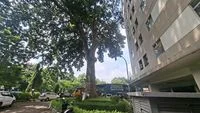
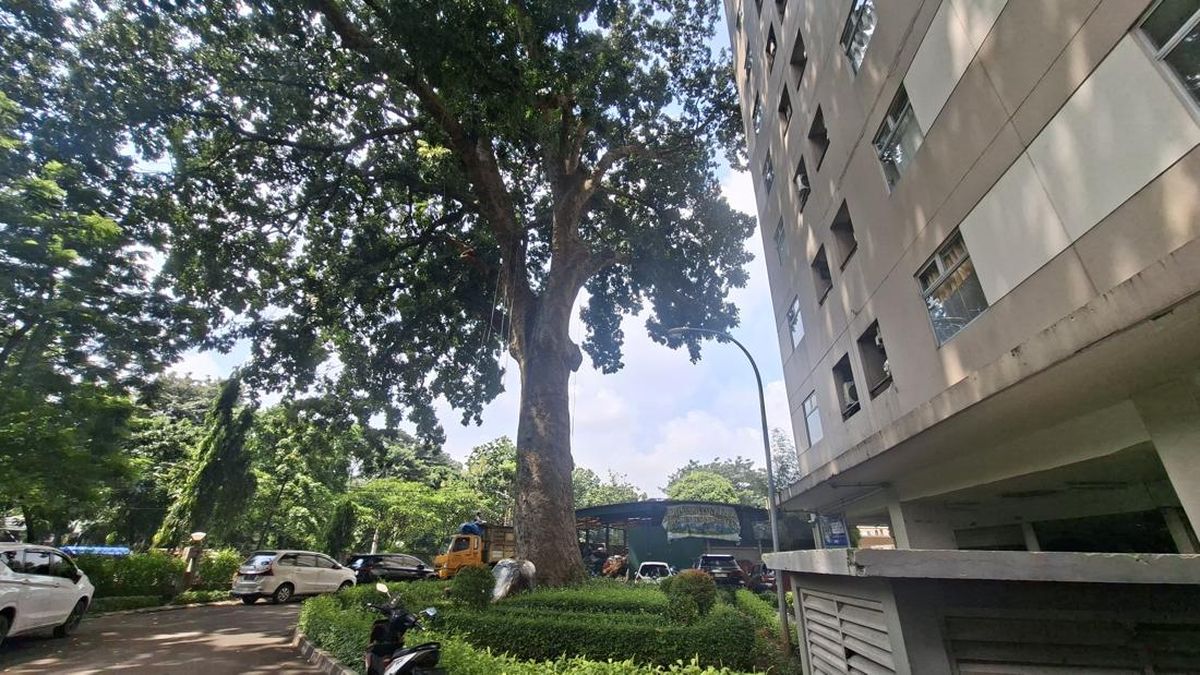
Amidst the towering skyscrapers of Rawajati, Pancoran, South Jakarta, a colossal mahogani tree (Swietenia mahagoni) stands as an indomitable testament to time, its presence defying the relentless march of urban development. This ancient arboreal giant, estimated to be over 1.2 centuries old, is far more than just a silent observer of colonial history; it is a vital natural lung, diligently filtering the dense pollution of Indonesia’s bustling capital.
Sourced from Detik, the remarkable resilience and historical significance of this mahogani tree have been highlighted by Endang Teguh Pramono, affectionately known as Pampam, a guide from the Walking Tour Step Into Jakarta. Pampam’s insights reveal that this magnificent tree predates the industrial factories that now characterize the area, marking its existence as a continuous thread woven through Jakarta’s evolving urban fabric.
A Living Relic of Indonesia’s Railway Transition
The mahogani tree’s roots are deeply intertwined with the nation’s railway development. It has witnessed the significant transition of the Indonesian railway industry, from its nascent stages under the Dutch East Indies Railway Company, Nederlandsch-Indische Spoorweg Maatschappij (NISM), to its nationalization and operation by Staatsspoorwegen (SS) in 1913. This historical context underscores the tree’s unique position as a living monument to a critical period in Indonesia’s infrastructure and national identity.
"Its age is estimated to be around 120 years. This is truly a legacy from the early days of civilization here," Pampam stated during a guided tour on Wednesday, April 1, 2026. This declaration places the tree’s origins squarely within the late 19th or early 20th century, a period of significant colonial infrastructure development that laid the groundwork for modern Indonesia. The NISM, established in 1864, was the first railway company in the Dutch East Indies, and its operations, along with the later SS, were instrumental in connecting the archipelago. The mahogani tree, by its very presence, has observed the steam engines that once traversed these lands, a stark contrast to the modern transit systems of today.
Ecological Powerhouse in an Urban Jungle
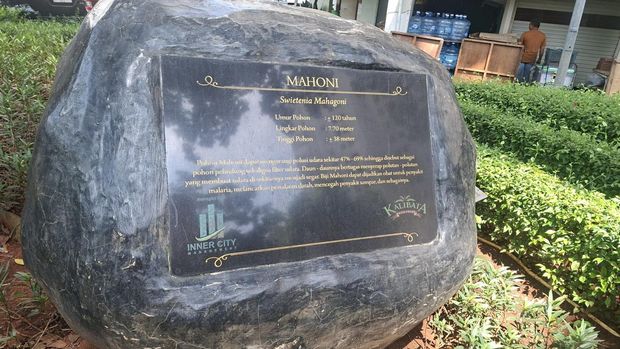
Beyond its historical value, the mahogani tree boasts an extraordinary ecological performance, particularly noteworthy given its urban setting. With a trunk circumference measuring 7.7 meters and a height ranging from 34 to 38 meters, its sheer scale is impressive. More importantly, its contribution to environmental health is substantial.
According to an inscription at the site, the tree is capable of reducing air pollution by an impressive 47% to 69%. This remarkable capacity is not merely theoretical; the tree’s leaves often appear darkened, a visual testament to its continuous absorption of lead and other hazardous pollutants from Jakarta’s air. This process of phytoremediation, where plants absorb and break down contaminants, highlights the tree’s crucial role as a natural air purifier.
The implications of such a powerful natural air filter in a megacity like Jakarta are profound. With an average annual air pollution index that frequently exceeds safe levels, the presence of large, mature trees like this mahogani is not just beneficial, but essential for public health. Data from the World Health Organization (WHO) consistently ranks urban air pollution as a major global health risk, contributing to respiratory illnesses, cardiovascular diseases, and premature deaths. Trees like this mahogani act as a decentralized, cost-effective solution to mitigate these risks.
Unique Adaptability and Environmental Benefits
The mahogani tree possesses a robust taproot system that anchors it deeply into the earth, preventing damage to surrounding infrastructure such as building foundations and sidewalks. This deep-rooting characteristic is a crucial advantage in densely populated urban areas where shallow-rooted trees can cause significant structural problems.
Furthermore, its strategic location near a waste bank provides an additional environmental service: neutralizing unpleasant odors in the apartment complex vicinity. This multi-faceted role underscores the tree’s importance in maintaining a more livable urban environment. Its contribution to preserving groundwater levels in a densely populated area is also a significant, though often overlooked, benefit. In urban settings, impermeable surfaces reduce natural groundwater recharge. Mature trees, through their root systems and transpiration processes, play a role in the local water cycle.
Cultural Significance and Enduring Mysticism
The imposing presence of this ancient mahogani tree has also imbued it with cultural and mystical significance for the local community. Pampam recounts instances where offerings, such as incense and traditional offerings (sesajen), have been found around the tree, placed in crevices of its trunk.
"Sometimes this place is used as a prayer location. Some place food or incense as a form of certain tradition," he explained. Local sanitation workers diligently maintain the area, ensuring that remnants of these offerings do not accumulate, thereby balancing cultural practices with environmental hygiene. This aspect highlights the complex relationship between urban development, natural heritage, and local beliefs, where a natural element can become a focal point for spiritual or traditional practices.
A Symbol of Urban Sustainability
Despite the encroaching urban landscape, the ancient mahogani tree stands as a powerful symbol of nature’s resilience and the enduring value of green spaces. Its continued existence amidst the concrete jungle serves as a potent reminder of the critical need for urban planning that integrates and preserves natural elements.
The tree’s ability to thrive, purify the air, and hold cultural significance in a densely populated urban area offers a compelling case study for sustainable urban development. It demonstrates that historical preservation and ecological well-being can coexist with modernization. As Jakarta continues to grow, the lessons learned from this solitary mahogani tree – its historical resonance, its ecological prowess, and its cultural depth – are invaluable. It stands not just as a tree, but as a living archive and a vital guardian of the urban ecosystem, urging a more harmonious balance between human progress and the natural world.
The implications of preserving such natural heritage are far-reaching. Beyond the immediate environmental benefits, these ancient trees connect generations, providing a tangible link to the past and fostering a sense of place and continuity in rapidly changing urban environments. Their presence can inspire a greater appreciation for nature and encourage more robust conservation efforts, not just for individual trees, but for entire urban ecosystems. The mahogani tree of Rawajati is a silent, yet eloquent, advocate for a greener, healthier, and more historically conscious future for Jakarta and cities worldwide.