Bambang Pamungkas
Amsterdam, Netherlands – A remarkable and controversial luxury handbag, purportedly crafted from collagen derived from the fossilized remains of a Tyrannosaurus rex, was unveiled on Thursday, April 2nd, 2026, at the ArtZoo Museum in Amsterdam. This unique creation, a striking teal-colored accessory, is currently on display within a glass enclosure beneath a replica T-rex skeleton, symbolizing a bold fusion of prehistoric wonder, cutting-edge bio-engineering, and high fashion. The extraordinary item is slated for auction, with an initial reported estimated value exceeding half a million US dollars, approximately equivalent to Rp8.5 billion, igniting both immense public interest and significant skepticism within the scientific community.
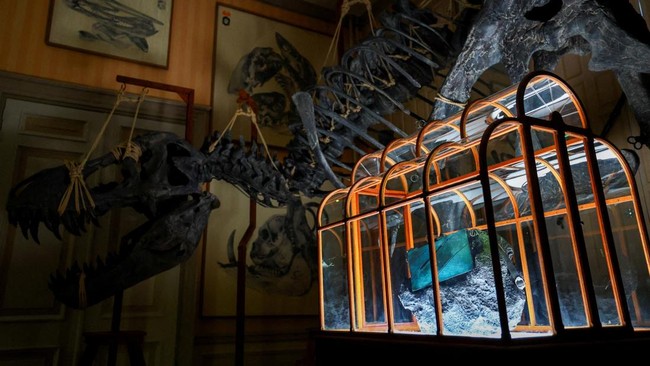
The exhibition, which runs until May 11th, presents the handbag as a tangible link to the Mesozoic Era, a testament to the potential of biomaterial science to bridge the vast chasm of geological time. The project, spearheaded by an unnamed consortium of scientists and designers, claims to have utilized ancient protein fragments extracted from a T-rex fossil discovered in the United States. These fragments were then reportedly introduced into "unidentified animal cells" to cultivate a larger quantity of collagen, which was subsequently processed into a leather-like material. The creators assert that this methodology represents a groundbreaking achievement in biomaterial synthesis, offering a glimpse into the molecular legacy of extinct megafauna. The choice of a handbag, a quintessential symbol of luxury and personal expression, appears deliberate, designed to maximize impact and appeal to an exclusive clientele seeking unparalleled exclusivity and a narrative steeped in scientific marvel.
However, the scientific community has met these claims with a considerable degree of skepticism. Prominent paleontologists and biochemists have raised serious questions regarding the feasibility and scientific accuracy of labeling the material as "T-rex skin" or directly derived collagen from the ancient predator. Dr. Melanie During, a vertebrate paleontologist from Vrije Universiteit Amsterdam, a renowned expert in fossil preservation and taphonomy, expressed strong doubts about the assertion. Dr. During stated that while traces of collagen can persist in dinosaur bones, these are typically highly fragmented and degraded over geological timescales, rendering them insufficient for the reconstruction or cultivation of viable, functional collagen in quantities suitable for creating a leather-like material. The immense age of T-rex fossils, dating back approximately 68 to 66 million years to the Late Cretaceous period, presents an almost insurmountable barrier to the preservation of complex organic molecules like collagen in an intact or sufficiently robust state.
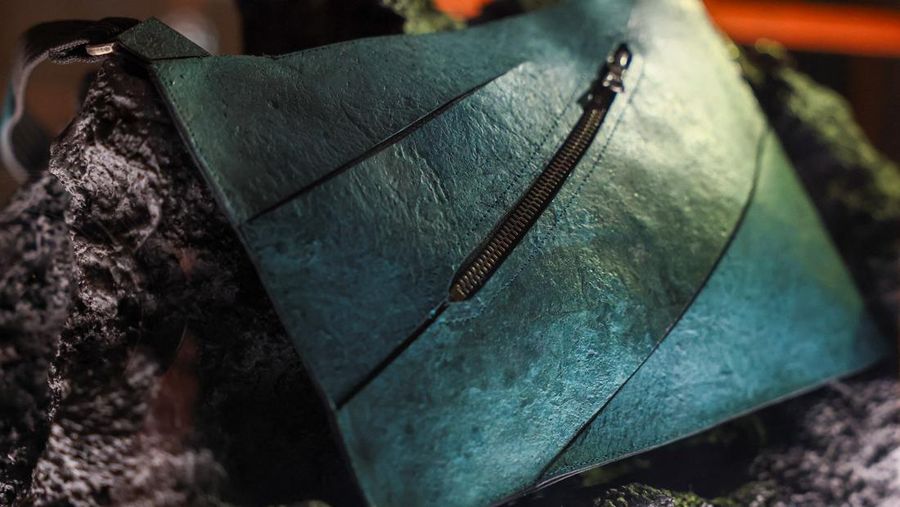
Further corroborating this scientific apprehension, Dr. Thomas R. Holtz Jr., a distinguished paleontologist at the University of Maryland, echoed similar concerns. Dr. Holtz emphasized that any collagen fragments identified within T-rex fossils would originate from within the bone structure itself, not from the external skin. Crucially, he pointed out that even if perfectly preserved protein fragments were somehow available, they would lack the necessary large-scale fiber organization that gives animal hide its characteristic strength, flexibility, and texture – the very properties essential for creating durable leather. The process described by the project creators, involving the insertion of T-rex protein fragments into "unidentified animal cells," suggests that the bulk of the cultivated collagen would, in fact, be synthesized by the modern host cells, with the T-rex contribution being more akin to a genetic blueprint or a "starter culture" rather than the primary source material. This distinction is critical, as it implies that the resulting material is a hybrid bio-product, predominantly composed of modern animal collagen guided by ancient genetic information, rather than authentic "T-rex collagen" in a meaningful sense.
To understand the depth of this scientific debate, it is essential to delve into the challenges of biomolecular preservation in the fossil record. Collagen, a fibrous protein, is the main structural component of connective tissues in animals, including skin, bone, and tendons. Its preservation over millions of years is an extraordinary rarity. While groundbreaking research, notably by paleontologist Mary Schweitzer in the early 2000s, has revealed the persistence of soft tissue structures and even protein sequences in some dinosaur fossils, these discoveries have been met with rigorous scientific scrutiny and debate regarding their integrity and potential for contamination. The consensus in the paleontological and geochemical communities is that while some molecular traces can endure, they undergo extensive diagenesis – chemical and physical changes – that profoundly alter their original structure. Fragmented amino acid chains, not intact collagen fibers, are the more realistic expectation from such ancient remains. The claim of extracting viable collagen "fragments" and then using them to "produce collagen" in modern cells is a complex one. While genetic engineering allows for the synthesis of proteins based on specific sequences, the amount of original, non-degraded T-rex collagen sequence required to initiate and guide such a process reliably, without significant reconstruction or reliance on homologous modern sequences, remains a significant hurdle.
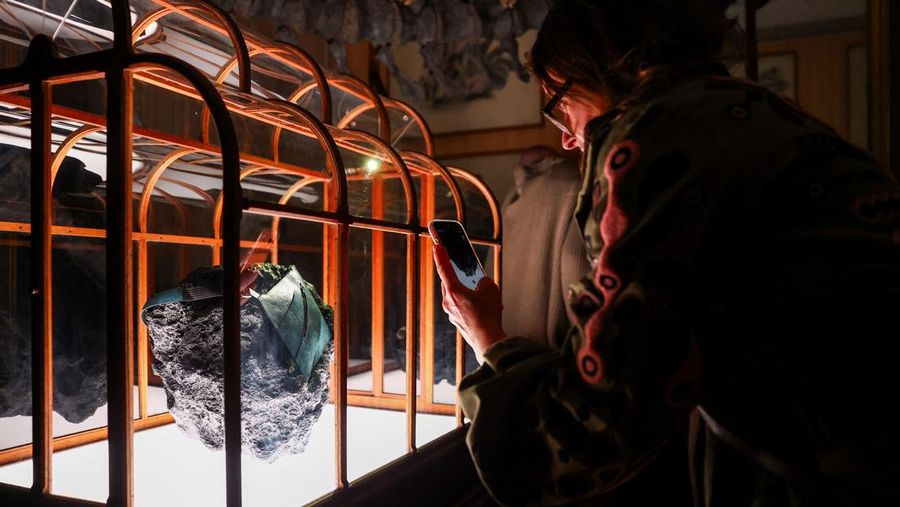
The broader context for this project lies in the burgeoning field of cellular agriculture and bio-fabrication. Companies worldwide are actively developing lab-grown leather and other biomaterials as sustainable alternatives to traditional animal products. This involves cultivating animal cells in bioreactors to produce tissues like leather or meat, significantly reducing environmental impact compared to conventional livestock farming. These processes typically start with a small sample of cells from a living animal and then scale up production. The T-rex handbag project, if its claims are substantiated, attempts to apply these advanced bio-fabrication techniques to an extinct species, pushing the boundaries of what is considered possible. However, the critical difference lies in the source material: living cells vs. highly degraded fossilized proteins. The "unidentified animal cells" mentioned by the creators are likely the primary biological engine for collagen synthesis, making the product a complex blend of ancient inspiration and modern biology.
From a commercial perspective, the T-rex collagen handbag taps into the ultimate luxury market: rarity, exclusivity, and an unparalleled narrative. In a world where luxury brands constantly seek novel ways to differentiate their products, a connection to a creature that roamed the Earth 66 million years ago offers an irresistible allure. The initial valuation of over half a million dollars reflects not just the material cost or manufacturing complexity, but primarily the perceived historical and scientific significance, coupled with the sheer novelty. High-net-worth individuals and collectors often seek items that embody a unique story, and few stories are as grand as that of the Tyrannosaurus rex. This handbag transcends mere fashion; it becomes a collectible artifact at the intersection of science, art, and extreme wealth. The display at the ArtZoo Museum further emphasizes its artistic and cultural significance, positioning it as a piece of conceptual art as much as a functional accessory.
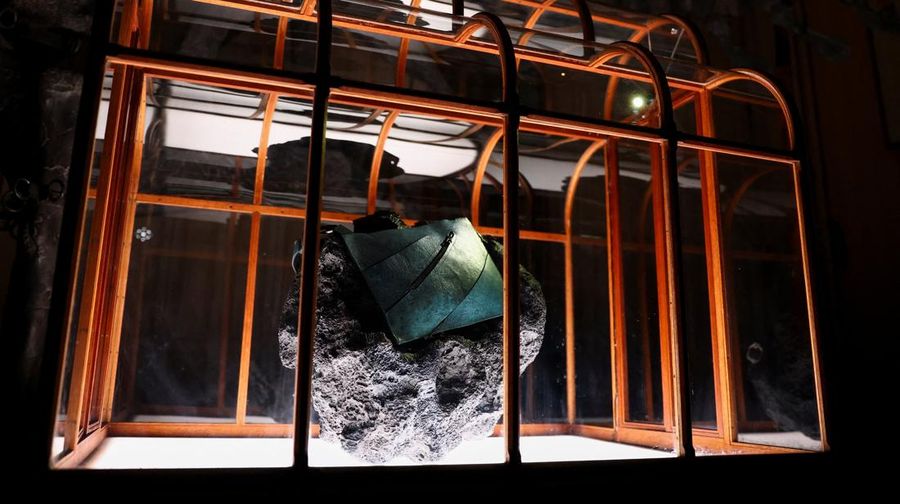
The implications of such a creation are multi-faceted. On one hand, it highlights the incredible advancements in biomaterial science and genetic engineering, showcasing humanity’s ever-increasing ability to manipulate biological processes. It also sparks public imagination, drawing attention to paleontology and the wonders of the prehistoric world. On the other hand, the controversy underscores the importance of scientific rigor and transparent communication. Misrepresenting the origin of materials, even for artistic or commercial purposes, can confuse the public and potentially undermine legitimate scientific efforts. There are also ethical considerations, albeit less pronounced given the material is not "cloned" T-rex skin but rather lab-grown collagen influenced by fossil fragments. The use of fossil material, even minute fragments, for commercial luxury items could raise questions about the conservation of paleontological resources, though the project’s creators likely used extremely small, non-destructive samples.
In conclusion, the T-rex collagen handbag presented in Amsterdam is a provocative piece that brilliantly captures the public imagination, embodying a futuristic vision of luxury intertwined with ancient history. While the scientific community remains largely skeptical of the "T-rex skin" designation, pointing to the immense challenges of organic material preservation over geological timescales and the probable reliance on modern host cells for bulk material production, the project undeniably pushes boundaries. It serves as a vivid illustration of the ongoing dialogue between scientific innovation, artistic expression, and commercial ambition, challenging perceptions of what constitutes luxury and how we interact with the remnants of our planet’s ancient past. The auction of this teal-hued relic is poised to be a landmark event, not just for its exorbitant price tag, but for the profound questions it raises about authenticity, scientific claims, and the ever-evolving definition of rarity in the 21st century.