Bambang Pamungkas
PT Freeport Indonesia (PTFI), the operator of one of the world’s most significant gold and copper deposits, marked its 59th anniversary with a profound sense of reflection and solemn remembrance. The milestone, observed in April 2026, was overshadowed by the tragic loss of nine employees over the preceding year, prompting the company’s management to dedicate the commemoration to their memory and reinforce an unwavering commitment to operational safety and community well-being. This somber anniversary highlights the inherent risks and profound responsibilities that come with operating a mining enterprise of such immense scale and strategic importance, particularly in a region as geologically complex and socially sensitive as Papua.
A Legacy of Wealth and Responsibility: PT Freeport Indonesia at 59
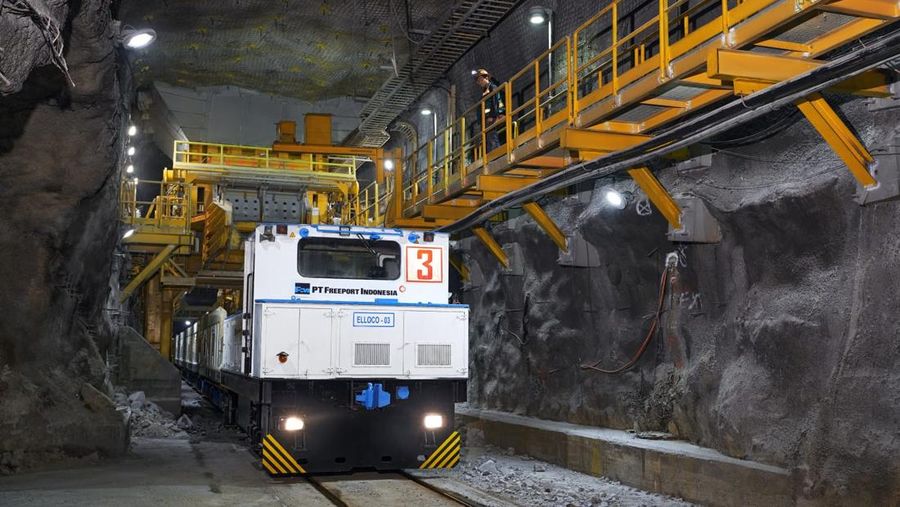
Established in 1967, PT Freeport Indonesia embarked on its pioneering journey in the remote, rugged highlands of Papua, Indonesia. Its initial discovery, the Ertsberg (Dutch for "Ore Mountain"), quickly led to the development of what would become the colossal Grasberg mining complex. For nearly six decades, PTFI has been a cornerstone of Indonesia’s economy, extracting vast quantities of copper, gold, and silver from one of the richest mineral endowments on Earth. The Grasberg mine, initially an open-pit operation, matured into a marvel of modern engineering, transitioning significantly to large-scale underground mining operations, notably the Grasberg Block Cave (GBC) and Deep Mill Level Zone (DMLZ) mines, as the open-pit resources diminished. This evolution underscored not only the company’s adaptive capacity but also the increasingly complex and challenging nature of its operations, pushing the boundaries of mining technology and safety protocols.
The 59-year history of PTFI is a tapestry woven with threads of extraordinary resource extraction, massive economic contribution, significant technological innovation, and continuous engagement with complex environmental and social issues. Its presence has transformed the landscape of Mimika Regency, creating infrastructure, employment, and economic opportunities, while also navigating delicate relationships with indigenous communities and addressing concerns regarding environmental impact and land use. The company’s journey reflects the broader narrative of resource development in a developing nation, characterized by both immense benefits and persistent challenges.
A Solemn Anniversary: Honoring Lives Lost
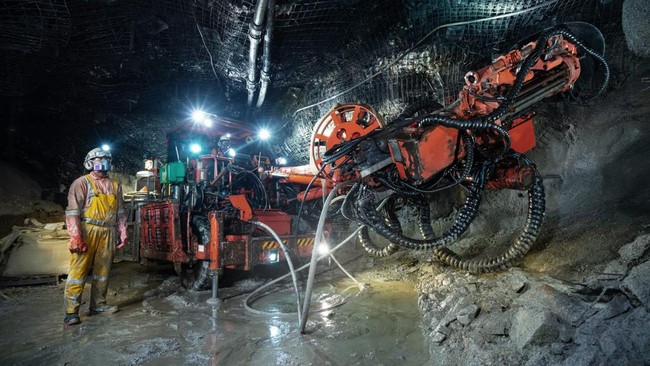
The 59th anniversary celebrations were infused with a profound sense of gravity, as PTFI management and employees paid tribute to nine colleagues who perished in a series of incidents over the last year. This solemn act of remembrance underscored the high-risk environment inherent in large-scale mining, particularly in the subterranean depths of the Grasberg complex and amidst the unique security landscape of Papua. Such commemorations serve as a poignant reminder of the human cost associated with resource extraction and reinforce the imperative for robust safety measures and secure operating environments.
The fatalities stemmed from two distinct categories of incidents, each presenting its own set of challenges and implications for the company’s operations and reputation. Seven employees tragically lost their lives in a significant geological event within the Grasberg Block Cave (GBC) underground mine, while two others were victims of external security-related incidents, highlighting the dual threats of operational hazards and regional instability that PTFI must continually manage.
The September 2025 Grasberg Block Cave Incident: A Detailed Account
On September 8, 2025, the Grasberg Block Cave (GBC) mine, a critical component of PTFI’s underground operations, was the scene of a devastating wet material slide incident that claimed the lives of seven employees. This type of incident is a serious hazard in block caving, a method of underground mining that involves undermining a large ore body, allowing it to progressively collapse under its own weight into a series of draw points. While highly efficient for massive, low-grade deposits, block caving operations are susceptible to unpredictable ground conditions, particularly when water is introduced into fractured rock masses.
A "wet material slide" occurs when a sudden influx of water mixes with loose rock, mud, and broken ore, creating a slurry that can flow rapidly and with immense force, engulfing tunnels and equipment. The specific circumstances of the September 2025 incident likely involved a combination of geological factors, possibly exacerbated by heavy rainfall, leading to the unexpected failure of a draw point or a section of the mine infrastructure. Investigations into such events typically focus on geotechnical stability, drainage systems, operational procedures, and emergency response protocols.
The immediate aftermath of the slide would have involved extensive search and rescue operations, a race against time and further instability to locate and recover the trapped workers. The loss of seven lives had a profound impact on the PTFI community, triggering widespread grief and prompting an immediate shutdown or significant curtailment of operations in the affected areas of the GBC mine. This incident undoubtedly initiated a comprehensive review of PTFI’s geotechnical monitoring systems, ground support mechanisms, and worker evacuation procedures to prevent future occurrences. The inherent complexities of underground mining, especially using the block caving method, demand continuous vigilance and adaptation of safety strategies in response to dynamic geological conditions.
Security Challenges: Fatal Shootings in Early 2026
In addition to the operational tragedy, PTFI also mourned the loss of two employees due to shooting incidents in February and March 2026. These events underscore the persistent security challenges faced by the company in the remote and often volatile region of Papua. The presence of armed groups and the socio-political dynamics of the area have historically posed significant security risks to mining operations, their personnel, and local communities.
Such incidents can range from targeted attacks to opportunistic violence or clashes between security forces and armed groups, sometimes inadvertently affecting company personnel. The specific details of the February and March shootings were not extensively provided in the original content, but their inclusion in the anniversary commemoration highlights their significant impact on the company’s sense of security and well-being. PTFI has long invested heavily in security measures, often collaborating with Indonesian military and police forces, to protect its vast and remote infrastructure and its thousands of employees. However, these recurring incidents serve as a stark reminder of the complexities of operating in a region marked by ongoing tensions and the critical importance of maintaining a secure environment for all personnel. The loss of these two individuals not only represents a profound personal tragedy but also contributes to the overall operational challenges and the need for continuous dialogue and engagement with all stakeholders to foster stability and peace in the region.
Navigating Recovery: Production Ramps Up After Setbacks
The combined impact of these tragic incidents, particularly the GBC wet material slide, significantly disrupted PTFI’s operational rhythm. As of the anniversary, the company’s production levels were reported to be only around 40% to 50% of its normal capacity. This substantial reduction reflects the necessary pauses for safety investigations, recovery efforts, and the implementation of enhanced safety protocols following the GBC incident. Restarting large-scale underground mining operations, especially after a significant safety event, is a meticulous process that prioritizes worker safety and structural integrity over immediate production targets.
The GBC and DMLZ mines are critical to PTFI’s long-term production strategy, representing the future of mining at Grasberg as the open-pit operations phase out. The block caving method, while efficient, requires careful management of ground stability and material flow. Any disruption, such as a major slide, necessitates extensive re-evaluation, remediation, and potentially redesign of mining sequences and infrastructure. The company’s immediate focus following the September 2025 incident would have been on stabilizing the affected areas, ensuring the safety of remaining underground workings, and thoroughly investigating the root causes to prevent recurrence.
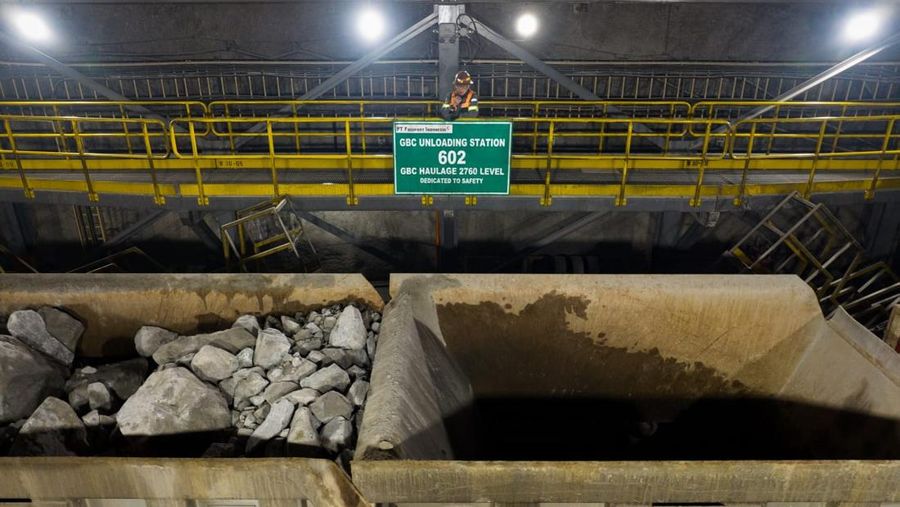
PTFI has set ambitious targets for recovery, aiming to return to nearly 100% production capacity by the end of 2026 and reach full capacity by the early quarter of the following year. Achieving these targets will require a systematic approach to operational ramp-up, integrating lessons learned from the incidents into daily practices, and potentially investing in new technologies or procedures to enhance safety and efficiency. The process involves not only technical and engineering challenges but also the psychological aspect of rebuilding confidence among the workforce after such profound losses. The ability to restore full production efficiently and safely will be a key indicator of PTFI’s resilience and its commitment to sustainable mining practices.
Economic Cornerstone: PTFI’s Trillion-Rupiah Contribution to the Nation
Despite the operational challenges and tragic events, PT Freeport Indonesia continues to be an unparalleled economic contributor to the Indonesian state. In 2025 alone, the company remitted approximately Rp 70 trillion (equivalent to roughly US$ 4.7 billion, based on a Rp 15,000/USD exchange rate) to the national coffers. This colossal sum encompasses various forms of revenue, including taxes, royalties, dividends, and other non-tax state revenues.
This contribution underscores PTFI’s vital role in Indonesia’s fiscal health and economic development. Taxes, such as corporate income tax, employee income tax, and various local taxes, form a substantial portion. Royalties, paid to the government for the right to extract mineral resources, are another significant stream, directly linking the value of the extracted minerals to state income. The inclusion of dividends is particularly noteworthy, reflecting the Indonesian government’s majority ownership stake (51.2%) in PTFI through its state-owned enterprise, MIND ID (Mining Industry Indonesia). This ownership structure ensures that a significant portion of the company’s profits directly benefits the Indonesian people.
Historically, PTFI’s contributions have been instrumental in funding national and regional development projects. These revenues often flow into infrastructure development, education, healthcare, and other public services, particularly benefiting the province of Papua. The sheer scale of PTFI’s financial impact makes it one of the largest single contributors to Indonesia’s state budget, cementing its position as a strategic national asset. The consistent generation of such substantial revenue, even amidst operational setbacks, highlights the enduring value of the Grasberg mineral deposits and PTFI’s operational efficiency.
Beyond Profits: Extensive Social Investment and Community Development
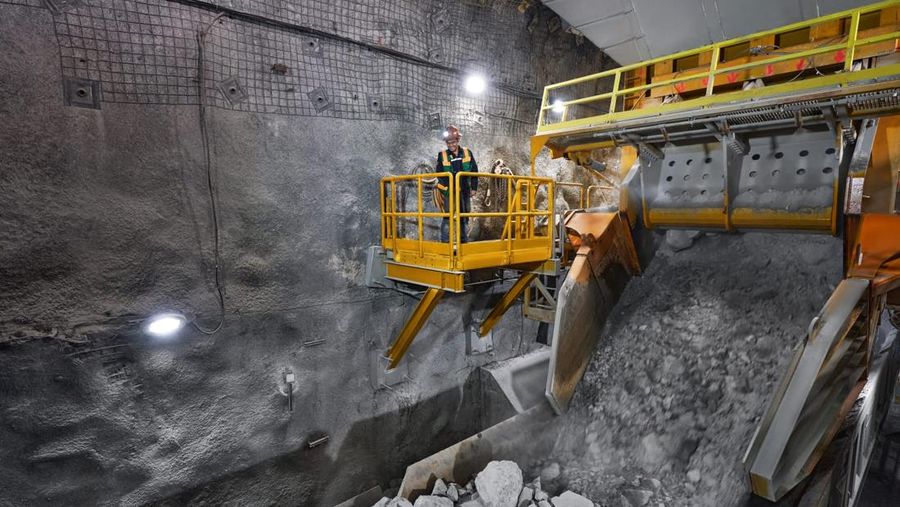
Beyond its direct financial contributions to the state, PTFI demonstrates a significant commitment to social investment and community development, particularly in the areas surrounding its operations in Papua. In 2025, the company’s social investment initiatives reached nearly Rp 2 trillion (approximately US$ 133 million). This substantial allocation is not a one-time effort but part of an ongoing commitment, with plans to invest an additional US$ 100 million (equivalent to approximately Rp 1.5 trillion) annually until the cessation of mining operations.
These social investment programs are multifaceted, designed to create sustainable positive impacts for local communities, especially the indigenous Papuan people. Key areas of focus typically include:
- Education: Funding for schools, scholarships, vocational training programs, and teacher development to improve educational attainment and skills.
- Health: Construction and support of clinics and hospitals, provision of medical equipment, health awareness campaigns, and combating prevalent diseases.
- Economic Empowerment: Programs to develop local businesses, support small and medium-sized enterprises (SMEs), agricultural development, and provide microfinance opportunities, aiming to diversify the local economy beyond mining.
- Infrastructure: Investment in roads, bridges, clean water supply, and electricity grids to improve living standards and connectivity in remote areas.
- Cultural Preservation: Support for indigenous cultures and traditions, including language programs and cultural events.
The commitment to sustained annual investment underscores PTFI’s long-term vision for its social license to operate and its responsibility towards the communities that host its operations. This approach recognizes that the benefits of mining should extend beyond direct employment and financial contributions to foster holistic community development and leave a lasting, positive legacy long after the mineral resources are depleted. Effective implementation of these programs requires close collaboration with local governments, community leaders, and non-governmental organizations to ensure they are culturally appropriate, responsive to local needs, and genuinely impactful.
Empowering the Local Workforce: A Commitment to Papuan Talent
PTFI is not only a major economic engine but also a significant employer, providing livelihoods for a vast workforce exceeding 30,000 individuals. A particularly noteworthy aspect of its employment strategy is the strong emphasis on local content, with approximately 40% of its workforce comprising indigenous Papuans. This commitment to local employment is a critical component of its social responsibility and a powerful driver of economic empowerment in the region.
Employing indigenous Papuans in such substantial numbers involves comprehensive recruitment, training, and development programs. These initiatives are designed to equip local individuals with the necessary technical, operational, and managerial skills required for the complex demands of modern mining. From entry-level positions to skilled trades and supervisory roles, PTFI invests in building a capable and diverse workforce that reflects the local demographic.
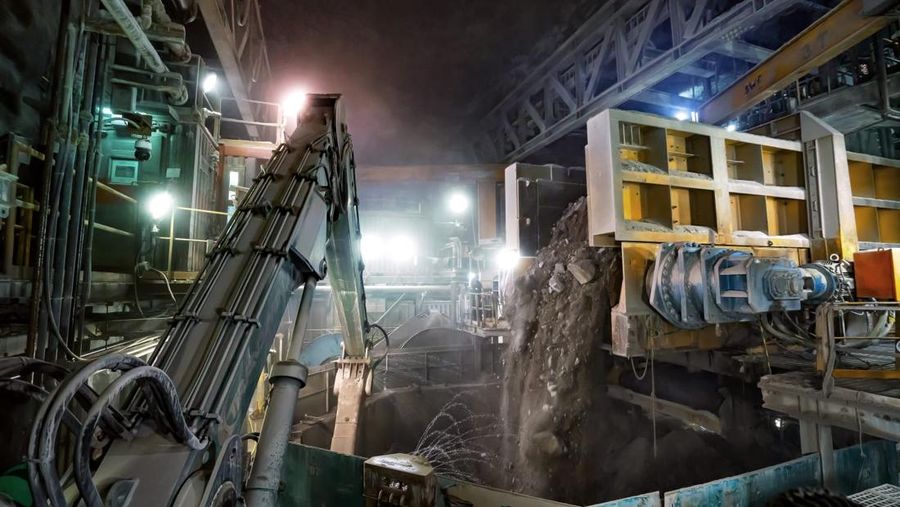
The impact of this employment strategy extends far beyond individual salaries. It contributes to:
- Human Capital Development: Fostering a skilled workforce that can contribute to other sectors of the Papuan economy.
- Poverty Reduction: Providing stable, well-paying jobs in a region with limited alternative economic opportunities.
- Local Economic Multiplier Effect: Employees’ wages circulate within local communities, supporting local businesses, markets, and services.
- Capacity Building: Developing local leadership and expertise, which can contribute to broader regional development.
PTFI’s focus on empowering indigenous Papuans in its workforce is a testament to its understanding of the critical link between corporate operations and local socio-economic well-being. It also addresses historical concerns regarding equitable distribution of benefits from resource extraction, striving to ensure that the wealth generated from Papuan lands directly uplifts the people of Papua. This commitment is crucial for maintaining social harmony and achieving sustainable development goals in the region.
The Future of Mining in Papua: Challenges, Opportunities, and Sustainability
As PT Freeport Indonesia navigates its 59th year, its future operations are characterized by both significant opportunities and persistent challenges. The transition from open-pit to predominantly underground mining, particularly through advanced methods like block caving in GBC and DMLZ, positions PTFI to extract vast remaining resources for decades to come. These underground mines represent the technological frontier of the company’s operations, promising continued high-volume production of copper and gold.
However, these operations come with inherent challenges:
- Geotechnical Complexity: Underground mining, especially block caving, demands sophisticated geological understanding and continuous monitoring to manage ground stability, water ingress, and seismic activity. The September 2025 incident serves as a stark reminder of these risks.
- Operational Efficiency and Safety: Maintaining high production levels while ensuring world-class safety standards in a challenging environment is a continuous balancing act. Investments in automation, remote operations, and advanced safety protocols are paramount.
- Commodity Price Volatility: The profitability of PTFI’s operations is inherently linked to global copper and gold prices, which can fluctuate significantly, impacting revenue and investment capacity.
- Environmental Stewardship: Operating in a biodiverse and ecologically sensitive region like Papua requires rigorous environmental management, including responsible tailings management, water quality control, and progressive rehabilitation efforts.
- Social License to Operate: Maintaining strong, positive relationships with local communities, addressing grievances, and ensuring equitable benefits distribution are crucial for long-term operational stability and public acceptance.
Strategic Outlook: PTFI’s Role in Indonesia’s Mineral Future
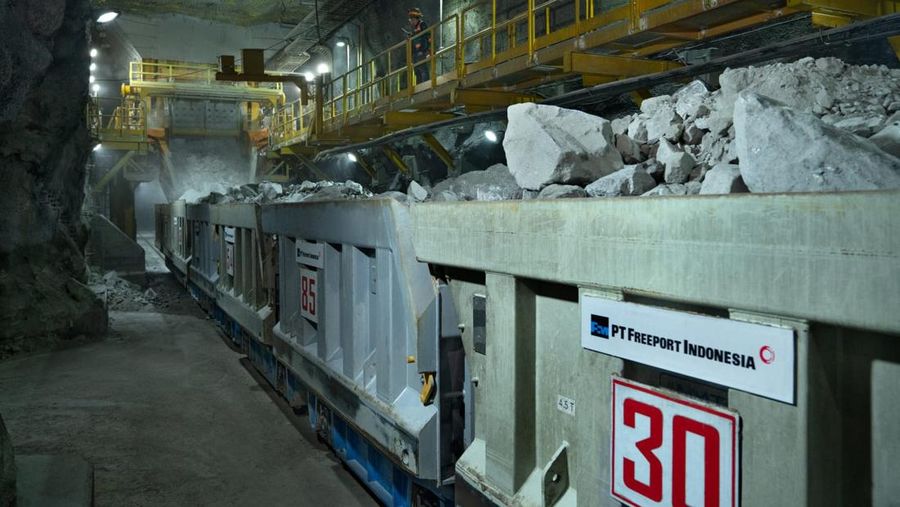
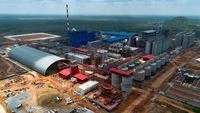
Looking ahead, PTFI’s strategic importance to Indonesia is set to deepen, particularly with the government’s push for downstream mineral processing. The company’s ongoing construction and operation of new smelters in Indonesia are critical to this national agenda. These facilities will allow for the domestic processing of copper concentrates into higher-value products, reducing reliance on raw material exports and boosting local manufacturing capabilities. This aligns with Indonesia’s broader ambition to capture more value from its vast mineral resources.
Furthermore, the demand for copper, a primary product of Grasberg, is projected to surge globally due to its critical role in the clean energy transition (electric vehicles, renewable energy infrastructure) and advanced electronics. This positions PTFI favorably in the global commodities market, provided it can consistently meet production targets and manage operational risks.
The discussions around the extension of PTFI’s mining permit beyond its current expiry are also a key element of its future outlook. Given Indonesia’s majority ownership and the mine’s strategic importance, a renewal is widely anticipated, likely under terms that further enhance Indonesia’s benefits and control. This long-term stability is crucial for attracting continued investment in the complex underground expansion projects and ensuring the continuity of the significant economic and social contributions.
In commemorating 59 years, PT Freeport Indonesia stands at a pivotal juncture, reflecting on its profound legacy while confronting the immediate challenges of operational recovery and the long-term imperative of sustainable development. The solemn remembrance of its fallen employees serves as a powerful reminder that while the pursuit of mineral wealth is economically vital, the safety and well-being of its workforce and the communities it impacts must remain at the core of its operations. The company’s ability to successfully navigate these complexities will define its next chapter as a cornerstone of Indonesia’s economy and a responsible global mining leader.