Tyo Susilo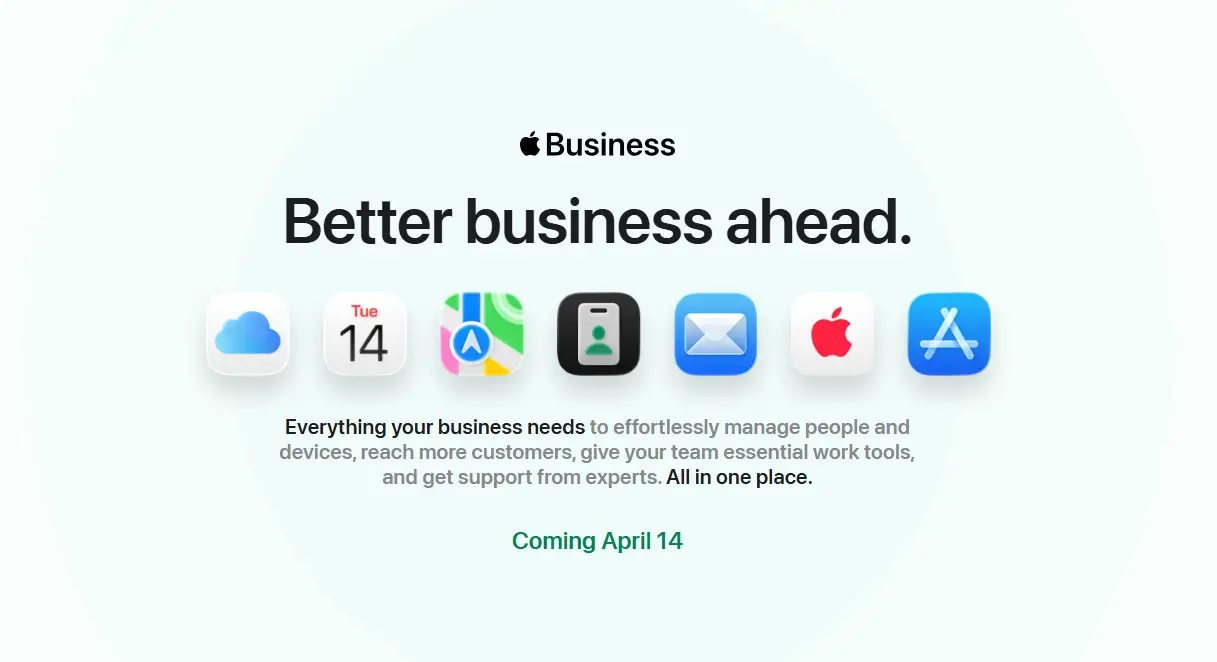
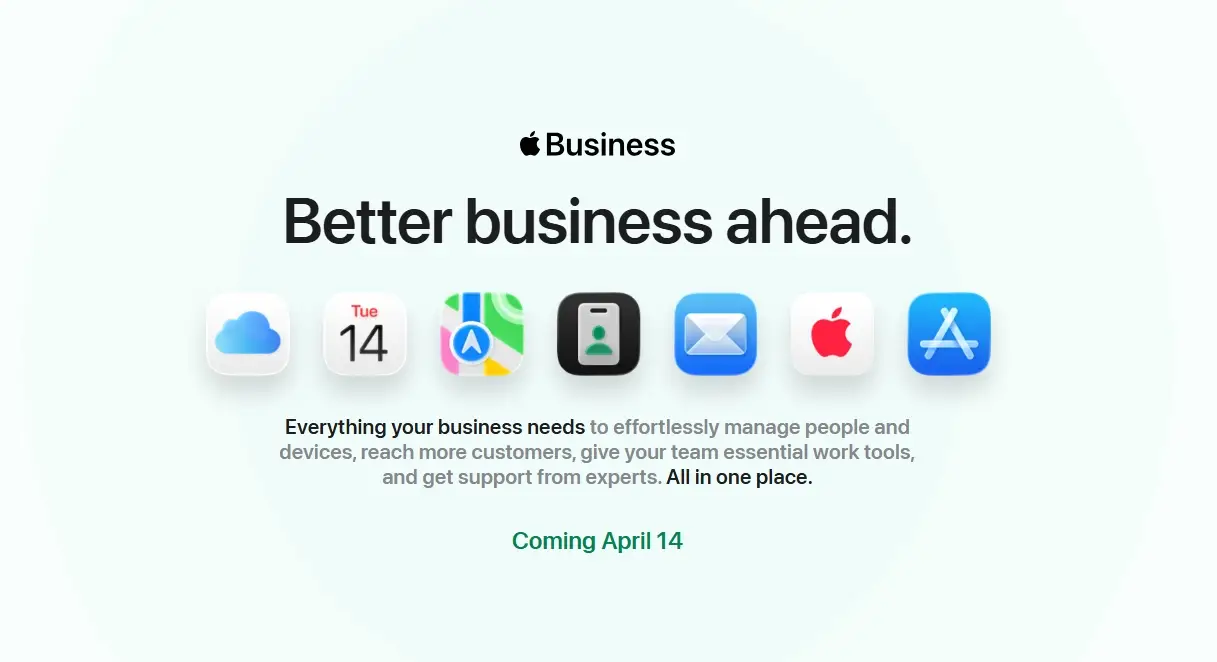
Apple has officially launched Apple Business, a groundbreaking new platform designed to streamline device management, application deployment, and technical support for organizations within a single, cohesive service. This initiative marks a significant evolution in Apple’s enterprise strategy, aiming to provide businesses, particularly those already invested in the Apple ecosystem, with a centralized hub that consolidates previously disparate tools into a unified management experience. The introduction of Apple Business represents Apple’s concerted effort to cater to the growing demand for integrated solutions in today’s dynamic business landscape.
The Genesis of Apple Business: Addressing Enterprise Needs
The development of Apple Business is rooted in Apple’s long-standing presence in the professional sphere. For years, iPhones, iPads, and Mac computers have been staples in workplaces, valued for their user-friendly interfaces, robust security features, and seamless integration within the Apple ecosystem. However, managing these devices and their associated software at scale has often required businesses to navigate a complex web of separate tools and services. This fragmented approach could lead to inefficiencies, increased IT overhead, and potential security vulnerabilities.
Apple Business emerges as a direct response to these challenges. It functions as a comprehensive control center for operations leveraging Apple devices, empowering companies to manage the entire lifecycle of their Apple fleet. This includes the seamless distribution of applications, granular control over device configurations and security policies, and centralized access to technical support. The platform promises a more organized and efficient workflow, particularly benefiting IT departments that have historically had to juggle multiple systems to achieve comprehensive device and application management.
The timing of this launch is also significant. The business world is increasingly reliant on mobile devices and cloud-based services. The global enterprise mobility management (EMM) market, which encompasses device, app, and identity management, has experienced substantial growth. According to recent industry reports, the EMM market was valued at approximately USD 10 billion in 2022 and is projected to reach over USD 20 billion by 2028, exhibiting a compound annual growth rate (CAGR) of over 10%. This growth underscores the critical need for solutions like Apple Business that simplify the complexities of managing a mobile workforce.
A Unified Approach to Enterprise Mobility
At its core, Apple Business aims to provide a "one-stop shop" for businesses managing their Apple devices. This unified approach offers several key advantages:
- Simplified Device Management: IT administrators can enroll, configure, and monitor devices remotely. This includes setting up Wi-Fi networks, email accounts, and security policies, ensuring devices are ready for use upon arrival and remain compliant with organizational standards.
- Streamlined App Deployment: Businesses can distribute in-house applications or curated selections of App Store apps to their employees’ devices efficiently. This eliminates the need for manual installations or complex distribution methods, saving time and reducing the potential for errors.
- Enhanced Security and Compliance: Apple has long emphasized security, and Apple Business extends this commitment to the enterprise. The platform allows for the enforcement of strong password policies, remote data wiping for lost or stolen devices, and the deployment of security patches, helping organizations maintain a robust security posture.
- Centralized Support: Access to Apple’s business support services is integrated within the platform. This means that when issues arise, IT teams can seek assistance and resolve problems more quickly, minimizing downtime and ensuring business continuity.
Historically, companies managed these aspects through separate tools such as Apple Business Manager (ABM) for device and app deployment, Mobile Device Management (MDM) solutions for policy enforcement, and various support channels. Apple Business seeks to consolidate these functionalities, offering a more integrated and potentially cost-effective solution.
Broadening the Appeal: From Enterprise Giants to Small Businesses
A notable aspect of Apple Business is its strategic positioning to cater to a wide spectrum of businesses, not just large corporations. Apple acknowledges that small and medium-sized businesses (SMBs) also require efficient and straightforward ways to manage their technology investments. For these organizations, the complexity and cost of traditional enterprise management systems can be prohibitive.
Apple Business offers a more accessible entry point into sophisticated device and application management. By providing a consolidated platform, Apple aims to democratize access to powerful management tools, enabling smaller businesses to leverage the full potential of Apple devices without requiring extensive IT resources or specialized expertise. This inclusive approach could significantly broaden Apple’s footprint in the business sector, attracting a new wave of customers who might have previously opted for alternative, less integrated solutions.
The SMB market represents a significant growth opportunity. In the United States alone, SMBs account for over 99% of all businesses and employ nearly half of the private sector workforce. Providing them with a simplified, integrated management solution for their Apple devices can lead to substantial productivity gains and cost savings.
Strategic Implications for Apple and the Enterprise Landscape
The introduction of Apple Business is more than just a product launch; it’s a strategic move that solidifies Apple’s commitment to the enterprise market. While Apple has always been a player in the professional world, the absence of a singular, branded business management suite meant its offerings could feel somewhat fragmented. Apple Business provides a clear identity for its business-focused solutions, consolidating its various enterprise services under one umbrella.
This move positions Apple to compete more directly with established enterprise software providers and other technology giants that offer comprehensive management platforms. By leveraging its strong brand recognition, loyal customer base, and reputation for quality and user experience, Apple is well-positioned to capture a larger share of the enterprise IT market.
Furthermore, this initiative signals Apple’s intent to deepen its relationships with businesses by offering solutions that address their core operational needs. It moves beyond simply selling hardware to providing an ecosystem of services that enhance productivity, security, and efficiency. This can foster greater customer loyalty and create recurring revenue streams through subscription-based services.
What Lies Ahead: Pricing, Features, and Adoption
While the announcement of Apple Business is a significant step, several crucial details remain to be fully elucidated. The specifics of pricing models, subscription tiers, and the complete range of features will be paramount for businesses considering adoption. Enterprise IT decision-makers typically scrutinize these aspects carefully, especially when evaluating a new platform that may necessitate changes to existing infrastructure or workflows.
It is anticipated that Apple will offer tiered pricing structures to accommodate businesses of varying sizes and needs. The integration with existing Apple enterprise programs, such as Apple Business Manager and Apple School Manager, is also a key consideration. Clarity on how Apple Business complements or replaces these existing programs will be vital for smooth transitions.
Industry analysts suggest that Apple’s success with Apple Business will hinge on its ability to demonstrate clear ROI and ease of integration. For organizations that have already invested heavily in other enterprise management systems, the migration path and the unique value proposition of Apple Business will need to be compelling. The platform’s ability to seamlessly integrate with popular third-party business applications and services will also be a critical factor in its widespread adoption.
The company has historically been cautious about releasing detailed pricing and feature sets upfront, often preferring to reveal more information closer to the official rollout or through partner channels. However, the enterprise market demands predictability and transparency, and Apple will likely need to provide comprehensive information to gain widespread trust and adoption.
A New Era for Business Technology Management
The launch of Apple Business marks a significant milestone in Apple’s ongoing expansion into the enterprise sector. By offering a unified platform for device, application, and support management, Apple is addressing a critical need for streamlined operations within businesses. This initiative has the potential to simplify IT management, enhance security, and boost productivity across organizations of all sizes. As more details emerge regarding pricing and feature sets, the true impact of Apple Business on the enterprise technology landscape will become clearer, but its introduction undoubtedly signals a new era for how businesses manage their Apple fleets.
The implications of this move are far-reaching. For IT departments, it promises a more intuitive and efficient workflow, freeing up valuable time and resources that can be redirected to more strategic initiatives. For businesses, it represents an opportunity to optimize their technology investments, improve operational agility, and maintain a competitive edge in an increasingly digital world. Apple Business is not just a platform; it’s a testament to Apple’s evolving strategy to become an indispensable partner for businesses of all scales, empowering them to harness the full power of their Apple ecosystem.