Eko Sulistyo
During the premiere event held in Jakarta on Friday, April 3, 2026, Ari Sihasale shared the intense physical and mental demands of the production. He noted that the team operated with almost no significant breaks, moving from one location to the next daily. This relentless pace required a high degree of synergy among the crew members, many of whom have worked with Alenia Pictures for years. Sihasale emphasized that the "rest" periods for the team occurred primarily during the long transit hours between provinces, making the internal chemistry of the production unit the backbone of the entire project. He described this expedition as one of the most formidable challenges of his decades-long career in the Indonesian film industry, citing the logistical complexity of moving equipment and personnel across thousands of kilometers of varying terrain.
A Journey of Geographic and Climatic Extremes
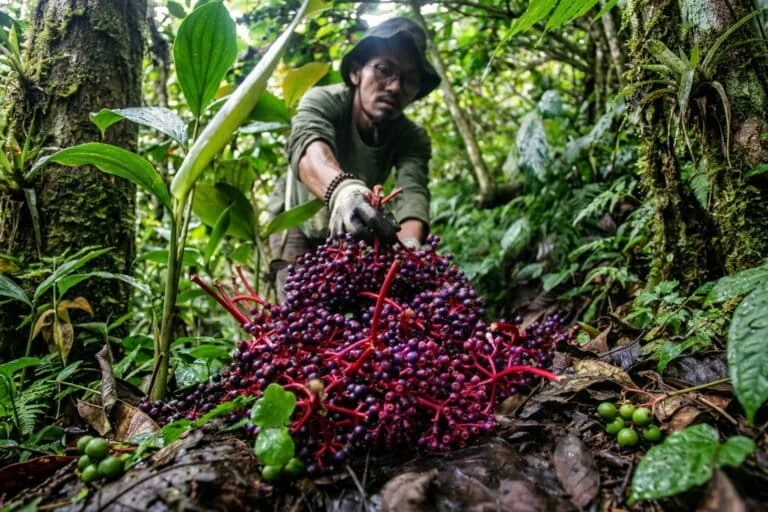
The logistics of The MIND Journey were defined by extreme shifts in environment. The production team began their trek in the humid, tropical environments of Sumatra and moved through various islands before reaching the easternmost province of Papua. One of the most striking aspects of the production was the rapid transition between climatic zones. In one phase of the journey, the crew was filming in the sweltering heat of Timika, a lowland region in Papua known for its industrial significance and coastal climate. Within a short timeframe, the team ascended to the central highlands, reaching altitudes exceeding 4,000 meters above sea level.
At these heights, the temperature drops precipitously, often hovering near freezing, and the oxygen levels are significantly lower than at sea level. Such conditions pose a threat not only to the physical health of the crew but also to the functionality of high-end filming equipment. Drones, cameras, and audio recording devices had to be carefully managed to prevent malfunctions caused by condensation and extreme cold. Ari Sihasale noted that these environmental shifts were a testament to Indonesia’s status as a "continent in the form of an archipelago," where one can experience multiple worlds within a single national boundary.
Nia Zulkarnaen on the Human Element and Unscripted Reality
For Nia Zulkarnaen, who served as both an actress and a producer on the project, the value of the documentary lay in its unpredictability. Unlike traditional feature films that rely on rigid scripts and storyboarded scenes, The MIND Journey was filmed without a formal script. This approach allowed the team to capture authentic interactions with the local populations they encountered along the 19,000-kilometer route. Zulkarnaen reflected on the emotional weight of these encounters, stating that the stories shared by the people in remote areas provided a perspective on Indonesia that is often missing from mainstream media.

She highlighted that many of the moments captured were deeply moving, particularly when witnessing the resilience of communities in the face of geographic isolation or economic challenges. The documentary aims to bridge the gap between urban audiences and those living in the far reaches of the country. By focusing on "the stories behind the faces," the production team sought to create a narrative that resonates on a humanitarian level rather than just an informational one. Zulkarnaen admitted that several moments during the 53-day shoot were overwhelming, as the team became witnesses to the daily struggles and triumphs of the Indonesian people.
Background and Institutional Context
The timing of this documentary is particularly noteworthy given Ari Sihasale’s evolving role in Indonesian public life. In October 2025, President Prabowo Subianto officially appointed Sihasale as a member of the body dedicated to the Acceleration of Special Autonomy for Papua (Otsus Papua). This appointment underscored Sihasale’s long-standing commitment to the development of Eastern Indonesia, a region that has been a central theme in his filmography for over two decades. His involvement in The MIND Journey can be seen as an extension of this mission—using media to highlight the progress, challenges, and cultural richness of Papua and other developing regions.
Furthermore, the title The MIND Journey suggests a collaborative effort or thematic alignment with MIND ID (Mining Industry Indonesia), the state-owned enterprise holding company for the mining sector. This indicates that the documentary likely explores the intersection of industrial development, resource management, and community empowerment. By documenting the areas surrounding major industrial sites, the film provides a visual record of how large-scale economic activities impact local ecosystems and societies.
Strategic Analysis of the Documentary’s Impact
From a journalistic and sociological perspective, The MIND Journey serves as more than just entertainment; it is a vital piece of national documentation. In an era where digital content is often fragmented, a comprehensive 13-episode series that maps the country from West to East provides a cohesive narrative of national identity.
- Promoting National Integration: By showcasing the diversity of Sumatra, Java, Kalimantan, Sulawesi, and Papua in a single series, the documentary reinforces the concept of "Bhinneka Tunggal Ika" (Unity in Diversity). It allows citizens in Jakarta to visualize the lives of those in Merauke, fostering a sense of shared destiny.
- Tourism and Geographic Literacy: The high-quality visual approach of Alenia Pictures has historically boosted interest in domestic tourism. The MIND Journey is expected to highlight "hidden gems" of the Indonesian landscape, potentially driving sustainable tourism to lesser-known provinces.
- Socio-Political Awareness: Given Ari Sihasale’s role in the Papua Special Autonomy body, the documentary provides a soft-power tool to communicate the complexities of regional development. It moves beyond statistics and policy papers, showing the human face of government initiatives and industrial growth.
Production Chronology and Broadcasting Schedule
The production of The MIND Journey followed a meticulous yet flexible timeline designed to maximize the team’s exposure to different regional events and seasonal changes.
- Pre-Production (Late 2025): Detailed mapping of the 19,000-kilometer route, securing permits for remote areas, and coordinating with local authorities and community leaders.
- The Journey (January – March 2026): The 53-day expedition commenced in Sumatra. The team moved eastward, utilizing various modes of transport including off-road vehicles, boats, and small aircraft to reach the interior of Papua.
- Post-Production (March 2026): Rapid editing of thousands of hours of footage into a 13-episode format, focusing on a "personal and deep" visual style.
- Premiere and Broadcast (April 2026): The documentary is scheduled to begin its television run on Sunday, April 4, 2026.
The series will air on Metro TV every Saturday at 15:00 WIB. Each of the 13 episodes is designed to cover a specific segment of the journey, blending breathtaking cinematography with the intimate interviews that Nia Zulkarnaen described as the heart of the project.
Conclusion and Future Implications
As The MIND Journey: For Indonesia and the World prepares for its television debut, it stands as a testament to the endurance of the Indonesian spirit. Ari Sihasale and Nia Zulkarnaen have once again demonstrated their unique ability to capture the soul of the nation by stepping out of the studio and into the real world. The 19,000-kilometer journey serves as a metaphor for the country’s own path toward progress—long, challenging, and filled with diverse voices that demand to be heard.
The success of this documentary could pave the way for more "expedition-style" filmmaking in Indonesia, encouraging other creators to explore the vast reaches of the archipelago. For the audience, it offers a rare opportunity to see their country through the eyes of filmmakers who are as much explorers as they are artists. In the broader context of Indonesian media, The MIND Journey reinforces the importance of documentary storytelling in building national character and providing a truthful, albeit emotional, record of a nation in motion.