Bambang Pamungkas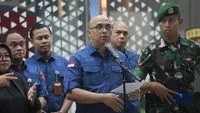
The Indonesian Attorney General’s Office (Kejagung) has announced the formal designation of seven individuals as suspects in a sprawling corruption case involving the procurement of crude oil and refined products at PT Pertamina Energy Trading Limited (Petral) between 2008 and 2015. This significant development, disclosed on Thursday, April 9, 2026, marks a crucial expansion of an ongoing investigation into the mismanagement of crude oil governance within the state-owned energy sector. Among those implicated is prominent business figure Muhammad Riza Chalid, identified by his initials MRC, who has been declared a fugitive and placed on the Attorney General’s Office’s Most Wanted List (DPO). The alleged criminal activities center on a sophisticated network of information leakage, tender manipulation, and inflated pricing, leading to substantial financial losses for the state and undermining fair competition in a vital strategic industry.
Unraveling Years of Alleged Graft: The Petral Scandal
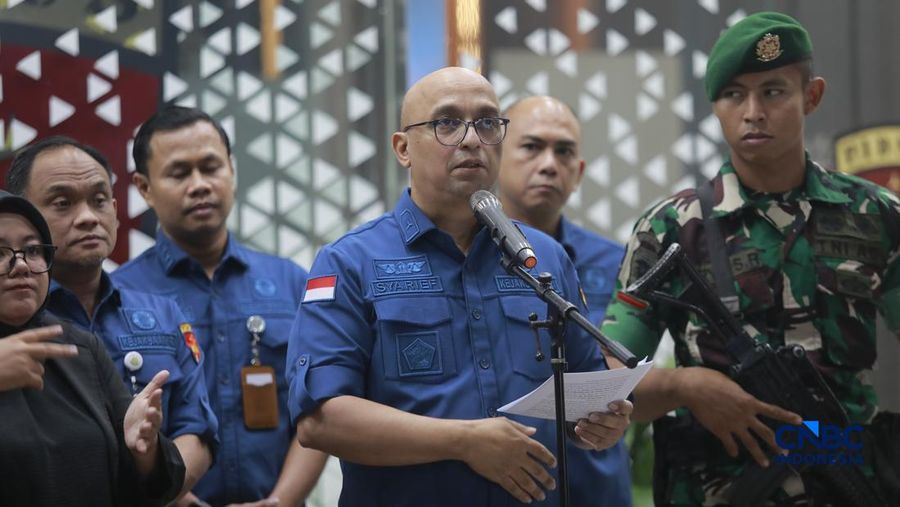
The investigation by the Junior Attorney General for Special Crimes (Jampidsus) has meticulously uncovered a pattern of illicit activities that systematically undermined transparent and competitive procurement processes at Petral, a former subsidiary of national oil giant Pertamina. The period under scrutiny, from 2008 to 2015, coincides with a critical era for Indonesia’s energy landscape, marked by volatile global oil prices and increasing domestic demand. Syarief Sulaeman Nahdi, the Director of Investigation at Jampidsus, detailed the findings, stating that the investigative team discovered "facts concerning the leakage of confidential internal information from Pertamina Energy Services (PES) related to the need for crude oil and gasoline, as well as other information, carried out by one of the suspects." This breach of confidentiality was allegedly instrumental in manipulating the bidding process, ensuring that favored parties secured lucrative contracts at inflated prices.
The seven suspects, whose identities apart from MRC were partially disclosed by their initials (IRW, BBG, MLY, TFK, among others), represent a mix of private sector individuals and former officials within Pertamina and Petral. Their alleged collaboration paints a grim picture of systemic corruption, where confidential data – including details on crude oil and gasoline requirements and the government’s official benchmark price (Harga Perkiraan Sendiri/HPS) – was reportedly leaked to external parties. This pre-tender intelligence allowed certain companies to tailor their bids, effectively eliminating genuine competition and driving up procurement costs. Such practices not only inflicted financial damage on Pertamina and, by extension, the state budget but also compromised Indonesia’s energy security by introducing inefficiencies and potential vulnerabilities into its supply chain.
The Rise and Fall of Petral: A Troubled Legacy
To fully grasp the magnitude of this corruption case, it is essential to understand the historical context and significance of Petral. Established in 2001, PT Pertamina Energy Trading Limited (Petral) was a wholly-owned subsidiary of Pertamina, headquartered in Singapore. Its primary mandate was to handle the import of crude oil and refined petroleum products for Indonesia, effectively acting as the nation’s main procurement arm for energy commodities. For over a decade, Petral played a central, albeit controversial, role in Indonesia’s energy supply chain.
However, Petral’s operations were frequently plagued by accusations of inefficiency, lack of transparency, and allegations of cartel-like practices. Critics, including anti-corruption activists and energy experts, consistently pointed to Petral as a nexus of rent-seeking behavior, where politically connected individuals and powerful business groups allegedly exploited its position to secure favorable trading terms. The opaque nature of its transactions, operating offshore and often through intermediaries, made it difficult to scrutinize its dealings, fueling public suspicion.
The pressure for reform mounted significantly in the mid-2010s, with President Joko Widodo’s administration making the dissolution of Petral a key promise in its efforts to reform the oil and gas sector and combat corruption. The government argued that Petral’s existence created an unnecessary layer in the procurement process, leading to higher costs for consumers and opportunities for graft. In May 2015, following a comprehensive audit and intense public scrutiny, Petral was officially dissolved, and its functions were absorbed back into Pertamina, primarily through its integrated supply chain (ISC) division. The dissolution was hailed as a major step towards enhancing transparency and efficiency in Indonesia’s oil and gas procurement. This current investigation, focusing on the period immediately preceding its dissolution, retrospectively validates many of the concerns raised about Petral’s operations.
A Web of Collusion: How the Scheme Operated
The investigative findings reveal a sophisticated modus operandi employed by the suspects. Director Syarief Sulaeman Nahdi elaborated on how the scheme unfolded: "So, in essence, suspect MRC, through suspect IRW, communicated with procurement officials at both Petral and Pertamina, including suspects BBG, MLY, and TFK. These communications involved tender conditioning, information on HPS values, leading to mark-ups or inflated prices because the procurement became non-competitive."
This description outlines a classic tender manipulation scheme:
- Information Leakage: Suspect IRW, acting as an intermediary for MRC, allegedly obtained sensitive internal information from Pertamina Energy Services (PES). This information included confidential details about the quantity and type of crude oil and gasoline required by Indonesia, as well as the crucial HPS – the official estimated price for goods or services in a government tender. Knowing the HPS in advance provides an unfair advantage, allowing bidders to set their prices just below the HPS, thus guaranteeing a win while still maximizing profit.
- Tender Conditioning: With this leaked information, MRC and his associates were allegedly able to "condition" the tenders. This means manipulating the terms, specifications, or even the selection of bidders to favor specific companies. This could involve crafting tender requirements that only certain pre-selected companies could meet, or ensuring that competing bids were intentionally priced higher.
- Lack of Competition: The core outcome of this manipulation was the erosion of competitive bidding. Instead of multiple companies genuinely competing on price and quality, the process became a mere formality. Companies aligned with the suspects were effectively guaranteed contracts, leading to "mark-ups or inflated prices" because the absence of genuine competition removed the incentive to offer the best possible terms.
- Financial Harm: The ultimate consequence was that Pertamina, and by extension the Indonesian state, paid significantly more for crude oil and refined products than it would have under a truly competitive and transparent process. These inflated costs translated directly into state losses, potentially running into hundreds of millions or even billions of dollars over the seven-year period.
The involvement of both private sector figures like MRC and internal procurement officials at Petral and Pertamina underscores the deep-seated nature of the alleged corruption, suggesting a collaborative effort to exploit the system for personal gain.
Key Figures Implicated: From Business Tycoon to State Officials
The Attorney General’s Office has identified seven individuals as suspects, with some key figures emerging from the details provided:
- Muhammad Riza Chalid (MRC): A well-known and often controversial figure in Indonesian business and political circles, MRC is alleged to be the mastermind behind the scheme, leveraging his connections to orchestrate the tender manipulations. His declaration as a DPO (Daftar Pencarian Orang) or fugitive signifies that he is currently evading authorities, adding a dramatic layer to the investigation. Chalid has a long history of involvement in Indonesia’s energy sector and has been linked to various political controversies in the past. His flight from justice further complicates the investigation but also intensifies public interest and the resolve of the authorities to bring him to account.
- IRW: Identified as an intermediary, IRW allegedly facilitated communications between MRC and procurement officials within Petral and Pertamina. This role is crucial in connecting the private sector interests with the state-owned enterprise’s internal processes.
- BBG, MLY, TFK: These initials likely represent former or current officials within Petral or Pertamina who held positions related to procurement. Their alleged involvement suggests an internal complicity that enabled the external manipulation of tenders.
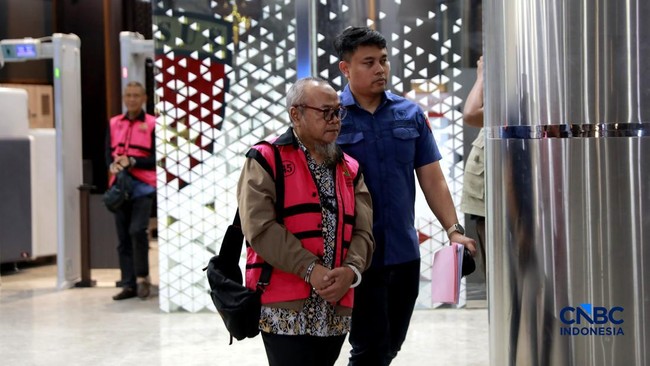
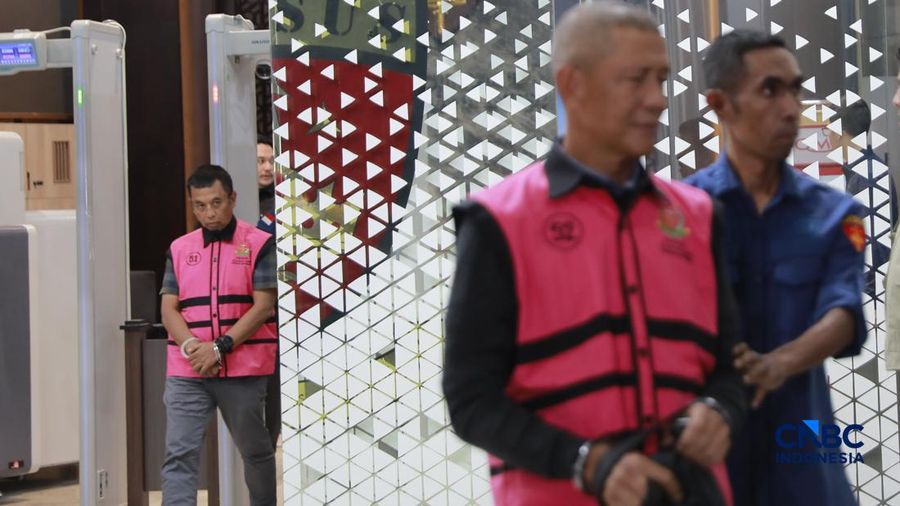
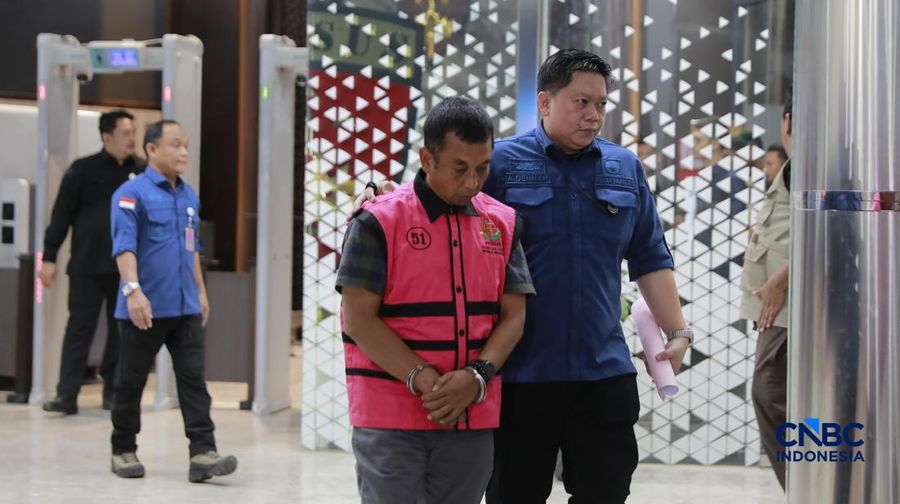
Of the seven suspects, five have been placed under detention (rutan) for 20 days as the investigation proceeds. One suspect, BBG, was placed under city arrest (penahanan kota) due to health considerations, following a medical examination. The differing forms of detention reflect legal protocols based on individual circumstances, while still ensuring accountability.
Legal Ramifications and Ongoing Investigations
The suspects are being charged under Indonesia’s stringent anti-corruption laws. Syarief Sulaeman Nahdi stated that they are suspected of violating Article 603 and subsidiarily Article 3 of the Law on the Eradication of Criminal Acts of Corruption (UU Pemberantasan Tindak Pidana Korupsi).
- Article 603: While the specific article number provided (603) might be a slight miscitation or a specific internal numbering, typically corruption charges related to state losses and abuse of power fall under articles like Article 2 (enriching oneself or others causing state loss) and Article 3 (abuse of authority causing state loss) of Law No. 31 of 1999 as amended by Law No. 20 of 2001 on the Eradication of Corruption Crimes. These articles carry severe penalties, including lengthy prison sentences and substantial fines, reflecting Indonesia’s strong stance against corruption.
- Article 3: This article specifically targets individuals who, with the aim of benefiting themselves or another person or corporation, abuse their authority, opportunities, or means available to them by virtue of their office or position, which can cause state financial loss. This aligns perfectly with the allegations of tender manipulation and inflated pricing by officials.
The Attorney General’s Office is currently working with the Financial and Development Supervisory Agency (BPKP) to calculate the exact amount of state losses incurred due to this alleged corruption. This calculation is a critical step in the legal process, as the magnitude of financial harm often influences the severity of the charges and potential sentences. Given the prolonged period of the alleged activities and the strategic importance of oil procurement, the final figure is expected to be substantial, potentially reaching hundreds of millions or even billions of US dollars, reflecting the sheer volume of transactions handled by Petral over the years.
The Hunt for Muhammad Riza Chalid: A High-Profile Fugitive
The designation of Muhammad Riza Chalid as a fugitive (DPO) immediately elevates the profile of this case. Chalid is a figure who has frequently been at the periphery or center of major political and business controversies in Indonesia. Known for his extensive network and influence, his alleged involvement in the Petral scandal underscores the deep penetration of illicit practices into critical state-owned enterprises. His current status as a DPO means that the Attorney General’s Office will intensify its efforts to locate and apprehend him, potentially involving international cooperation given his likely ability to travel outside Indonesia.
The pursuit of high-profile fugitives like Chalid is crucial for demonstrating the state’s commitment to fighting corruption regardless of an individual’s status or connections. It sends a strong message that no one is above the law and that those who engage in grand corruption will eventually face justice. His apprehension would be a significant victory for anti-corruption efforts in Indonesia and would likely provide further crucial insights into the inner workings of the alleged scheme.
Calculating the Cost: The Economic Impact of Corruption
The financial implications of a corruption scheme of this scale are far-reaching. While the precise state losses are still being calculated by the Attorney General’s Office and BPKP, the allegations suggest a significant drain on public finances. Inflated procurement costs for crude oil and refined products directly impact Pertamina’s profitability, which, as a state-owned enterprise, contributes substantially to the national budget. These losses could have otherwise been invested in infrastructure development, social programs, or subsidies to ease the burden on consumers.
Economists and energy analysts have long argued that corruption in the oil and gas sector leads to higher energy prices for consumers, reduced competitiveness of domestic industries, and a diversion of funds that could drive national development. The alleged mark-ups on essential energy commodities mean that every Indonesian citizen indirectly bore the cost of these illicit activities. Furthermore, such scandals erode investor confidence, potentially deterring foreign direct investment into Indonesia’s critical energy sector, which relies heavily on transparent and fair business practices. The long-term economic damage extends beyond the direct financial losses, impacting trust in public institutions and the efficiency of state enterprises.
Reactions and Calls for Greater Transparency
While official statements from Pertamina or other government bodies beyond the Attorney General’s Office have not yet been released, the announcement is expected to trigger a wave of reactions from various stakeholders. Anti-corruption watchdog groups and civil society organizations will likely commend the Attorney General’s Office for its resolve while simultaneously calling for maximum transparency throughout the legal process. They will emphasize the need for robust deterrent sentences for those found guilty, especially given the significant public trust violated in a strategic sector.
Energy sector analysts might reiterate the importance of continuous reform in state-owned enterprises, advocating for stronger internal controls, independent oversight mechanisms, and greater accountability in procurement processes. They might also highlight the challenges of ensuring genuine competition in a market susceptible to influence-peddling. The public, often weary of recurrent corruption scandals, will likely demand swift and decisive justice, hoping that this case serves as a genuine turning point in the fight against high-level economic crime.
Implications for Indonesia’s Energy Governance
This case has profound implications for Indonesia’s energy governance. The Petral scandal, even in its investigative phase, serves as a stark reminder of the vulnerabilities within state-owned enterprises, particularly those dealing with high-value commodities like oil and gas. It underscores the critical need for continuous vigilance and reform to prevent such illicit practices from recurring.
The dissolution of Petral in 2015 was a direct response to many of these concerns, aiming to streamline procurement and enhance transparency. The current investigation, focusing on the period prior to its dissolution, validates the government’s decision to disband the entity. However, it also highlights that simply changing organizational structures is not enough; robust anti-corruption mechanisms, ethical leadership, and a culture of integrity must be deeply embedded within all state enterprises to effectively safeguard national assets. The case provides an opportunity for Pertamina and the wider energy sector to review and strengthen their compliance frameworks, whistleblower protections, and procurement protocols to prevent future abuses.
Moving Forward: Strengthening Anti-Corruption Measures
The prosecution of the Petral corruption case is a testament to Indonesia’s ongoing commitment to combating graft. While significant progress has been made in recent years, this case illustrates that the battle against corruption, especially in complex economic sectors, remains challenging. The Attorney General’s Office’s diligence in expanding its investigation, even years after Petral’s dissolution, demonstrates a sustained effort to hold accountable those responsible for past transgressions.
Moving forward, the focus will be on ensuring a fair and transparent trial for the accused, the successful apprehension of Muhammad Riza Chalid, and the recovery of state losses. Beyond the legal proceedings, this case should catalyze further institutional reforms. This includes strengthening the independence and capacity of oversight bodies, enhancing digital transparency in procurement, and fostering a robust ethical culture within state-owned enterprises. The Petral scandal, once fully resolved, could serve as a powerful lesson and a catalyst for a more resilient, transparent, and accountable energy sector, ultimately benefiting the Indonesian people.