Eko Sulistyo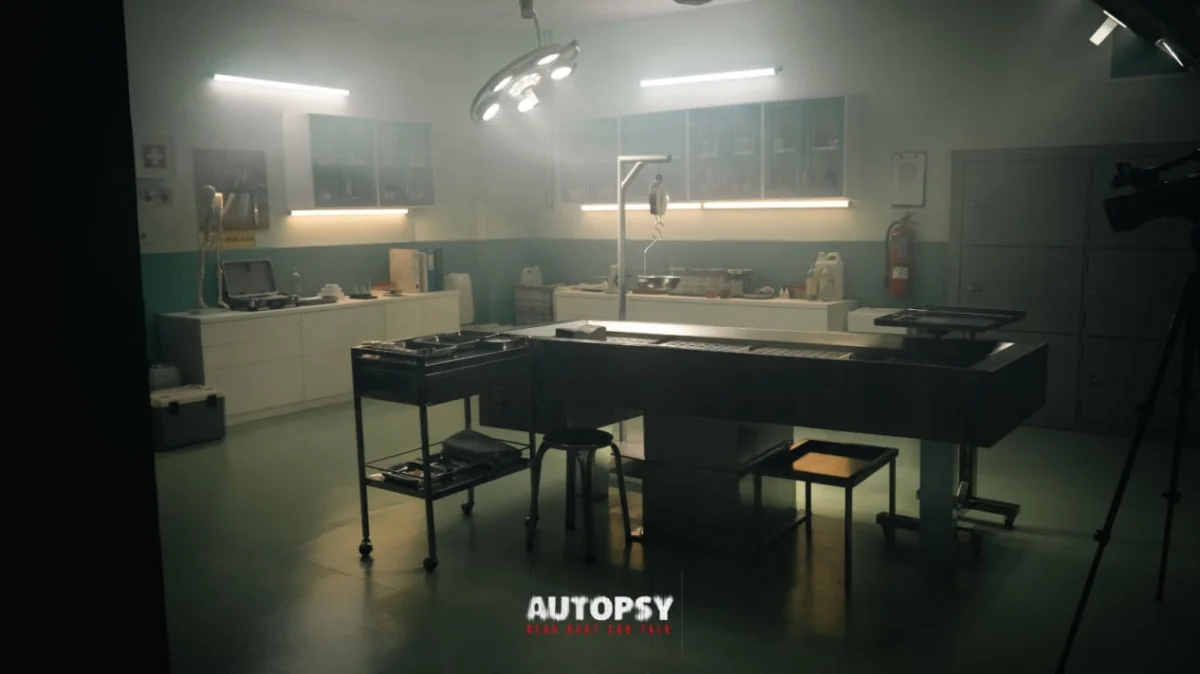
The Indonesian film industry reached a significant milestone on Saturday, April 4, 2026, as the investigative thriller Autopsy: Dead Body Can Talk was officially announced, signaling a shift toward scientifically grounded storytelling in the domestic cinematic landscape. Coinciding with the celebration of National Film Day (Hari Film Indonesia), the production house Rumah Produksi Karya Kreatif Utama unveiled the project, which aims to explore the meticulous and often misunderstood world of forensic science. Unlike the supernatural horror tropes that have long dominated Indonesian screens, this film seeks to provide a realistic portrayal of how medical examinations can solve criminal cases, operating under the premise that while the living may lie, the deceased provide an unwavering testimony of the truth.
The production is framed not merely as a piece of entertainment but as a sophisticated exploration of the intersection between medicine, law, and justice. By focusing on the silent environment of the morgue—where every laceration, bruise, and internal finding serves as a vital clue—Autopsy: Dead Body Can Talk promises to offer audiences a rare glimpse into the professional rigor of the Indonesian National Police’s forensic department. The announcement has already generated significant interest among cinema enthusiasts and legal professionals alike, as it represents the first major Indonesian production to place forensic pathology at the center of its narrative structure.
The Scientific Foundation: Realism Over Sensationalism
The defining characteristic of Autopsy: Dead Body Can Talk is its commitment to authenticity. The producers have emphasized that the film is built upon a foundation of extensive research and real-world forensic protocols. In a market where "thriller" and "horror" are often used interchangeably, this project distinguishes itself by adhering to a research-based approach. The creative team has worked closely with experts to ensure that every aspect of the forensic process—from the initial external examination to the complex toxicological and DNA analyses—is depicted with technical accuracy.
This commitment to realism is intended to serve a dual purpose: to provide a high-stakes narrative for viewers and to educate the public on the critical role of autopsies in the judicial system. In Indonesia, forensic examinations are often viewed with a degree of hesitation or cultural taboo. By presenting the process as an ethical, professional, and essential tool for uncovering the truth, the film seeks to demystify the practice. The narrative highlights that an autopsy is not an act of desecration, but rather a final service to the deceased to ensure that their story is told and that justice is served.
Inspiration from a Forensic Icon: The Legacy of Dr. Sumy Hastry Purwanti
Central to the film’s development is the inspiration drawn from the career of Brigadier General Pol. Dr. dr. Sumy Hastry Purwanti, Sp.F., DFM. As the first female forensic doctor in the Indonesian National Police and a pioneer in the field of Disaster Victim Identification (DVI), Dr. Hastry’s life work provides a rich tapestry of real-life cases and ethical dilemmas. Her involvement in some of Indonesia’s most high-profile investigations—ranging from the identification of victims in major aviation disasters to high-stakes criminal homicides—has made her a legendary figure in Southeast Asian forensics.

The film incorporates the professional philosophy of Dr. Hastry, focusing on the meticulous nature of medical evidence. Director Ozan Ruz has noted that the character inspired by Dr. Hastry serves as the moral and intellectual anchor of the film. By portraying a protagonist who must navigate the pressures of law enforcement, the emotional weight of dealing with grieving families, and the cold logic of medical science, the film aims to humanize a profession that is often hidden from public view. This biographical influence lends the project a layer of gravitas, ensuring that the investigative procedures shown on screen reflect the actual challenges faced by forensic pathologists in the field.
Strategic Collaboration Between Law Enforcement and the Creative Industry
The production of Autopsy: Dead Body Can Talk is notable for its high-level collaboration with members of the Indonesian police force. The project is overseen by Executive Producer AKBP Rina Sry Nirwana Tarigan, S.I.K., whose involvement ensures that the procedural elements of the film align with standard operating procedures within the National Police. This partnership between the creative sector and law enforcement officials suggests a new trend in Indonesian media where institutional accuracy is prioritized to enhance the quality of genre films.
Produced by Fariz Stanzah and Marsa Moesa, the film is a product of Rumah Produksi Karya Kreatif Utama’s vision to diversify the types of stories being told in Indonesia. During the announcement, the production team highlighted that the film’s development involved rigorous consultations to maintain ethical standards, particularly regarding the depiction of deceased individuals and the sensitivity required in forensic storytelling. This collaborative framework is expected to set a new benchmark for how investigative films are produced in the country, moving away from purely fictionalized drama toward a more documentary-influenced style of fiction.
A Shift in the Indonesian Cinematic Landscape
The timing of this announcement on National Film Day is symbolic of the broader evolution occurring within the Indonesian film industry. For the past decade, the industry has seen a massive surge in box office numbers, largely driven by the horror genre. However, as the audience matures, there has been a growing demand for "elevated" genre content—films that offer intellectual depth, complex character arcs, and high production values.
Autopsy: Dead Body Can Talk enters the market as a "procedural thriller," a subgenre that has seen immense success in international markets (such as South Korea’s crime thrillers or Hollywood’s forensic dramas) but has remained relatively under-explored in Indonesia. By focusing on the "science of death," the film taps into a global fascination with true crime and forensics while grounding the narrative in the specific legal and cultural context of Indonesia. Industry analysts suggest that if successful, this film could pave the way for a series of investigative projects that highlight different branches of the Indonesian police and scientific communities, such as cybercrime units or specialized investigative task forces.
The Educational Imperative: Humanizing the Autopsy Process
Beyond its entertainment value, the film carries a significant social and educational mission. Director Ozan Ruz described the project as a journey through the "boundary between life and death." In his statement, Ruz emphasized that the film portrays the body as the "final witness" to the truth. This perspective is crucial in a society where forensic procedures are sometimes met with resistance due to religious or traditional beliefs.

The film aims to illustrate that forensic science is a form of advocacy for those who can no longer speak for themselves. By showing the "intimate visual and pressing atmosphere" of the forensic lab, the director hopes to instill a sense of respect for the doctors who dedicate their lives to this work. The narrative focuses on the concept that "truth always finds its way," often through the most unexpected medical details—a microscopic trace of DNA, a specific pattern of bruising, or the presence of a particular chemical substance. This focus on the "micro" to solve the "macro" mystery is expected to be a highlight of the film’s visual storytelling.
Technical Excellence and Visual Storytelling
From a technical standpoint, the production of Autopsy: Dead Body Can Talk is leveraging modern cinematic techniques to create an immersive experience. The use of "intimate visuals," as mentioned by Ozan Ruz, suggests a cinematography style that focuses on detail and texture, mirroring the gaze of a pathologist. The atmosphere of the film is designed to be "pressing" and "cold," reflecting the sterile yet high-stakes environment of a morgue.
The production team has also indicated that the sound design will play a critical role in the storytelling. In an environment as quiet as an autopsy room, every sound—the snap of a glove, the hum of refrigeration, the scratching of a pen on a clipboard—becomes magnified. This sensory-focused approach is intended to pull the audience into the protagonist’s headspace, allowing them to feel the weight of the investigation as it unfolds.
Future Outlook and Market Anticipation
While a specific release date has not yet been announced, the initial reveal has already sparked discussions regarding the film’s potential impact on the 2026-2027 box office. The involvement of high-ranking police officials and the inspiration drawn from a figure as respected as Dr. Sumy Hastry Purwanti suggest that the film will receive significant promotional support and institutional backing.
Furthermore, the film’s focus on forensic science makes it a strong candidate for international film festivals, where investigative thrillers with a unique cultural lens often perform well. As Indonesian cinema continues to expand its global footprint, projects like Autopsy: Dead Body Can Talk serve as evidence of the industry’s increasing sophistication and its ability to tackle complex, research-heavy subject matter.
In conclusion, Autopsy: Dead Body Can Talk represents a bold step forward for Indonesian cinema. By bridging the gap between scientific reality and cinematic drama, the film promises to provide a narrative that is as intellectually stimulating as it is emotionally resonant. As the production progresses, it stands as a testament to the power of film to not only entertain but also to illuminate the vital work of those who seek justice in the quietest of places. Through the lens of forensic science, the film reminds us that even when a life ends, the pursuit of truth remains an enduring and essential human endeavor.