Nasution Nanang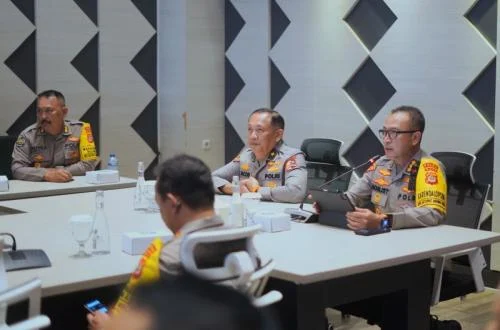
The Bali Regional Police (Polda Bali) has affirmed its utmost preparedness for managing the anticipated surge in the return flow of traffic at Gilimanuk Port, a critical maritime gateway located in Jembrana Regency. This proactive stance, articulated by Senior Commissioner of Police (Kombes Pol) Soelistijono on Wednesday, underscores a comprehensive strategy centered on bolstering security measures and optimizing digital monitoring systems. The overarching objective is to guarantee a safe, orderly, and seamless experience for travelers navigating both the outbound (mudik) and inbound (balik) journeys during the extended holiday period.
Strategic Imperatives for Gilimanuk Port
Gilimanuk Port stands as the primary maritime connection between Java and Bali, a crucial artery for both tourism and commerce. Annually, during major national holidays such as Eid al-Fitr (Lebaran), the port experiences an exponential increase in vehicle and passenger traffic. The sheer volume presents significant logistical and security challenges, demanding meticulous planning and flawless execution from law enforcement and related agencies. For the current holiday season, the operational complexities were further magnified by the unique confluence of the Eid al-Fitr festivities with Nyepi, the Balinese Day of Silence, which necessitated simultaneous management of diverse travel patterns and cultural observances. This dual challenge required an unprecedented level of coordination and adaptability.
Kombes Pol Soelistijono’s remarks were made during a pivotal meeting with the Operation Monitoring Team (Wasops) Ketupat 2026 from the National Police Inspectorate General (Itwasum Polri) at the Command Center of the Bali Regional Police Operations Bureau. This meeting served as a platform to review the extensive preparations undertaken for Operation Ketupat 2026, a nationwide security and traffic management operation specifically designed for the Eid al-Fitr period. He emphasized that the operational readiness encompassed every critical aspect, from personnel deployment and administrative support to the provision of essential infrastructure and equipment, alongside robust cross-sectoral coordination.
Phased Preparations and Operational Genesis
The meticulous planning for Operation Ketupat 2026 commenced well in advance, reflecting a proactive approach to potential challenges. Soelistijono detailed a comprehensive preparatory phase that included a series of internal coordination meetings within Polda Bali, followed by extensive cross-sectoral discussions involving all relevant stakeholders. These sessions were crucial for synchronizing strategies, allocating resources, and establishing clear lines of communication. Furthermore, pre-operation training exercises were conducted to ensure that all deployed personnel were thoroughly briefed on their roles, responsibilities, and emergency protocols. The culmination of this preparatory phase was a grand troop deployment ceremony, symbolizing the official launch of the operation and demonstrating the collective readiness of all participating forces.
The efficacy of these preparations was put to the test during the peak of the outbound traffic flow (arus mudik), which saw substantial queues of vehicles converging on Gilimanuk Port. Historical data from previous Eid al-Fitr periods often indicate that peak mudik days can see vehicle volumes increase by 150-200% compared to normal days, with passenger numbers potentially rising even higher. Such surges routinely stretch port capacity and road infrastructure to their limits. However, through strategic traffic engineering measures, precise deployment of personnel to critical congestion points, and continuous periodic patrols designed to preempt and mitigate traffic violations, the Bali Regional Police, in collaboration with its partners, successfully managed to alleviate the severe congestion. This demonstrated the operational effectiveness of the implemented strategies in real-time crisis management.
Integrated Traffic Management and Digital Monitoring
A cornerstone of Polda Bali’s strategy is the sophisticated integration of digital monitoring systems. This involves a comprehensive network of CCTV cameras strategically placed along key routes leading to Gilimanuk Port and within the port area itself. These cameras feed real-time video footage to the Command Center, allowing officers to monitor traffic conditions, identify emerging bottlenecks, and detect potential security threats instantaneously. Advanced traffic analytics software processes this data, providing predictive insights into traffic flow and enabling proactive interventions. This digital infrastructure not only enhances situational awareness but also facilitates rapid decision-making and efficient resource allocation. For instance, if a particular lane experiences unexpected congestion, personnel can be quickly redirected, or traffic signals adjusted, all based on live data.
Beyond passive monitoring, the digital system supports dynamic traffic management. Information gathered is used to inform travelers through various channels, including digital message boards, social media, and potentially integration with popular navigation applications, providing real-time updates on traffic conditions, alternative routes, and estimated waiting times. This empowers travelers to make informed decisions, thereby contributing to a more distributed and manageable traffic flow.
Multi-Agency Synergy and Innovative Solutions
The successful management of holiday traffic hinges on an unparalleled level of synergy among multiple governmental and state-owned entities. Polda Bali has forged strong partnerships with PT ASDP Indonesia Ferry (Persero), the state-owned ferry operator responsible for services at Gilimanuk and Ketapang ports; the Port Authority and Harbor Master’s Office (KSOP); the Indonesian National Armed Forces (TNI), providing security and logistical support; the Port Management Unit (UPP); the Land Transportation Management Center (BPTD); and the local Transportation Agency (Dinas Perhubungan). Each agency plays a distinct yet interconnected role in the overall operational framework.
One of the most effective innovations highlighted by Soelistijono is the implementation of the "Tiba Bongkar Berangkat" (TBB) pattern at Ketapang Port, on the East Java side of the strait. This pattern, literally meaning "Arrive, Unload, Depart," streamlines ferry operations by minimizing turnaround times. Ferries are scheduled for immediate unloading upon arrival, followed by rapid boarding of waiting vehicles and passengers, and then prompt departure. This efficient process significantly increases the effective capacity of the ferry services, allowing for a higher frequency of crossings and thereby reducing vehicle accumulation at both ports.
Furthermore, a critical traffic control measure involved the restriction of heavy vehicles, specifically those with three axles or more, from entering key urban and transit areas such as Denpasar, Badung, and Tabanan during peak holiday periods. These vehicles were systematically diverted to designated buffer zones, where they were held under a "travel delay system." This strategy aims to prevent large, slow-moving vehicles from exacerbating congestion on roads primarily used by passenger vehicles, ensuring smoother and faster movement for private cars and public transport. The enforcement of this policy required meticulous planning, clear signage, and consistent monitoring by traffic personnel at various checkpoints.
Assessing the Current Situation and Return Flow Outlook
Soelistijono confidently asserted that the initial congestion during the peak outbound travel was successfully managed before the observance of Nyepi. He further confirmed that, as of the current assessment, both the outbound and inbound traffic flows across all entry points to Bali remain normal and largely unimpeded. This stability is a testament to the robust planning and adaptive execution of Operation Ketupat 2026.
As the focus shifts definitively to the "arus balik," the return flow, Polda Bali and its partners anticipate another significant wave of travelers returning to their places of residence or work outside Bali. While the precise timing and volume of the return peak can be influenced by various factors, including staggered holidays and individual travel plans, projections are continuously refined based on real-time data from ferry ticket sales and traffic monitoring. The strategies that proved effective during the outbound phase, including digital surveillance, traffic engineering, and inter-agency coordination, will remain fully operational and, where necessary, enhanced to manage the return journey. This sustained vigilance is paramount to ensuring the continuity of smooth operations.
External Oversight and Commendation
The effectiveness of Operation Ketupat 2026 in Bali did not go unnoticed by the national oversight body. Brigadier General of Police (Brigjen Pol) Yakub Dedy Karyawan, who led the Operation Monitoring Team (Wasops) Ketupat 2026 from Itwasum Polri, extended his commendation to Polda Bali. His team’s role involves an independent audit of the operational procedures, assessing compliance with national directives, and identifying best practices or areas for improvement.
Brigjen Pol Karyawan specifically lauded Polda Bali’s exceptional performance in managing the unique challenges posed by the confluence of the Eid al-Fitr mudik with the Nyepi celebration. The successful handling of this complex logistical scenario, which required balancing the demands of mass transit with the sanctity of a major religious observance, showcased the force’s adaptability and strategic foresight. This positive appraisal from a high-level national oversight body underscores the professionalism and dedication of the Bali Regional Police and its collaborative partners.
Broader Implications and Future Preparedness
The successful management of traffic and security during such a significant holiday period carries broad implications beyond mere logistical efficiency.
Socio-Economic Impact: A smooth and safe travel experience is vital for Bali’s economy, which heavily relies on tourism. Efficient port operations and traffic flow ensure that both domestic and international visitors can access the island without undue stress or delay, thereby sustaining economic activity. Furthermore, for local businesses and communities, seamless movement of goods and people is essential for daily commerce and livelihoods. Disruptions caused by severe congestion or security incidents can have tangible negative economic repercussions.
Public Safety and Security: Enhanced security measures and effective traffic management directly contribute to public safety. Reduced congestion minimizes the risk of accidents, while the visible presence of law enforcement acts as a deterrent to criminal activity. The coordinated efforts ensure swift responses to any emergencies, from road accidents to medical incidents, thereby safeguarding the lives and well-being of travelers.
Public Trust and Governance: The efficient execution of large-scale operations like Ketupat 2026 strengthens public trust in government institutions and law enforcement agencies. When citizens observe effective planning, coordination, and problem-solving, it reinforces their confidence in the state’s capacity to manage complex challenges and prioritize public welfare.
Environmental Considerations: While not a primary focus, efficient traffic flow indirectly contributes to environmental sustainability by reducing vehicle idling times, which in turn lowers fuel consumption and greenhouse gas emissions. In a destination like Bali, known for its natural beauty, even marginal improvements in environmental impact are valuable.
Lessons Learned and Continuous Improvement: Each major holiday operation serves as a crucial learning experience. The insights gained from Operation Ketupat 2026, particularly concerning the unique challenges of the Nyepi overlap and the effectiveness of digital monitoring and inter-agency protocols, will undoubtedly inform future planning. This commitment to continuous improvement ensures that Bali remains well-prepared to handle increasingly complex logistical demands in the years to come, further solidifying its reputation as a safe and accessible destination. The integration of advanced technologies, the refinement of traffic engineering techniques, and the strengthening of cross-sectoral partnerships will continue to be central to future preparedness strategies.